
Zhong Yang Ji Wei Guo Jia Jian Wei Wang Zhan

Search documents
纪检监察工作高质量发展·践悟丨用好典型案例 深化促改促治
Zhong Yang Ji Wei Guo Jia Jian Wei Wang Zhan· 2026-01-06 00:13
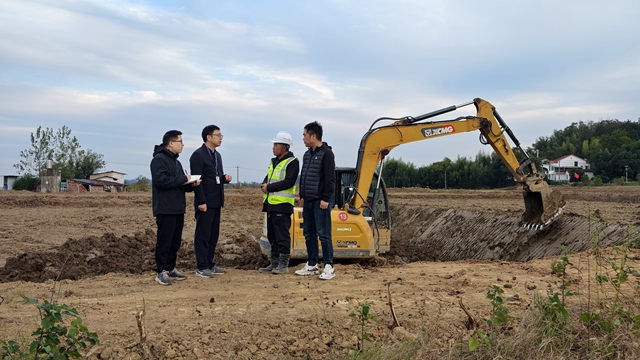
Core Viewpoint - The article emphasizes the importance of using typical cases to identify vulnerabilities in power operations and to improve institutional shortcomings, promoting a comprehensive approach to reform and governance in response to corruption cases [5][20]. Group 1: Case Analysis and Reform - The focus is on selecting typical cases that reflect common issues within specific industries, such as engineering, education, and healthcare, to facilitate targeted reforms and systemic governance [7][8][9]. - The analysis of cases aims to uncover deep-rooted causes, systemic obstacles, and mechanisms that hinder effective governance, ensuring that the lessons learned lead to practical improvements [6][10][20]. Group 2: Responsibility and Coordination - A seamless connection of responsibility chains is crucial, with clear roles defined for various stakeholders, including disciplinary inspection and supervisory bodies, to ensure effective collaboration in addressing issues revealed by cases [10][11][12]. - The establishment of a multi-dimensional consultation mechanism for case analysis is highlighted, integrating efforts from different departments to create a closed-loop process for case selection, root cause analysis, and governance implementation [9][10]. Group 3: Preventive Measures and Education - The implementation of a "negative list" supervision management mechanism is proposed, which includes preventive and prohibitive measures for officials to mitigate risks associated with power abuse [13][14]. - Continuous education and awareness programs are emphasized to reinforce ethical standards among officials, ensuring that the lessons from past cases are effectively communicated and integrated into daily practices [15][16]. Group 4: Systematic Governance - The article advocates for a systematic approach to governance that extends beyond individual case handling to encompass broader industry-wide reforms, addressing common issues and establishing long-term mechanisms for accountability [15][17][18]. - Regular evaluations of reform effectiveness are necessary to ensure that corrective actions are genuinely implemented and that responsible parties are held accountable for any shortcomings [18].

悟规律 明方向 学方法 增智慧丨在一体推进“三不腐”上持续发力
Zhong Yang Ji Wei Guo Jia Jian Wei Wang Zhan· 2026-01-06 00:13
Core Viewpoint - The article emphasizes the importance of advancing the anti-corruption campaign through a comprehensive approach that integrates the concepts of "not daring to corrupt," "not being able to corrupt," and "not wanting to corrupt" to enhance the overall effectiveness of governance against corruption [3][4][5]. Group 1: Implementation Strategies - The integration of the three anti-corruption strategies requires simultaneous, coordinated efforts to break down linear thinking and departmental barriers, ensuring that all aspects of work are interconnected and collaborative [4][5]. - The approach is not a sequential process but an organic whole, where any delay in one aspect can affect the overall progress and effectiveness of the anti-corruption efforts [5][6]. - The focus should be on achieving a synergistic effect where the combined impact of the three strategies exceeds their individual contributions, emphasizing a systematic and holistic approach to corruption governance [7][8]. Group 2: Practical Applications - Local governments are utilizing case analysis and special governance initiatives to drive systemic improvements, such as addressing specific corruption cases in forestry systems to develop comprehensive management practices [8][9]. - The use of disciplinary inspection recommendations has proven effective in identifying and addressing weaknesses in institutional frameworks and power operation risks, leading to significant improvements in governance [9][10]. - Educational initiatives based on typical corruption cases are being implemented to enhance awareness and deter misconduct among officials, thereby fostering a culture of integrity [9][10]. Group 3: High-Quality Development - The article highlights that effective governance and anti-corruption measures are essential for promoting high-quality economic and social development, ensuring that resources are allocated fairly and efficiently [13][15]. - A zero-tolerance policy towards corruption is advocated, particularly in key areas with significant policy support and funding, to maintain a conducive environment for development [13][15]. - The integration of anti-corruption efforts with broader political and economic strategies is crucial for achieving sustainable development goals and enhancing public trust [15][16].
西藏紧盯招投标领域突出问题系统整治顽瘴痼疾
Zhong Yang Ji Wei Guo Jia Jian Wei Wang Zhan· 2026-01-06 00:13
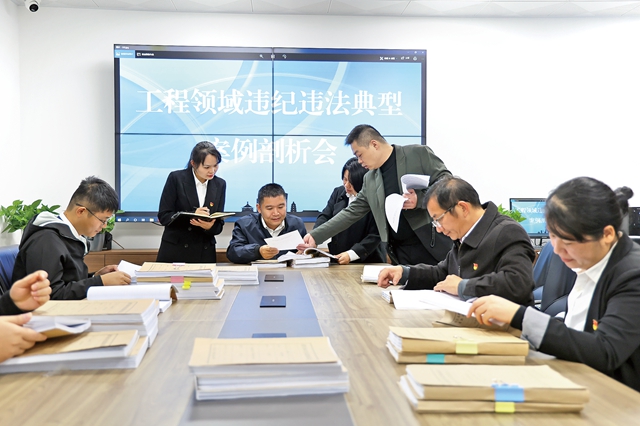
Group 1 - The core focus of the news is the systematic rectification and supervision of issues in the bidding and tendering sector in Tibet Autonomous Region, aiming to address corruption and improve the political environment [1][2][4] - The Tibet Autonomous Region's Discipline Inspection and Supervision Commission is utilizing resources from recent typical cases to analyze common issues and conduct field research in key areas with concentrated power and resources [1][2] - Major problems identified in the bidding sector include interference by officials in project bidding for personal gain and corruption fostered by bidding agencies, attributed to systemic deficiencies and outdated regulatory measures [1][2] Group 2 - The commission emphasizes a problem-oriented approach throughout the rectification process, focusing on both individual cases and systemic governance, while urging local departments to conduct self-inspections and establish problem tracking systems [2][3] - A three-tiered supervision mechanism has been established to enhance oversight, involving collaboration between district, city, and county levels, and integrating various supervisory functions to form a cohesive oversight effort [2][3] - The commission is intensifying the investigation of violations in the bidding sector, targeting key positions and areas, and has implemented measures to create a credit evaluation system to blacklist entities involved in illegal activities [3][4]
河南持续擦亮乡村振兴清廉底色盘家底 查重点 促提质
Zhong Yang Ji Wei Guo Jia Jian Wei Wang Zhan· 2026-01-06 00:13
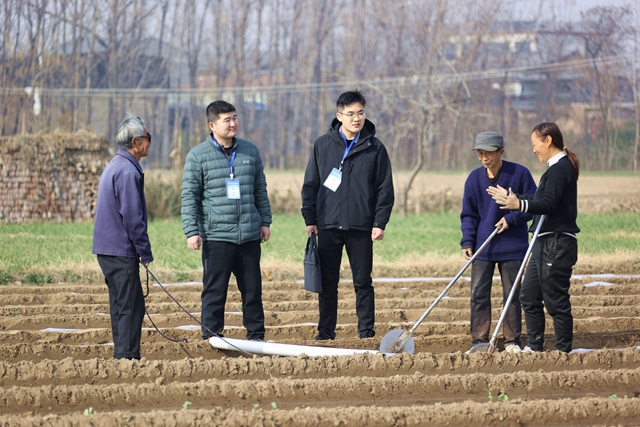
Core Viewpoint - The article emphasizes the importance of transparent management of rural collective "three assets" (assets, funds, and resources) in Henan Province as a foundation for rural revitalization, highlighting the efforts of local disciplinary inspection and supervision agencies to ensure accountability and combat corruption [5][17]. Group 1: Management and Oversight - The Henan Provincial Disciplinary Inspection and Supervision Commission is focusing on the management and use of rural collective "three assets," conducting thorough investigations to clarify ownership and management rights [6][9]. - Various local governments are implementing measures to enhance the transparency of "three assets" management, including public disclosures and the establishment of management platforms [4][12]. - The use of technology, such as big data platforms, is being promoted to facilitate real-time monitoring and management of rural collective assets [12][15]. Group 2: Accountability and Corruption Prevention - The article details the establishment of strict accountability measures to address issues related to unclear asset management and to prevent corruption within rural collective organizations [8][10]. - Specific cases of corruption have been highlighted, showcasing the disciplinary actions taken against individuals misusing their positions for personal gain [9][11]. - The article notes that the disciplinary bodies are actively pursuing cases of financial misconduct, with significant recoveries of misappropriated funds reported [10][14]. Group 3: Community Engagement and Transparency - Local communities are being engaged in the oversight process, with representatives involved in verifying asset management results and ensuring that funds are used appropriately [7][10]. - The article mentions initiatives to educate the public about the management of collective assets, thereby enhancing community trust and participation in governance [6][17]. - The implementation of a "smart supervision" system aims to streamline processes and improve transparency in decision-making at the village level [13][15].
辽宁通报4起破坏营商环境典型案例
Zhong Yang Ji Wei Guo Jia Jian Wei Wang Zhan· 2026-01-05 15:11
中央纪委国家监委网站讯 为深入学习贯彻习近平总书记关于优化营商环境的重要论述和重要指示精 神,认真落实全省优化营商环境大会部署要求,以雷霆手段坚决整治破坏营商环境的行为,持续释放一 严到底强烈信号,以有力有效监督推动辽宁营商环境在短期内实现明显好转、根本好转,现将辽宁省纪 检监察机关近期查处的4起破坏营商环境典型案例通报如下。 1.辽宁省住房和城乡建设厅原党组成员、副厅长祁向国干预和插手行政处罚工作,破坏营商环境等问 题。2009年至2024年,祁向国利用职务上的便利以及职权或者地位形成的便利条件,干预和插手行政处 罚工作,向有关部门打招呼为请托企业缩短行政处罚时间,还为多人在企业资质、许可证办理等方面提 供帮助并非法收受财物,严重破坏营商环境。祁向国还存在其他严重违纪违法问题。2025年12月,祁向 国被开除党籍、开除公职,涉嫌犯罪问题被移送检察机关依法审查起诉。 3.沈阳新民市委原副书记、政法委原书记赫大鹏干预和插手市场经济活动,破坏营商环境等问题。2011 年至2025年,赫大鹏利用职务上的便利,干预和插手市场经济活动,帮助请托企业承揽工程项目,还为 多人在工程款拨付等方面提供帮助并非法收受财物,严重破 ...
贵州省卫生健康委员会原一级巡视员杨洪接受纪律审查和监察调查
Zhong Yang Ji Wei Guo Jia Jian Wei Wang Zhan· 2026-01-05 07:36
中央纪委国家监委网站讯 据贵州省纪委监委消息:贵州省卫生健康委员会原一级巡视员杨洪涉嫌严重 违纪违法,目前正接受贵州省纪委监委纪律审查和监察调查。 (贵州省纪委监委) ...
水利部原党组成员、副部长田学斌接受中央纪委国家监委纪律审查和监察调查
Zhong Yang Ji Wei Guo Jia Jian Wei Wang Zhan· 2026-01-05 07:03
中央纪委国家监委网站讯 水利部原党组成员、副部长田学斌涉嫌严重违纪违法,目前正接受中央纪委 国家监委纪律审查和监察调查。 ...
镜头丨小寒至 冷风啸
Zhong Yang Ji Wei Guo Jia Jian Wei Wang Zhan· 2026-01-05 06:57
Group 1 - The arrival of the minor cold solar term is marked by picturesque winter scenes across various regions in China, showcasing the beauty of nature during this season [3][5][7][12][14] Group 2 - Cultural activities are being held, such as the folk culture festival in Anhe Village, Hangzhou, where both adults and children gather to make rice cakes, highlighting community engagement and traditional practices [12]

四川宜宾翠屏区:聚焦农村"三资"管理重点事项开展提级监督
Zhong Yang Ji Wei Guo Jia Jian Wei Wang Zhan· 2026-01-05 02:14
以该问题为切入点,翠屏区纪委监委将农村集体"三资"管理突出问题作为整治重点,聚焦农村"三资"管 理中的人、财、权等重点事项开展提级监督,深化运用片区协作机制,由联系纪检监察室牵头,会同镇 (街道)纪(工)委和相关派驻纪检监察组组建工作专班,通过日常监督提级开展、重点人员提级管 理、问题线索提级办理、专项整治提级实施等方式,从村集体权力运行、议事决策、资产管理、合同管 理等方面,坚决惩治挪用集体资金、违规处置集体资产资源、谋私贪腐等违纪违法问题。截至目前,该 区纪委监委共受理群众身边不正之风和腐败问题线索740个,立案212人,留置14人,处分195人,组织 处理184人,制发监察建议书76份,推动完善制度321个。 此外,为做好案件查办"后半篇文章",该区纪委监委坚持把以案促改、以案促治贯穿案件查办全过程各 环节,紧盯资产管理混乱、制度建设落后、部分干部任性用权等问题督促开展系统治理,通过督促健全 完善"三资"管理制度和监管体系,压紧压实相关单位主体责任、监管责任,推动"三资"管理更加规范化 透明化。(四川省纪委监委 || 责任编辑 于露) 2025年6月,翠屏区纪委监委下沉各村开展入户走访时,有村民反映该村 ...
江苏涟水:强化监督 推动规范涉企执法检查
Zhong Yang Ji Wei Guo Jia Jian Wei Wang Zhan· 2026-01-05 02:14
涟水县纪委监委将优化营商环境作为强化政治监督、服务发展大局的重要切入点和着力点。坚持问题导 向,聚焦企业需求,靶向纠治突出问题,针对企业反映强烈的执法检查过频、随意性大、扰企扰商等问 题,靠前监督,推动减轻企业负担。 "以前每个月都要应对好几拨检查,现在好了,多家部门联合检查,一次性解决问题。"江苏省淮安市涟 水县一家机械制造企业负责人告诉县纪委监委回访人员。这一变化,正是该县纪委监委以有力监督推动 规范涉企执法检查、助力打造有温度法治化营商环境的生动缩影。 推动实施"综合查一次"改革。针对同一企业涉及多个执法领域的情况,县纪委监委推动建立跨部门联合 执法检查机制,由司法局或行业主管部门牵头,协调相关执法单位制定联合检查计划,做到"一次上 门、全面体检",最大限度减少对企业正常经营的干扰。建立破坏营商环境问题线索快查快办机制,对 执法人员态度生硬、吃拿卡要、滥用职权等问题,发现一起、查处一起、通报一起。截至目前,已查处 涉企执法不规范问题7起,处理12人,(江苏省纪委监委 || 责任编辑 郭兴) 聚焦涉企行政执法,该县纪委监委立足"监督的再监督"职责定位,压实主管部门责任,为执法行为立 规。联合司法、市场监管 ...