是说芯语

Search documents
重磅!华山A2000芯片通过美国审查!
是说芯语· 2026-01-04 09:13
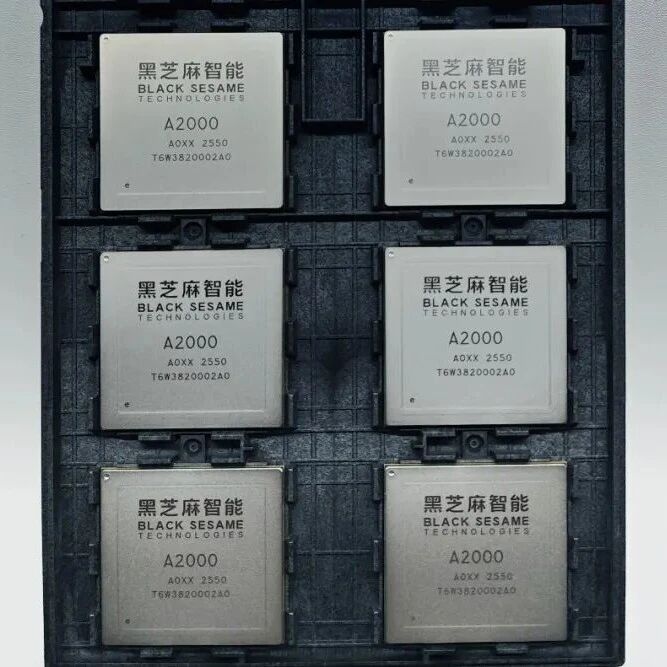
A2000芯片于2025年1月流片成功,因其超高性能而受到美方审查。经过近一年的技术澄清与沟通,最 终成功通过审批,黑芝麻智能也成为国内唯一通过此类审查的企业。 作为面向开放生态的高算力驾驶平台,A2000可支持车企及第三方进行自研方案的开发与部署。 黑芝麻 智能表示,将持续与产业伙伴深化合作,加速A2000在整车项目中的量产应用,共同推动智能驾驶技术 向更高阶、更普惠的方向发展。 转自:黑芝麻智能 声明:本文仅为信息交流之用,不构成任何投资建议,股市有风险,投资需谨慎。 1月4日,黑芝麻智能宣布,其高性能全场景智能驾驶芯片—— 华山A2000,已顺利通过美国商务部和国 防部的相关审查,获准在全球范围内销售与应用。 此举标志着A2000芯片正式进入规模化应用阶段,将 为高阶智能驾驶的商业化落地提供核心算力支持。 华山A2000芯片基于7nm先进工艺打造,集成高性能CPU、GPU、NPU及多种专用计算单元,实测性能 媲美当前全球顶尖的智驾芯片。 该芯片支持全FP16/FP8浮点及INT4/INT8/INT16等多种精度计算,并 搭配成熟的AI工具链BaRT,可实现从模型训练到部署的全流程高效开发。 加入"中国I ...

全球市占率超三成!国家级专精特新重点“小巨人”来改写衬底材料国际竞争格局
是说芯语· 2026-01-04 07:09
Core Viewpoint - Guangdong Zhongtu Semiconductor Technology Co., Ltd. (Zhongtu Technology) has officially received acceptance for its IPO application on the Sci-Tech Innovation Board, aiming to raise 1.05 billion yuan to enhance its core business and technology research, thereby solidifying its leading position in the global patterned substrate market [1]. Industry Overview - The patterned substrate materials industry is characterized by high technical barriers and market concentration, with Japan and the U.S. holding traditional advantages in sapphire and silicon carbide technologies, respectively. However, the rise of Mini/Micro LED and automotive electronics markets is reshaping the competitive landscape, favoring companies with innovative capabilities and large-scale production [3]. - Domestic companies, including Zhongtu Technology, have made significant breakthroughs in core technologies that were previously monopolized by a few countries, establishing a mature industrial path and gaining a crucial position in the global supply chain [3]. Company Positioning - Zhongtu Technology has established a leading market position with an annual production capacity of over 18 million pieces of 4-inch patterned substrates, holding approximately 32.76% of the global market share in 2023 [4]. - The company is one of the few globally capable of producing nano-level PSS and 8-inch patterned substrates, with its products widely used in new display technologies and automotive applications, successfully entering the supply chains of major global companies like Apple and Samsung [4][5]. Investment Plans - Zhongtu Technology plans to invest the 1.05 billion yuan raised from the IPO into three main projects: industrialization of Mini/Micro LED and automotive LED chip patterned substrates, establishment of a semiconductor substrate materials engineering research center, and supplementing working capital [5]. - The industrialization project aims to expand production capacity to meet the growing market demand, while the research center will enhance the company's technological capabilities and solidify its competitive edge [5]. Market Demand - The demand for patterned substrate materials is on the rise due to the rapid development of new display technologies and the electrification and intelligence trends in the automotive sector. Zhongtu Technology's IPO is expected to leverage capital market support for capacity expansion and technological upgrades, further enhancing its global competitiveness [6].
航天配套“老兵”冲刺A股!
是说芯语· 2026-01-04 04:54
Core Viewpoint - Qingdao Zhiten Technology Co., Ltd. has officially initiated its A-share IPO process, with Huatai Haitong as the advisory institution, focusing on the fields of thick-film hybrid integrated circuits and high-end sensors [1][2]. Company Overview - Zhiten Technology was established in August 2015, with a registered capital of 9.98 million yuan, and its controlling shareholder, Liu Jun, holds a 44.88% stake [2]. - The company specializes in providing full-chain services for thick-film hybrid integrated circuits and high-end sensors, including design, manufacturing, sales, and service, with a focus on acceleration sensors and high-reliability integrated circuits for military and industrial applications [2][3]. Core Business and Achievements - Zhiten Technology's core operating entity, Qingdao Zhiten Microelectronics Co., Ltd., has over 20 years of experience in military model support and specializes in hybrid integrated circuits, high-reliability sensors, and inertial systems [3]. - The company has supported over 200 launch missions for the Long March series of rockets and commercial space units, demonstrating product reliability [4]. - Zhiten Microelectronics has developed over 260 high-temperature series products for deep earth exploration, overcoming key technical challenges in high-temperature chip design and low-power, low-noise operations [4]. Production and R&D Capabilities - The company operates an independent industrial park with a research and production area of 20,000 square meters, equipped with over 2,000 sets of mid-to-high-end production and research equipment [5]. - It has established a comprehensive production and testing system, including specialized areas for microelectronics and sensor production, SMT automation, and automated testing [5]. Market Context and Future Prospects - The current push for a strong aerospace nation and the rapid growth of the commercial aerospace industry in China are driving demand for high-reliability supporting products [6]. - The advancement in deep earth exploration and national defense modernization is creating significant market opportunities for high-end sensors and integrated circuits [6]. - The IPO process is expected to help Zhiten Technology expand production capacity and increase R&D investment, thereby consolidating its core technological advantages [6].
突发!特朗普否决涉华芯片交易,解密对华遏制“组合拳”
是说芯语· 2026-01-03 10:21
Core Viewpoint - The article discusses the recent intervention by the Trump administration requiring the Chinese-controlled U.S. company HieFo to divest its semiconductor assets, highlighting a systematic trend of the U.S. and its allies to curb Chinese semiconductor enterprises' overseas expansion [1][8]. Group 1: HieFo Acquisition Background - HieFo acquired EMCORE's digital chip and related wafer design, manufacturing, and processing business for approximately $2.92 million on April 30, 2024, as EMCORE faced severe operational pressures due to continuous losses in 2023 [3]. - EMCORE's core products, which include critical components for the U.S. military, embedded the company deeply within the defense supply chain, setting the stage for potential U.S. government intervention [3]. Group 2: U.S. Government Intervention - The intervention was triggered by HieFo's ownership structure, with control held by a Chinese national who previously served as EMCORE's engineering vice president. The U.S. claimed that HieFo did not proactively report the acquisition to the Committee on Foreign Investment in the United States (CFIUS) [4]. - CFIUS utilized enhanced monitoring powers under the Foreign Investment Risk Review Modernization Act (FIRRMA) to initiate a review of the non-reported transaction, revealing the expanded authority of CFIUS to retroactively review completed transactions [4]. Group 3: Broader Implications and Patterns - The HieFo incident is part of a broader pattern of interventions, including the Netherlands' ASML semiconductor case and the UK's FTDI equity divestment, all of which share a common theme of using "national security" as a pretext without substantial evidence [5][6]. - These interventions target the semiconductor sector, aiming to block Chinese access to critical technologies and maintain Western technological dominance [6]. Group 4: Impact on Global Semiconductor Industry - The forced divestiture of HieFo's assets could disrupt global contracts and intellectual property, affecting technology development and production capacity [7]. - Similar actions in the ASML and FTDI cases have already led to significant disruptions in the global semiconductor supply chain, highlighting the potential for increased costs and inefficiencies across the industry [7]. Group 5: Conclusion on U.S. Strategy - The article concludes that the U.S. and its allies are employing overt technology protectionism under the guise of national security, aiming to stifle the development of China's semiconductor industry and preserve their technological hegemony [8][9]. - This trend poses risks for Chinese enterprises seeking overseas investments and could hinder global technological innovation and cooperation, ultimately harming collective interests [9].
估值超百亿,存储芯片“小巨人”冲刺港交所
是说芯语· 2026-01-03 02:00
Core Viewpoint - The article highlights the rapid growth and competitive positioning of Hongxin Yu Electronics, a leading independent memory manufacturer in China, emphasizing its financial performance, product offerings, and industry trends [2][5][13]. Market Positioning - Hongxin Yu Electronics has quickly risen to become the second-largest independent memory manufacturer in China, focusing on embedded storage, solid-state drives, DRAM, mobile storage, and storage particles [3]. - The company has established stable partnerships with major industry players such as Transsion, OPPO, Xiaomi, vivo, TCL, Baidu, and Beidou Zhiliang [3]. Financial Performance - In 2024, the global storage product market revenue reached $1.2 billion (approximately 8.7 billion RMB), making Hongxin Yu the fifth-largest globally and the second-largest in China [5]. - The company's revenue for 2023, 2024, and the first nine months of 2025 was 8.781 billion RMB, 8.718 billion RMB, and 7.744 billion RMB, respectively, with net profits transitioning from a loss of 117 million RMB in 2023 to a profit of 483 million RMB in 2024 [6]. R&D Strength - Hongxin Yu's R&D capability is a core competitive advantage, with 70% of its workforce dedicated to research and development, totaling 856 out of 1,200 employees [8]. - The company holds over 700 patents in the storage field, including 347 authorized patents, with a significant number being invention patents [8]. Product Matrix - The product line includes embedded storage, mobile storage, and integrated circuit controllers, with embedded storage being the largest revenue contributor, accounting for 46.2% of total revenue in the first nine months of 2025 [10]. - Sales figures for major products in the first nine months of 2025 include 4.184 billion GB of embedded storage, 0.853 billion GB of solid-state drives, 4.949 billion GB of DRAM, and 0.037 billion GB of mobile storage [10]. Industry Layout - Hongxin Yu is headquartered in Shenzhen and has expanded its office space to five floors, leveraging local policies to enhance collaboration with leading companies in the smart terminal industry [12]. - The company plans to launch high-performance products such as PCIe SSD Gen5X4/Gen6X4 and automotive-grade eMMC [12]. Industry Cycle - The semiconductor industry is entering a strong upward cycle driven by AI demand and supply structure optimization, with the global storage chip market expected to evolve into an AI-driven "super cycle" by 2025 [13]. - The market is anticipated to show strong price performance in the second half of 2025, with DRAM and embedded storage prices rising significantly [13].
美国半导体技术霸权的底层支撑与中国突围
是说芯语· 2026-01-03 00:52
Core Viewpoint - The article discusses the absolute monopoly of the United States in the semiconductor industry, highlighting the dominance in core technologies such as design tools, high-end IP cores, advanced architectures, key manufacturing equipment, and testing instruments. This monopoly creates significant barriers to entry and establishes a comprehensive technological hegemony that is difficult to challenge globally, while also leaving room for diversification and breakthroughs in specific fields, particularly in China's domestic semiconductor industry [1]. Group 1: Chip Design Tools (EDA) - The monopoly is held by Synopsys, Cadence, and Siemens EDA, which together account for over 95% of the global market share, providing a comprehensive toolchain for chip design [3]. - These tools are essential for advanced process nodes of 7nm and below, featuring capabilities such as lithography simulation and yield optimization, making them critical infrastructure for chip development [3]. - The high density of patent barriers and deep collaboration with leading foundries like TSMC and Samsung create strong user ecosystem stickiness, making it difficult for latecomers to replace these tools [3]. Group 2: High-Performance IP Cores and Architectures - The monopoly is dominated by X86 architecture (Intel, AMD), GPU architecture (NVIDIA, AMD), and AI acceleration IP (NVIDIA, Xilinx), with ARM's technology also heavily influenced by U.S. regulations [6]. - The X86 architecture leads in high-performance computing, while NVIDIA's CUDA architecture defines global AI computing standards, creating dual barriers of performance and ecosystem [6]. - Global chip design companies are highly dependent on U.S. IP, and the U.S. can restrict access to these IPs through licensing, directly impacting the design capabilities of other nations [6]. Group 3: Key Manufacturing Equipment - The monopoly is held by U.S. companies like Applied Materials, Lam Research, and KLA, which lead in critical equipment for etching, film deposition, and process inspection [9]. - These companies provide essential technologies for advanced processes, with high barriers to entry due to long R&D cycles and significant capital investment [9]. - The dependency of global foundries like TSMC and Samsung on U.S. equipment means that U.S. export controls can directly affect the expansion and technological upgrades of advanced manufacturing capacities [9]. Group 4: High-End Chip Design and Architecture Innovation - U.S. companies like NVIDIA, Qualcomm, AMD, and Apple dominate the global technology direction in AI chips, mobile terminal chips, and high-performance computing chips [12]. - Continuous high R&D investment (approximately 17.7% of semiconductor industry revenue) and strong ecosystem integration capabilities allow these companies to maintain significant advantages [12]. - The U.S. leads in defining the demand and technological evolution of high-end chips, influencing the global semiconductor supply chain [12]. Group 5: Semiconductor Testing and Packaging Technologies - The monopoly is held by U.S. companies like Teradyne and Cohu, which dominate the high-end chip testing equipment market [15]. - These companies provide comprehensive testing solutions that meet the high precision requirements of advanced process nodes [15]. - The global chip production's yield control and quality assurance are highly reliant on U.S. testing equipment, and export restrictions can impact production efficiency and quality stability [15]. Group 6: Core Materials Technology - U.S. companies like Dow Chemical, DuPont, and GlobalFoundries dominate the market for critical semiconductor materials such as photoresists and electronic specialty gases [18]. - The high purity and stability requirements for semiconductor materials create significant barriers for new entrants [18]. - Advanced process chip manufacturing relies over 80% on U.S. core materials, and U.S. export controls can directly affect global production capacities [18]. Group 7: Semiconductor Software and Ecosystem - U.S. companies like Microsoft, Google, and NVIDIA dominate the software ecosystem that supports chip applications [21]. - The NVIDIA CUDA ecosystem monopolizes AI training and inference software, with over 90% of AI developers using the CUDA platform [21]. - The strong network effects of these ecosystems create significant barriers for new entrants, making it difficult for other countries to commercialize breakthroughs in high-performance chip development [21]. Group 8: Industry Standard Setting Authority - The U.S. leads international standard organizations like IEEE and JEDEC, controlling the core industry standards for chip interfaces and performance specifications [24]. - The binding of industry standards with technology patents creates dual barriers that are difficult for non-U.S. companies to overcome [24]. - The U.S. can guide global semiconductor technology development through standard-setting, impacting the innovation paths of non-U.S. enterprises [24]. Group 9: High-End Semiconductor Products and Solutions - U.S. companies like NVIDIA, Intel, Qualcomm, and Micron hold a dominant share in the global high-end semiconductor product market [27]. - These companies have established significant performance advantages through long-term technological accumulation and deep integration with downstream manufacturers [27]. - The global technology industry is highly dependent on U.S. semiconductor products, and U.S. export controls can directly influence the development of global technology sectors [27].


港股GPU第一股,上市首日最高涨超117%
是说芯语· 2026-01-02 11:09
Core Viewpoint - Wallan Technology (06082.HK), known as the "first GPU stock in Hong Kong," debuted on the Hong Kong Stock Exchange on January 2, 2023, with a significant opening price increase of 82.14% from its issue price of HKD 19.6 to HKD 35.7, reaching a market capitalization of over HKD 900 billion at its peak [1][4]. Group 1: Company Overview - Wallan Technology is one of the major AI chip manufacturers in China, having globally issued approximately 285 million H-shares, raising a net amount of HKD 5.375 billion, primarily for R&D of intelligent computing solutions and general corporate purposes [4]. - The company has experienced continuous revenue growth over the past three years, with revenues of HKD 499,000, HKD 62.03 million, and HKD 337 million from 2022 to 2024, but has also faced significant losses of HKD 14.74 billion, HKD 17.44 billion, and HKD 15.38 billion during the same period, totaling HKD 47.5 billion in cumulative losses [4]. Group 2: Market Position - The market share of domestic GPU manufacturers, including Wallan Technology, remains low compared to overseas giants, with Nvidia and Huawei HiSilicon accounting for 94.4% of the Chinese intelligent computing chip market revenue in 2024 [5]. - Wallan Technology's market share in the Chinese intelligent computing chip market is projected to be 0.16% in 2024 and 0.19% in 2025, while its share in the general GPU market is expected to be 0.2% [5]. - The Chinese intelligent computing chip market is expected to see its share from domestic companies rise from approximately 20% in 2024 to about 60% by 2029, indicating potential growth opportunities for Wallan Technology and other players in the market [5].

黑芝麻智能战略收购亿智电子
是说芯语· 2026-01-02 07:31
Core Viewpoint - The acquisition of Yizhi Electronics by Hezhima Intelligent is a strategic move to enhance its capabilities in low-power, cost-effective AI SoC chips, thereby strengthening its overall layout in automotive-grade computing and edge intelligence solutions [1][2]. Group 1: Acquisition Details - Hezhima Intelligent announced a strategic acquisition of Yizhi Electronics for 400-550 million yuan, which includes equity transfer and capital increase [1]. - Post-transaction, Hezhima Intelligent will indirectly hold 60% of Yizhi Electronics' shares [1]. - Yizhi Electronics' core team has committed to achieving a cumulative revenue of no less than 1.2 billion yuan and a net profit of no less than 90 million yuan over three years starting from 2026, with corresponding incentive and constraint mechanisms in place [1]. Group 2: Strategic Implications - The acquisition is not only a significant product and technology enhancement but also a crucial step towards Hezhima Intelligent's goal of a "full range of AI chips + full scene solutions" [2]. - The collaboration aims to improve competitiveness in the AI chip sector and accelerate operational breakthroughs and sustainable growth [2].
国产半导体测试接口龙头冲刺科创板!沐曦股份、摩尔线程、壁仞科技、昆仑芯、海光信息都是客户
是说芯语· 2026-01-02 07:31
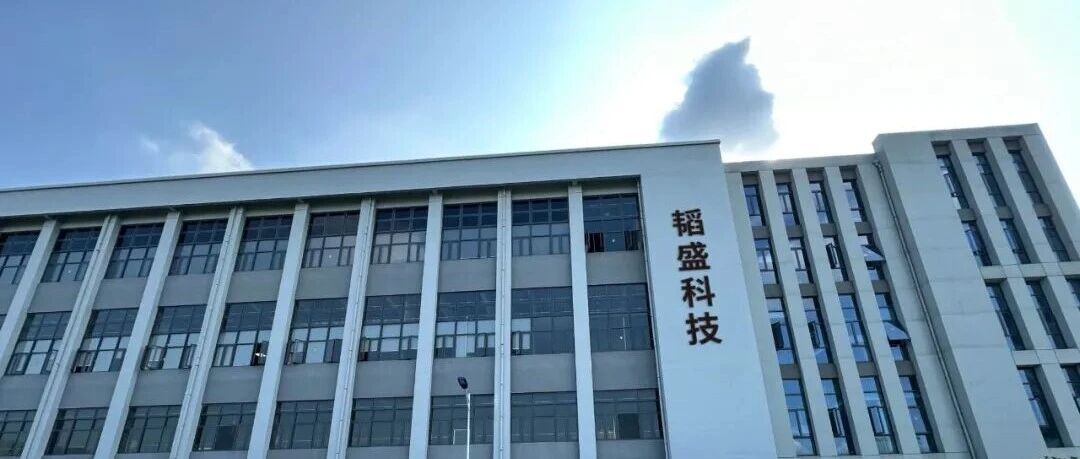
Core Viewpoint - Taosheng Technology is positioned as a leading domestic enterprise in semiconductor testing interfaces, aiming to leverage its IPO to enhance R&D investment and production capacity, thereby strengthening its core competitiveness in the semiconductor testing field [1][7]. Industry Overview - The semiconductor testing market in China reached 12 billion RMB in 2022 and is expected to exceed 20 billion RMB by 2025, with a compound annual growth rate (CAGR) of over 15%, indicating significant growth potential for domestic companies with core technologies [3]. Company Development - Established in 2007, Taosheng Technology has developed over 100 types of testing probes and more than 4,000 chip testing interface solutions, covering the entire process from chip design verification to mass production testing [3]. - The company ranks first in domestic revenue for chip testing interfaces and is positioned 11th globally, successfully entering a market traditionally dominated by foreign enterprises [3]. Product Expansion - Taosheng Technology is expanding into the MEMS probe card market, which is currently dominated by companies from the US, Italy, and Japan, presenting significant opportunities for domestic alternatives [5]. - The company has achieved independent production of MEMS probe cards and developed core technologies for multi-layer composite ceramic substrates, marking a breakthrough in the wafer testing core consumables sector [5]. Client Base - The company serves over 700 clients across various sectors, including AI, GPU, CPU, and automotive electronics, with notable clients such as Xiaomi, NIO, and Huida [5]. - This diverse client base not only validates the market acceptance of the company's products but also establishes a stable revenue support system for ongoing R&D and market expansion [5]. Future Prospects - The IPO is expected to facilitate Taosheng Technology's growth and contribute to the overall upgrade of the semiconductor industry in China, particularly in high-end testing areas [7].
突发!百度官宣:昆仑芯正式启动港股上市进程
是说芯语· 2026-01-02 00:59
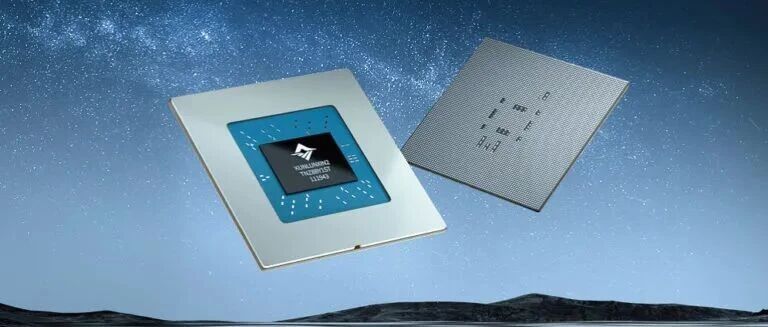
Core Viewpoint - Kunlun Core, a subsidiary of Baidu, is seeking to list on the Hong Kong Stock Exchange, with a recent valuation nearing $3 billion following a new funding round [2] Group 1: Company Overview - Kunlun Core was established from Baidu's AI chip and architecture department, with technology development dating back to 2011 [2] - The company launched its first AI chip, "Baidu Kunlun," in July 2018, marking its entry into the AI chip market [2] - The CEO, Ouyang Jian, has a strong background in chip architecture and has previously worked on various significant projects [2] Group 2: Product Development - Kunlun Core has developed two generations of general-purpose AI processors and several AI accelerator cards, with ongoing development of new products [4] - The company has successfully deployed three generations of products across various industries, serving hundreds of clients and reaching millions of end-users [6] Group 3: Financial Performance - The company is projected to generate approximately 2 billion RMB in revenue for 2024, with a net loss of around 200 million RMB [6] - By 2025, over half of the company's revenue is expected to come from external clients, with revenue anticipated to exceed 3.5 billion RMB and achieve breakeven [6] Group 4: Future Plans - Kunlun Core plans to launch the M100 chip in early 2026, optimized for large-scale inference scenarios, and the M300 chip in early 2027 for ultra-large-scale multi-modal model training and inference [7] - The company aims to provide powerful, low-cost, and self-controlled AI computing power for Chinese enterprises, highlighting its strategic position in ensuring domestic AI computing autonomy [7]