是说芯语

Search documents
A股半导体业绩狂飙,最高增幅近985%
是说芯语· 2026-01-30 00:42
截至目前,已有93家半导体企业披露业绩预告,整体增长态势凸显,其中 61家企业归母净利润预计增 长超20%,占比超六成,21家企业归母净利润预增幅度突破100% ,澜起科技、中微公司等龙头企业归 母净利润规模预计超20亿元,彰显行业整体韧性与活力。 93家披露预告的企业中,3家归母净利润增幅预计超500%,其中 赛微电子 以932%至985%的同比增幅暂 列榜首,公司预计2025年实现净利润14.14亿元-15.04亿元,较上年同期的亏损1.7亿元实现扭亏为盈。 不过需注意的是,赛微电子的利润增长主要依赖非经常性损益,其出售原全资子公司Silex Microsystems AB控股权带动业绩大增,扣非后净利润仍亏损3.03亿元至3.91亿元,亏损额度较上年进一步扩大。剔除 非经常性损益影响后, 臻镭科技 成为半导体"预增王",公司专注于终端射频前端芯片、高密度封装微 波模组和微系统,受益于国内特种行业周期回暖及卫星通信领域机遇,预计2025年归母净利润1.23亿 元-1.45亿元,同比增长529.64%-642.26%,扣非净利润更是同比激增3678.27%至4332.00%,核心业务增 长动力强劲。 细分领 ...


突发!马斯克直言:特斯拉必须建内存厂,TerraFab扛起芯片自主大旗
是说芯语· 2026-01-30 00:42
美东时间1月28日,特斯拉2025年第四季度财报电话会议上,CEO埃隆·马斯克将核心议题锁定 芯片自主化,明确芯片(尤其内存芯片)是未来增长的核心 瓶颈,官宣兆级晶圆厂(TerraFab)建设、自研AI5/AI6芯片等重磅规划 ,同步披露2026年大额资本支出与配套产能布局,彰显其摆脱供应链束缚、支撑 AI与机器人业务的战略决心。 亮眼财报为芯片战略提供坚实支撑:特斯拉Q4营收249亿美元、调整后EPS 0.50美元,均超市场预期;汽车业务毛利率升至17.9%,现金及投资超440亿美 元,充足的资金储备成为芯片自主化与产能扩张的重要保障,也印证了其加大核心领域投入的可行性。 马斯克在会议中直言,随着Cybercab自动驾驶出租车(4月量产)、Optimus人形机器人(目标年产能100万台)推进,特斯拉对AI芯片、内存芯片的需求 呈爆发式增长,仅Optimus年产能达100万台时,年芯片需求就将达60亿美元。而当前全球高端芯片(含内存芯片)产能高度依赖台积电、三星、美光等外 部厂商,不仅存在产能分配优先级不足的问题,更面临地缘政治引发的供应链中断风险,现有供应链已无法匹配其长期发展目标,内存芯片的供应短缺更 是 ...


昂瑞微的“反常规”成绩单:虽亏损但为何更具长期价值?
是说芯语· 2026-01-29 23:34
近日,昂瑞微披露2025年年度业绩预告,预计亏损超1亿元,且亏损幅度较上年进一步扩大。 一时间,"行业寒冬"、"经营承压"的议论此起彼伏。我们拨开亏损数字的表象, 尝试 深入剖析业绩背后的逻辑便会发现,这份成绩单的背后,彰显出公 司在行业低谷期难得的战略定力。 | 亏损背后 当前,射频芯片行业确实面临阶段性压力。消费电子市场需求疲软,手机出货量下滑带动库存去化,上游芯片企业普遍面临经营挑战,即便行业龙头亦未 能幸免,这是整个射频芯片领域共同遭遇的行业性难题。 公告中明确: 昂瑞微积极应对,策略上颇具差异化。它并未选择在竞争激烈的红海市场中参与价格内卷,争夺持续萎缩的市场份额,而是做出了一项审 慎且具前瞻性的决策:主动剥离一批盈利能力弱、发展潜力有限的低毛利项目。 这如同企业在行业淡季的战略"瘦身",摒弃非核心业务的资源消耗,将有限的资金与研发力量,集中投向核心竞争力强、符合未来发展趋势的重点业务, 为后续的高质量发展轻装上阵。 因此,本次亏损的部分成因,是公司主动清理低效业务、优化资源配置的结果,本质上是为长期发展夯实基础。 | 核心底气 在多数企业受消费电子市场波动影响而焦虑之际,昂瑞微凭借多元化的业务布局 ...

电子元器件,涨声一片!
是说芯语· 2026-01-29 06:47
Price Increases in Semiconductor and Electronic Components Industry - Resonac announced a price increase of 30% for copper-clad laminates and adhesive films starting March 1, 2026, due to tight supply and rising costs of raw materials and labor [3] - Nanya Plastics will raise prices for all CCL products and PP by 8% starting November 20, 2025, citing increases in international copper prices and raw material costs [7] - TrendForce predicts that the average capacity utilization rate of global 8-inch wafer foundries will rise to 85%-90% in 2026, leading to price increases of 5%-20% for wafer foundry services across the board [8] - TSMC plans to increase prices for advanced technology nodes (5nm, 4nm, 3nm, 2nm) by 8%-10%, with a 50% increase for 2nm wafers starting in 2026 [10] - SMIC has implemented a price increase of approximately 10% for certain capacities [11] - Several packaging and testing companies have begun raising prices, with increases nearing 30% due to high demand and full capacity utilization [13] Memory Chip Price Increases - Samsung has raised NAND flash prices by over 100% and plans to increase server DRAM prices by 60%-70% in Q1 2026 [15] - SK Hynix is also raising server DRAM prices by 60%-70% and has negotiated significant price increases for LPDDR memory used in iPhones, approaching 100% [16] - Micron has announced a general price increase of approximately 20% across its product lines [17] - NAND flash wafer prices increased by over 10% in December 2025, with SSD prices rising by 15%-20% [24] Passive Components Price Adjustments - Various passive component manufacturers, including Yageo and Panasonic, have announced price increases for capacitors and resistors ranging from 8% to 30% [26][31] - ROHM Semiconductor has raised prices for thick film resistors by 8%-20% [38] - Multiple manufacturers are adjusting prices due to rising raw material costs and supply chain pressures [47] Power Devices and Other Electronics - Huazhong Microelectronics confirmed price increases for certain IGBT products due to rising copper and raw material costs [48] - Several semiconductor companies, including Jiangxi Tianyi and Wuxi Zongxiang Technology, have raised prices for specific products by 10%-20% [82][83] CPU and GPU Price Trends - AMD and Intel are planning to increase server CPU prices by up to 15% due to high demand from large enterprises [62] - NVIDIA and AMD are expected to raise GPU prices in early 2026, with multiple price adjustments anticipated throughout the year [79]


追平英伟达 H20!阿里真武 810E 芯片亮王牌
是说芯语· 2026-01-29 02:29
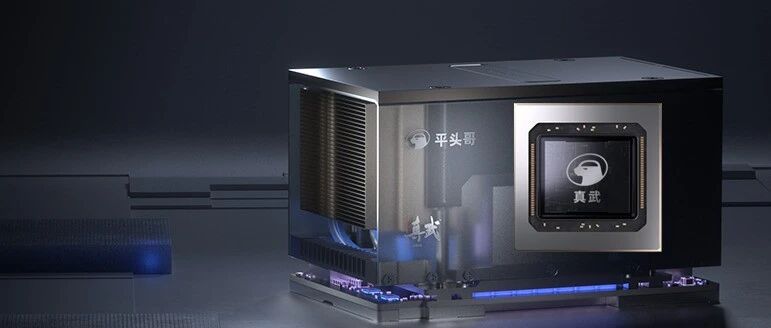
Core Viewpoint - Alibaba's semiconductor subsidiary, Pingtouge, has officially launched the high-end AI training and inference chip, Zhenwu 810E, marking a significant step in its AI chip strategy [1][3]. Group 1: Product Launch and Applications - The Zhenwu 810E chip has been deployed in multiple large-scale clusters on Alibaba Cloud, serving over 400 government and enterprise clients across various sectors, including energy, research, automotive, and internet [3]. - The chip is part of Alibaba's AI ecosystem, "Tongyun Ge," which integrates chip development, cloud services, and model algorithms, creating a comprehensive AI solution [3][4]. Group 2: Technical Specifications - Zhenwu 810E features a self-developed parallel computing architecture and ICN interconnect technology, equipped with 96GB HBM2e memory and a high interconnect bandwidth of 700GB/s [4]. - The chip's performance surpasses Nvidia's A800 and is on par with Nvidia's H20, with reports indicating that its upgraded version outperforms Nvidia's A100 [4]. Group 3: Core Advantages - The chip boasts six core advantages: fully self-developed architecture, high-performance computing power, strong interconnect capabilities, high usability, large-scale validation, and synergy between chip and cloud [5]. - Pingtouge's self-developed ICN technology is crucial for supporting large model training and inference, enabling efficient multi-card collaboration [5]. Group 4: Application Scenarios - Zhenwu 810E supports various application scenarios, including over 50 common models in autonomous driving, high-performance training capabilities, and optimization for large model inference [6]. - The chip has shown outstanding performance in multi-modal applications, providing cost-effective computing support for diverse scenarios [6]. Group 5: Strategic Development - Since the establishment of Alibaba Cloud in 2009 and Pingtouge in 2018, Alibaba has invested 17 years in strategic integration to complete the "Tongyun Ge" AI ecosystem [7]. - Pingtouge aims to innovate chip infrastructure for the AI era, focusing on data center chips and IoT chip development to support the digital and intelligent transformation [7].

豪威集团 5000 万美元押注 AI 芯片!
是说芯语· 2026-01-29 00:57
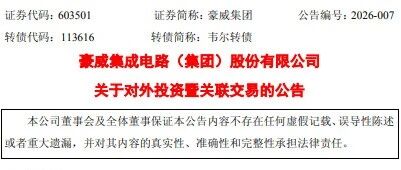
Core Viewpoint - The investment by Haowei Group in Aixin Yuanzhi Semiconductor is a strategic move to enhance collaboration in AI chips and smart automotive sectors, highlighting the importance of their relationship and potential synergies [1][3]. Investment Details - Haowei Group's wholly-owned subsidiary, Weier Semiconductor Hong Kong, plans to invest up to $50 million in Aixin Yuanzhi's IPO on the Hong Kong Stock Exchange [1]. - The investment aims to deepen strategic collaboration, leveraging Aixin Yuanzhi's core technologies in visual terminals, edge inference, and smart automotive fields [3]. - The shareholding ratio will be determined based on Aixin Yuanzhi's market value at the time of issuance, with the investment amount excluding various transaction fees [3]. Strategic Collaboration - The core purpose of the investment is to promote deep strategic cooperation in key areas such as automotive intelligent driving and edge AI [3]. - Aixin Yuanzhi is recognized as a leading supplier in the AI inference system chip sector, focusing on high-performance platforms for edge computing and terminal AI applications [4]. - Aixin Yuanzhi has developed five generations of SoC products and ranks first in global shipments of mid-to-high-end visual edge AI inference chips, indicating strong market competitiveness [4]. Financial Implications - The transaction will be classified as a financial investment in Haowei Group's financial statements, measured at fair value with changes recorded in current profits and losses [7]. - The investment is expected to enhance capital efficiency without significantly impacting the company's daily operations or performance [7]. - The pricing of the transaction adheres to market fairness principles, ensuring no harm to the interests of the company or minority shareholders [7]. Future Outlook - This investment is a significant step for Haowei Group in the semiconductor industry, aiming to capture opportunities in the rapidly growing fields of AI and smart automotive [8]. - The ongoing IPO process of Aixin Yuanzhi and the implementation of their collaborative efforts will be closely monitored by the industry [8].

一边狂赚一边裁员,ASML 这波操作有点迷
是说芯语· 2026-01-29 00:57
2026年1月28日,光刻机巨头ASML同步披露两项关键动态:一是 2025年第四季度及全年财报创下历史新高 ,二是 宣布裁员1700人(占员工 总数3.8%) ,这也是其自2010年开启长期扩张以来规模最大的一次裁员。在AI驱动半导体行业持续高景气的背景下,这份"业绩飘红+大规模 裁员"的反差组合,迅速引发市场广泛关注。 这一裁员决定已引发内部波动,多位伴随公司成长的资深被裁员工表达了震惊与寒心,相关情绪也蔓延至在职员工群体,引发对职业稳定性的 担忧。值得注意的是,ASML的裁员并非业务收缩信号,反而呈现"减员与增聘并行"的特点——在剥离管理岗冗余的同时,公司计划在制造、 客户支持等核心业务领域补充人员,还规划建设新园区,以应对持续增长的市场需求。猜测这种操作的核心是优化人员结构,将资源集中投向 直接创造价值的核心业务环节。 ASML的业绩增长,核心得益于AI浪潮带来的需求红利 。公司明确表示,全球科技巨头加码数据中心建设,直接推动先进制程芯片产能扩 张,逻辑芯片和存储芯片客户均在加速产能规划,为光刻机需求提供了强劲支撑。巴克莱证券预测,仅SK海力士一家,2026年就将采购12台 EUV光刻机,为ASML贡 ...


突发!最大规模裁员!
是说芯语· 2026-01-28 13:46
1月28日消息,光刻机巨头ASML宣布将裁员1700人,占员工总数的3.8%! 这次裁员是ASML在2010年长期扩张后最大的一次裁员。 据ASML最新财报显示,公司2025年第四季度订单远超超市场预期。财报显示,第四季度订单额达132 亿欧元,其中EUV订单74亿欧元,订单积压规模达388亿欧元。此外,第四季度净销售额达97亿欧元创 纪录新高,其中包含两台High NA系统的收入确认。公司2025年全年净销售额达327亿欧元,净利润96 亿欧元,均创历史新高。 值得注意的是,2025年第四季度ASML新售出的光刻系统为94台,二手光刻系统为8台,全年新光刻系 统为300台,二手光刻系统为27台。相比于2024年380台新光刻系统,38台二手光刻系统,出现了下滑。 是说芯语原创,欢迎关注分享 合作洽谈,进入公众号:服务—>商务合作 阿斯麦首席执行官Christophe Fouquet表示,客户近月来对中期市场形势的评估明显转向积极,主要基于 对AI相关需求可持续性的更强预期。2026 年将是阿斯麦公司的又一个增长之年。 ASML首席财务官罗杰表示,公司收到反馈,指出其组织架构过于复杂,导致员工在流程协调上耗费 ...

8.5亿!泰凌微并购磐启微
是说芯语· 2026-01-28 09:57
Core Viewpoint - The acquisition of 100% equity of Panqiwei by Tailinwei for 850 million yuan aims to enhance Tailinwei's competitive edge in the low-power wireless IoT chip market through technology and business integration [1][9]. Group 1: Acquisition Details - Tailinwei plans to acquire Panqiwei through a combination of share issuance and cash payment, valued at 850 million yuan, and will simultaneously raise supporting funds [1]. - Post-acquisition, Panqiwei will become a wholly-owned subsidiary of Tailinwei, and this transaction does not constitute a major asset restructuring [1]. Group 2: Market Position and Technology - In the global low-power wireless IoT chip market, international leaders dominate due to their first-mover advantage, while domestic companies like Tailinwei have made significant progress but still lag in revenue scale and product ecosystem [3]. - Tailinwei, established in 2010, has positioned itself among the global top tier in short-range wireless communication chips, with over 40% of its revenue coming from overseas markets [3]. - The company’s product range includes low-power Bluetooth, dual-mode Bluetooth, Zigbee, Matter, and WiFi, with applications in various sectors such as smart homes and industrial systems [3]. Group 3: Panqiwei's Strengths - Panqiwei, founded in 2011, has been recognized as a national-level "little giant" enterprise, focusing on differentiated technology in short-range wireless communication chips [5]. - Its core products emphasize BLE and 2.4G proprietary protocols, achieving significant cost advantages and lower power consumption compared to mainstream products [5]. Group 4: Strategic Benefits of the Acquisition - The merger is expected to enhance Tailinwei's overall competitiveness by integrating Panqiwei's low-power technology, which can optimize Tailinwei's main products and address industry challenges related to power consumption in edge AI chips [7]. - The acquisition will also fill Tailinwei's gap in wide-area wireless communication, leveraging Panqiwei's expertise in Sub-1G and 5G-A passive cellular IoT technologies [7]. Group 5: Financial Implications - The acquisition may have a short-term negative impact on Tailinwei's profitability, but it is expected to significantly enhance long-term growth potential [8]. - Financial data indicates that Tailinwei's revenue is projected to increase post-acquisition, while Panqiwei's revenue has stabilized between 90 million to 120 million yuan, with a trend of narrowing losses [8]. - Panqiwei has committed to achieving a cumulative net profit of no less than 114 million yuan from 2026 to 2028, providing a safeguard for long-term profitability growth [8]. Group 6: Industry Impact - This acquisition is not only a strategic move for Tailinwei but also a significant step in strengthening the domestic IoT chip industry, potentially narrowing the gap with international competitors [9].


豪掷 20 亿!押注南通,猛攻光刻胶!
是说芯语· 2026-01-28 06:59
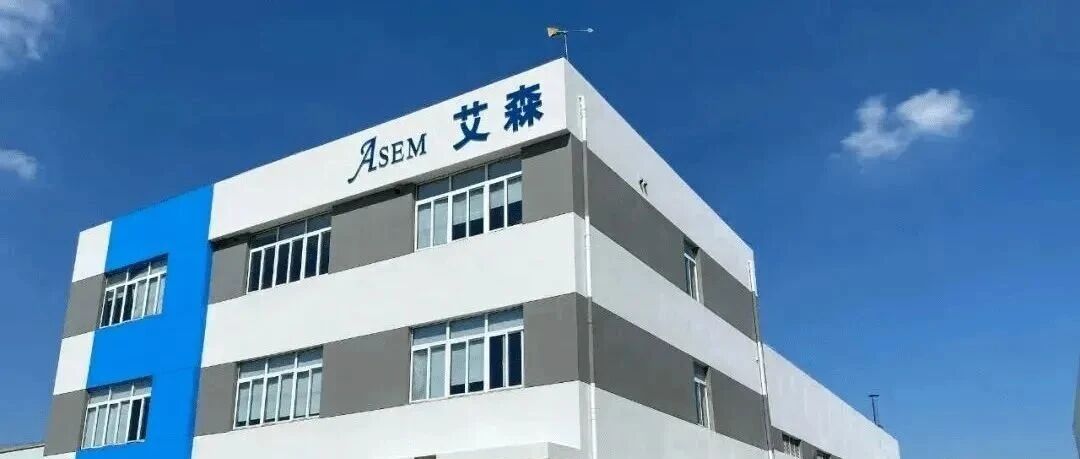
Core Viewpoint - The company, Aisen Co., has announced the establishment of a wholly-owned subsidiary in Nantong Economic and Technological Development Zone to invest in a semiconductor materials manufacturing base, with a total investment of 2 billion yuan [1]. Group 1: Project Overview - The project will cover an area of approximately 159 acres and aims to build a production line with an annual output of 23,000 tons of semiconductor materials [1]. - The project will be implemented in two phases, with the first phase expected to commence production in 2028 and the second phase in 2030, reaching full production by 2035 [1][3]. - The planned products include key materials such as photoresists, plating solutions, and high-purity reagents, which will significantly enhance the company's production capacity and market position [1][4]. Group 2: Market Position and Financial Performance - Aisen Co. anticipates achieving an operating income of approximately 594 million yuan in 2025, representing a year-on-year growth of 37.54%, and a net profit attributable to shareholders of about 50.46 million yuan, up 50.74% year-on-year [4]. - The company is benefiting from the recovery of the semiconductor industry driven by emerging technologies such as 5G, AI, and IoT, leading to increased demand for chips [4]. - The company has established itself as a leader in the production of advanced packaging photoresists and plating solutions, entering the supply chains of major clients like Longji Technology and BOE [6]. Group 3: Strategic Advantages - The establishment of the Nantong manufacturing base will create synergies with the subsidiary's existing projects, enhancing the supply chain stability and reducing procurement costs [6]. - The integration of upstream and downstream operations will facilitate rapid technological iterations and improve customer attraction through one-stop material solutions [6].