Robot猎场备忘录

Search documents
特斯拉Optimus两则利好,产业链上市公司迎催化!
Robot猎场备忘录· 2025-10-14 16:10
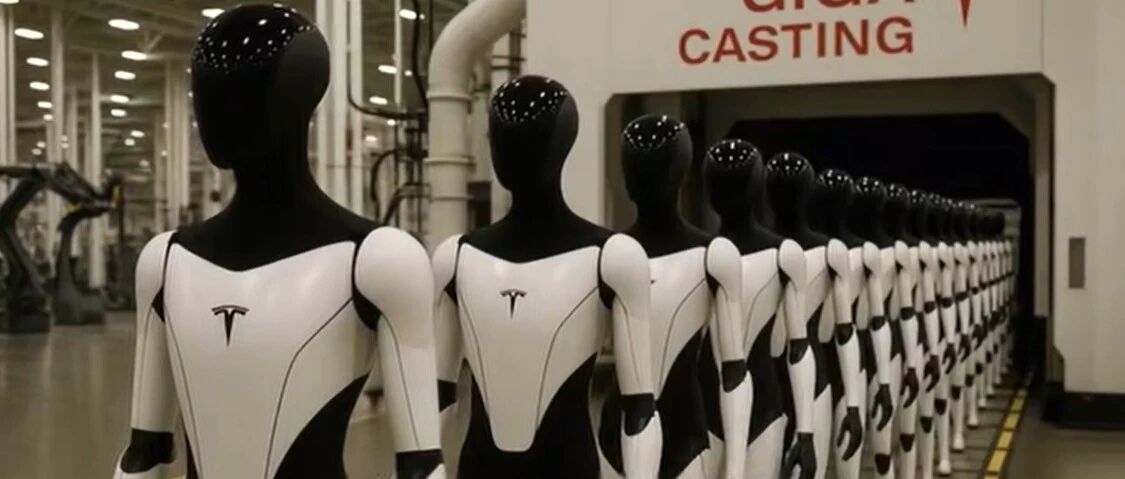
温馨提示 : 点击下方图片,查看运营团队最新原创报告(共235页) 说明: 欢迎约稿、刊例合作、行业交流 , 行业交流记得先加入 "机器人头条"知识星球 ,后添加( 微信号:lietou100w )微 信; 若有侵权、改稿请联系编辑运营(微信:li_sir_2020); 正文: 10月份,特斯拉Optimus首个利好小作文来了! 10月, 特斯拉Optimus 利空小作文+关税风波,T链齐跌,机器人板块迎本年最差 月度 开局! 小编往期文章 澄清!特斯拉Optimus两则假利空 有详细梳理两则特斯拉Optimus"假"利空小作文,最主要的一条 是来自于 The Information发布的特斯拉Optimus量产搁置利空小作文 ;该资讯被 各头部科技媒体和权威媒体转 发,随着利空持续发酵,上周两个交易日,T链跌幅严重;同时在关税风波影响下,机器人板块无视大A修复走 势,成为10月13日走势最差板块之一。 伴随"假"利空消息发散和关税风波缓和,特斯拉Optimus利好消息也在周一盘后开始发酵。 10月13日,多消息渠道均传闻, T链[新剑CD] 拿到了特斯拉灵巧手订单,量级在1000台或以上;最值得注意的 点是 ...


3亿元融资后,“追觅系”具身智能机器人创企再获2亿元融资!
Robot猎场备忘录· 2025-10-14 00:05
Core Insights - The article discusses the recent funding rounds of JoyIn, a company focused on embodied intelligent robots, highlighting its successful completion of a 200 million yuan angel round financing led by Zhongding Capital, with continued support from IDG Capital [3][4] - JoyIn has completed three rounds of angel financing in 2025, totaling approximately 500 million yuan, indicating strong investor interest in the embodied intelligence sector [4] - The company aims to accelerate the mass production of consumer-grade embodied intelligent products by investing in core components, robot body and motion control technology, and consciousness bionic model iterations [3][4] Financing and Investment - JoyIn completed a 200 million yuan angel++ round financing on September 28, 2025, led by Zhongding Capital, with IDG Capital as a continuing investor [3] - The total financing amount for JoyIn in 2025 reached approximately 500 million yuan, with previous rounds including a round led by Jinqiu Fund in May 2025 and another round in January 2025 led by IDG Capital [4] - The company has been recognized as a model for capital-backed startups in the embodied intelligence sector, achieving a post-investment valuation increase from 500 million yuan to 600 million yuan due to multiple investment offers [4] Product Development and Strategy - JoyIn, founded by former executive Guo Renjie of Chasing Technology, focuses on developing household general-purpose small embodied robots, aiming to create a new generation of mobile hardware terminals in the "robot + AI era" [4][7] - The company has developed two product platforms targeting indoor and "indoor + outdoor" family scenarios, including a 60 cm tall small embodied intelligent robot (Z-Bot) and a track-based outdoor robot (W-Bot) [7][9] - JoyIn's W-Bot has already attracted interest from various industries, including retail, education, real estate, and pets, with initial market validation achieved through a successful auction on JD.com [11] Competitive Landscape - The article notes that JoyIn is not the only company in the embodied intelligence sector; VITA Power, founded by former members of Horizon Robotics, is also gaining traction with similar product paths and commercial strategies [13][15] - VITA Power has completed three rounds of financing totaling 300 million yuan, with a focus on developing outdoor and indoor intelligent robots, indicating a competitive environment in the consumer-grade robot market [16][20] - The article highlights the trend of major automotive and tech companies entering the embodied intelligence sector, creating a crowded landscape with significant investment and innovation potential [22][23]

特斯拉、Figure AI、赛力斯、智元等,产业链上市公司周速递
Robot猎场备忘录· 2025-10-12 16:32
Core Insights - The article discusses the recent performance of the robotics sector, particularly focusing on the impact of Tesla's Optimus robot and the associated supply chains [2][3][6] - It highlights the mixed market reactions to perceived negative news regarding Tesla's production plans for the Optimus robot, which were later clarified as misleading [3][6] - The article emphasizes the importance of upcoming events in Q4 that could significantly influence the robotics market, including Tesla's performance and product developments [7][8] Summary by Sections Market Performance - The robotics sector experienced a downturn in early October, with significant differentiation among key stocks, particularly within the T-chain supply chain [3][6] - Despite a generally positive market for A-shares, the robotics sector faced declines, with some T-chain stocks seeing substantial drops while others, identified as potential beneficiaries, performed well [3][4] Supply Chain Insights - The article identifies four core supply chains in humanoid robotics: T-chain, H-chain, Yushun chain, and Zhiyuan chain, with T-chain being particularly affected by recent news [2][3] - Key companies within the T-chain, such as RY and JL, have shown positive performance, indicating potential investment opportunities [3][4] Upcoming Catalysts - Q4 is expected to be critical for the robotics sector, with numerous catalysts including factory audits, the finalization of Optimus Gen3, and key earnings calls [7][8] - The article notes that several companies, including Yushun and Zhiyuan, have significant positive developments that could impact their stock performance [8] Company Developments - The article mentions strategic partnerships and product launches, such as Figure AI's new humanoid robot, which could serve as positive catalysts for the sector [4][7] - A detailed list of nearly 70 companies involved in the Tesla Optimus supply chain is provided, highlighting their roles and relevance to the industry [8]
澄清!特斯拉Optimus两则假利空
Robot猎场备忘录· 2025-10-11 16:07
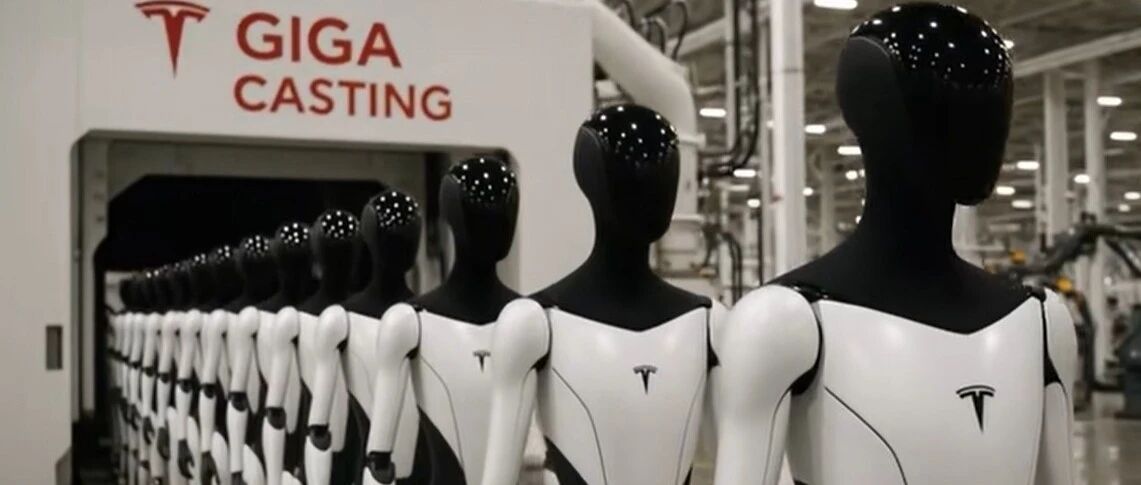
正文: 温馨提示 : 点击下方图片,查看运营团队最新原创报告(共235页) 说明: 欢迎约稿、刊例合作、行业交流 , 行业交流记得先加入 "机器人头条"知识星球 ,后添加( 微信号:lietou100w )微 信; 若有侵权、改稿请联系编辑运营(微信:li_sir_2020); 二级市场远比一级市场热闹,10月开局,特斯拉Optimus利空小作文持续发酵,利空掩盖利好,T链齐跌! 小编在10月9日就发布文章 澄清!「特斯拉」已放弃今年数千台Optimus生产计划 , 提到关于 知名付费科技媒 体The Information于10月8日发布的关于特斯拉Optimus量产的假利空资讯,并在文章中进行阐述该报道的不真 实性。 小编: 其实该资讯内容是7月前的旧闻,属于旧闻新发,2025年Optimus减产已是行业内共识;7月27日,马斯 克在加州举办的"X Takeover"活动中就有详细说明,表示:目前Optimus Gen3设计已适配量产,与Optimus Gen2几乎完全不同,进行了大量重新设计;我们面临选择:是生产数千台Gen2机器人,还是暂停并专注于更优 的Gen3?我认为Gen 3是正确选择,也许年底 ...
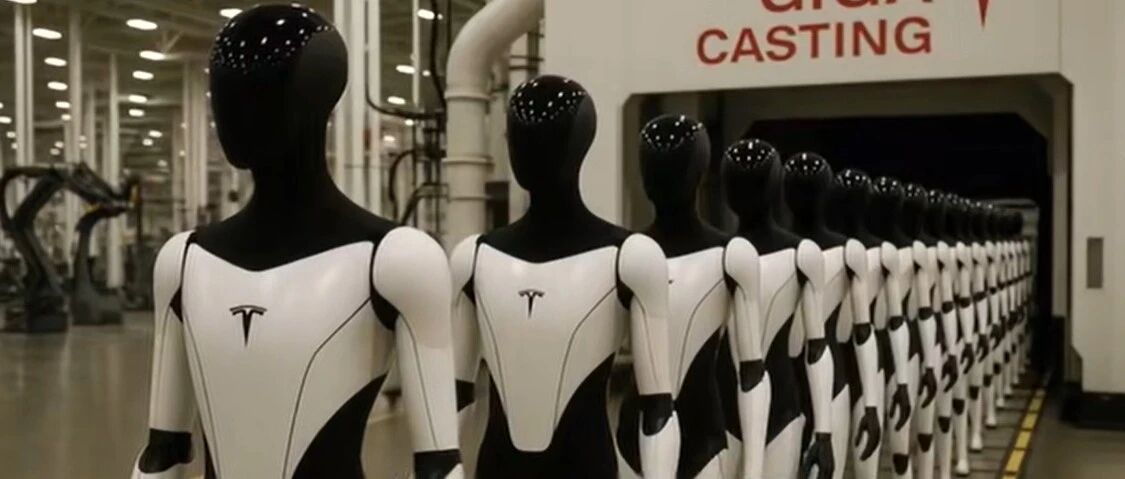
Figure 03惊艳发布,但二级市场并不买单
Robot猎场备忘录· 2025-10-11 00:02
Core Viewpoint - The article discusses the recent release of Figure 03, a humanoid robot by Figure AI, highlighting its potential in the market despite a lack of immediate positive response from the secondary market. It draws parallels with Tesla's situation and emphasizes the challenges and opportunities in the humanoid robot sector [2][22]. Summary by Sections Figure 03 Release - Figure 03 is designed for Helix, home use, and global scalability, showcasing significant advancements over its predecessor, Figure 02 [2][4]. - The robot features a new perception component and hand system, enhancing its operational capabilities [4]. Key Features - The robot's design includes a flexible fabric outer layer, wireless charging support, and improved battery safety, making it more suitable for home environments [4][15]. - It is engineered for mass production, with a complete supply chain established, aiming for an initial production of 12,000 units per year and a total of 100,000 units over four years [4][17]. Technological Advancements - The new visual system allows for higher frame rates and reduced latency, enhancing the robot's responsiveness [5]. - It can process and learn from large data sets, enabling continuous improvement through a 10 Gbps data offloading capability [7][8]. Market Context - The humanoid robot industry is characterized by long cycles and vast potential, with challenges in mass production and effective application in real-world scenarios [22]. - The article notes that many companies in the sector have yet to establish a true competitive moat, particularly regarding the development of the robot's "brain" [22]. Industry Insights - The article mentions that the humanoid robot market is seeing increased interest from various sectors, including automotive and technology companies, indicating a potential growth phase [24][25]. - It highlights the importance of strategic partnerships and revenue generation for startups in the humanoid robot space [22].

澄清!「特斯拉」已放弃今年数千台Optimus生产计划
Robot猎场备忘录· 2025-10-09 16:07
温馨提示 : 点击下方图片,查看运营团队最新原创报告(共235页) 说明: 欢迎约稿、刊例合作、行业交流 , 行业交流记得先加入 "机器人头条"知识星球 ,后添加( 微信号:lietou100w )微 信; 若有侵权、改稿请联系编辑运营(微信:li_sir_2020); 正文: 四季度是特斯拉及Optimus今年最关键的一个季度,催化事件极多:审厂、Optimus Gen3将迎来终稿、10月业 绩交流会、11月股东大会等等 ;若本季度Gen3进展顺利,T链们及整个机器人板块将迎来持续迎来不错行情;若 不如预期,则势必会遭到重创,人形机器人赛道也会迎来一段时间寒冬。 整体而言,整个三季度都在为四季度Optimus Gen3亮相与量产做铺垫,马斯克也频繁为Optimus造势。 9月27日,马斯克更是在X平台发布推文: "Tesla is working hard on scaling Optimus"(特斯拉正全力以赴扩 大Optimus生产规模) —— 二级市场远比一级市场热闹,10月份,特斯拉Optimus首个利空小作文来了! 小编 9月产业链汇总文章 特斯拉、Meta、宇树、智元、优必选等,产业链上市公司9 ...
特斯拉、宇树、Figure AI、优必选等,产业链上市公司双节速递
Robot猎场备忘录· 2025-10-09 00:02
温馨提示 : 点击下方图片,查看运营团队最新原创报告(共235页) 说明: 欢迎约稿、刊例合作、行业交流 , 行业交流记得先加入 "机器人头条"知识星球 ,后添加( 微信号:lietou100w )微 信; 若有侵权、改稿请联系编辑运营(微信:li_sir_2020); 正文: 双节期间,国内外头部人形机器人创企利好催化事件一般! 特斯拉9月股价涨幅超33%,单月涨幅程度位列今年最佳,股价迎今年新高,T链们率先受益; 小编9月产业链速 递文章 特斯拉、Meta、宇树、智元、优必选等,产业链上市公司9月速递 中提到,在特斯拉Optimus诸多利好 事件催化下,机器人板块在9月迎来三季度最好行情,诸多T链们迎来本季度单月最大涨幅且屡创新高(如TP、 SH、XQ、ZJRT、JS等等) 。 同时,全球人形机器人第一股[优必选科技] 9月 股价涨幅更是超61%,迎上市以来真正意义上单月最好行情。 双节期间,整体利好催化一般,特斯拉及港股产业链公司走势一般,节后二级市场机器人板块难迎开门红。 特斯拉: 二级市场层面: 10月1日(北美时间):特斯拉股价大涨3.31%,刷新年度新高,结果2日、3日连续大跌,其中 2日股价跌 ...
特斯拉Optimus、Figure AI持续利好,产业链上市公司迎催化!
Robot猎场备忘录· 2025-10-07 23:38
Core Viewpoint - The article highlights the positive momentum in the humanoid robot sector, particularly driven by Tesla's Optimus and Figure AI, suggesting that domestic companies in the supply chain are likely to experience a catalyst post-holiday season [2][6]. Market Performance - During the holiday period, Tesla's stock saw significant fluctuations, with a peak increase of 3.31% on October 1, followed by a drop of 5.11% on October 2, before rebounding again on October 6 [3]. - Tesla's stock price in September increased by over 33%, marking the best monthly performance of the year and reaching a new high [2]. Key Events and Developments - On October 4, Elon Musk released a new video showcasing the Optimus robot, emphasizing its AI capabilities rather than remote control [3]. - The fourth quarter is deemed critical for Tesla and Optimus, with numerous upcoming events such as factory audits, the finalization of Optimus Gen3, and shareholder meetings, which could significantly impact the stock performance of related companies [6]. Industry Insights - The article lists nearly 70 companies in the Tesla Optimus supply chain, categorized into T1, T2, and potential T-chain companies, indicating a robust ecosystem supporting the humanoid robot initiative [6]. - Specific companies mentioned include Top Group, Sanhua Intelligent Control, and others, highlighting their roles as key suppliers in the production of components for humanoid robots [6]. Future Catalysts - Other potential catalysts in the fourth quarter include the IPO of Yushun Technology and developments from companies like ZhiYuan and Xiaopeng, which are also making strides in the humanoid robot space [8]. - The article suggests that the humanoid robot sector may see a significant surge in activity and investment, contingent on the successful rollout of Tesla's Optimus Gen3 and other related advancements [9].
特斯拉、Meta、宇树、智元、优必选等,产业链上市公司9月速递
Robot猎场备忘录· 2025-10-06 16:08
Core Viewpoint - The secondary market for embodied intelligent robots is significantly more active than the primary market, with T-chains being the main focus. The market has seen a strong performance in September, driven by positive developments surrounding Tesla's Optimus robot, leading to substantial gains for various T-chain stocks [2][3]. Market Performance - The robot sector experienced its best performance in the third quarter, with T-chains achieving their largest monthly gains and setting new highs. Tesla's Optimus was the standout theme in September, preparing for mass production in the fourth quarter and next year, benefiting upstream suppliers [2][3]. - The market has been characterized by volatility, with weekly fluctuations resembling a "roller coaster" due to mixed signals and news, necessitating careful analysis and information integration [2][3]. Key Catalysts - Significant events in September included the IPO progress of Yushun Technology, acquisitions by Zhiyuan Robotics, and the entry of major players like Figure AI and Meta into the market. These developments indicate a growing interest and investment in the humanoid robot sector [3][4]. - The commercial phase of humanoid robots is still in its early stages, with many companies in the research and development phase, leading to speculative trading in the secondary market [3]. Company Highlights - Zhiyuan Robotics has gained attention for its acquisition of Shangwei New Materials, which has led to a significant increase in stock value. The company has opened financing channels in the secondary market despite denying plans for a backdoor listing [4]. - Yushun Technology announced its IPO plans and is expected to submit its application to the stock exchange between October and December 2025, with a valuation projected to exceed 100 billion yuan [5]. Tesla Optimus Developments - Tesla's Optimus has been a major catalyst for the market, with various T-chain companies reporting optimistic order forecasts and collaboration details with Tesla. The release of Tesla's "Master Plan Part IV" highlighted the strategic importance of AI and humanoid robots to the company's future [6][8]. - Throughout September, multiple positive developments related to Tesla and Optimus contributed to stock price increases, including significant orders and optimistic production forecasts from suppliers [10][14]. Industry Outlook - The humanoid robot sector is poised for potential explosive growth in the fourth quarter, with ongoing developments and increasing interest from various stakeholders in the industry [15].
单月股价涨幅超33%,特斯拉Optimus助力产业链上市公司“齐飞”!
Robot猎场备忘录· 2025-10-05 16:08
温馨提示 : 点击下方图片,查看运营团队最新原创报告(共235页) 说明: 欢迎约稿、刊例合作、行业交流 , 行业交流记得先加入 "机器人头条"知识星球 ,后添加( 微信号:lietou100w )微信; 若有侵权、改稿请联系编辑运营(微信:li_sir_2020); —— 正文: 单月( 9月 )股价涨幅超33%,[特斯拉]迎2025年单月最好行情,T链们率先受益! 伴随特斯拉及Optimus诸多利好事件催化下诸多利好事件催化下,特斯拉9月股价涨幅超33% (9月开盘328.23美元,收盘价为444.72美元) ,单月涨幅程度位列今年最佳, 股价迎来今年新高。 小编往期文章已多次提到人形机器人四大核心供应链:T链、H链、 宇树链和 智元链,其中对二级市场机器人板块影响最大当属于特斯拉Optimus; 小编上篇文章 特斯 拉、Meta、宇树、智元、优必选等,产业链上市公司9月速递 中提到,9月特斯拉Optimus的主题 是 量产前奏 ,为四季度第三代Optimus定型及下一年量产做准备,马 斯克也频繁为Optimus造势,最终 在特斯拉Optimus诸多利好事件催化下,机器人板块在9月迎来三季度最好行情,诸多 ...