GXED(600617)

Search documents
中国新能源汽车跑出“加速度” 汽车产业活力持续释放
Yang Shi Wang· 2025-07-10 12:06
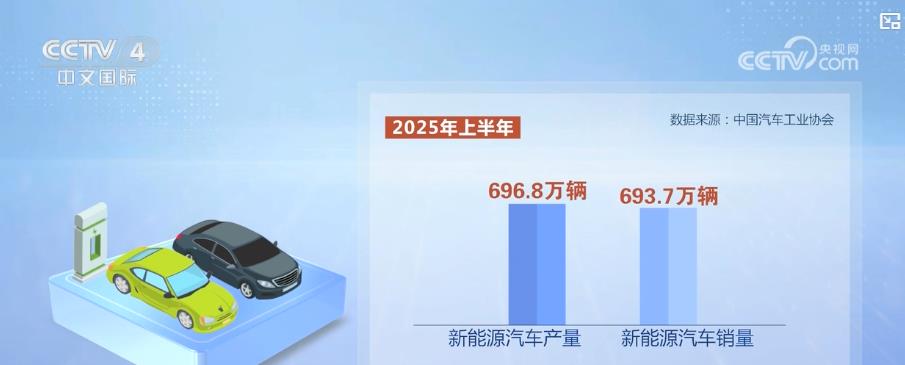
Core Insights - The Chinese automotive industry has shown robust growth in the first half of the year, with both production and sales exceeding 15 million units for the first time, reflecting a double-digit year-on-year increase [1][4] - The new energy vehicle (NEV) sector has experienced significant acceleration, with NEV sales accounting for 44.3% of total new car sales [2][4] Production and Sales Data - In the first half of the year, China's automotive production reached 15.62 million units, while sales totaled 15.65 million units, marking year-on-year increases of 12.5% and 11.4% respectively [4] - NEV production and sales were 6.968 million and 6.937 million units, with year-on-year growth rates of 41.4% and 40.3% respectively [4] Export Performance - Automotive exports continued to grow, with 3.083 million units exported from January to June, representing a year-on-year increase of 10.4% [5] - NEV exports surged to 1.06 million units, showing a remarkable year-on-year growth of 75.2% [5] Technological Advancements - Significant breakthroughs in technology have been achieved, including BYD's release of the Super e-platform, which boasts the fastest mass production charging speed globally [8] - The launch of BYD's "Shenzhen" ship, one of the world's largest and most environmentally friendly car carriers, facilitated the transport of over 6,800 NEVs to Europe [8] Regional Development - Anhui province has emerged as a leader in automotive and NEV production, with innovative "smart manufacturing" models enhancing efficiency [11] - The province's automotive industry benefits from high levels of automation, with 941 automated assembly units achieving 100% automation [12] Strategic Focus - Chinese automotive companies are encouraged to enhance their "hard power" in technological innovation while also focusing on differentiated product offerings to remain competitive [15]


【中国那些事儿】欧洲积极推动绿色转型 中国新能源企业能发挥重要作用
Sou Hu Cai Jing· 2025-07-10 04:11
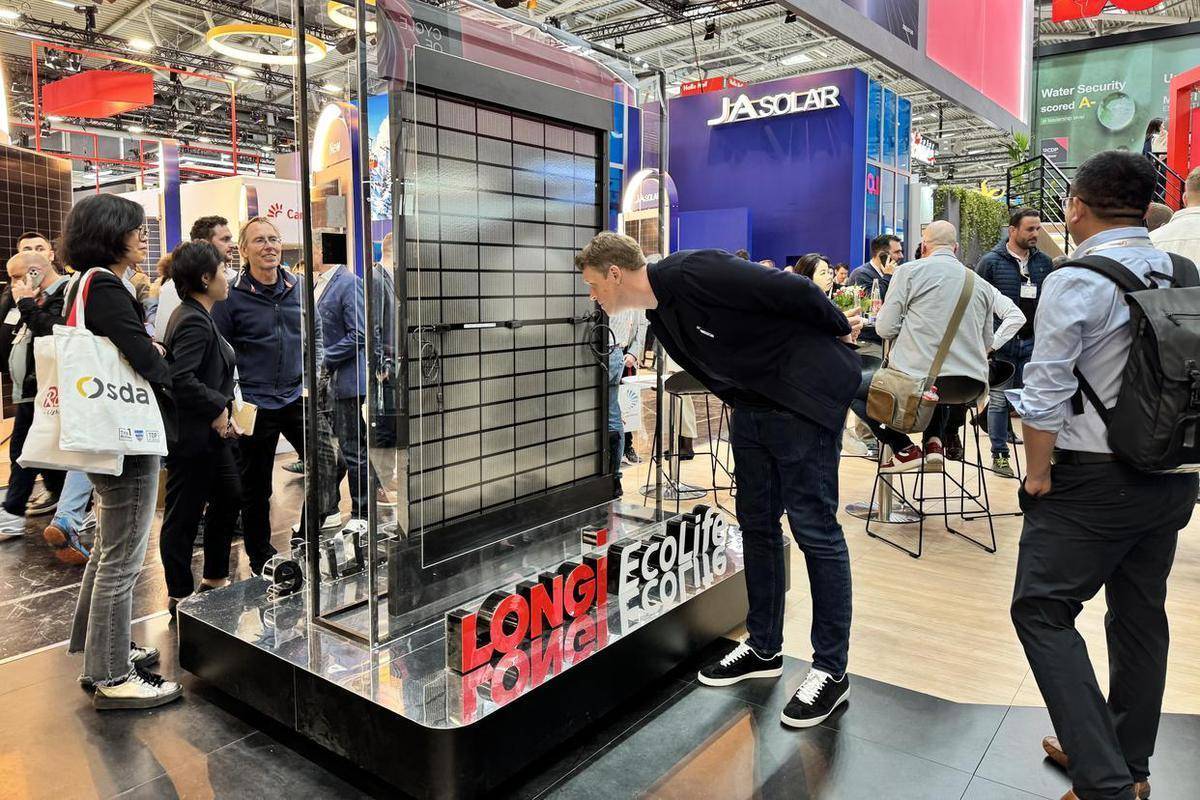
Core Insights - The European Union is actively promoting energy transition to reduce dependence on imported traditional fuels and aims to increase the share of renewable energy in final energy consumption from 32% to 42.5% [1] - China's renewable energy companies have become indispensable partners in Europe's energy transition, providing high-quality solutions and expertise in fields like photovoltaics [1] Group 1 - China has made significant advancements in energy technology over the past 15 years, leading in solar panels, wind turbines, electric vehicles, and battery technology [3] - TotalEnergies has heavily procured Chinese-made solar panels and deployed Chinese wind turbines in its global projects [3] - At the 2025 European International Solar Energy Exhibition, Chinese companies received widespread acclaim for their cutting-edge products and system integration capabilities [3] Group 2 - In 2024, China's photovoltaic module exports are projected to reach 235.93 GW, a 13% increase year-on-year, with China accounting for 55% of the global new installed capacity [3][4] - Chinese enterprises are deepening cooperation with European companies by establishing local production facilities, enhancing ties between Chinese and European industries [4] - Local collaborations in Central and Eastern Europe have led to the development of several sustainable energy projects, including Croatia's largest photovoltaic project [4] Group 3 - Approximately 85% of solar panels in the Portuguese market are manufactured in China, with products receiving top quality certifications [4] - The CEO of the Portuguese Renewable Energy Association emphasized that achieving Portugal's 2030 solar installation goals heavily relies on Chinese expertise [4][5] - Strengthening cooperation with China is deemed crucial for European countries to meet their energy targets [5]
汽车早餐 | 工信部开通重点车企践行账期承诺线上问题反映窗口;2024年全国新能源汽车保有量比“十三五”末增长5倍多
Zhong Guo Qi Che Bao Wang· 2025-07-10 01:17
Group 1: Domestic News - By 2024, the number of new energy vehicles in China is expected to reach 31.4 million, a more than fivefold increase from 4.92 million at the end of the 13th Five-Year Plan [2] - The Consumer Price Index (CPI) in June rose by 0.1%, marking a turnaround after four consecutive months of decline, primarily due to a recovery in industrial consumer goods prices [3] - The Ministry of Industry and Information Technology has launched an online platform to address payment issues faced by small and medium-sized enterprises with major automotive companies [4] - By the end of 2024, the total number of charging infrastructure units in China is projected to reach 12.818 million, supporting the widespread adoption of new energy vehicles [5] - NIO has completed the construction of a battery swap network along major highways, connecting 550 cities in China, alleviating concerns about charging for users [14] Group 2: International News - Ford Motor Company is set to receive production tax credits for its $3 billion electric vehicle battery plant in Michigan, which is currently 60% complete [6] - Japanese Prime Minister Shigeru Ishiba stated that American cars struggle to gain market share in Japan, emphasizing the need for discussions on improving product quality to meet local standards [8] - Daimler Truck plans to cut approximately 5,000 jobs in Germany by 2030 to reduce recurring costs by over 1 billion euros [8] - BYD's "Shenzhen" cargo ship successfully transported 6,817 new energy vehicles to Europe, marking a significant milestone for the company [10] - Huawei's executive announced that the new "Hongmeng Intelligent Driving" vehicle logo will feature a hexagonal design, indicating a focus on branding in the automotive sector [11] - Avita Technology has signed a general agency agreement with Egypt's Kasrawy Group, expanding its market presence in Africa [13]

国家发展改革委:2024年全国新能源汽车保有量比“十三五”末增长5倍多
news flash· 2025-07-09 03:12
Core Viewpoint - The National Development and Reform Commission (NDRC) projects that by 2024, the number of electric vehicles in China will reach 31.4 million, representing a more than fivefold increase from 4.92 million at the end of the 13th Five-Year Plan period [1] Industry Summary - The electric vehicle ownership in China is expected to grow significantly, indicating a strong shift towards sustainable transportation solutions [1] - The growth forecast reflects the government's commitment to high-quality completion of the 14th Five-Year Plan, emphasizing the importance of the new energy vehicle sector in national development [1]
特朗普签署“大而美”法案,美社会贫富分化加剧,中国新能源获益
Sou Hu Cai Jing· 2025-07-08 09:16
Core Points - The article discusses the implications of Trump's recently signed "Big and Beautiful" bill, which has sparked significant public protests and criticism regarding its impact on income inequality and economic policies [3][6][10] - The bill is criticized for exacerbating wealth disparity, with the top 10% of earners benefiting significantly while the bottom 10% face substantial losses [10][12] Economic Impact - The "Big and Beautiful" bill includes a corporate tax cut of 14 percentage points and a personal income tax reduction of only 2.6%, alongside cuts to social welfare programs [10][12] - The Congressional Budget Office (CBO) estimates that the lowest income households will lose approximately 10,000 RMB annually, while the top earners will gain up to 12,000 USD, highlighting the widening wealth gap [10][12] Public Response - Protests erupted on July 4th, traditionally a day of independence, as citizens expressed dissatisfaction with Trump's policies, particularly regarding poverty and economic inequality [6][8] - The protests reflect a broader discontent with the current administration's handling of economic issues, leading to calls for change [6][8] International Relations and Technology - The article warns that Trump's policies may inadvertently support China's rise, particularly in renewable energy and technology sectors, as the U.S. lags behind in these areas [12][14] - Concerns are raised about the restrictions on the battery industry and U.S.-China cooperation, which could hinder American companies' innovation and competitiveness [14][16] Notable Figures - Thomas Friedman criticizes Trump's approach, suggesting it fails to recognize the future trends in global technology and energy, potentially allowing China to take the lead [12][16] - Elon Musk is mentioned as a prominent critic of the bill, although he has not taken significant action against it despite previous conflicts with Trump [16]

刘世锦:中国新能源产业发展要保持速度,深化改革创新应对挑战
Zheng Quan Shi Bao Wang· 2025-07-08 07:06
Group 1 - The core viewpoint emphasizes that China's energy transition is at a critical juncture, and the development of the renewable energy industry must continue without regression, addressing challenges through further reform and innovation [1][2] - The perspective on green low-carbon industry development has shifted from viewing environmental protection and economic growth as conflicting to seeing them as mutually supportive and synergistic [1] - Recent years have seen green low-carbon investment become a significant part of China's overall investment landscape, with advancements in green technology opening new industrial avenues and driving production and consumption [1] Group 2 - Green transition is viewed as an unavoidable choice for human society, and the direction of this transition cannot change; significant investments have been made in human, material, and financial resources to lower the costs of key green technologies [2] - There is a need for the green low-carbon industry to maintain a moderately rapid growth rate, with suggestions to raise the original renewable energy growth targets [2] - The design and construction of a new power system is seen as a crucial path to address challenges in renewable energy development, requiring substantial technological innovation and reforms in management and regulatory systems [2]
动力电池双雄争霸:宁德时代与中创新航引领中国新能源产业崛起
Sou Hu Cai Jing· 2025-07-05 02:17
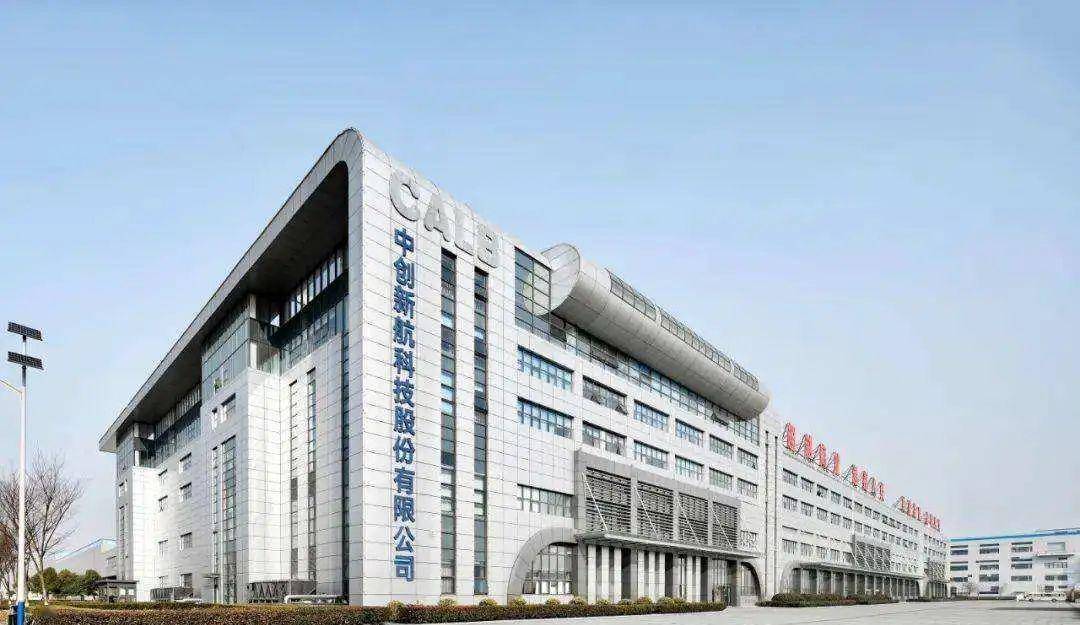
Core Insights - The competition between CATL and Zhongchuang Innovation is a significant battle for technological dominance and market position in the global power battery industry [1][7] - CATL holds a 36.8% global market share, while Zhongchuang Innovation has rapidly risen from ninth in 2018 to third in 2021, aiming to enter the top four global suppliers by 2024 [1][2] Patent Disputes - The patent battle is central to the competition, with CATL initiating a lawsuit in July 2021 against Zhongchuang Innovation for infringing five patents, seeking 647 million yuan in damages [2] - Zhongchuang Innovation successfully invalidated some of CATL's patents, leading to a counter-suit in October 2024, claiming infringement of four patents and seeking 1.007 billion yuan in damages [2] Product and Market Strategies - Zhongchuang Innovation shifted its product focus from lithium iron phosphate to high-voltage ternary lithium batteries to align with market demands [4] - The company has successfully penetrated the passenger vehicle market and attracted key clients like GAC Aion, significantly increasing its market share [4] - Zhongchuang Innovation adopted a pricing strategy below CATL's average battery prices, which contributed to its rapid market expansion and improved profitability, with a gross margin of 15.6% in the first half of 2024, up 6 percentage points year-on-year [4] CATL's Response - CATL remains proactive, investing 13.07 billion yuan in R&D in the first three quarters of 2024 to maintain its technological edge [4] - The company has also engaged in multiple lawsuits to protect its intellectual property against various competitors, showcasing its strong IP strategy [4] Market Dynamics - Despite CATL's profit growth, its revenue has declined year-on-year, and it faces pressure on production capacity utilization [5] - In contrast, Zhongchuang Innovation has reported strong performance in the passenger vehicle market and made strides in energy storage and marine electrification, securing international orders [5] Industry Implications - The rivalry between CATL and Zhongchuang Innovation reflects the overall rise of China's power battery industry, driving technological advancements, cost reductions, and expanding application scenarios [7] - Their competition contributes to China's strong position in the global green energy revolution, enhancing the country's influence in the battery market [7]

美国新能源厂商:欧洲同行都觉得,未来十年谁将主导全球AI已无悬念,不会是美国
Guan Cha Zhe Wang· 2025-07-04 12:20
Group 1 - The "big and beautiful" tax and spending bill pushed by the Trump administration has resulted in the elimination of hundreds of billions in federal clean energy subsidies, with clean energy tax incentives set to be phased out by the end of 2027 [1][10] - The passage of this bill unexpectedly benefits China's AI industry, as U.S. tech companies struggle to secure sufficient electricity to power their high-energy AI data centers [1][3] - The current dominance in AI is increasingly tied to electricity availability, with a developer noting that European peers believe the leading superpower in the next decade is already clear [1][7] Group 2 - Solar and wind power are the fastest-growing electricity sources in the U.S., accounting for 80% of new grid capacity, but the Republican-led Congress is stifling clean energy development [3][5] - A model constructed by energy economists indicates that the new bill will significantly reduce the scale of new electricity generation in the U.S., while China accelerates its lead [3][5] - Data shows that in the first five months of 2025, China's new installed capacity for wind and solar is over four times that of the total new energy capacity in the U.S. for 2024 [3][5] Group 3 - The bill is projected to lead to a loss of 344 gigawatts of new electricity generation over the next decade, equivalent to nearly half of U.S. household electricity demand [5][6] - The cancellation of clean energy tax incentives is expected to raise development costs, potentially jeopardizing the feasibility of wind and solar projects [6][10] - The U.S. clean energy sector is facing a potential "devastating" impact, with concerns that the revival of the solar industry may come to a halt, allowing China to dominate solar panel production [10] Group 4 - The U.S. needs to add electricity generation capacity equivalent to the combined total of California, Texas, and New York by 2035 to meet the demands of AI and other industries [8] - There are concerns that placing critical AI infrastructure in geopolitically unstable regions is not in the U.S. national interest [8] - The clean energy industry is calling for consistent energy policies to avoid investment uncertainty, as many companies feel disheartened by the abrupt policy shifts [8]
国新能源(600617) - 山西省国新能源股份有限公司关于公司及下属公司收到政府补助的公告
2025-07-04 08:45
公司根据《企业会计准则第16号——政府补助》的相关规定,将上述获得的政府补助 资金认定为与收益相关的政府补助,将直接计入损益,对公司2025年度的利润总额产生积 极影响。上述政府补助未经审计,具体的会计处理以及对公司当年损益的影响,最终以审 计机构年度审计确认的结果为准,敬请广大投资者注意投资风险。 特此公告。 证券代码:600617 900913 证券简称:国新能源 国新 B 股 公告编号:2025-019 山西省国新能源股份有限公司 关于公司及下属公司收到政府补助的公告 本公司董事会及全体董事保证本公告内容不存在任何虚假记载、误导性陈述或者重大 遗漏,并对其内容的真实性、准确性和完整性承担法律责任。 一、获得补助的基本情况 山西省国新能源股份有限公司(以下简称"公司")及下属公司山西华新液化天然气 集团有限公司于2025年7月3日分别收到与收益相关的政府补助人民币4,458.00万元、 2,317.72万元,合计6,775.72万元,占公司2024年度经审计归属于上市公司股东净利润的 19.95%。 二、补助的类型及其对上市公司的影响 山西省国新能源股份有限公司 董事会 2025 年 7 月 4 日 1 ...
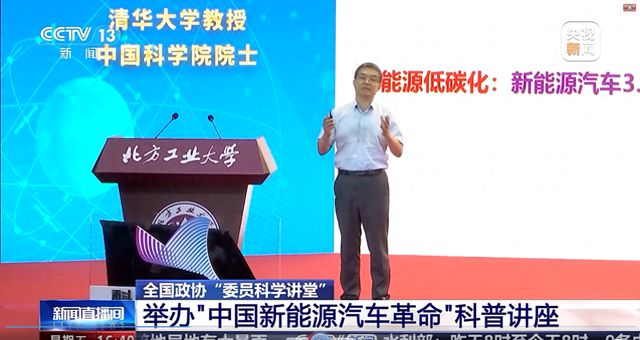
欧阳明高解析中国新能源汽车发展:从电动化、智能化到低碳化的未来之路
Huan Qiu Wang Zi Xun· 2025-07-03 05:41
Core Insights - The lecture by Ouyang Minggao focused on the revolution of China's new energy vehicles, discussing the transition from policy-driven to technology-led development in the industry [3][4]. Group 1: Electric Vehicle Development - Ouyang highlighted three stages of development: the electric vehicle era, the intelligent electric vehicle era, and the new energy intelligent electric vehicle era, emphasizing the importance of power battery technology as the core of success in China's new energy vehicles [3][4]. - The lecture detailed the technical principles and application scenarios of power electrification, vehicle intelligence, and low-carbon energy development, along with the future trends in these areas [3][4]. Group 2: Battery Technology - The presentation included an in-depth analysis of lithium battery structures and the electrochemical processes involved, addressing safety design challenges and innovations in solid-state battery technology, particularly the sulfide solid electrolyte route [3][4]. - Ouyang noted that existing new energy passenger vehicles reduce carbon emissions by approximately 15 million tons annually compared to traditional fuel vehicles, which is significant for achieving carbon neutrality goals [6]. Group 3: Intelligent Driving - The discussion on intelligent driving indicated that it has entered a popularization phase, becoming a key consideration for consumers when purchasing vehicles [4]. - Ouyang analyzed the evolution of intelligent driving technology, the performance advantages and limitations of various sensors, and the need for improved safety regulations and standards in China [4]. Group 4: Future Energy Trends - Ouyang projected that breakthroughs in energy storage, hydrogen energy, and intelligent technologies will lead to a new energy 3.0 era, where new energy becomes the mainstay of energy consumption [6]. - He mentioned that perovskite solar cells are driving a new wave of technological change in solar energy, with conversion efficiencies exceeding 40%, which could significantly enhance the energy efficiency of electric vehicles [6]. Group 5: Industry Interaction - The event attracted over 700 participants from various sectors, fostering discussions on battery safety, heavy-duty vehicle battery swapping, and talent cultivation in the industry [8]. - Ouyang encouraged interdisciplinary research and emphasized the importance of perseverance in foundational research and scientific exploration [8].