
GXED(600617)

Search documents
工信部:2025年我国新能源汽车废旧动力电池综合利用量超过40万吨 同比增长32.9%
Jing Ji Guan Cha Wang· 2026-01-16 06:48
Core Viewpoint - The Ministry of Industry and Information Technology (MIIT) of China introduced interim measures for the recycling and comprehensive utilization of used power batteries from new energy vehicles, highlighting significant growth in battery recycling by 2025 [1] Group 1: Policy Announcement - MIIT held a press conference to discuss the interim measures for the recycling and comprehensive utilization of used power batteries [1] - The measures aim to enhance the management and efficiency of battery recycling in the new energy vehicle sector [1] Group 2: Industry Projections - By 2025, the comprehensive utilization of used power batteries in China is expected to exceed 400,000 tons, representing a year-on-year growth of 32.9% [1] - Major enterprises are achieving metal recovery rates for lithium, cobalt, and nickel that are at the forefront of international standards [1]

从两个“百万”看中国新能源汽车产业量质齐升
Zhong Guo Zhi Liang Xin Wen Wang· 2026-01-15 09:20
Group 1 - The core message highlights the significant milestones achieved by Chinese electric vehicle manufacturers, with NIO producing its one-millionth vehicle, symbolizing a dual breakthrough in scale and brand for the industry [1] - The emergence of new energy vehicle companies like NIO, Li Auto, and Xpeng has redefined the automotive industry in China, moving away from traditional fuel vehicles to electric and intelligent models, thus reshaping business models and user relationships [2] - The collaboration between Huawei and JAC Motors to create the high-end vehicle, the Zunji S800, signifies a shift in the automotive industry towards high-end pricing and advanced technology integration, marking a new phase in China's automotive evolution [2] Group 2 - Data from the China Association of Automobile Manufacturers indicates strong performance in the new energy vehicle sector, with production and sales reaching 14.907 million and 14.78 million units respectively from January to November 2025, reflecting year-on-year growth of 31.4% and 31.2% [3] - The Chinese new energy vehicle industry is transitioning from survival to value creation, indicating a maturation phase as brands aim for global competitiveness [3]




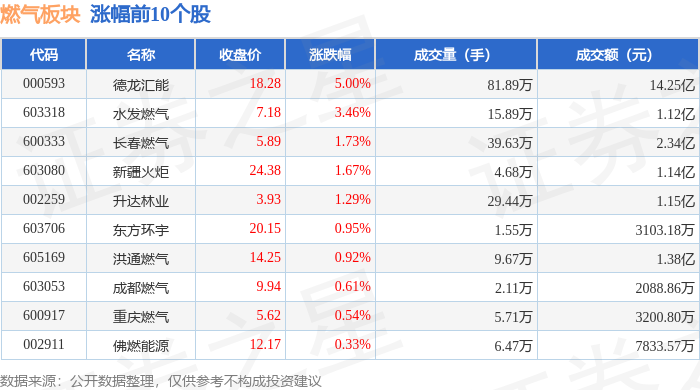
燃气板块1月15日跌1.24%,胜通能源领跌,主力资金净流出3.42亿元
Zheng Xing Xing Ye Ri Bao· 2026-01-15 08:58
Core Viewpoint - The gas sector experienced a decline of 1.24% on January 15, with Shengtong Energy leading the drop, while the Shanghai Composite Index fell by 0.33% and the Shenzhen Component Index rose by 0.41% [1] Group 1: Market Performance - The gas sector's individual stock performance showed mixed results, with notable gainers including Delong Huineng (up 5.00% to 18.28) and Shuifa Gas (up 3.46% to 7.18) [1] - Conversely, significant decliners included Gantong Energy (down 10.01% to 52.43) and Jiufeng Energy (down 5.37% to 45.10) [2] Group 2: Trading Volume and Value - The trading volume for Delong Huineng reached 819,000 shares with a transaction value of 142.5 million yuan, while Shuifa Gas had a trading volume of 158,900 shares and a transaction value of 112 million yuan [1] - Gantong Energy had a trading volume of 111,200 shares and a transaction value of 601 million yuan, indicating significant market activity despite the price drop [2] Group 3: Capital Flow - The gas sector saw a net outflow of 342 million yuan from main funds, while retail investors contributed a net inflow of 324 million yuan [2] - Notable stocks like Shengda Forestry experienced a net inflow of 16.09 million yuan from main funds, while it faced a net outflow of 11.13 million yuan from retail investors [3]


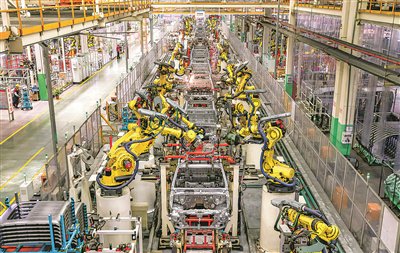
研判2026!中国新能源汽车核心电力传输零部件行业政策、产业链、市场规模、细分格局、竞争格局及发展趋势:市场迎来快速发展,国内企业迅速崛起[图]
Chan Ye Xin Xi Wang· 2026-01-15 01:59
Core Insights - The core components of new energy vehicles (NEVs) include batteries, motors, and electric control systems, with key power transmission components forming a critical part of the vehicle's "three electric systems" [1][2] - The rapid development of NEVs is closely linked to technological advancements in key components, particularly power transmission parts, which play an irreplaceable role in the value chain of NEVs [1][2] - The market for core power transmission components in NEVs is expected to grow significantly, reaching 39.1 billion yuan in 2024, with projections of exceeding 50 billion yuan in 2025 and potentially reaching 63.2 billion yuan by 2026 [1][2] Market Overview - In 2024, the market share of core power transmission components in NEVs is expected to be dominated by automotive high-voltage wiring harnesses at 56.5%, followed by high-voltage connectors at 32.3%, charging sockets at 8%, and DC charging guns at 3.2% [3][4] - The industry is characterized by a rapid expansion driven by the growth of the NEV market, leading to an increase in the demand for related components [2] Industry Structure - The industry chain for core power transmission components includes upstream materials such as special copper/aluminum materials, insulation materials, and chips; midstream manufacturing of components; and downstream customers including NEV manufacturers and electric drive system suppliers [5] - The relationship between core power transmission components and NEVs is symbiotic, with both driving technological innovation and industry progress [5][6] Competitive Landscape - The competitive landscape is evolving, featuring a mix of foreign giants leading in technology and domestic manufacturers rapidly emerging, supported by cost advantages and flexible services [6] - Key players in the domestic market include companies like Times Electric, BYD Semiconductor, Huawei Digital Energy, and others, which are gaining traction in the industry [6] Market Concentration - The market concentration for DC charging guns in 2024 is high, with a CR3 of 82.2%, CR2 of 66%, and CR1 of 41.7%, indicating a strong competitive environment [7] Growth Trends - The core power transmission components are essential for the efficient and safe distribution of electrical energy in NEVs, acting as the "arteries and nervous system" of vehicle power output [8] - The industry is expected to evolve towards higher efficiency, greater integration, smarter technology, and enhanced stability, with domestic companies actively investing in research and development [8]

2025年中国新能源绝缘材料行业核心指标、发展现状、产量及未来发展趋势分析:下游放量市场增长,绿色转型前景广阔[图]
Chan Ye Xin Xi Wang· 2026-01-15 01:07
Core Insights - The article emphasizes the rapid growth and importance of the new energy insulation materials industry, driven by the dual forces of the "dual carbon" strategy and explosive growth in downstream new energy sectors such as electric vehicles, photovoltaics, wind power, and energy storage [1][3]. Industry Overview - New energy insulation materials are high-performance special materials designed for solar, wind, energy storage, and electric vehicle applications, requiring not only traditional insulation functions but also high voltage resistance, weather resistance, and flame retardancy [2][3]. - The industry has established a complete supply chain from upstream raw material supply to midstream material R&D and manufacturing, and downstream terminal applications, with a shift from single product supply to comprehensive solution services [1][3]. Market Dynamics - The market for new energy insulation materials is expanding rapidly, with electric vehicles being the core growth market. The demand for insulation materials in photovoltaics, wind power, and energy storage is also increasing significantly [1][4]. - The insulation materials market is projected to reach 66 billion yuan by 2025, driven by the rapid growth of the new energy vehicle sector, which is expected to see production and sales exceed 14.9 million units, with a year-on-year growth rate of over 30% [4][7]. Policy Support - A series of policies have been introduced to support the new energy insulation materials industry, including guidelines for enhancing safety systems in electric vehicle enterprises and plans for green and low-carbon innovation in power equipment [3][4]. Competitive Landscape - The competitive landscape is characterized by a shift towards high-end, green, and localized production, with domestic companies accelerating technological breakthroughs to reduce reliance on imports [1][8]. - Key players in the market include Dongcai Technology, Ping An Electric, and others, with a focus on high-performance materials such as silicone rubber and polyimide films [1][4]. Future Trends - The industry is expected to evolve towards high-end, green, localized, and integrated development, with a focus on technological innovations such as nanocomposites and bio-based materials [8][9]. - The trend of domestic substitution will deepen, with leading companies breaking foreign monopolies in high-end products and enhancing market concentration through mergers and acquisitions [9][10]. - There will be a shift from merely providing products to offering customized solutions, enhancing collaboration between upstream raw material suppliers and midstream manufacturers [10].


2025年 我国新能源汽车产销量 双超1600万辆
Mei Ri Shang Bao· 2026-01-14 23:22
Group 1 - The core viewpoint of the article indicates that by 2025, China's automotive production and sales will both exceed 34 million units, setting a new historical record [1] - The production and sales of new energy vehicles (NEVs) are projected to surpass 16 million units, highlighting a significant growth in this segment [1] - The market share of new energy vehicles in domestic new car sales is expected to exceed 50%, reflecting a major shift towards sustainable automotive solutions [1]
2025年我国新能源汽车 产销量双超1600万辆
Xin Lang Cai Jing· 2026-01-14 21:48
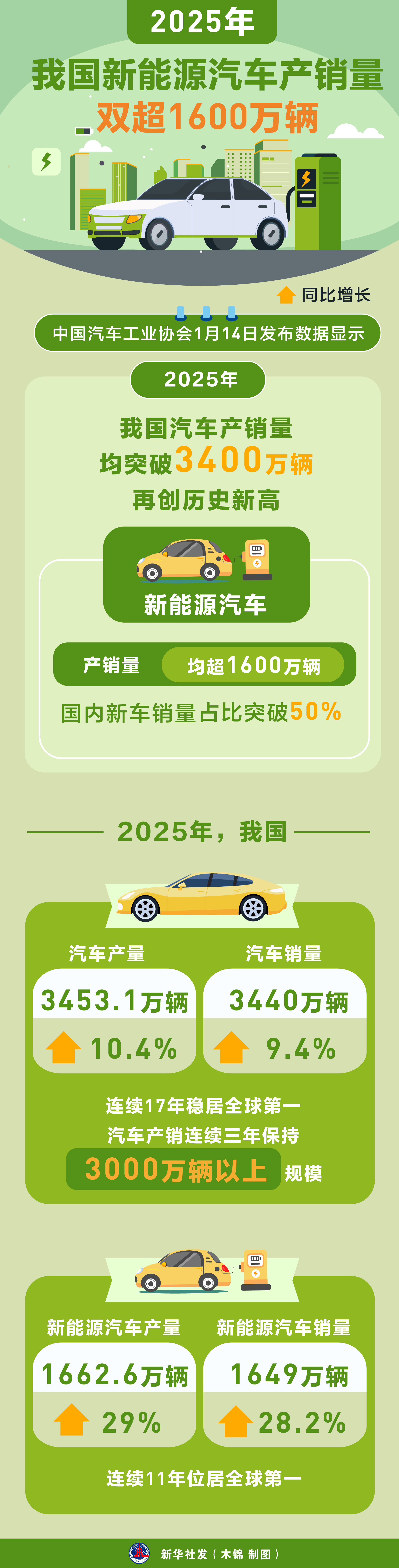
Core Insights - In 2025, China's automotive production and sales both exceeded 34 million units, setting a new historical record [2] - New energy vehicles (NEVs) achieved production and sales of over 16 million units, with domestic new car sales of NEVs surpassing 50% [2] Automotive Industry Performance - China's automotive production reached 34.53 million units, while sales totaled 34.40 million units, representing year-on-year growth of 10.4% and 9.4% respectively, maintaining the global leading position for 17 consecutive years [2] - The automotive production and sales have remained above 30 million units for three consecutive years [2] New Energy Vehicle Growth - NEV production and sales reached 16.62 million and 16.49 million units respectively, with year-on-year growth of 29% and 28.2%, continuing to lead globally for 11 years [2] Passenger and Commercial Vehicle Market - The passenger vehicle market showed steady growth, with production and sales both exceeding 30 million units; the market share of Chinese brand passenger vehicles reached 69.5%, an increase of 4.3 percentage points from the previous year [2] - The commercial vehicle market is recovering, with production and sales returning to over 4 million units [2] Export Performance - Total automotive exports surpassed 7 million units, with NEV exports reaching 2.615 million units [2]
图表丨2025年我国新能源汽车产销量双超1600万辆
Xin Hua Wang· 2026-01-14 08:57
202 我国新能源 双超16 f 中国汽车工业协会1月 2025 我国汽车 均突破34 再创历! to 新能源 产销量 O 新能源汽车产量 1662.6万辆 29% 连续11年位) 国内新车销量占 2025年 E3 均 汽车产量 3453.1万辆 10.4% 连续17年稳/ 汽车产销连线 3000万辆 中国汽车工业协会1月14日发布数据显示,2025年,我国汽车产销量均突破3400万辆,再创历史新高。新能源汽车产销量均超1600万辆,新能源汽车国 内新车销量占比突破50%。 新华社发 木锦 制图 【纠错】 【责任编辑:胡蓉】 ...
2025年至2027年全国新能源利用率将不低于90%——提升电力系统调节能力
Jing Ji Ri Bao· 2026-01-14 08:13
Core Viewpoint - The National Development and Reform Commission and the National Energy Administration have issued an implementation plan aimed at significantly enhancing the power system's regulation capacity by 2027, supporting the reasonable consumption of over 200 million kilowatts of new energy annually from 2025 to 2027, with a national new energy utilization rate of no less than 90% [1][2]. Group 1: Current Challenges - The development of regulation resources in China faces challenges, including increased system consumption pressure due to an average annual increase of over 200 million kilowatts in new energy installations [2]. - Wind power utilization rate was 96.4% in the first ten months of 2024, down 0.7 percentage points year-on-year, while solar power utilization rate was 97.1%, down 1.2 percentage points year-on-year [2]. - There is a lack of coordinated optimization in regulation capacity construction, with existing regulation resources not being fully utilized, and the need for improved pricing and market mechanisms [2]. Group 2: Key Tasks in the Implementation Plan - The plan emphasizes the need to scientifically calculate the demand for regulation capacity based on the growth of new energy and utilization rate targets, clarifying the scale of flexible coal power transformation, gas power, hydropower, pumped storage, new energy storage, and other resources [3]. - It requires local energy authorities to develop regional regulation capacity construction plans to ensure the safe and stable operation of the power system and the reasonable consumption of new energy [3]. - The plan proposes improvements to the calling mechanism for regulation resources, including a tiered dispatch system that considers system needs, dispatch safety, and technical-economic factors [3]. Group 3: Market Mechanism Enhancements - A scientifically sound market mechanism is crucial for optimizing the allocation of various regulation resources and promoting the consumption of new energy [4]. - The plan emphasizes the improvement of peak and valley pricing mechanisms, encouraging regions to establish auxiliary service varieties based on local conditions and to enhance economic incentives for peak-valley price differences [4]. - It encourages the establishment of cross-provincial calling and trading mechanisms for adjustable resources on the load side, promoting a market mechanism oriented towards regulation effects [4].
新华社消息|2025年我国新能源汽车产销量双超1600万辆
Xin Hua Wang· 2026-01-14 07:25
新华社音视频部制作 记者:唐诗凝 编导:徐中哲 【纠错】 【责任编辑:施歌】 ...