BeiGene(BGNE)

Search documents
2025生物医药:让真创新获得应有的奖励
Xin Lang Cai Jing· 2026-01-05 10:44
Core Viewpoint - The biopharmaceutical industry in China experienced a volatile year in 2025, with significant growth in the first half followed by a sharp decline in the latter half, indicating a restructuring of the underlying logic of the industry [1][2][28]. Group 1: Industry Performance - The innovative drug sector saw explosive growth in the first half of 2025, with the China Innovation Drug Index rising by 13.43% and the Hong Kong Innovation Drug Index increasing by 60% [1][27]. - By December 28, 2025, the Hong Kong Innovation Drug Index had dropped over 20% since September, with many unprofitable biotech companies experiencing declines of over 40% [1][27]. Group 2: Policy Support - In 2025, the policy environment for biopharmaceuticals in China evolved to integrate national and local support, creating a comprehensive system for innovative drug development [4][30]. - Key policy initiatives included the release of measures to support innovative drug development, focusing on research support, inclusion in insurance, and clinical application [4][30]. - The introduction of a 30-day expedited review process for innovative drug clinical trial applications was implemented to enhance efficiency [4][30]. Group 3: Technological Advancements - The integration of AI in drug development accelerated in 2025, with AI tools becoming standard in pharmaceutical research and development [14][39]. - AI-driven companies like Insilico Medicine achieved significant milestones, including the rapid progression of drug candidates through clinical trials [14][40]. Group 4: Payment System Changes - The payment landscape for innovative drugs shifted from a focus on the lowest price to a more balanced approach that considers quality and reasonable pricing [16][42]. - The introduction of a commercial health insurance directory for innovative drugs marked a significant development, allowing for better access and affordability for patients [19][45]. Group 5: Business Development Transactions - The business development (BD) landscape in the innovative drug sector transitioned from a phase of enthusiasm to a more rational evaluation of value [22][48]. - By the end of 2025, the total amount of overseas licensing agreements in China's innovative drug sector exceeded $130 billion, setting a historical record [50]. - However, market reactions to BD announcements became more subdued, with significant stock price declines following major deals, indicating a reassessment of the quality and sustainability of such transactions [50][51].


百济神州BG - C0902启动Ⅰ期临床 适应症为晚期实体瘤
Xin Lang Cai Jing· 2026-01-05 10:36
药物临床试验登记与信息公示平台数据显示,广州百济神州生物制药有限公司的一项探索靶向 EGFR×MET 的抗体偶联药物 BG - C0902 单药治疗和与其他治疗药物联合用药治疗晚期实体瘤患者的安 全性、耐受性、药代动力学、药效学和初步抗肿瘤活性的1a/1b 期研究已启动。临床试验登记号为 CTR20255132,首次公示信息日期为 2026 年 1 月 5 日。 该药物剂型、用法用量暂未公示。本次试验主要目的为评价 BG - C0902 治疗晚期实体瘤患者的安全 性、耐受性、PK、药效学和初步抗肿瘤活性,研究分 2 个阶段进行:1a 期(剂量递增和安全性扩展) 和 1b 期(剂量扩展)。 责任编辑:小浪快报 (ORR);1a 期和 1b 期缓解持续时间(DOR)和疾病控制率(DCR);1b 期基于研究者使用 RECIST 1.1 版进行的肿瘤评估确定的无进展生存期(PFS);1b 期发生不良事件和严重不良事件的患者数量; 1a 期和 1b 期 BG - C0902、总抗体和有效载荷 BGB - 40410 在规定时间点的浓度和其他 PK 参数;1a 期 和 1b 期通过检测抗药抗体(ADA)评价 BG - C ...
创新药概念飙升,乐普医疗20%涨停,百济神州等大涨
Zheng Quan Shi Bao Wang· 2026-01-05 03:24
Core Viewpoint - The innovative drug sector in China is experiencing significant growth, with a record number of approved innovative drugs and substantial increases in licensing transactions, indicating a strong market potential and investment opportunities in the pharmaceutical industry [1] Industry Summary - As of 2025, China has approved 76 innovative drugs, surpassing the 48 approved in 2024, marking a historical high [1] - The total value of licensing transactions for innovative drugs in China is expected to exceed $130 billion, with over 150 transactions, also a historical high [1] - The pharmaceutical research outsourcing sector is benefiting from a recovery in industry demand, with companies like WuXi AppTec and Hao Yuan Medical showing excellent growth [1] Company Summary - Companies in the innovative drug sector, such as Lepu Medical, Frontier Biotechnologies, and BeiGene, have seen significant stock price increases, with Lepu Medical hitting a 20% limit up and others like Frontier Biotechnologies rising over 13% [1] - The innovative drug industry's core driving factor is the breakthrough in global competitiveness of Chinese pharmaceutical companies, which are gaining recognition for their research capabilities [1] - The demand for CXO and research services within the innovative drug supply chain is expected to continue benefiting from favorable market conditions, leading to sustained performance exceeding expectations [1]


1357亿美元!2025中国创新药BD出海创纪录!港股通创新药ETF(159570)飙涨超5%! BD交易中哪些变化值得关注?
Xin Lang Cai Jing· 2026-01-05 03:18
Group 1: Market Performance - The Hong Kong stock market experienced a strong start in 2026, with the Hang Seng Index rising by 2.76% to 26,338.47 points, and the Hang Seng Technology Index increasing by 4% to 5,736.44 points [3] - The Hong Kong Innovation Drug ETF (159570) surged over 5.5%, with a trading volume exceeding 1.6 billion yuan, marking a significant increase compared to the previous trading day [1][3] - As of December 29, 2025, the latest scale of the Hong Kong Innovation Drug ETF reached over 21.4 billion yuan, leading its peers in the same category [1] Group 2: Company News - In a significant development, Insilico Medicine announced a multi-year research collaboration with Servier worth up to $888 million, focusing on oncology drug development [3] - The collaboration will leverage Insilico's AI-driven drug discovery platform, Pharma.AI, in conjunction with Servier's global expertise in oncology [3] - Insilico is eligible for an upfront payment of up to $32 million and milestone payments related to research achievements [3] Group 3: Industry Trends - In 2025, the Chinese innovative drug industry set a record for outbound licensing transactions, with a total transaction value of $135.655 billion and 157 deals, marking a historical high [5] - The industry is witnessing a diversification in business development (BD) models, with an increasing number of innovative drug companies opting for co-development partnerships with multinational pharmaceutical firms [7][10] - The "Co-Co" (Co-development & Co-commercialization) model is emerging as a significant trend in 2025, exemplified by the $11.4 billion deal between Innovent Biologics and Takeda [11]


2026年国家继续支持医疗设备更新,建议关注相关赛道机会
Ping An Securities· 2026-01-04 13:45
Investment Rating - The industry investment rating is "Outperform the Market," indicating an expected performance that exceeds the market by more than 5% over the next six months [29]. Core Insights - The report highlights that the national government will continue to support the renewal of medical equipment in 2026, which is expected to drive demand in the medical device sector. The focus is on high-end equipment and companies with significant performance improvements and international expansion, such as Mindray Medical, United Imaging, Aohua Endoscopy, and Kaili Medical [3]. - The report emphasizes the optimization of application conditions and review processes for equipment renewal projects, aiming to lower investment thresholds and enhance support for small and medium-sized enterprises [3]. - The ongoing policy for equipment renewal is anticipated to sustain a favorable bidding environment for medical devices, with a gradual improvement in performance as inventory clears [3]. Summary by Sections Industry Overview - The report discusses the government's announcement on December 30, 2025, regarding large-scale equipment renewal and the inclusion of various sectors, including healthcare, in the support framework for 2026 [3]. - It outlines the measures to improve the application process for equipment renewal, including stricter requirements for equipment depreciation and minimum usage periods [3]. Investment Opportunities - The report suggests focusing on companies that are expected to show significant performance improvements and have a leading international presence in the medical device sector [3]. - Specific companies recommended for investment include Mindray Medical, United Imaging, Aohua Endoscopy, and Kaili Medical, which are well-positioned to benefit from the anticipated demand for high-end medical equipment [3]. Market Performance - The medical sector has experienced a decline, with a reported drop of 2.06% in the last week, ranking 25th among 28 industries [8][18]. - The report notes that the medical device market is under pressure in the short term due to policy impacts, but improvements are expected as companies innovate and expand internationally [5].




创新药2025:突破与阵痛 |《财经》特稿
Sou Hu Cai Jing· 2026-01-03 09:32
Core Insights - The Chinese innovative drug sector is poised for significant growth, with the National Medical Insurance Administration announcing that new drugs approved in May 2025 will be reimbursed by January 2026, indicating a rapid support for innovative drugs [2][3] - The 2025 National Basic Medical Insurance Drug List includes 114 new drugs, with an 88.19% success rate in negotiations, highlighting the government's commitment to supporting innovative drug development [2][5] - The global market for innovative drugs is also expanding, with record-breaking business development transactions, such as the $11.4 billion deal between Innovent Biologics and Takeda, and a potential $12 billion collaboration between Hengrui Medicine and GSK [2] Group 1: Policy and Support - The Chinese government is providing comprehensive support for innovative drug development through policies that facilitate research, market entry, clinical application, and multi-tiered payment systems [3][10] - The 2026 implementation of the innovative drug directory reflects a careful selection process, with only 19 innovative drugs included, indicating strict criteria to meet various stakeholder needs [5][10] - The CAR-T therapy, a prominent innovative drug, has been included in the 2025 innovative drug directory, although its high cost remains a barrier for basic medical insurance coverage [5][6] Group 2: Market Dynamics - The commercial success of innovative drugs is heavily reliant on a mature payment system, which is crucial for ensuring accessibility to high-value therapies like CAR-T [7][10] - In the global CAR-T market, Gilead leads with significant sales, while Chinese companies like Legend Biotech are leveraging partnerships to expand their market presence [8][9] - The disparity in sales between innovative drugs in China and their global counterparts is evident, with the top-selling innovative drug in China generating only 44 million yuan, significantly lower than leading global products [9][12] Group 3: Financial Viability - Despite the growth in innovative drug approvals, many companies continue to face financial losses, underscoring the challenges of achieving profitability in the sector [11][25] - The investment landscape for innovative drugs has shifted, with a focus on sustainable growth and the need for companies to demonstrate potential for future profitability [27][30] - The success of companies like BeiGene, which has achieved significant market capitalization and revenue through strategic product development, highlights the importance of long-term investment strategies in the innovative drug space [19][23]
跨国药企疯抢中国创新药
21世纪经济报道· 2026-01-02 06:29
Core Viewpoint - The article highlights the unprecedented surge in business development (BD) activities in China's biotech sector, with the total amount of domestic innovative drug licensing exceeding $100 billion by November 18, 2025, marking a doubling compared to 2024. This trend reflects the increasing global competitiveness and value of Chinese pharmaceutical assets, while also prompting a deeper examination of transaction quality and product value realization post-agreement [1][2]. Summary by Sections BD Market Dynamics - The BD market in China is experiencing a significant boom, with a projected compound annual growth rate (CAGR) for external BD activities expected to remain in double digits over the next five years, despite a forecasted decline in growth rate [2]. - Key characteristics of future transactions include an increase in late-stage pipeline contributions and a shift from pure technology transfer to models involving "licensing + co-development + commercialization" [2]. Major Transactions - Notable transactions in 2025 include: - Hengrui Medicine's collaboration with GSK, involving a total potential amount of approximately $120 billion, with an upfront payment of $500 million [3]. - Innovent Biologics' agreement with Takeda, with a potential total of $114 billion and an upfront payment of $1.2 billion [3]. - A record-setting deal between 3SBio and Pfizer, with an upfront payment of $12.5 billion and potential milestone payments reaching $48 billion [5][6]. Global Interest in Chinese Biotech - Chinese innovative drugs are gaining significant traction in global markets, with multinational corporations increasingly sourcing early-stage innovation pipelines from China due to cost-effectiveness and potential efficacy [7][8]. - The trend indicates a shift where Chinese biotech firms are evolving from technology providers to value co-creators in the global pharmaceutical landscape [7]. Transaction Models - The dominant transaction model remains "License-out," which accounted for 91% of upfront payments and 99% of total amounts in related transactions in the first half of the year [10]. - NewCo models are gaining popularity, allowing companies to inject parts of their product pipelines into newly formed entities with foreign capital, reflecting a flexible asset operation strategy [10][11]. Future Outlook - The BD market is expected to continue thriving, driven by the need for multinational companies to replenish their pipelines as many blockbuster drugs face patent expirations, creating a significant market opportunity [15]. - Emerging technologies, particularly in ADCs and bispecific antibodies, are anticipated to dominate future BD transactions, with a notable interest in metabolic and autoimmune products [16][17]. Challenges and Considerations - Despite the growth, challenges remain in ensuring compliance with international standards and protecting intellectual property during global collaborations [13]. - The market is expected to stabilize, with a rational return to expectations regarding BD transactions, as the industry matures and the focus shifts from explosive growth to sustainable value creation [17].



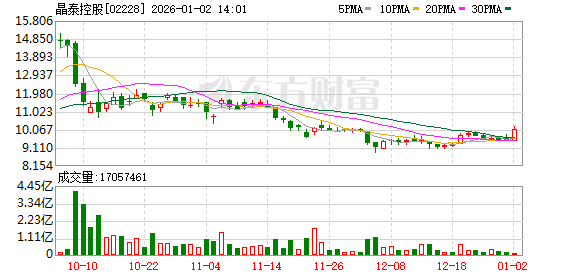
港股创新药概念股持续走高,晶泰控股涨超6%
Mei Ri Jing Ji Xin Wen· 2026-01-02 06:00
Group 1 - The core viewpoint of the article highlights the significant rise in Hong Kong's innovative drug concept stocks, indicating a positive trend in the sector [2] - Jingtai Holdings experienced a surge of over 6%, reflecting strong investor interest and confidence in the company [2] - Hengrui Medicine saw an increase of over 5%, suggesting robust performance and market positioning [2] - Four Seasons Pharmaceutical rose by more than 4%, indicating a favorable market response [2] - Innovent Biologics and WuXi Biologics both increased by over 3%, showcasing the overall strength of the innovative drug sector [2] - BeiGene's stock rose by over 2%, further contributing to the positive sentiment in the market [2]
2025年度科创板排行榜
Wind万得· 2026-01-01 22:38
Market Sector - The Sci-Tech 50 Index increased by 35.92% in 2025, ranking third among various sector indices, outperforming both the Shanghai 50 and Shenzhen 50 indices [1][3] - By the end of 2025, the total market capitalization of the Sci-Tech Board reached 11.12 trillion yuan, an increase of 4.4 trillion yuan from 6.72 trillion yuan at the end of 2024, representing a growth rate of 65.38%, which is higher than other sectors [3] - The total trading volume of the Sci-Tech Board in 2025 was 37.79 trillion yuan, with an average trading volume per stock of 629.82 million yuan, which is lower than the average trading volumes of the Shanghai and Shenzhen main boards and the ChiNext [5][6] - The average daily turnover rate for the Sci-Tech Board in 2025 was 3.37%, higher than that of the Shanghai main board but lower than that of the Shenzhen main board and ChiNext [7] - At the end of 2025, the price-to-book ratio of the Sci-Tech Board was 5.61 times, higher than that of the ChiNext and the Shanghai and Shenzhen main boards [11] - By the end of 2025, the financing balance of the Sci-Tech Board reached 270.33 billion yuan, an increase of 125.03 billion yuan from the beginning of the year [13] - The securities lending balance of the Sci-Tech Board at the end of 2025 was 0.925 billion yuan, an increase of 0.0466 billion yuan from the beginning of the year [15] Individual Stocks - By the end of 2025, SMIC led with a market capitalization exceeding 600 billion yuan, followed by Cambrian (571.615 billion yuan) and Haiguang Information (521.605 billion yuan), with three companies including Moore Threads (276.33 billion yuan), BeiGene (263.457 billion yuan), and Muxi (232.098 billion yuan) surpassing 200 billion yuan [17] - Excluding the significant fluctuations on the first day of new stock listings, Weiqi New Materials had the highest increase of 1820.29% in 2025, followed by Shijia Photon (442.55%), Pinming Technology (428.78%), and Dongxin Co. (427.51%) [21] - By the end of 2025, Cambrian had the highest financing balance at 15.121 billion yuan, followed by SMIC (13.691 billion yuan), Haiguang Information (7.221 billion yuan), and Lanke Technology (6.197 billion yuan) [23] - Haiguang Information had the highest securities lending balance at 34.2342 million yuan, followed by Cambrian (31.6128 million yuan) and SMIC (28.4114 million yuan), with Guodun Quantum and Tuojing Technology exceeding 20 million yuan in securities lending [25] Issuance - By the end of 2025, there were 600 companies listed on the Sci-Tech Board, with 18 new stocks successfully issued in 2025, a 20% increase from 15 in 2024 [28] - The companies issued in 2025 were distributed across four Wind Sci-Tech thematic industries, with the new generation information technology industry leading with 10 companies, followed by the biotechnology industry with 5 companies, and new materials and high-end equipment manufacturing industries with 1 company each [30] - Among the companies issued in 2025, 10 met the first standard for listing, which requires positive net profits for the last two years and a cumulative net profit of no less than 50 million yuan, or positive net profit for the last year and operating income of no less than 100 million yuan, with an expected market value of no less than 1 billion yuan [33] - In terms of geographical distribution, Beijing led with 5 companies, followed by Jiangsu with 3, with North China (Beijing) and East China (Jiangsu, Zhejiang, Fujian, Shanghai) accounting for over 70% [36] - The total IPO financing for Sci-Tech Board companies in 2025 was 37.844 billion yuan, a year-on-year increase of 187.83%, with 13 companies raising over 1 billion yuan, 4 companies raising between 500 million to 1 billion yuan, and 1 company raising under 500 million yuan [39] - In the IPO financing of 2025, Moore Threads led with 8 billion yuan, followed by Xi'an Yicai (4.636 billion yuan) and Muxi (4.197 billion yuan), with four companies raising over 2 billion yuan [43]






创新药2026:迎接美好新时代
3 6 Ke· 2025-12-31 12:51
Core Insights - The year 2025 marks a significant milestone for China's innovative pharmaceutical industry, characterized by intense interactions between capital and industry, with BD transaction totals exceeding $130 billion, setting a historical record and surpassing 50% of the global market share [1][5] - The market has experienced a rollercoaster ride, with a resurgence in the first half of the year followed by a collective pullback in the third quarter, highlighting the importance of distinguishing between companies driven by solid fundamentals versus those reliant on market sentiment [3][10] - The industry is transitioning from "scale expansion" to "value realization," indicating a shift towards more sustainable growth and resilience in the face of external uncertainties [1][12] BD Transactions - In 2025, China saw explosive growth in license-out transactions, with over 100 deals totaling more than $110 billion, including 15 transactions with upfront payments exceeding $100 million [5][6] - Notable milestone BD transactions include a $12.5 billion deal between 3SBio and Pfizer, and a $114 billion strategic partnership between Innovent Biologics and Takeda, marking a shift in traditional licensing models [5][6] - The total value of license-out transactions reached $130 billion, a year-on-year increase of over 150%, underscoring China's emergence as a key player in global pharmaceutical innovation [5][6] Market Dynamics - The traditional pharmaceutical companies are adapting and showing resilience, with firms like Hengrui Medicine and 3SBio successfully navigating the transition from generics to innovative drugs [4][10] - The industry is expected to continue its upward trajectory, supported by increased R&D investments, a growing number of clinical trials, and a dual payment system that enhances patient access to innovative therapies [10][11] - The anticipated "data validation year" in 2026 will see more Chinese innovative pipelines entering global clinical development, influencing market expectations for Chinese innovation [10][11] Future Outlook - The innovative pharmaceutical sector is poised for a more solid and resilient future, with a focus on delivering effective treatment solutions for patients and contributing to the global pharmaceutical landscape [12][13] - The ongoing demand for innovative assets from multinational corporations (MNCs) is expected to rise, driven by patent expirations and declining R&D efficiency, leading to a strategic focus on "in China for global" initiatives [6][7] - The industry is entering a new era characterized by value-driven growth, where the emphasis will be on the contribution of products to revenue rather than mere availability [7][9]