Disney(DIS)

Search documents
Netflix vs. Disney: Which Streaming Giant is a Stronger Stock Pick?
ZACKS· 2025-04-15 20:00
Core Viewpoint - The competition between Netflix and Disney in the streaming market presents investors with a choice regarding which company offers a superior investment opportunity, with Netflix showing strong operational execution and Disney providing a more compelling valuation and diversified revenue streams [2][24]. Group 1: Netflix (NFLX) Analysis - Netflix achieved a record growth of 18.91 million paid net additions in Q4 2024, bringing its total subscriber base to 301.63 million [3]. - The company's Q4 revenue increased by 16% year-over-year, with operating income surging by 52%, and for the full year 2024, Netflix reported over $10 billion in operating income for the first time [4]. - Netflix's free cash flow reached approximately $7 billion in 2024, allowing for significant content investments and shareholder returns [4]. - Major content successes include "Squid Game" Season 2 and live programming events, which enhance viewer engagement [5]. - For 2025, Netflix forecasts revenues between $43.5 billion and $44.5 billion, with a Zacks Consensus Estimate of $44.42 billion, indicating a 13.89% year-over-year growth [7]. Group 2: Disney (DIS) Analysis - Disney's streaming service, including Disney+ and Hulu, reached 178 million subscribers, supported by its diverse business segments such as theatrical releases and theme parks [9]. - The theatrical business surpassed $5 billion in box office revenue in 2024, driven by successful films, which also contribute content to Disney+ [10]. - Disney+ is evolving with features like ESPN integration and new content offerings, enhancing its competitive edge against Netflix [11]. - The Zacks Consensus Estimate projects fiscal 2025 revenues of $94.63 billion, reflecting a 3.58% year-over-year growth, with earnings expected to increase by 10.26% to $5.48 per share [13]. Group 3: Valuation and Performance Comparison - Disney's forward P/S ratio of 1.57X is significantly more attractive compared to Netflix's, indicating better relative value for investors [16]. - Over the past year, Netflix's stock surged by 50.8%, outperforming Disney and the broader market, with a five-year return of 112.1% and a ten-year return of 1,040.6% [19]. - Despite Netflix's stronger operating margins at 27%, Disney's comprehensive entertainment ecosystem offers unique long-term value creation opportunities [23]. - Disney is viewed as a stronger investment opportunity due to its attractive valuation, diverse revenue streams, and growth potential beyond streaming [24][25].



Disney and BAC could soon form a death cross: here's why you shouldn't sell both
Invezz· 2025-04-15 18:40
Group 1: Market Overview - US stocks have regained some ground after President Trump's agreement to a 90-day pause on most reciprocal tariffs, excluding those on China [1] - Despite this recovery, some large-cap stocks are nearing a "death cross," indicating potential for further declines [1] Group 2: Walt Disney Co (NYSE: DIS) - Disney's stock is down over 25% from its year-to-date high, and a developing "death cross" suggests it could decline further [2] - Bernstein analyst Laurent Yoon maintains an "outperform" rating on Disney, describing it as a "complex story" with various moving parts [3] - Bernstein's price target for Disney is $120, encouraging investors to buy shares at current levels [3] - Investors can average down their positions if the death cross occurs, taking advantage of more favorable valuations [4] - Disney shares currently offer a dividend yield of 1.18%, enhancing their attractiveness [4] Group 3: Bank of America Corp (NYSE: BAC) - Bank of America is also approaching a "death cross," with its stock down approximately 25% from its year-to-date high [5] - Morgan Stanley analyst Betsy Graseck advises investors to overlook the death cross concerns and buy BAC shares at current levels [6] - Graseck upgraded BAC to "overweight," citing attractive valuation despite potential impacts from Fed rate cuts and yield curve shifts [6] - Morgan Stanley has set a price target of $56 for Bank of America, indicating over 50% upside from current levels [7] - Bank of America shares provide a dividend yield of 2.84%, making them appealing for passive income amidst market volatility [7]


Stock Market Chaos: Should You Buy Disney Stock Now?
The Motley Fool· 2025-04-14 09:15
Core Viewpoint - The stock market is experiencing significant volatility due to rising trade barriers, which may present long-term investment opportunities [1] Group 1 - Stock prices referenced were from the afternoon of April 10, 2025, indicating a specific timeframe for market analysis [1] - The video discussing these market conditions was published on April 12, 2025, suggesting timely insights into the market's reaction [1]

失业年轻人的新标配:一周三刷迪士尼
后浪研究所· 2025-04-10 09:31
Core Viewpoint - The article discusses how unemployed young people are increasingly visiting Disney parks as a form of escapism and social interaction, finding joy and comfort in the environment despite their joblessness [2][20]. Group 1: Young People and Disney - Many young individuals from various professions, including lawyers and HR personnel, are sharing their experiences of visiting Disney after losing their jobs, indicating a trend of seeking solace in the park [2][19]. - The affordability of visiting Disney, such as the low cost of parking and the option to bring food, makes it an attractive option for those on a budget [3][11]. Group 2: Activities and Experiences - Unemployed individuals are engaging in various activities at Disney, such as self-study, fitness, and socializing, rather than just focusing on rides [10][23]. - The park serves as a creative outlet, with some individuals documenting their experiences on social media, leading to increased engagement and a sense of community [23][24]. Group 3: Emotional Impact - Disney is perceived as a refuge where individuals can escape their anxieties about job searching and societal expectations, allowing them to express themselves freely [22][20]. - The environment at Disney fosters a sense of happiness and relaxation, contrasting sharply with the stress of job hunting and previous work environments [10][19].
失业年轻人的新标配:一周三刷迪士尼
后浪研究所· 2025-04-10 09:31
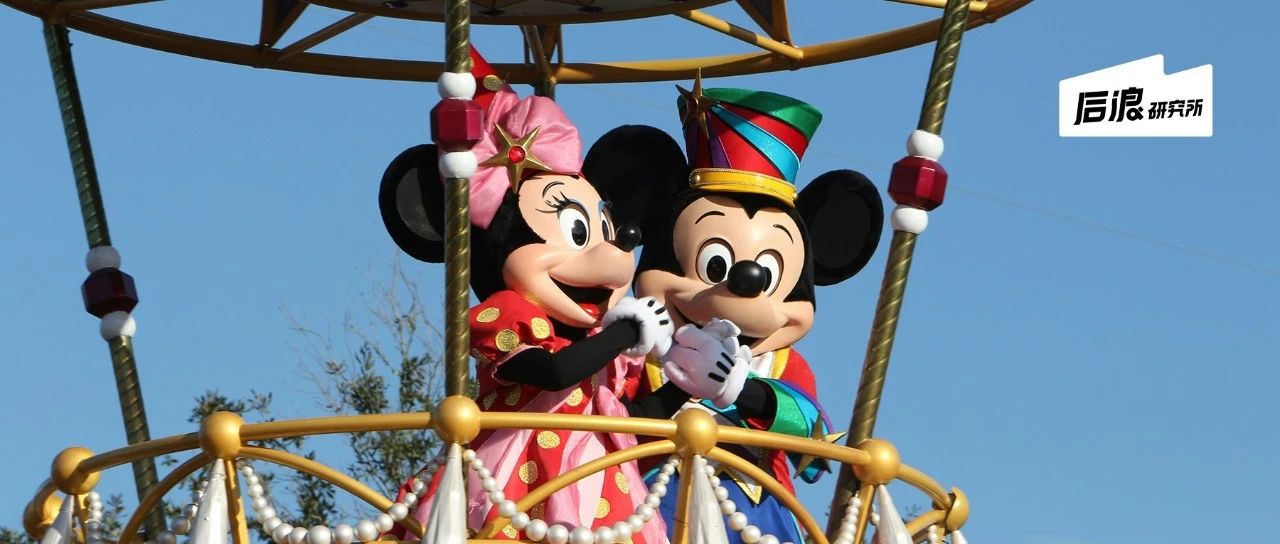
失业年轻人,扎堆迪士尼。 撰文| 杨小彤 编辑| 薇 薇子 封面来源 |Unsplash "感觉像是回家了" 迪士尼好像有种魔力。一迈进迪士尼乐园的大门,就好像跨越了一道结界,将冷冰冰的现实世界隔离在外。 焦虑抛之脑后,快乐充斥四周,难怪不少年轻人成为了迪士尼的头号玩家,只要一有空就要去迪士尼,刷项目、看表演、和奇奇蒂蒂还有园内顶流"迪士尼 七宝"见面和互动。 在这个春暖花开的季节,失业的年轻人,也扎堆跑到了迪士尼。 在社交媒体上搜索"失业"+"迪士尼",能搜到近2000条笔记,除了一部分是在迪士尼里失业的,还有许多是失业后去迪士尼的。 在这个关键词下,是来自各 行各业的年轻人分享自己失业后去迪士尼的日常,律师、大厂运营、HR、广告从业者…… 甚至有人感叹,迪士尼已经成为自己的"失业三宝"之一(另外两 宝是龙华寺和上海动物园)。 去年秋天,翟十五从一家互联网公司裸辞。辞职后,本就是迪士尼粉丝的她办了一张迪士尼"丐版"年卡。所谓"丐版",就是迪士尼系列年卡中最便宜的幻彩 珍珠卡,1399元,能在全年的周一到周五预约入园。 每周,翟十五都会去2-3次的迪士尼,有时候是纯玩项目,有时候是自己一个人在园区里找个位置, ...
The Dow Crashed 4,260 Points in 3 Days: Here Are 3 Dow Stocks That Make for No-Brainer Buys Right Now
The Motley Fool· 2025-04-10 07:51
Core Viewpoint - The article highlights three Dow Jones Industrial Average stocks that present strong buying opportunities amid a significant market sell-off, emphasizing the historical trend of such downturns being favorable for long-term investors. Group 1: Market Context - The Dow Jones Industrial Average experienced a decline of 4,260 points, equating to a 10.1% drop from April 3 to April 7, indicating a shift into "crash" territory [2] - Historically, significant declines in the Dow have signaled buying opportunities for long-term investors, as resilient businesses tend to recover and grow in value over time [3] Group 2: Visa - Visa is highlighted as a strong investment due to its ability to thrive during economic cycles, benefiting from periods of expansion following downturns [6][7] - In 2023, Visa accounted for $6.445 trillion in credit card network purchase volume in the U.S., significantly outpacing other payment facilitators [8] - Visa has opportunities for growth in underbanked emerging markets, enhancing its long-term growth potential [9] - The stock has retraced as much as 17.6% from its all-time high, presenting an attractive entry point for investors [10] Group 3: Johnson & Johnson - Johnson & Johnson is positioned as a strong buy due to consistent demand for healthcare products, regardless of economic conditions [12] - The company's focus on pharmaceuticals has led to solid operating results, with brand-name drugs offering higher margins and growth potential [13] - The aging population is expected to drive demand for J&J's medical technologies, improving pricing power and margins [14] - J&J holds a AAA credit rating, indicating strong financial stability and ability to manage debt obligations [15] - The company has had only 10 CEOs in 139 years, ensuring continuity in leadership and growth initiatives [16] Group 4: Walt Disney - Walt Disney is recognized for its strong brand and storytelling capabilities, which provide a competitive edge and pricing power [18][19] - The company's direct-to-consumer segment, particularly Disney+, has achieved profitability rapidly, aided by brand strength and pricing strategies [20] - Disney benefits from the nonlinearity of economic cycles, with revenue typically increasing during economic expansions [21] - The stock is currently valued at a sub-14 forward price-to-earnings ratio, representing a 47% discount to its average over the past five years [22]



Are Tariffs Threatening Disney's Comeback Story?
MarketBeat· 2025-04-09 16:46
Core Viewpoint - The imposition of significant tariffs by the U.S. government has led to a drastic decline in the stock market, with The Walt Disney Company experiencing substantial losses as a result of increased costs and potential impacts on consumer demand [1][2][20]. Group 1: Immediate Financial Impact - The Walt Disney Company's stock has dropped over 22% month-to-date and over 26% year-to-date due to reassessments of its exposure to global supply chains and consumer sentiment [2]. - The market experienced its worst two-day decline in history, shedding $6.6 trillion, with Disney's stock falling over 14% during that period [1]. Group 2: Direct Effects on Disney's Segments - Disney's Consumer Products and Merchandise division is particularly vulnerable, facing a 104% tariff on licensed toys produced in China, which will significantly increase costs [5]. - Apparel and in-park merchandise are also affected by tariffs, leading to tighter margins and potential price hikes that could suppress demand among budget-conscious families [6]. - The Media and Entertainment Distribution operations are indirectly impacted as rising costs for consumer electronics, including streaming devices, could affect pricing models and subscriber acquisition costs [7]. - The Cruise Line expansion is facing challenges due to tariffs on imported steel and aluminum, which could increase capital expenditures and force difficult decisions regarding project timelines [8][15]. Group 3: Broader Ecosystem Effects - The tariffs are reshaping Disney's Consumer Products and Licensing business, potentially leading to renegotiated licensing deals and muted consumer demand as wholesale prices rise [9]. - In the Parks, Experiences, and Products segment, discretionary spending pressure may lead to reduced in-park purchases, affecting high-margin upsell opportunities [10]. - Advertising and Linear Networks, including ABC and ESPN, may see a downturn in advertiser demand as companies cut marketing budgets in response to rising costs [11]. - Rising production costs for Studio and TV projects could lead to delays and overruns, impacting release schedules and revenue forecasts [12]. Group 4: International and Geopolitical Considerations - Disney's international resorts, particularly in Shanghai, Tokyo, and Paris, may face reputational damage and boycotts due to anti-U.S. sentiment stemming from the tariffs [13]. Group 5: Long-term Challenges and Strategic Responses - The company is facing rising operational costs and weakening consumer demand due to tariff-driven inflation, which could threaten its revenue across various segments [20]. - Disney's leadership must navigate these challenges effectively, as transparency in strategic responses will be crucial for maintaining investor confidence [21].

2 Incredible Stocks I'm Buying in the Stock Market Downturn
The Motley Fool· 2025-04-09 09:46
Group 1: Walt Disney - Walt Disney has faced challenges in achieving profitability in its streaming business and has potentially overvalued its theme parks without sufficient investment in customer experience [3] - In the most recent quarter, Disney's revenue increased by 5%, with operating income and adjusted earnings per share growing by 31% and 44% respectively, attributed to management's focus on efficiency [4] - Disney is currently trading at its lowest price-to-sales multiple since the financial crisis, approximately 30% below its recent high, presenting a potential entry point for long-term investors [5] - For the current fiscal year, Disney anticipates about $15 billion in operating cash flow and $3 billion in buybacks, with a long-term investment plan of $60 billion in its parks over the next decade [6] Group 2: Starbucks - Starbucks experienced a significant stock rally in August 2024 with the announcement of Brian Niccol as the new CEO, but the stock has since fallen by 30%, reaching its lowest price since before his hiring [7] - Niccol has initiated a turnaround plan called "Back to Starbucks," which includes simplifying the menu, reducing wait times, and enhancing the in-café experience, showing promising early results [8] - The latest earnings report exceeded analyst expectations, although comparable sales saw a slight year-over-year decline; however, key customer-related metrics improved on a sequential basis [9] - Starbucks is currently trading at a historically low price-to-sales ratio, and if the turnaround efforts succeed in revitalizing growth and improving margins, the current price may represent a bargain for long-term investors [12] Group 3: Tariff Risks - Both Walt Disney and Starbucks are significantly exposed to China, with Starbucks operating nearly 7,600 stores in the country, representing about 19% of its total [13] - Both companies are cyclical and depend on consumer spending, which could be adversely affected if tariffs lead to inflation or a recession [14] - Despite the risks, both companies are viewed as attractive long-term investments, with the potential for steady growth over the years [15]


Trump Stock Market Crash: 3 Surefire Stocks That Are Too Cheap to Pass Up
The Motley Fool· 2025-04-09 07:06
Market Overview - The stock market has experienced significant declines, with the Dow Jones Industrial Average, S&P 500, and Nasdaq Composite losing 14.2%, 17.4%, and 22.3% respectively between February 19 and April 4 [2] - The S&P 500 saw a notable drop of over 10% in just two days, marking a rare event in the last four decades, indicating a stock market crash linked to tariff policies [3] Tariff Impact - President Trump announced a series of tariffs aimed at protecting American jobs, including a 10% global tariff and reciprocal tariffs for countries with trade imbalances [4] - Concerns have arisen that these tariffs may lead to higher consumer prices, reduced sales and margins for businesses, and a potential recession in the U.S. economy [5] Investment Opportunities - Despite the market crash, historical trends suggest that such events provide long-term investors with opportunities to acquire shares of strong companies at discounted prices [6] Company Analysis: Walt Disney - Walt Disney has faced challenges, particularly from the COVID-19 pandemic, yet its stock is considered a strong value during the current sell-off [7] - The company excels in storytelling and character development, which gives it a unique market position [8] - Disney has successfully built its direct-to-consumer segment, achieving recurring profitability and increasing its digital subscriber count [9] - The stock's forward P/E ratio of 13.6 is the lowest since 2018, indicating potential upside [10] Company Analysis: PayPal Holdings - PayPal is viewed as a strong investment during the market downturn, maintaining double-digit growth in total payment volume despite competition [11] - The average number of payment transactions per active account has increased significantly, indicating higher engagement [12] - CEO Alex Chriss is focused on expanding merchant acceptance of digital payments and enhancing user value [13] - PayPal repurchased $6 billion of its stock in 2024, which can boost earnings per share, and its forward P/E of just over 10 represents a nearly 50% discount compared to its historical average [14] Company Analysis: Alphabet - Alphabet is highlighted as a top buy during the market crash, with its core business, Google, maintaining a dominant share of global internet search [15][16] - The company is expected to benefit from its investments in artificial intelligence and cloud services, which have higher margins than advertising [17] - Alphabet's forward P/E of around 14 is 37% lower than its five-year average, presenting a compelling value proposition [18]



关税大棒叠加影业低迷,好莱坞巨头们正在寻求哪些新出路?
声动活泼· 2025-04-09 06:12
Core Viewpoint - Hollywood has evolved from a geographical location to a global symbol of the film industry, facing significant challenges in recent years due to the pandemic and labor strikes, prompting major studios to seek new revenue streams and adapt their business models [1][5]. Group 1: Historical Context - Hollywood became the center of the American film industry by 1918, producing 80% of U.S. films [1]. - The consolidation of film studios led to the creation of the "Big Five" and "Little Three" production companies, which together produced 60% of the U.S. film output [2][3]. Group 2: Current Challenges - The pandemic severely impacted the film industry, and the 2023 writers' and actors' strikes have resulted in a shortage of new films for 2024 [5]. - Global box office revenue fell to $30 billion in 2022, a 7% decline from 2023, with U.S. and international markets down about 20% compared to pre-pandemic levels [5]. Group 3: Cost-Cutting Measures - Major studios are reducing production quantities and content spending, with U.S. TV production hours down 30% in 2022 [6]. - Disney plans to cut its content budget by $3.6 billion in fiscal 2024, while other studios like Universal and Warner Bros. are also reducing spending [6]. Group 4: Location Shifts - Rising production costs in California have led studios to relocate filming to states offering tax incentives, with usage of local studios dropping from 90% to 63% [6][7]. - Studios are also moving productions overseas to take advantage of lower costs and incentives, with Canada and the Czech Republic being popular choices [7]. Group 5: Diversification Strategies - Disney is significantly increasing investment in its experiential business, planning to spend $60 billion over the next decade on theme parks and cruises [9]. - Warner Bros. and Paramount are expanding their global experience divisions, including theme parks and hotels [10]. Group 6: Focus on Sports Content - The decline in film production has led studios to invest more in live sports, which attract large audiences and generate substantial advertising revenue [13][15]. - Disney allocates 40% of its content budget to sports programming, while Netflix has begun live streaming sports events [15].