
Mastercard(MA)

Search documents
万事达卡(MA.US)首席产品官:稳定币90%交易量困于加密领域,日常支付落地道阻且长
智通财经网· 2025-07-15 02:48
Core Viewpoint - Mastercard's Chief Product Officer, Jorn Lambert, emphasizes that while stablecoins are gaining popularity, significant challenges remain before they can be effectively used as everyday payment tools [1][2]. Group 1: Stablecoin Adoption Challenges - Lambert highlights that despite the technological advantages of stablecoins, such as speed, 24/7 availability, low cost, programmability, and immutability, these features alone are insufficient for stablecoins to become viable payment methods. User experience, coverage, and consumer reach are equally, if not more, critical [1]. - Currently, approximately 90% of stablecoin transaction volume is related to cryptocurrency trading, with investors using dollar-pegged tokens to trade digital assets. This indicates a low acceptance of stablecoins for everyday consumer payments [2]. - Lambert points out that stablecoins lack a clear value proposition in regular consumer-to-merchant payments, comparing them to prepaid cards that can only be used at specific merchants [2]. Group 2: Mastercard's Strategic Positioning - Mastercard is positioning itself as a bridge between digital assets and the traditional financial system, aiming to provide the necessary infrastructure for the scalable application of stablecoins through global merchant acceptance, security, and compliance [1]. - The company has been involved in stablecoin initiatives since at least 2021, collaborating with Paxos Trust Company to facilitate the minting and redemption of the USDG stablecoin, and supporting other stablecoins like Fiserv's FIUSD, PayPal's PYUSD, and Circle's USDC [1]. - Mastercard's Chief Commercial Payments Officer, Rajesh Seshadri, notes that the conversion between stablecoins and fiat currency remains a necessary step, as the overall cost of using stablecoins includes various expenses beyond just the stablecoin itself, such as deposits, foreign exchange, compliance, and settlement [2]. Group 3: Regulatory Environment and Market Dynamics - As U.S. legislation regarding stablecoins progresses, discussions around stablecoins are intensifying, prompting new players to enter the digital asset space and encouraging financial institutions to reassess their positions in this evolving industry [2]. - Financial institutions are increasingly concerned about the potential for funds to exist as stablecoin balances rather than traditional bank deposits, raising the priority of this issue [2]. - Governments and central banks worldwide are also exploring ways to foster local ecosystem innovation to avoid economic dollarization, indicating a future emergence of diverse solutions in the stablecoin space [3].

万事达卡:稳定币成为主流支付方式任重道远
news flash· 2025-07-14 22:26
Core Viewpoint - Stablecoins have a long way to go before becoming viable everyday payment tools, according to Mastercard's Chief Product Officer Jorn Lambert [1] Group 1: Industry Insights - Key characteristics for stablecoins to become payment tools include seamless and predictable user experience, wide coverage, and broad consumer distribution [1] - Mastercard positions itself as a bridge between digital assets and the traditional financial system, providing infrastructure for large-scale use of stablecoins [1]
X @Bloomberg
Bloomberg· 2025-07-14 18:44
Stablecoin Adoption - Stablecoins are not yet a viable everyday payment tool [1] Industry Perspective - Mastercard's chief product officer, Jorn Lambert, expressed skepticism about stablecoins' current utility [1]
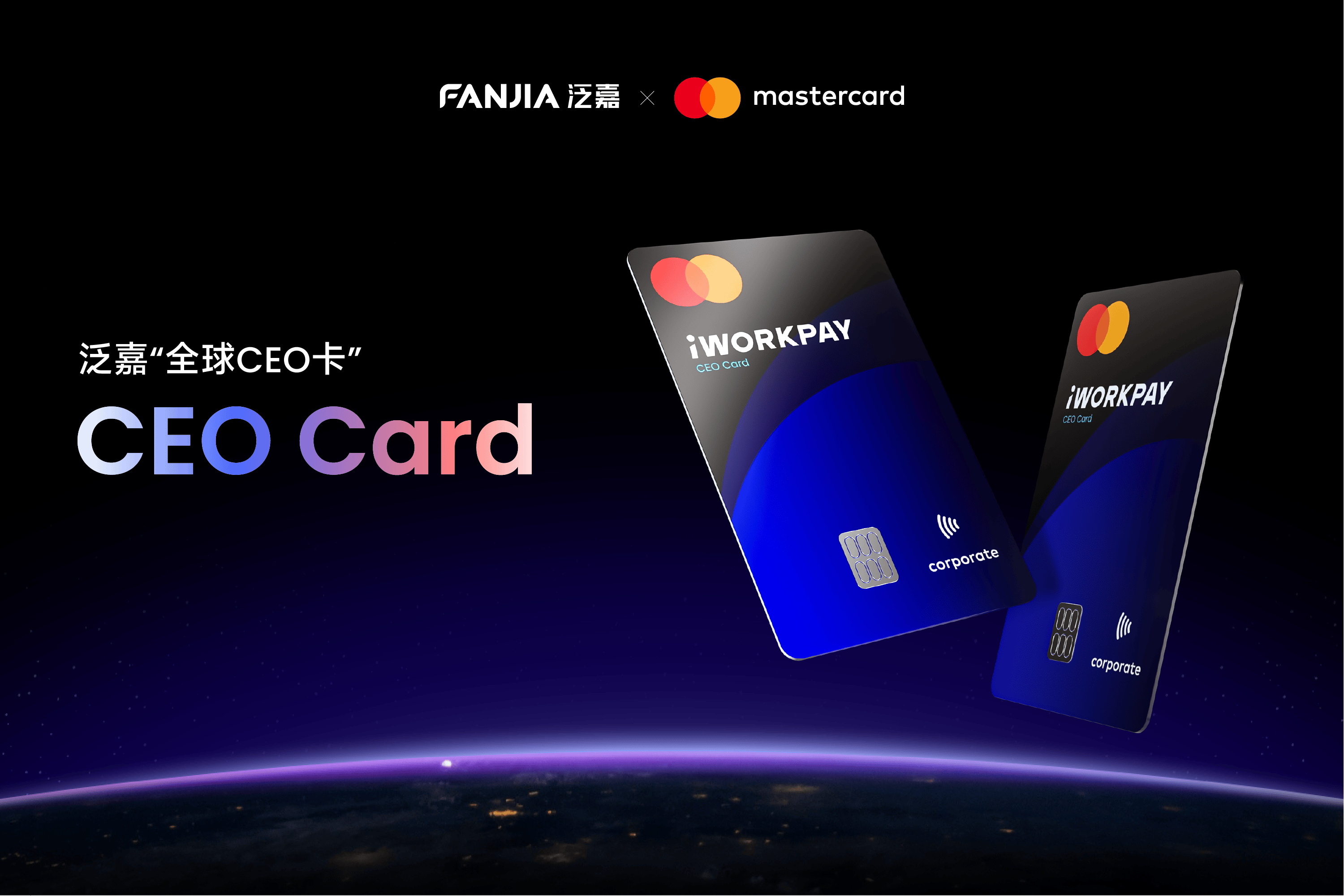
泛嘉携手Mastercard首发“全球CEO卡”,打造跨境支付新生态,赋能全球贸易网络
Sou Hu Cai Jing· 2025-07-14 11:06
泛嘉携手支付巨头Mastercard(万事达卡)推出"全球CEO卡",升级"工作贝"全球化支付能力,为海内外企业及员工提供一站式跨境支付解决方案,从支付 效率到安全保障全方位赋能,助力企业拓展全球贸易网络,在国际市场上稳步开拓、行稳致远。 当前,随着全球化进程加速,企业境外消费正面临支付渠道受限、结算滞后、报销对账复杂、成本难控等诸多挑战。针对这些出海难题,泛嘉依托 "工作 贝" 的数智化优势,结合Mastercard覆盖全球 200 多个国家和地区的强大清算网络以及领先的技术创新能力,共同为企业及员工打造更高效、便捷、安全的 跨境支付体验。 一太客(亚洲最大公务机机库)、江苏公务航空(东南亚航线全覆盖)等顶尖公务机资源,为全球贸易往来中的跨国商务活动提供高效灵活的空中出行解决 方案…这一系列举措的落地,确保用户无论身处全球任何角落,都能享受到始终如一的优质便捷服务,更致力于构建高效、顺畅的全球贸易服务生态。 在全球化趋势加速、企业对跨境运营效率与合规性提出更高要求的时代背景下,泛嘉也将持续深化全球资源整合与技术创新,不断完善跨境支付及配套服务 体系,赋能全球贸易网络,助力全球合作伙伴幸福前行。 "全球 CE ...

Can Mastercard Stay Ahead in the Race Toward a Digital Wallet Future?
ZACKS· 2025-07-11 15:51
Core Insights - Mastercard is transforming into a tech-forward payments enabler as physical cards decline in usage, focusing on digital wallets and tokenized payments [1][2] Group 1: Company Strategy - Mastercard is enhancing its Digital Enablement Service and Tokenization services to help banks and fintech securely integrate card details into digital wallets like Apple Pay, Google Pay, and Samsung Pay [2] - The company is engaging in the Buy Now, Pay Later trend and exploring Central Bank Digital Currencies (CBDCs) and crypto initiatives to remain relevant in a changing landscape [2][8] - By partnering with major tech companies, Mastercard is ensuring its credentials are integrated into digital ecosystems, facilitating tap-to-pay transactions and launching APIs for smoother checkout experiences [3] Group 2: Technology and Security - The focus on cybersecurity, biometric authentication, and AI-powered fraud detection is critical for building trust in the digital payments space [4] - Mastercard's global network and strategic collaborations position it well for a cardless future, emphasizing the need for faster innovation to stay ahead of fintech and tech-native competitors [4] Group 3: Competitive Landscape - Competitors like Visa and PayPal are also advancing in the digital wallet space, with Visa focusing on real-time payments and PayPal enhancing its direct user engagement through its own digital wallet [5][6] Group 4: Financial Performance - Year-to-date, Mastercard's shares have increased by 7%, outperforming the industry's rise of 5.4% [7] - The company trades at a forward price-to-earnings ratio of 32.36, above the industry average of 22.76 [9] - The Zacks Consensus Estimate for Mastercard's 2025 earnings indicates a growth of 9.5% from the previous year, with recent upward estimate revisions [10]
Apple, Visa and Mastercard Antitrust Lawsuit Tossed by Federal Judge
PYMNTS.com· 2025-07-10 19:41
Core Viewpoint - Apple, Visa, and Mastercard achieved a legal victory in an antitrust lawsuit, with a federal judge dismissing the case due to insufficient evidence from the plaintiffs [2][3]. Group 1: Legal Proceedings - U.S. District Judge David Dugan ruled that the merchants did not provide adequate evidence to support their claims against Apple for not launching a competing payment network [2]. - The judge allowed the plaintiffs to amend their lawsuit to strengthen their claims, despite finding their initial allegations to be circumstantial [3]. - The defendants, Apple, Visa, and Mastercard, denied any wrongdoing and sought dismissal of the lawsuit [3]. Group 2: Allegations and Defense - The lawsuit, filed in 2023, accused Apple of conspiring with Visa and Mastercard to avoid competition, claiming that Visa and Mastercard paid Apple a significant portion of transaction fees for purchases made using Apple Pay [4]. - The plaintiffs alleged that these payments constituted a "very large and ongoing cash bribe" amounting to hundreds of millions of dollars annually [5]. - Apple contended that the complaint did not demonstrate any intention to enter the payments network market to compete with Visa or Mastercard [5]. Group 3: Industry Context - The ruling comes at a time when mobile wallets are increasingly influencing consumer in-store transactions globally, accounting for 21% of all in-store transactions, reflecting a 10.9% increase since 2022 [6].



Buy 3 AI-Powered Giant Financial Transaction Services Stocks for 2H25
ZACKS· 2025-07-10 13:06
Industry Overview - The financial transaction services industry is poised for growth due to increasing transaction volumes driven by digital adoption and ongoing global digitization [1][2] - Providers are also benefiting from the rise in contactless and cross-border payments, resilient consumer spending, and strategic growth through mergers and acquisitions [2][4] - The industry is currently ranked in the top 18% of Zacks Industry Rank, indicating potential outperformance in the market over the next three to six months [5] Company Insights Visa Inc. - Visa's market position is strengthened by consistent volume-driven growth, acquisitions, and technological leadership in digital payments [7] - The company has invested $3.5 billion in a data platform to prevent $40 billion in fraud annually, embedding AI into over 100 products for fraud prevention and cybersecurity [9][10] - Visa's expected revenue and earnings growth rates for the current year are 10.2% and 12.9%, respectively, with a recent improvement in earnings estimates [10] Mastercard Inc. - Mastercard is expanding its addressable markets through acquisitions, with an expected net revenue increase of 13% year over year in 2025 [11] - The company is leveraging AI across various operations, including fraud detection, payment processing optimization, and customer experience personalization [12] - Mastercard's expected revenue and earnings growth rates for the current year are 13.1% and 9.7%, respectively, with a recent improvement in earnings estimates [14] PayPal Holdings Inc. - PayPal is experiencing robust growth in total payment volume, with strengthening customer engagement and improving monetization efforts on its platform [15][16] - The company is leveraging AI to enhance fraud detection, personalized experiences, and operational efficiency [17] - PayPal's expected revenue and earnings growth rates for the current year are 3.7% and 8%, respectively, with a recent improvement in earnings estimates [17]


Mastercard's Vocalink Fined $16 Million for UK Compliance Failure
PYMNTS.com· 2025-07-09 20:51
Group 1 - The Bank of England has fined Vocalink, a Mastercard-owned company, $16.2 million for inadequate risk management and governance failures [1][2][3] - This penalty is significant as it marks the first time the Bank of England has imposed financial penalties on a financial market infrastructure company [2] - Vocalink's failure to comply with the Bank of England's governance requirements, identified in 2022, led to the fine [2][3] Group 2 - Vocalink was able to reduce its penalty from £20 million (approximately $27 million) by cooperating with the investigation and admitting to compliance failures early [4] - A spokesperson for Vocalink stated that improvements have been made since the issues were identified in 2020, and these historic issues did not impact the services provided to U.K. consumers and businesses [5] Group 3 - Recent research indicates a mismatch in how financial institutions approach real-time payments, with many enabling receipt but not instant sending capabilities [6][7] - This imbalance in real-time payment capabilities could limit the potential of advanced payment networks and may lead to financial institutions losing market share if they do not implement both sending and receiving functionalities [7]

Fees, Fines & Gains: Mastercard's 13% 3-Month Rise Laughs at Headlines
ZACKS· 2025-07-09 14:56
Core Insights - Mastercard's shares have increased by 12.7% over the past three months, outperforming Visa and the broader industry, which rose by 9.2% and 10.1% respectively, while American Express surged by 28.4% [2][7] - The company is navigating significant legal and regulatory challenges, particularly concerning interchange and network fees, which are critical to its revenue model [5][6] - Mastercard is proactively integrating stablecoins into its payment ecosystem, aiming to enhance transaction efficiency while maintaining its competitive edge [9][10] Regulatory and Competitive Landscape - Recent rulings in the U.K. have deemed Mastercard and Visa's interchange fees as violations of European competition laws, potentially leading to regulatory caps [5] - In the U.S., the Department of Justice has accused Mastercard and Visa of overcharging merchants, with proposed legislation that could disrupt Mastercard's pricing power [6] - The company faces increasing competition from fintechs and major retailers exploring alternative payment systems, including stablecoin-based solutions [8] Financial Performance and Growth Drivers - Mastercard's forward P/E ratio stands at 32.32X, above the industry average of 22.87X, indicating strong investor confidence [12] - The company's Value-Added Services have seen revenue growth of 17.7% in 2023, with continued growth projected for 2024 and 2025 [15] - In Q1 2025, Mastercard generated $2.4 billion in operating cash flow, up from $1.7 billion a year ago, and repurchased shares worth $2.5 billion [16] Future Outlook - Analyst estimates suggest EPS growth of 9.5% in 2025 and 16.6% in 2026, with revenue growth expected at 13.1% and 11.9% respectively [17] - The company has consistently outperformed earnings expectations, with an average earnings surprise of 3.7% over the last four quarters [17] - Mastercard's ability to innovate and adapt to market changes positions it favorably for long-term growth despite current challenges [18][19]

Bitget Wallet 与 Mastercard 和 Immersve 合作推出零手续费加密货币支付卡
Globenewswire· 2025-07-08 22:27
Core Insights - Bitget Wallet, in collaboration with Mastercard and Immersve, has launched a new cryptocurrency-linked card aimed at enhancing the convenience and efficiency of cryptocurrency payments [2][3] - The card allows users to make payments directly through their digital wallets at over 150 million Mastercard-accepting merchants globally [2] - The product is positioned as a bridge for users to extend self-custodied assets into everyday spending [3] Company Overview - Bitget Wallet is a non-custodial cryptocurrency wallet with over 80 million users, offering a full suite of cryptocurrency services including swaps, market insights, staking, rewards, and payment solutions [4] - The wallet supports over 130 blockchains, 20,000 decentralized applications, and one million tokens, facilitating seamless multi-chain transactions [4] - Bitget Wallet aims to make cryptocurrency accessible to everyone, with a vision of integrating it into the daily lives of a billion people [4] Industry Context - The launch of the card comes at a time of increasing interest in the practical applications of cryptocurrency, as the payment ecosystem seeks to integrate blockchain-driven solutions with traditional financial systems [3] - Mastercard is committed to simplifying and securing cryptocurrency transactions, aiming for widespread adoption in mainstream applications [3] - Immersve, as a core member of the Mastercard network, provides a platform that supports both centralized and decentralized payment experiences, facilitating seamless payments globally [4]
