
NXP(NXPI)

Search documents
Down 10% in 4 Weeks, Here's Why You Should You Buy the Dip in NXP (NXPI)
ZACKS· 2026-03-09 14:35
Core Viewpoint - NXP Semiconductors (NXPI) has experienced significant selling pressure, resulting in a 10.1% decline in stock price over the past four weeks, but analysts anticipate better earnings than previously predicted, indicating potential for recovery [1]. Group 1: Technical Analysis - The Relative Strength Index (RSI) is utilized to determine if NXPI is oversold, with a current RSI reading of 28.16, suggesting that the stock is nearing a reversal point [2][5]. - Stocks oscillate between overbought and oversold conditions, and the RSI helps identify potential entry opportunities for investors looking to benefit from price rebounds [3]. Group 2: Fundamental Indicators - Analysts have raised earnings estimates for NXPI by 0.8% over the last 30 days, indicating a consensus among sell-side analysts that could lead to price appreciation [7]. - NXPI holds a Zacks Rank 2 (Buy), placing it in the top 20% of over 4,000 ranked stocks, which further supports the potential for a near-term turnaround [8].


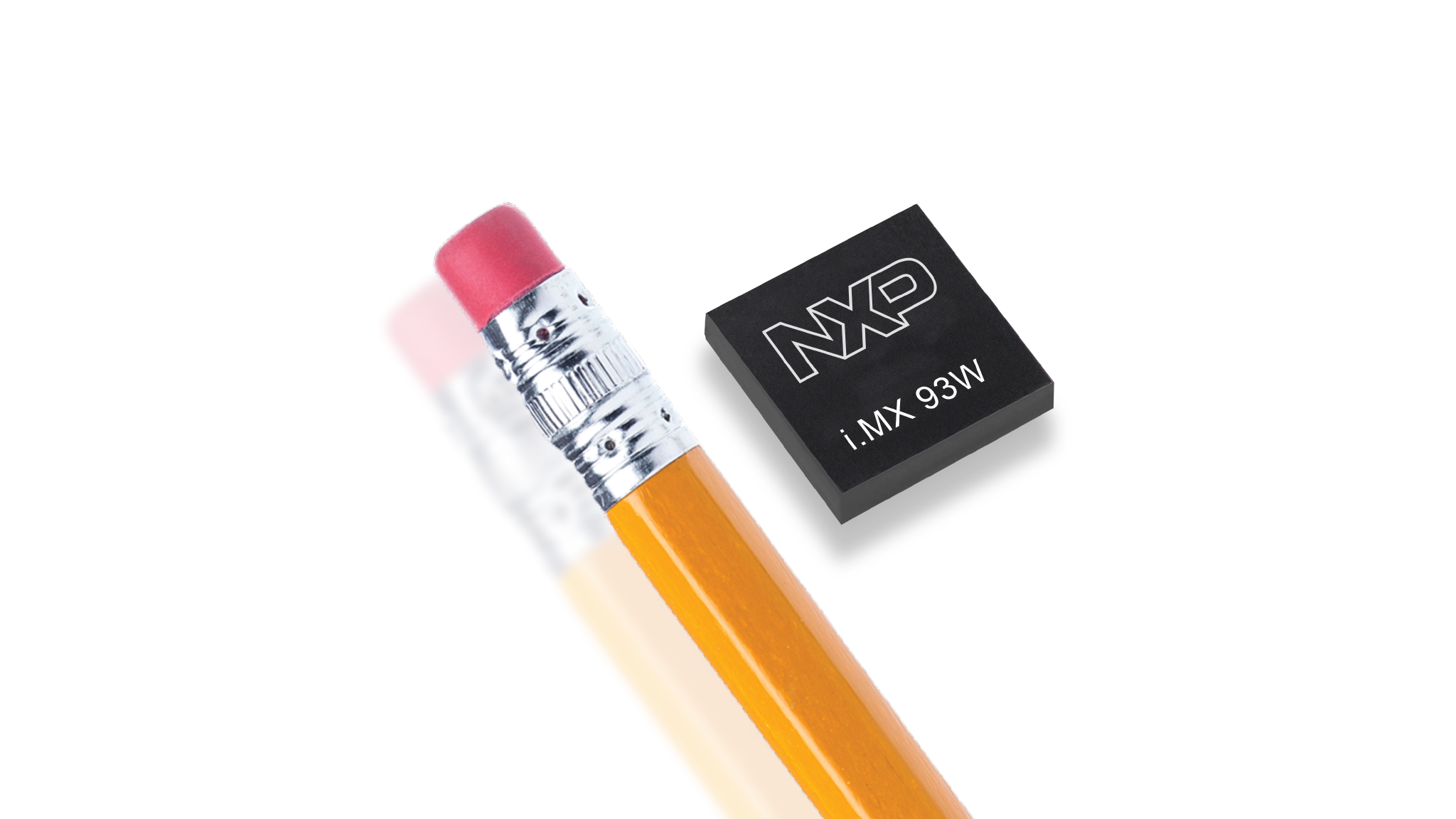
NXP’s New i.MX 93W Fuses Edge Compute and Secure Wireless Connectivity to Accelerate Physical AI
Globenewswire· 2026-03-09 08:00
Core Insights - NXP Semiconductors has launched the i.MX 93W applications processor, which is designed to accelerate the deployment of physical AI by integrating a dedicated AI neural processing unit (NPU) with secure tri-radio wireless connectivity [2][4][6] Product Features - The i.MX 93W is the first applications processor to combine an AI NPU with secure tri-radio connectivity, allowing customers to replace up to 60 discrete components with a single package [6][8] - It features a dual-core Arm Cortex-A55 applications processor and an Arm Ethos NPU capable of up to 1.8 eTOPs, enhancing processing power for AI applications [8] - The integrated IW610 tri-radio supports Wi-Fi 6, Bluetooth Low Energy, and 802.15.4 connectivity, facilitating Matter and Thread deployments [8] Market Impact - The i.MX 93W is expected to simplify the integration of AI and secure wireless connectivity, reducing design complexity and accelerating time-to-market for various applications, including healthcare devices and smart building controllers [4][5][8] - Pre-certified reference designs associated with the i.MX 93W minimize RF tuning efforts and reduce the complexity and cost traditionally associated with RF design and wireless certification [10] Security Features - The i.MX 93W integrates an EdgeLock Secure Enclave, addressing regulatory requirements and simplifying the implementation of security-critical functions such as secure boot and device attestation [9] Availability - The i.MX 93W is expected to begin sampling in the second half of 2026 [11]
NXP's New i.MX 93W Fuses Edge Compute and Secure Wireless Connectivity to Accelerate Physical AI
Globenewswire· 2026-03-09 08:00
Core Insights - NXP Semiconductors has launched the i.MX 93W applications processor, which is designed to accelerate the deployment of physical AI by integrating a dedicated AI neural processing unit (NPU) with secure tri-radio wireless connectivity [2][4][6] Product Features - The i.MX 93W is the first applications processor to combine an AI NPU with secure tri-radio connectivity, allowing customers to replace up to 60 discrete components with a single package [6][8] - It features a dual-core Arm Cortex A55 applications processor and an Arm Ethos NPU capable of up to 1.8 eTOPs, enhancing processing power for AI applications [8] - The integrated IW610 tri-radio supports Wi-Fi 6, Bluetooth Low Energy, and 802.15.4 connectivity, simplifying system design and certification [7][8] Market Impact - The i.MX 93W is expected to help customers scale physical AI applications across various sectors, including healthcare, smart buildings, industrial gateways, and smart home hubs [4][5] - Pre-certified reference designs associated with the i.MX 93W minimize RF tuning efforts and reduce the complexity and cost of wireless certification, thereby accelerating time-to-market [10] Security Features - The i.MX 93W integrates an EdgeLock Secure Enclave, which addresses regulatory requirements and simplifies the implementation of security-critical functions [9] - This hardware root of trust supports secure boot, secure update, device attestation, and secure device access, enhancing the overall security of the applications [9] Availability - The i.MX 93W is expected to begin sampling in the second half of 2026, indicating a forthcoming opportunity for developers and manufacturers [11]

【买卖芯片找老王】260305 华邦/美光/三星/博通/TE/ADI/安世/TDK
芯世相· 2026-03-05 03:21
Core Viewpoint - The article discusses the challenges of managing excess inventory in the semiconductor industry, highlighting the financial burden of storage and capital costs associated with unsold materials. It promotes a service that facilitates quick sales of surplus inventory to mitigate losses. Group 1: Inventory Management - A batch of 100,000 units of obsolete materials incurs a monthly storage and capital cost of at least 5,000, leading to a potential loss of 30,000 if held for six months [1] - The company offers a platform that has served 22,000 users, enabling rapid inventory clearance, with transactions completed in as little as half a day [9][10] Group 2: Inventory Listings - The article lists various semiconductor components available for sale, including: - 6,000 units of W988D6FBGX6I from Winbond, 25+ years old [4] - 90,000 units of W25Q16JVBYIQ from Winbond, 22+ years old [4] - 10,000 units of BTS724G from Infineon, within two years [5] - 350,000 units of BCM23550A1IFDBG from Broadcom, 14+ years old [5] Group 3: Demand for Components - The article also includes a request for specific components, indicating ongoing demand in the market, such as: - 6,080 units of SV823 from Yizhi, within two years [7] - 30,000 units of AT7456E from Zhongkewei, within two years [7] Group 4: Warehouse and Quality Control - The company operates a 1,600 square meter smart warehouse with over 1,000 models and 50 million chips in stock, valued at over 100 million [8] - Each component undergoes quality control checks in an independent laboratory located in Shenzhen [8]



Why Is NXP (NXPI) Down 2.5% Since Last Earnings Report?
ZACKS· 2026-03-04 17:31
It has been about a month since the last earnings report for NXP Semiconductors (NXPI) . Shares have lost about 2.5% in that time frame, underperforming the S&P 500.But investors have to be wondering, will the recent negative trend continue leading up to its next earnings release, or is NXP due for a breakout? Before we dive into how investors and analysts have reacted as of late, let's take a quick look at its most recent earnings report in order to get a better handle on the important drivers.NXP Semicond ...

NXP Semiconductors N.V. (NXPI) Presents at Morgan Stanley Technology, Media & Telecom Conference 2026 Transcript
Seeking Alpha· 2026-03-03 20:52
Company Overview - The company is excited about its current trajectory of bringing intelligent systems to the edge, indicating a strong conviction in its strategic direction [2]. Industry Environment - The company reported a strong Q4 performance and a positive outlook for Q1, noting that the results are better than expected compared to 90 days prior [3]. - The improvement in Q1 performance is attributed to a robust backlog in both direct and channel sales, with broad-based recovery across all segments year-on-year [3].

NXP Semiconductors (NasdaqGS:NXPI) 2026 Conference Transcript
2026-03-03 16:47
NXP Semiconductors Conference Call Summary Company Overview - **Company**: NXP Semiconductors (NasdaqGS:NXPI) - **Date**: March 03, 2026 - **Focus**: Automotive and Industrial sectors, particularly in intelligent systems and software-defined vehicles Key Points Industry Environment - **Q4 Performance**: Strong results with a robust outlook for Q1, better than expected 90 days prior, driven by improved visibility and strengthened backlogs in both direct and channel sales [4][6] - **Broad-Based Recovery**: All segments are showing year-on-year improvement, particularly in automotive and industrial sectors [6][53] Automotive Sector Insights - **Content Growth**: The automotive sector is experiencing content growth due to the transition to software-defined vehicles, which is becoming a core part of NXP's strategy [20][22] - **Market Dynamics**: The automotive supply chain is complex, with inventory levels deemed below manufacturing cycle time, leading to tight supply conditions [11][13] - **Regional Differences**: The Chinese automotive market is out of sync with other regions, but there is a strong trend towards software-defined vehicles globally [18][34] - **Investment in Software-Defined Vehicles**: NXP is focusing on high-performance compute platforms to support the transition to software-defined vehicles, which is seen as a significant growth driver [23][30] Growth Drivers - **Accelerated Growth in Automotive**: Growth drivers in automotive represented 39% of revenue in 2024, increasing to 43% in 2025, with expectations to exceed 50% by 2027 [51][52] - **Electrification and ADAS**: Both electrification and Advanced Driver-Assistance Systems (ADAS) are key growth areas, with significant investments being made [32][43] Industrial Sector Insights - **Broad-Based Recovery**: The industrial sector is also experiencing a broad-based recovery, with strong growth in factory automation, energy storage, and building automation [53][56] - **AI at the Edge**: There is a significant interest in deploying AI at the edge, which is becoming central to conversations with industrial customers [57][63] - **Market Growth**: Industrial IoT revenue grew 24% year-over-year in Q4, with expectations for continued growth in the low 20s for Q1 [65] Competitive Landscape - **Competition in Automotive**: NXP faces competition from traditional microcontroller manufacturers and companies focusing on infotainment systems, but its unique position in high-performance compute gives it an advantage [25][30] - **Chinese Market Dynamics**: The Chinese automotive market is highly competitive, with local semiconductor companies making strides in high-performance compute for ADAS and infotainment [39][40] Financial Performance - **Revenue Growth**: NXP's revenue from accelerated growth drivers in automotive is expected to continue growing, with a significant increase projected for 2027 [31][51] - **Gross Margin Outlook**: The company anticipates a gross margin model of 57% to 63%, with potential increases driven by economies of scale from joint ventures [79] Other Notable Points - **Secure Cards Segment**: The transition from RF and digital networking to secure cards is expected to provide more predictable revenue streams [74][75] - **Mobile Market Position**: NXP is focusing on niche premium segments within the mobile market, with a growth rate of close to 6% driven by mobile wallet content gains [77][78] This summary encapsulates the key insights and strategic directions discussed during the NXP Semiconductors conference call, highlighting the company's focus on automotive and industrial growth, particularly through software-defined vehicles and AI integration.
NXP Semiconductors Stock: Is NXPI Underperforming the Technology Sector?
Yahoo Finance· 2026-03-02 14:13
Core Insights - NXP Semiconductors N.V. has a market capitalization of $57.4 billion and operates globally, providing advanced chip solutions across various regions [1] - The company is classified as a large-cap stock, with a diverse product portfolio that includes microcontrollers, processors, wireless connectivity solutions, and sensors, serving key markets such as automotive and Internet of Things [2] Stock Performance - NXP's stock has decreased by 11.5% from its 52-week high of $256.36, but has increased by 17.2% over the past three months, outperforming the State Street Technology Select Sector SPDR ETF, which declined by 2.2% [3] - Year-to-date, NXPI stock has risen by 4.6%, while the XLK ETF has decreased by 3.6%. However, over the past 52 weeks, NXPI has gained only 4.7%, significantly lagging behind XLK's 24.7% gain [6] Financial Performance - Following the Q4 2025 results, NXPI shares fell by 4.5% due to a weaker-than-expected Q1 2026 outlook, with revenue guidance at a midpoint of $3.15 billion, indicating a 6% sequential decline [7] - The Q4 operating margin decreased to 22.3%, and earnings per share (EPS) dropped by 28% quarter-on-quarter to $1.79. Additionally, 2025 revenue fell by 3% year-on-year to $12.27 billion, with a notable 18% decline in Communications Infrastructure in Q4 [7] Competitive Landscape - Rival Microchip Technology Incorporated has outperformed NXP, with a year-to-date return of 17.1% and a 52-week return of 30.7% [8]
Bernstein Raises NXPI Price Target to $240 from $220 After Solid Q4
Yahoo Finance· 2026-02-25 02:29
We recently published an article titled 13 Best Internet of Things (IoT) Stocks to Buy Now. On February 4, NXP Semiconductors N.V. (NASDAQ:NXPI) saw Bernstein analyst Stacy Rasgon raise the firm’s price target to $240 from $220 while maintaining a Market Perform rating. The analyst characterized fourth-quarter results as solid overall, with performance mixed across end markets: automotive revenue trailed expectations, Industrial and IoT were largely in line, Mobile exceeded forecasts, and Communications I ...
NXP(NXPI) - 2025 Q4 - Annual Report
2026-02-19 11:04
Financial Performance - NXP Semiconductors reported revenue of $12,269 million for the year ended December 31, 2025, a decrease from $12,614 million in 2024, representing a decline of approximately 2.7%[23]. - Revenue for 2025 was $12.3 billion, a decrease of 2.7% year-on-year[220]. - GAAP gross margin was 54.7%, while non-GAAP gross margin was 56.8%[220]. - Cash flow from operations amounted to $2,820 million, resulting in non-GAAP free cash flow of $2,425 million after net capital expenditures of $395 million[220]. - NXP returned a total of $1,924 million to shareholders through $1,025 million in cash dividends and $899 million in share repurchases during 2025[220]. Acquisitions and Strategic Transactions - NXP completed the acquisition of TTTech Auto for $766 million, enhancing its offerings in safety-critical systems for software-defined vehicles[28]. - The company also acquired Aviva Links for $222 million, expanding its automotive networking solutions[29]. - NXP's acquisition of Kinara, valued at $284 million, aims to enhance its capabilities in AI-powered edge systems with high-performance neural processing units[30]. - NXP completed the acquisition of TTTech Auto for $766 million, enhancing its offerings in automotive and industrial markets[216]. - The acquisition of Aviva Links for $222 million was finalized, expanding NXP's automotive networking solutions[217]. - NXP acquired Kinara, Inc. for $284 million, focusing on AI-powered edge systems[218]. - The company sold its MEMS sensors business line for $900 million, with potential additional earnings of $50 million based on technical milestones[219]. Market Trends and Opportunities - The semiconductor market reached a total value of $791.7 billion in 2025, indicating significant growth opportunities within the industry[27]. - The automotive semiconductor market is expected to grow due to increased semiconductor content per vehicle, driven by trends such as autonomous driving and electrification[34]. - The demand for mobile applications is increasing, particularly for features like mobile wallets and Ultra-Wideband technology, driving higher semiconductor content[42]. - NXP's focus on secure edge identification and 5G technology positions it well within the communication infrastructure market, which is experiencing growth due to digitalization and increased connectivity[44][45]. Product Portfolio and Innovation - NXP's product portfolio includes microcontrollers, application processors, and connectivity solutions, which are critical for various applications in automotive, industrial, and IoT markets[47]. - The company emphasizes the importance of system solutions that reduce complexity and integration efforts, aiming to shorten time to market for its customers[47]. - The company offers a portfolio of 64-bit Arm-based Layerscape processors with up to 16 CPUs and Ethernet ports running at up to 100Gbps, used in various communication infrastructures[52]. - The company is a market leader in automotive applications, providing integrated 77GHz radar solutions for ADAS and battery management products for electrification[54]. - NXP leads in High-Performance Radio Frequency (HPRF) power amplifiers, with solutions addressing 5G RF power amplification needs from MIMO to massive MIMO[55]. - The company is the market leader in security controller ICs, embedded in smart cards and consumer electronic devices, ensuring high security and reliability[56]. Research and Development - NXP invests in R&D to enhance existing products and develop new semiconductor solutions, targeting applications with stringent performance requirements[72][74]. - The company allocates R&D resources based on business needs and potential market size, maintaining a mix of emerging growth and mature businesses[75]. - NXP receives subsidies and grants from governments to support R&D activities, which may include compliance with extensive regulatory requirements[76]. - The company is involved in the European IPCEI ME/CT program, focusing on core technologies such as 5nm, advanced driving assistance, 6G, and AI, with a project duration planned until the end of 2029[77]. - The company holds a broad portfolio of approximately 9,500 patent families, which helps preserve the advantages of its products and technologies[78]. Workforce and Employee Engagement - As of December 31, 2025, the company employed approximately 32,169 employees worldwide, with 11,034 team members engaged in research and development activities[91][92]. - The company's voluntary attrition rate for 2025 was 5.1%, indicating a focus on retaining critical talent[99]. - The company utilizes structured feedback mechanisms, such as the Winning Culture Survey, with a 90% participation rate in 2025 to monitor team member engagement[98]. - The company emphasizes continuous learning and development to strengthen workforce capabilities, aligning with evolving business needs[103]. Risks and Challenges - The semiconductor industry is highly cyclical, with historical downturns linked to supply-demand imbalances and economic conditions, which may adversely affect the company's financial results[113][114]. - The company faces significant competition in the semiconductor industry, necessitating timely introduction of new technologies and products to maintain competitiveness[116]. - The semiconductor industry is characterized by continued price erosion, particularly after products have been on the market, which can lead to intense pricing pressure on older technology products[122]. - The company faces significant risks related to the development of new products, as commitments must be made well in advance, and changes in technology may render products outdated before introduction[118]. - Demand for the company's products is heavily influenced by the end markets, particularly Automotive, Industrial & IoT, Mobile, and Communication Infrastructure, which are subject to fluctuations based on consumer spending and economic conditions[120]. - The company may experience declining sales volumes or lower prices due to competitive pressures from larger, well-established competitors with greater resources[119]. - International business risks, including tariffs and trade restrictions, could materially affect the company's financial condition and operations, particularly in light of ongoing investigations into the semiconductor industry by the U.S. government[126]. - The company is exposed to potential product liability and warranty claims due to the complexity of its electronic components, which could result in significant costs and damage to reputation[133]. - Security vulnerabilities in the company's products pose risks that could adversely affect financial results, customer relationships, and overall reputation[135]. - The company must manage high fixed costs in a volatile market, which can lead to lower gross profit during periods of reduced demand[129]. - Goodwill and other identifiable intangible assets represent a significant portion of total assets, and any impairment could adversely affect the company's financial position and results of operations[127]. - Manufacturing operations are highly complex and subject to disruptions, which could materially harm the company's financial results[138]. - The company relies on a limited number of suppliers for critical equipment and materials, and any failure to meet delivery obligations could adversely affect operations[139]. - Supply disruptions, particularly in critical materials like silicon wafers, could lead to increased costs and negatively impact gross profit margins[140]. - The company faced semiconductor shortages in 2022, which limited the availability of silicon wafers and affected product supply and financial performance[141]. - A significant portion of revenue is derived from top customers, and any reduction in their purchases could materially impact the company's financial condition[142]. - Government subsidies and grants are crucial for operations, and any reduction or demands for repayment could increase costs and adversely affect results[143]. - Natural disasters and climate change pose risks to manufacturing operations, potentially leading to increased costs and disruptions[145]. - The company engages in acquisitions and strategic transactions, but failure to achieve anticipated benefits could adversely affect operations[147]. - Regulatory compliance is complex and evolving, and non-compliance could result in fines or sanctions, impacting financial performance[153]. - Environmental liabilities from past operations could lead to significant costs, affecting the company's financial condition[157]. - The company is exposed to potential changes in tax laws that could adversely affect its financial condition, particularly regarding multinational taxation[186]. - The market for qualified employees is highly competitive, and the loss of key personnel could adversely affect the company's operations[165]. - The transition of leadership with the retirement of the CEO could pose risks to operational stability and relationships with stakeholders[166]. - The company may face challenges in protecting its intellectual property, which could impact its competitive advantage[162]. - There is uncertainty regarding the enforceability of U.S. civil liabilities against the company due to its incorporation in the Netherlands[167]. - The company is exposed to risks related to compliance with covenants in its debt agreements, which could affect its financial condition[176]. Debt and Financial Obligations - The company has outstanding indebtedness with an aggregate principal amount of $12,290 million as of December 31, 2025[174]. - The revolving credit facility agreement was restated to $3,000 million as of February 6, 2026[174]. - The company’s ability to service its debt and fund capital expenditures may be impacted by its cash flows and capital resources, which could lead to asset sales or restructuring[177]. - The company’s debt ratings by major agencies may fluctuate, affecting its borrowing capacity and financing costs[179]. - The company has a net accrued benefit liability of $342 million as of December 31, 2025, representing unfunded benefit obligations of its defined benefit pension plans[184]. Cybersecurity and Compliance - The company has experienced no cybersecurity incidents that materially affected its business strategy or financial condition to date[197]. - The company has a multi-layer approach to cybersecurity, including a 24x7 Security Operating Center (SOC) for monitoring threats[194]. - The company is certified and externally audited to ISO 27001 and maintains various cybersecurity training initiatives for employees[195]. - Cybersecurity risks include potential breaches that could lead to the misappropriation of proprietary information and significant financial loss[160]. - The company has experienced instances of employee misappropriation of proprietary technology, which could violate export control regulations[161].