Pfizer(PFE)

Search documents
Trump strikes deal with US drugmakers to cut Medicaid medicine costs
The Guardian· 2025-12-19 20:14
Core Insights - Donald Trump and nine major pharmaceutical companies have reached agreements to significantly reduce drug prices for the Medicaid program and cash payers, aiming to align US costs with those in other wealthy nations [1][2] Group 1: Price Reductions and Agreements - Drugmakers will cut prices on most drugs sold to Medicaid, promising "massive savings" on commonly used medicines, although specific figures were not disclosed [2] - The deals include agreements to lower cash-pay prices for select drugs, launch drugs in the US at prices equal to those in other wealthy nations, and increase manufacturing [3] - Merck plans to sell its diabetes drugs at approximately 70% off list prices directly to US consumers, with potential for its experimental cholesterol drug to be offered through direct channels [4] Group 2: Previous and Current Deals - Five companies had previously made agreements with the administration to control prices, while three companies have yet to announce deals [6] - Drugmakers committed to "most-favored-nation" pricing for all new US drug launches across various markets, including Medicare [7] Group 3: Financial Commitments and Investments - Companies pledged to invest over $150 billion in US research and development and manufacturing, with Merck contributing $70 billion of that total [8] - A portion of revenues from foreign sales will be remitted to the US to help offset costs [8] Group 4: Medicaid and Market Impact - Medicaid, which represents about 10% of US drug spending, already benefits from significant price discounts, sometimes exceeding 80% [9] - Pfizer indicated that Medicaid discounts would lead to price and margin compression in the upcoming year [9]



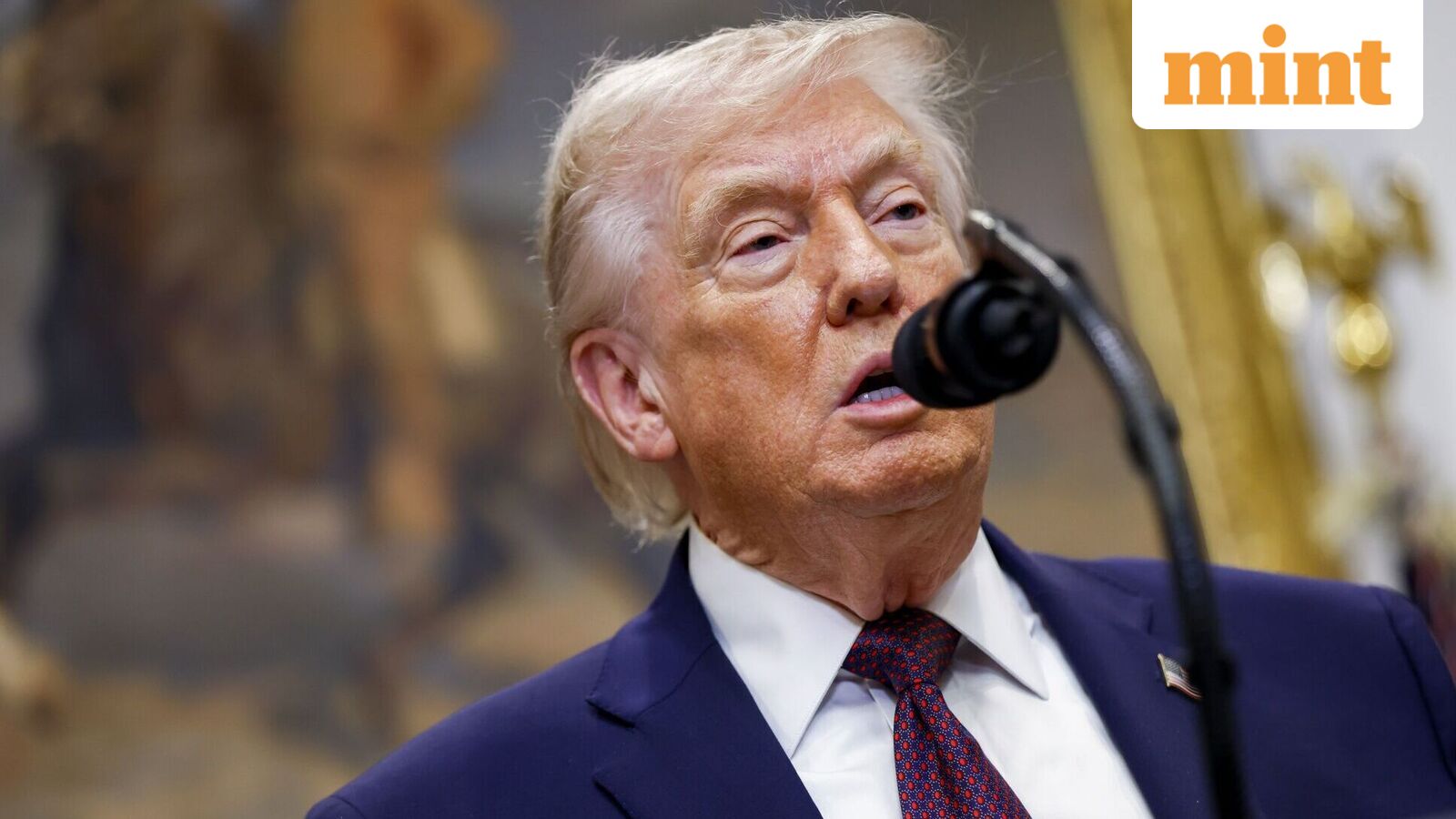
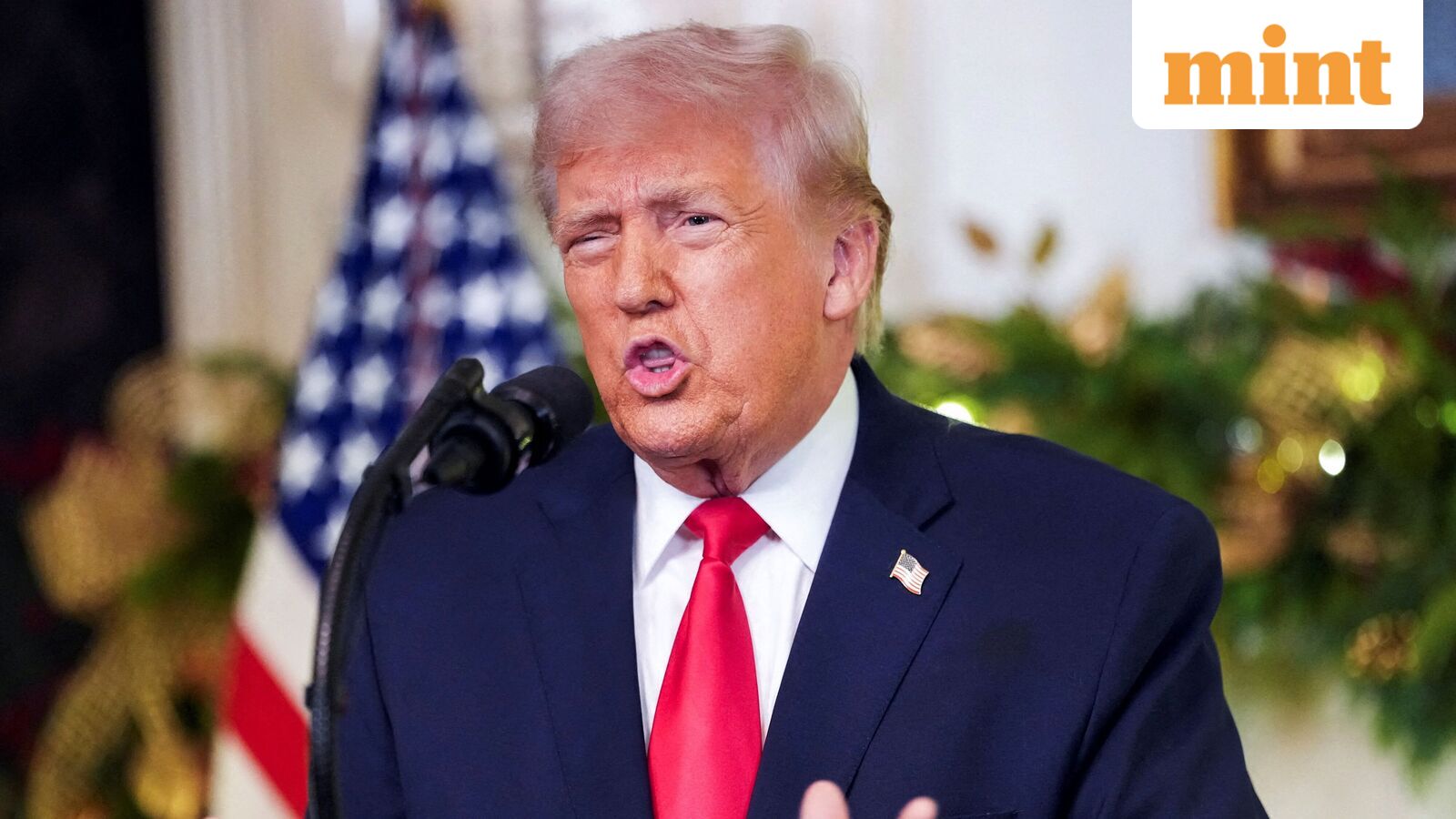
Trump secures agreements with Merck, Amgen, Novartis and others to cut drug prices under Medicaid
MINT· 2025-12-19 20:04
Core Points - US President Donald Trump announced agreements with nine major pharmaceutical companies to reduce drug prices for Medicaid and cash-paying consumers, aiming to align US drug costs with those in other wealthy nations [1][4] - Trump emphasized that the US was previously subsidizing global drug costs and will no longer do so [2] Group 1: Drugmakers Involved - Participating companies include Bristol Myers Squibb, Gilead Sciences, Novartis, Amgen, Boehringer Ingelheim, Sanofi, GSK, Merck, and Roche's US unit Genentech [3] - Additional companies like Regeneron, Johnson & Johnson, and AbbVie are expected to join after the holidays [3] Group 2: Price Reductions and Commitments - Drugmakers will reduce prices on most medicines sold to Medicaid, promising "massive savings" on widely used drugs, although specific figures were not disclosed [4] - The agreements also include commitments to cut cash prices for select medicines and to launch new drugs in the US at prices equal to those in other wealthy countries [5] Group 3: Specific Drug Pricing - Merck plans to sell diabetes drugs Januvia, Janumet, and Janumet XR at discounts of about 70% off list prices [7] - Amgen will price its migraine drug Aimovig and arthritis treatment Amjevita at $299 per month, which is nearly 60% and 80% below current US list prices, respectively [7] Group 4: Investment and Revenue Sharing - Companies pledged to invest over $150 billion in US research, development, and manufacturing, with Merck alone committing $70 billion [8] - A portion of each company's overseas revenue will be remitted to the US to help offset domestic drug costs, and several companies agreed to donate drug ingredients to the US strategic reserve [9] Group 5: Industry Reaction - Five drugmakers, including Pfizer and Eli Lilly, had already struck similar deals with the administration, and AbbVie is expected to announce its agreement soon [10]


Better Buy in 2026: Pfizer or Merck?
The Motley Fool· 2025-12-19 20:00
Core Viewpoint - The pharmaceutical giants Pfizer and Merck have underperformed in 2023, facing financial challenges and upcoming patent cliffs, leading to uncertainty in their medium-term outlooks. The article compares both companies to determine which presents a better investment opportunity heading into the new year. Pfizer - Pfizer's Eliquis, a leading blood thinner, is approaching patent expiration, which could exacerbate its already slow revenue and earnings growth [3] - The company has expanded its pipeline through internal efforts, acquisitions, and licensing deals, launching new products that are expected to impact financial results positively in the future [4] - Notable pipeline candidates include MET-097i, a promising weight loss drug with fewer side effects and a long-acting dosing schedule, and PF-4404, a cancer therapy that could become a standard treatment for certain cancers [5][7] - Pfizer is also implementing cost-cutting measures and has secured a deal with the White House to be exempt from tariffs for three years, which may help improve its margins and bottom line [8] Merck - Merck's sales from its HPV vaccines, Gardasil and Gardasil 9, have declined due to lower sales in China, and its best-selling cancer drug Keytruda faces a patent cliff by 2028 [9] - The company has introduced a new subcutaneous version of Keytruda, which offers a more convenient administration method and is expected to mitigate sales losses from biosimilars [10] - Merck's pipeline includes successful products like Winrevair for pulmonary arterial hypertension and Capvaxive, a pneumonia vaccine, both of which are expected to generate significant revenue [12][13] - An acquisition that adds CD388 to its pipeline could potentially transform the influenza vaccine market, indicating strong future prospects for Merck [13] Investment Comparison - Both Pfizer and Merck are considered viable long-term investment options, but Merck is viewed as the stronger choice due to better financial results and a more developed plan to address challenges [14][16] - Merck's higher profit margins and faster dividend growth over the past decade make it more attractive for dividend-seeking investors, despite Pfizer's higher forward dividend yield [17]
Pfizer Down After It Issues Muted 2026 Outlook: How to Play the Stock
ZACKS· 2025-12-19 16:50
Core Insights - Pfizer's stock has declined approximately 3% this week following the announcement of its financial guidance for 2026, which did not meet investor expectations [1] Financial Guidance - Pfizer anticipates total revenues for 2026 to be between $59.5 billion and $62.5 billion, reflecting modest growth from the revised 2025 revenue expectation of around $62 billion, primarily due to lower revenues from COVID products and the impending patent cliff [2] - The company expects adjusted earnings per share in the range of $2.80 to $3.00 for 2026, a decline from the 2025 expected range of $3.00 to $3.15, influenced by the dilutive impact of recent deals and lower COVID revenues [3] Oncology Segment - Pfizer holds a strong position in oncology, with oncology sales accounting for approximately 28% of total revenues, which have increased by 7% in the first nine months of 2025 [4][5] - The company is advancing its oncology pipeline and expects to have eight or more blockbuster oncology medicines by 2030 [5] Product Development and Acquisitions - Pfizer is focusing on expanding its product labels and has in-licensed rights for new oncology treatments, including a dual PD-1 and VEGF inhibitor [6][7] - The company has reduced its dependence on COVID-related revenues, with non-COVID operational revenues improving due to key products and new acquisitions, which are expected to deliver double-digit growth in 2026 [8][9] Challenges and Headwinds - Pfizer is facing a significant revenue impact from the loss of exclusivity for several key products between 2026 and 2030, which is projected to reduce sales by approximately $1.5 billion in 2026 [15] - The company is also experiencing lower sales of COVID products due to decreased vaccination and infection rates, with expected COVID revenues around $5 billion in 2026, down from $6.5 billion in 2025 [12][14] Stock Performance and Valuation - Pfizer's stock has underperformed compared to the industry and the S&P 500, losing 4.9% year-to-date [17] - The stock is currently trading at a price/earnings ratio of 8.04, significantly lower than the industry average of 17.11 and its five-year mean of 10.41, indicating potential attractiveness for investors [20] Future Outlook - Despite current challenges, Pfizer's key drugs and new product launches are expected to help offset losses from patent expirations, with anticipated cost savings of $7.7 billion by the end of 2027 [26] - The company is viewed as a hold in investment portfolios as it rebuilds its pipeline in oncology and obesity, which could drive growth from 2029 onwards [27]
Pfizer Isn't Dead Money, Pipeline Execution Can Spark A Rebound
Seeking Alpha· 2025-12-19 16:45
Core Insights - Pfizer Inc. (PFE) has shown strong performance against the market, which may please its investors [1] - The article highlights the investment approach of JR Research, who is recognized for identifying attractive risk/reward opportunities [1] Group 1: Investment Strategy - JR Research focuses on growth investing opportunities with significant upside potential, avoiding overhyped stocks [1] - The investment strategy combines price action analysis with fundamental investing, targeting beaten-down stocks with recovery potential [1] - The investment group Ultimate Growth Investing aims to identify high-potential opportunities across various sectors, emphasizing robust fundamentals and attractive valuations [1] Group 2: Analyst Recognition - JR Research has been acknowledged as a Top Analyst by TipRanks and Seeking Alpha for his insights in Technology, Software, and Internet sectors [1] - The analyst has demonstrated outperformance with his stock picks, aiming for alpha generation well above the S&P 500 [1]
UniCredit issues its first tokenised structured note
Reuters· 2025-12-19 16:42
Italian bank UniCredit said on Friday it had issued its first tokenised structured note for private investors, a week after issuing its first tokenised minibond together with state lender Cassa Deposi... ...

Trump to announce new deals with major drugmakers to lower US prescription drug prices
MINT· 2025-12-19 15:35
Group 1 - The US President is set to announce new agreements aimed at lowering prescription drug prices, with participation from major pharmaceutical companies including AbbVie, Bristol Myers Squibb, Gilead Sciences, and Merck [1] - Swiss drugmakers Novartis and Roche are also reportedly involved in the upcoming deals [1] - Previous agreements have been reached with five companies: Pfizer, Eli Lilly, AstraZeneca, Novo Nordisk, and EMD Serono [3] Group 2 - In July, the President directed 17 major pharmaceutical companies to offer most-favored-nation prices to the US Medicaid program and ensure new drugs are not priced higher than in other wealthy countries [2] - The remaining companies that have not yet reached agreements include Sanofi, Regeneron, Merck, Johnson & Johnson, AbbVie, Amgen, Gilead, Boehringer Ingelheim, Bristol Myers, GSK, Novartis, and Genentech [3] - AbbVie and Merck declined to comment on the new agreements, while Novartis expressed commitment to discussions and Roche supported the goal of reducing drug prices [4] Group 3 - The President has emphasized the significant disparity between US drug prices and those in other high-income countries, where government-run health systems negotiate for price discounts [5]


Pfizer (PFE) CEO’s Struggling Because Of “a Good Hand,” Says Jim Cramer
Yahoo Finance· 2025-12-19 14:51
We recently published 12 Stocks on Jim Cramer’s Radar. Pfizer Inc. (NYSE:PFE) is one of the stocks on Jim Cramer's radar. Pfizer Inc. (NYSE:PFE)’s shares are down by 5.90% year-to-date, and December has been a tumultuous month for them. On Tuesday, the stock dipped by 5.2% after the firm released its full-year 2026 guidance. The figures saw Pfizer Inc. (NYSE:PFE) forecast 2026 revenue to range between $59.5 billion to $62.5 billion and profit per share between $2.80 and $3. Both of these were below LSEG ...
安期货晨会纪要-20251219




Xin Yong An Guo Ji Zheng Quan· 2025-12-19 04:01
Core Insights - US core inflation unexpectedly eased to a four-year low, raising questions among economists about the reliability of the data due to a prior government shutdown [8][14] - ByteDance has signed an agreement to establish a joint venture in the US with majority ownership by American investors [8][14] Market Performance - The A-share market opened lower but closed higher, with the Shanghai Composite Index up 0.16% at 3876.37 points, while the Shenzhen Component fell 1.29% and the ChiNext Index dropped 2.17% [1] - The Hong Kong market also saw fluctuations, with the Hang Seng Index closing up 0.12% at 25498.13 points, while the Hang Seng Tech Index fell 0.73% [1][5] Economic Indicators - The US core Consumer Price Index (CPI) rose by 2.6% year-on-year in November, while the overall CPI increased by 2.7% [14] - The report indicated that core CPI only increased by 0.2% over the last two months, with declines in hotel, leisure, and clothing prices limiting the overall increase [14] Corporate Developments - TikTok announced the establishment of a joint venture with US investors, which will operate independently and manage US data protection and algorithm security [8][14] - China has reportedly ordered 7 million tons of US soybeans, achieving over half of the procurement target set during the Trump administration [8][14]
3 Absurdly Cheap Stocks You Can Buy For Less than $100 Right Now
The Motley Fool· 2025-12-19 01:30
Core Viewpoint - Despite high valuations in the stock market, there are still attractive investment opportunities in the healthcare sector, particularly in AstraZeneca, CVS Health, and Pfizer, which are trading at low earnings multiples and offer potential for growth [1][2]. AstraZeneca - AstraZeneca's stock is currently priced around $90, with a target of reaching $80 billion in annual revenue by 2030 and aiming for a core operating margin in the mid-30s [4]. - The company generated $58.1 billion in sales and $9.4 billion in earnings over the past 12 months, showing significant growth potential [5]. - AstraZeneca's forward P/E multiple is just under 18, below the S&P 500 average of 22, and it offers a dividend yield of 1.74% [7]. CVS Health - CVS Health's stock price is currently just under $80, having increased over 70% this year, and it has shown improved financial performance [8][10]. - Revenue for the first nine months of 2025 rose approximately 8% to $296.4 billion, with adjusted earnings per share projected between $6.55 and $6.65 for the full year [9]. - The stock's forward P/E is 11, indicating it is undervalued, and it offers a dividend yield of 3.42%, significantly higher than the S&P 500 average [11]. Pfizer - Pfizer's stock trades around $25, experiencing a 5% decline this year due to reduced demand for COVID-19 products, with projected sales of $62 billion [12][13]. - The stock has a forward P/E of less than 9, suggesting it is undervalued, with a consensus price target indicating a potential upside of over 10% [13]. - Pfizer's recent acquisition of Metsera for developing next-gen obesity therapies indicates a strategic pivot towards new growth opportunities, and it offers the highest dividend yield on the list at 6.87% [15].