
Pfizer(PFE)

Search documents
3 Way-Too-Early Predictions For 2026
Seeking Alpha· 2025-10-03 12:24
Group 1 - The article discusses the Biotech Forum, which focuses on covered call trades and offers a model portfolio of attractive biotech stocks [1][2] - The author makes three early predictions for the biotech sector in 2026, indicating a forward-looking perspective on market trends [1] - The Biotech Forum provides live chat discussions, trade ideas, and weekly market commentary, enhancing investor engagement and information sharing [2] Group 2 - The article mentions that the investing group has a beneficial long position in several biotech companies, including BMY, GILD, NVO, and PFE, indicating confidence in these stocks [3] - The content emphasizes that past performance does not guarantee future results, highlighting the inherent uncertainties in investment [4]



Cantor Fitzgerald Maintains a Hold on Pfizer (PFE)
Yahoo Finance· 2025-10-03 10:27
Group 1 - Pfizer Inc. is recognized as one of the best medical stocks to buy currently, with a Hold rating maintained by Carter Gould from Cantor Fitzgerald and a price target set at $24.00 [1] - On September 30, Pfizer announced a historic agreement with the Trump Administration aimed at reducing prescription medicine prices for US patients while enhancing the US's position in biopharmaceutical innovation [2] - In response to a letter from the President dated July 31, Pfizer has voluntarily agreed to implement measures ensuring that Americans receive drug prices comparable to those in other developed countries and to price newly launched medicines at parity with other key developed markets [3] Group 2 - Pfizer Inc. operates as a global biopharmaceutical company, focusing on the manufacturing, development, marketing, and sale of biopharmaceutical products worldwide, with an emphasis on wellness, prevention, treatment, and cures in developing and emerging markets [4]
These 3 Stocks Pay More Than 6%. Are Their Dividend Yields Too Good to Be True?
The Motley Fool· 2025-10-03 08:20
Core Insights - High-yield dividend stocks can provide significant income but come with risks related to sustainability of payouts [1][2] - Current focus on three high-yield stocks: Pfizer, Verizon, and Altria, which yield over 6% [3] Pfizer - Pfizer offers a dividend yield of 7.2%, with a recent quarterly dividend of $0.43 per share, marking 347 consecutive quarters of dividends [4] - Concerns exist regarding the sustainability of its dividend due to declining revenue from COVID-19 vaccine sales, with a stock price decline of 30% over the past five years [5] - Despite challenges, Pfizer's free cash flow of $12.4 billion exceeds its $9.6 billion in dividend payouts, indicating potential for maintaining its dividend [5][6] Verizon - Verizon has a dividend yield of 6.3% and announced a dividend increase for the 19th consecutive year [7] - The company's payout ratio is 63%, with projected free cash flow between $19.5 billion and $20.5 billion, significantly above its $11.4 billion in annual dividend payments [8] - Verizon's stock has risen by 8% this year, trading at a price-to-earnings multiple of 10, making it an attractive investment for stable income [9] Altria - Altria has a dividend yield of 6.5% and a payout ratio of 79%, suggesting sustainability of its dividend [10] - The company's free cash flow over the past four quarters is $8.7 billion, higher than its annual dividend payments of $6.9 billion [10] - Concerns about Altria's long-term viability exist due to declining tobacco use, with 88% of its revenue still coming from smokeable products, raising doubts about future dividend sustainability [11][12]



2 Reliable Dividend Stocks With Yields Above 6% That You Can Buy With $100 in October
Yahoo Finance· 2025-10-03 07:48
Group 1 - The article discusses the impact of government shutdowns on stock investments, suggesting that historical data indicates portfolios typically remain stable during such events [2] - It recommends investing in dividend-paying stocks to mitigate concerns about short-term market performance, highlighting Pfizer and MPLX LP as attractive options due to their high yields [3] Group 2 - Pfizer's sales from COVID-related products have significantly declined, and it faces upcoming patent expirations that could reduce annual sales by $17 billion to $18 billion from 2025 to 2030 [4][5] - Despite these challenges, Pfizer has a robust late-stage development pipeline and expects acquired products to generate $20 billion in annual revenue by 2030, which could positively impact future revenue projections [6][7] - Pfizer currently offers a dividend yield of 6.4%, while MPLX LP provides a yield above 7%, indicating potential for continued dividend growth for both companies [9]

Pfizer Just Made a Landmark Drug Pricing Agreement with President Donald Trump. Is the Stock a Buy?
The Motley Fool· 2025-10-03 07:15
Core Viewpoint - Pfizer has successfully negotiated a deal with President Trump to lower drug prices, which alleviates significant risks related to potential tariffs and price cuts, leading to a positive outlook for the company's stock [2][3][11]. Group 1: Risks and Challenges - Recent risks for pharmaceutical companies have primarily stemmed from political actions aimed at lowering drug prices and imposing tariffs on imports, rather than clinical trial outcomes or regulatory approvals [2]. - Pfizer faced challenges such as declining demand for its coronavirus vaccine and the impending expiration of patents on key products, which contributed to uncertainty in its earnings [4][7]. Group 2: Strategic Moves by Pfizer - Pfizer has implemented a cost realignment plan, launched new drugs, and acquired oncology biotech Seagen to strengthen its market position [5]. - The company anticipates over $7 billion in cost savings by 2027 and expects non-coronavirus new product launches to generate $20 billion in sales by 2030 [6]. Group 3: Details of the Agreement - Under the agreement, Pfizer will reduce prices for the majority of its primary care drugs by an average of 50%, with some reductions reaching up to 85%, aligning prices with those in other developed countries [9]. - Pfizer has committed to investing $70 billion in research and development and capital projects while securing a three-year exemption from import tariffs [9][10]. Group 4: Financial Outlook - The agreement does not negatively impact Pfizer's earnings guidance, suggesting that the deal will not harm the company's financial outlook [10]. - Pfizer's stock is currently trading at a low valuation of 8 times forward earnings estimates, indicating a potential investment opportunity as the company enters a new growth phase [11].

Trump’s Market Mayhem: A Daily Dose of Economic Whimsy
Stock Market News· 2025-10-03 06:00
Pharmaceutical Industry - President Trump's 100% tariff on branded pharmaceutical imports took effect on October 1st, causing initial declines in shares of European and Asian drugmakers, with Novo Nordisk experiencing the largest drop [2][3] - Pfizer announced a deal with the Trump administration to cut drug prices and invest $70 billion in U.S. research and manufacturing, receiving a three-year exemption from the tariffs, which led to a surge in its stock price [3][4] - Analysts suggest Pfizer's deal could serve as a model for other drugmakers, but caution that the financial impact may be more about optics than substantial change [4] Trucking Industry - A 25% tariff on heavy trucks imported from other countries began on October 1st, aimed at protecting U.S. manufacturers [5][6] - Shares of Daimler Truck and Traton fell by 2% and 2.4% respectively, with analysts estimating a potential €700-800 million impact on Daimler's earnings, though some losses could be offset by price increases [6] - Volvo Group, which produces all its U.S. trucks domestically, saw a 3.5% increase in shares, while analysts predict increased operational costs and reduced freight demand for trucking stocks like J.B. Hunt and UPS [6] Entertainment Industry - A 100% tariff on movies made outside the U.S. was announced, leading to declines in shares of Indian media stocks and major U.S. media companies, including Netflix and Amazon [9][10] - Analysts expressed concerns that the tariffs could lead to reduced content production and increased costs for consumers [10] Agriculture Sector - President Trump announced a meeting with Chinese President Xi Jinping to discuss agriculture, particularly soybeans, which led to a 1.3% increase in Chicago soybean futures [10][11] - Analysts noted that while the announcement provided support, the underlying issues caused by previous tariffs may not be resolved [11] Government Operations - The U.S. government shutdown began on October 1st, with a muted market reaction, as the S&P 500 saw a slight decline and the Nasdaq Composite managed a small gain [13][14] - Analysts viewed the shutdown as political theater with limited immediate impact, but some warned that the current economic conditions could make the situation more detrimental than in previous shutdowns [14]


X @Bloomberg
Bloomberg· 2025-10-03 02:25
Industry Impact - The pharmaceutical industry is experiencing a shift due to the Pfizer deal, potentially impacting drug pricing policies [1] - The deal allows the Trump administration to demonstrate progress in addressing perceived unfair foreign freeloading on high drug prices paid by Americans [1]
The drug price deal between Pfizer and the Trump administration was built on down-to-the-wire team negotiations, building on a relationship between CEO Albert Bourla and President Trump
WSJ· 2025-10-03 01:16
Core Viewpoint - The article discusses the negotiations between President Trump and CEO Albert Bourla, highlighting the complexities and dynamics involved in their discussions [1] Group 1 - The negotiations were described as a "long dance," indicating a prolonged and intricate process [1] - The involvement of high-profile figures such as President Trump and CEO Albert Bourla suggests significant implications for the industry [1]
特朗普关税再升级,辉瑞获豁免优惠,美联储三把手重大发声
Sou Hu Cai Jing· 2025-10-02 20:45
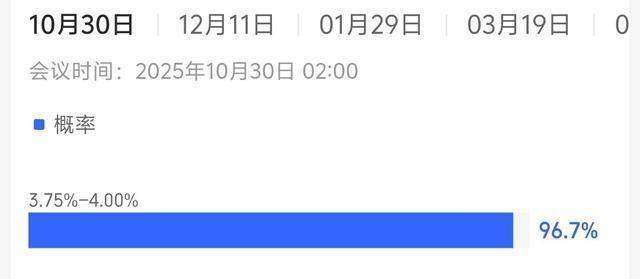
Group 1 - The new tariffs announced by the Trump administration are unexpectedly high, affecting various industries including pharmaceuticals, furniture, and heavy trucks, with rates reaching up to 100% [1][4] - The pharmaceutical industry, particularly Indian companies, is significantly impacted, with 31.35% of India's $27.85 billion pharmaceutical exports going to the U.S., and 47% of U.S. generic drugs sourced from India [1] - Pfizer received a three-year exemption from the tariffs, causing its stock price to rise, indicating a selective approach to tariff implementation [2] Group 2 - The film industry is also targeted with a proposed 100% tariff, creating uncertainty and concern among Hollywood stakeholders [4] - Additional tariffs on imported wood products are set to take effect, further straining Canadian exporters and causing alarm among suppliers in Vietnam and China [4] - A U.S. furniture manufacturer expressed skepticism about the long-term benefits of tariffs, noting that while prices may rise temporarily, the reliance on imported raw materials will ultimately affect consumers [6] Group 3 - The Federal Reserve recently lowered interest rates, indicating a response to economic pressures, with discussions around further rate cuts to mitigate inflation caused by tariffs [8][10] - There is a growing divide within the Federal Reserve regarding the approach to interest rates, with some members advocating for more aggressive cuts to support employment [8][10] - Market data suggests a high probability of another rate cut in October, reflecting the tension between tariff impacts and monetary policy [10] Group 4 - The tariffs are reshaping global trade dynamics, turning traditional allies like Mexico and Canada into competitive adversaries, which could lead to a reevaluation of export strategies by European companies [12] - The ongoing conflict between protectionist policies and globalization is a recurring theme in the U.S. economy, raising questions about the long-term implications of current tariff strategies [14]
Trump’s Market Mayhem: A Daily Dose of Dips and Delights
Stock Market News· 2025-10-02 18:00
Market Reactions to Tariff Announcements - President Trump announced a 100% tariff on all movies made outside the United States, aiming to rejuvenate the American film industry, which led to a decline in shares for Netflix and Warner Bros Discovery [2][3] - The immediate market reaction included Netflix shares dropping 1.4% and Warner Bros Discovery falling 0.6% on September 29, with previous tariff threats causing even larger declines [3] - Other sectors affected included home furnishings, with Williams-Sonoma and RH experiencing significant drops in share prices due to new tariffs on furniture and lumber [4] Impact on the Pharmaceutical Industry - The pharmaceutical sector faced a potential 100% tariff on branded drugs unless companies agreed to build manufacturing plants in the U.S. or reduce prices [6] - Pfizer secured a three-year reprieve from tariffs by committing to cut U.S. drug prices by up to 85%, resulting in a 6.8% surge in its stock price [7] - Other pharmaceutical companies, including Roche and Novartis, also saw stock gains following the Pfizer deal, indicating a positive market response to tariff negotiations [8][9] Agricultural Sector Developments - President Trump announced a meeting with Chinese President Xi Jinping to discuss agriculture, which is expected to be a major topic, particularly regarding soybean purchases [10] - Following hints of positive trade developments, soybean prices rebounded, with November soybeans rising 1.3% to $10.15 1/4 a bushel on October 1 [11] - The volatility in soybean prices reflects the market's sensitivity to trade news, with previous declines occurring after a lack of concrete outcomes from Trump-Xi communications [11] Regulatory Changes in Banking - The Trump administration is proposing significant changes to U.S. capital rules, aiming to reduce regulatory burdens on banks, which could lead to a decrease in capital requirements [12][13] - While large banks like JPMorgan Chase and Bank of America may face challenges from lower interest margins, the overall sentiment in the banking sector remains optimistic about potential deregulation [13] - Critics warn that these changes could leave the financial system vulnerable, estimating a potential $200 billion reduction in banking system capital [13] Overall Market Trends - Major indices, including the Dow Jones and S&P 500, have generally continued to rise despite the volatility caused by tariff announcements and trade negotiations [15] - The market is experiencing a "stagflation-lite" scenario, with predictions of higher inflation and unemployment linked to the ongoing tariff impacts [15] - Investors are left questioning the sustainability of market gains amid the unpredictable nature of presidential announcements and their effects on various sectors [16]


