
P&G(PG)

Search documents
Procter & Gamble Trades Near 52-Week Low: Buy, Hold or Sell?
ZACKS· 2025-11-12 18:36
Core Insights - Procter & Gamble (PG) has experienced volatile performance due to soft category consumption, rising promotional intensity, and a challenging macroeconomic environment, particularly in North America and Europe [1][9][11] Financial Performance - PG's stock is currently trading at $148.54, rebounding 3.1% from a 52-week low of $144.09, but remains 17.7% below its 52-week high of $180.43 [2] - Year-to-date, PG's stock has declined by 11.4%, which is slightly better than the broader industry's 13% decline but underperformed the Consumer Staples sector's 1.9% dip [2] - In comparison, competitors such as Colgate-Palmolive, Clorox, and Church & Dwight have seen declines of 12.5%, 35.3%, and 18.3%, respectively [3] Market Challenges - PG is trading below its 50 and 200-day moving averages, indicating a bearish outlook and challenges in maintaining recent performance levels [7] - The company faces slower category growth, rising promotions, and restructuring risks, particularly in North America and Europe [9][11] - Consumers are increasingly value-conscious amid inflationary pressures, which is testing PG's value proposition [12] Strategic Initiatives - PG is undergoing a large-scale restructuring program aimed at eliminating up to 7,000 non-manufacturing roles and exiting low-margin categories to enhance agility and cost structure [13] - The company is investing in supply chain optimization under "Supply Chain 3.0" to achieve targeted cost savings of $1.5 billion, despite ongoing pressures from tariffs and commodity costs [14] Regional Performance - While Latin America and Greater China have shown encouraging growth, North America and Europe are facing stagnant volumes and intense pricing competition [15] - Sustaining growth will depend on executing an integrated superiority strategy that balances premium innovation, affordability, and productivity gains [15] Earnings Outlook - PG's fiscal 2026 outlook projects organic sales growth of up to 4% and core EPS growth of 2-4%, despite ongoing headwinds [16] - Analysts have shown a downward revision trend in earnings estimates, indicating a loss of confidence in the company's growth potential [17][18] Valuation Metrics - PG is currently trading at a forward 12-month P/E multiple of 20.75X, which is higher than the industry average of 18.29X but lower than the S&P 500's average of 23.66X [19][20] Investment Considerations - The company is facing persistent headwinds with no clear near-term catalysts for a turnaround, leading to weakening investor sentiment [22] - Despite challenges, PG's solid brand portfolio and ongoing innovation investments position it for potential recovery once macro conditions stabilize [24]


Jim Cramer calls the bottom in P&G and Kimberly-Clark stock
Invezz· 2025-11-12 11:06
Core Insights - Famed investor Jim Cramer is highlighting opportunities in the packaged goods sector, suggesting that investors should reconsider stocks in this area that have been beaten down [1] Group 1: Market Commentary - Jim Cramer emphasizes that the current market conditions present a unique opportunity for investors to explore undervalued packaged goods stocks [1]


“许愿式消费”走红双11:年轻人用评论区改写购物规则
Huan Qiu Wang Zi Xun· 2025-11-12 09:03
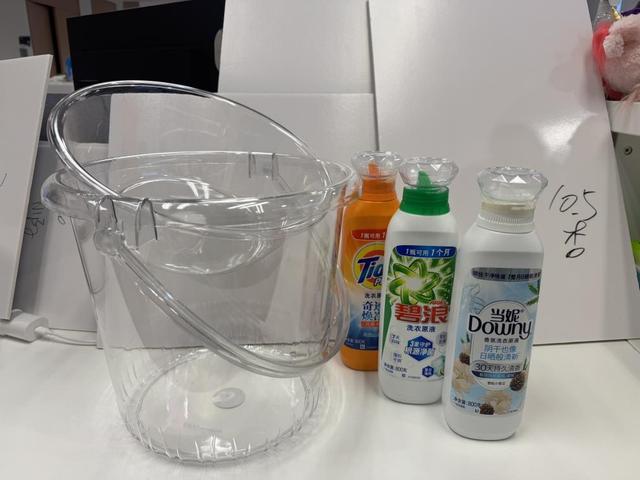
Core Insights - The article highlights the emergence of "wishful consumption" during the 2025 Double 11 shopping festival, where consumer demands directly influence product offerings, showcasing a shift in consumer power and brand responsiveness [1][11]. Group 1: Consumer Behavior - The new generation of consumers, particularly those born after 1995, is shifting from passive acceptance to active customization, demanding brands to create products based on their wishes [3][4]. - A significant 62% of Generation Z consumers prioritize product uniqueness in their purchasing decisions, with many willing to pay a premium of 15%-30% for customized services [4][10]. - Emotional value is becoming a core driver of consumer behavior, with young consumers seeking products that fulfill emotional needs rather than just functional ones [6][10]. Group 2: Brand Response and Supply Chain - Brands are increasingly adopting a responsive approach to consumer demands, with examples like Procter & Gamble quickly producing a transparent laundry detergent container based on consumer requests [9][10]. - The flexibility of China's supply chain and manufacturing capabilities allows for rapid product development and delivery, exemplified by brands like White Elephant responding to consumer requests for specific products [10][11]. - The integration of live-streaming e-commerce has created a feedback loop where consumer demands can be captured and acted upon in real-time, enhancing the overall shopping experience [10][11]. Group 3: Market Trends - The market for personalized customization services is projected to exceed 500 billion yuan by 2025, indicating a significant growth opportunity for brands that can effectively meet consumer demands [10]. - The success of "wishful consumption" during the Double 11 festival reflects the vitality of the Chinese consumer market and the resilience of its supply chain [11].
美股资深评论员:通胀或接近顶点 宝洁(PG.US)、金佰利(KMB.US)等包装消费品类股迎来买入良机
智通财经网· 2025-11-12 03:47
Group 1 - Recent underperformance in the packaged consumer goods sector presents investment opportunities, with Procter & Gamble (PG.US) and Kimberly-Clark (KMB.US) identified as undervalued quality companies [1] - Wall Street's pessimism towards the packaged consumer goods industry is attributed to high inflation and insufficient growth, but inflation may be nearing its peak, potentially lowering costs for consumer giants [1] - The Trump administration's lenient antitrust enforcement may facilitate mergers, allowing companies to gain market dominance [1] Group 2 - Clorox (CLX.US) is highlighted as one of the worst performers in the S&P 500, with its cleaning products and brands like Burt's Bees, Hidden Valley, and Brita being favored [2] - General Mills (GIS.US) is suggested for risk-tolerant investors, contingent on a potential acquisition, as weight-loss drugs are impacting food stocks [2] - A shift in focus from traditional consumer goods to the pharmaceutical sector is recommended, with Johnson & Johnson (JNJ.US) and Amgen (AMGN.US) seen as promising due to anticipated large-scale mergers [2]


最新,全球美妆十强排名又变了
3 6 Ke· 2025-11-12 02:29
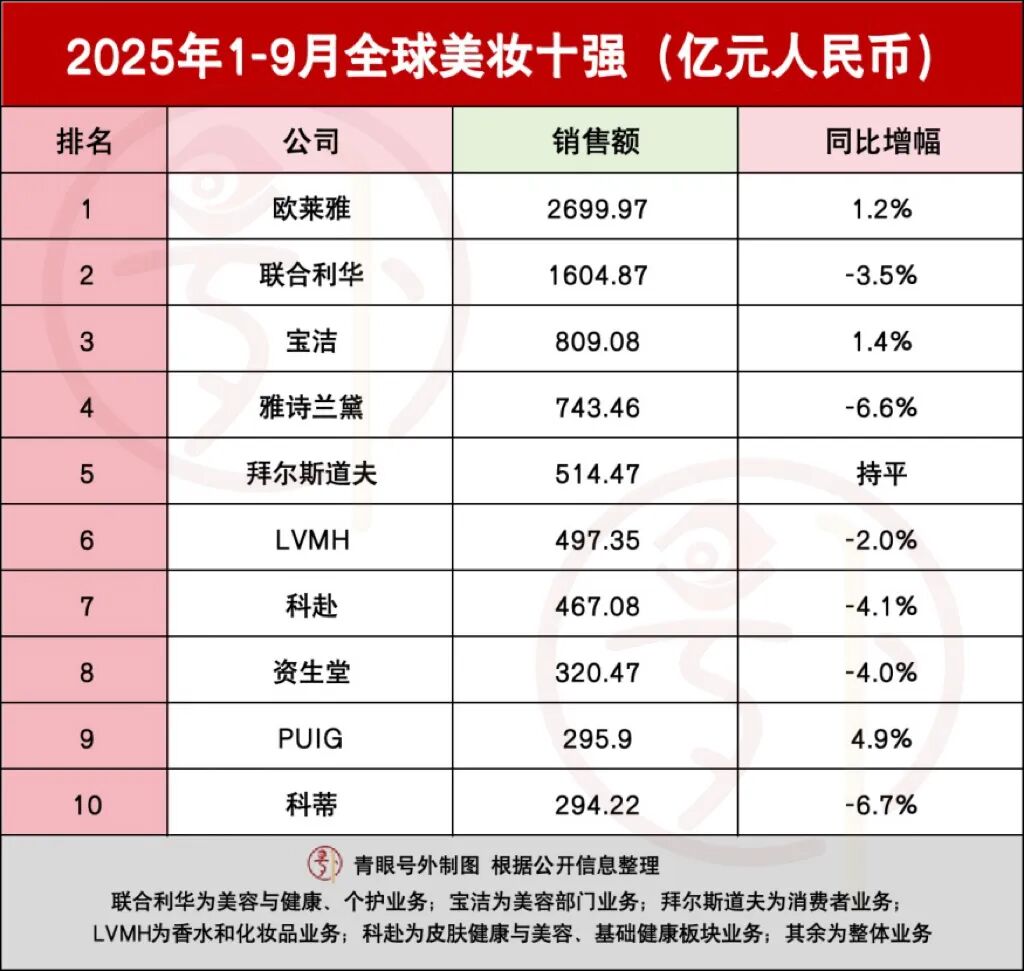
Core Insights - The global beauty market is undergoing transformation amidst resilience, with the top ten beauty companies showing mixed performance in sales and growth [1][10] - The overall sales of the top ten beauty companies reached 824.69 billion RMB in the first three quarters of 2023, a 5.3% increase from 783.42 billion RMB in the same period last year [1][2] Sales Performance - L'Oréal leads the ranking with a sales figure of 269.99 billion RMB, marking a 1.2% increase [2] - Unilever follows with 160.49 billion RMB, but experienced a decline of 3.5% [2] - Procter & Gamble and Estée Lauder reported sales of 80.91 billion RMB and 74.35 billion RMB, respectively, with growth rates of 1.4% and a decline of 6.6% [2][3] - Only L'Oréal, Procter & Gamble, and Puig showed sales growth among the top ten companies, while Coty experienced the largest decline at 6.7% [3] Strategic Adjustments - Companies like Unilever and Coty are undergoing significant strategic changes, including layoffs and asset divestitures, to adapt to market conditions [4] - Estée Lauder has initiated a "Reinventing Beauty" plan to restructure its operations and brand management [4] High-End Beauty Market - The high-end beauty market is showing signs of recovery, with Estée Lauder reporting a 4% increase in net sales in Q3 2023 [7][8] - L'Oréal's growth in the high-end skincare segment in China has been a significant driver of its performance [8][10] China Market Dynamics - The Chinese market is emerging as a new growth engine for international beauty companies, with Coty reporting a 15% increase in high-end beauty sales in China [10][11] - Procter & Gamble's sales in the Greater China region grew by 5%, indicating a positive trend [10][11] - Estée Lauder has begun to treat the Chinese mainland as a separate reporting region, highlighting its importance [11] Future Outlook - The global beauty market is in a phase of adjustment, with high-end beauty recovery and the Chinese market's resurgence being key factors for future growth [10][11] - Companies that can adapt to changing consumer demands and leverage digital transformation are likely to succeed in the evolving competitive landscape [11]




You've come to expect pain from stocks like Kimberly Clark, says Jim Cramer
Youtube· 2025-11-12 00:58
Core Viewpoint - There is a concern that a potential bottom in consumer packaged goods (CPG) stocks may be overlooked, particularly as inflation peaks and these stocks become undervalued winners in their categories [2][4][11] Consumer Packaged Goods (CPG) Sector - CPG stocks like Kimberly Clark and Procter & Gamble are currently facing challenges due to high inflation and low growth, which affects their investment appeal [3][4] - Procter & Gamble has a dividend yield of 2.85%, while Kimberly Clark's yield has risen to 4.89% due to its acquisition attempt of Kenview, which is facing regulatory issues [6][7] - Clorox is highlighted as one of the worst-performing stocks in the S&P 500 this year, despite having strong brands [8] - General Mills is mentioned as a risky investment, primarily if betting on potential takeovers, as food stocks are impacted by weight-loss drugs [9] Pharmaceuticals - There is an expectation of significant mergers in the pharmaceutical sector, with companies like Johnson & Johnson (J&J) and Amgen being favorable investments due to their focus on high-growth areas like cancer treatment and cholesterol management [5][9] - J&J is divesting from non-proprietary products to concentrate on proprietary pharmaceuticals, which is seen as a positive strategic move [9] Investment Strategy - The current market conditions present an opportunity to invest in undervalued stocks with attractive dividend yields, particularly for older investors seeking income [11] - There is a proactive approach to include these stocks in investment portfolios to avoid missing out on potential gains as market conditions improve [10][11]

There could be a buying opportunity in consumer packaged goods stocks, Jim Cramer says
CNBC· 2025-11-12 00:00
Group 1: Investment Opportunities in Packaged Goods - Investment in packaged goods stocks, such as Procter & Gamble and Kimberly-Clark, is suggested as they are seen as undervalued winners in the sector [1][2] - The packaged goods sector has faced challenges due to high inflation and low growth, but inflation may be nearing its peak, potentially reducing costs for consumer giants [2] - Kimberly-Clark's acquisition of Kenvue is noted, along with praise for its brands, while Procter & Gamble is recognized for its innovation and scale to lower product costs [3] Group 2: Broader Market Insights - Clorox is highlighted as a poor performer in the S&P 500, but its products, including Burt's Bees and Hidden Valley, are still favored [3] - General Mills is mentioned as a risky investment, particularly if there is speculation about a takeover, due to the impact of weight loss drugs on food stocks [3] - Beyond traditional packaged goods, opportunities in pharmaceuticals are emphasized, with Johnson & Johnson and Amgen identified as solid picks amid expected industry mergers [4]
Marjorie Taylor Greene Invests in Procter & Gamble (NYSE:PG)
Financial Modeling Prep· 2025-11-11 10:16
Core Insights - Procter & Gamble is experiencing mixed performance, with a slowdown in North America and growth in China [2][3][6] Group 1: Regional Performance - In North America, Procter & Gamble's growth has slowed to below 2% due to softer consumer spending and increased promotional activities, particularly in Fabric and Baby Care categories [2][6] - Conversely, in China, the company has seen a sales increase of 5%, driven by local innovation and the success of premium brands like SK-II and Olay [3][6] - Overall, the company reported a 2% organic sales growth in the first quarter of fiscal 2026, primarily from skin, personal, and baby care segments [3] Group 2: Digital Transformation - Procter & Gamble is enhancing its digital capabilities to strengthen market position, utilizing data-driven insights and agile brand teams [4] - The company is implementing a next-generation automated supply chain and leveraging insights from smart products and online interactions to improve marketing strategies [4] Group 3: Dividend and Shareholder Returns - Procter & Gamble offers a 2.8% dividend yield and has increased its dividends for 69 consecutive years, making it attractive for dividend investors [5][6] - In fiscal year 2026, the company plans to return $10 billion to shareholders through dividends and repurchase $5 billion in stock, showcasing strong free cash flow capabilities [5][6]
AI时代,遇到更好的宝洁
36氪· 2025-11-10 13:30
Core Insights - The article highlights Procter & Gamble's (P&G) innovative use of AI technology to enhance consumer products and services, particularly in the Chinese market [10][12][60] - P&G's new Pantene product features a unique peptide formula that utilizes AI for development, showcasing the company's commitment to integrating advanced technology into its product offerings [5][6][26] AI Integration in Business Operations - P&G China has over 5,000 employees using generative AI, with an average AI penetration rate of 84% across departments, significantly higher than other large non-internet companies in China [12][13] - The company has invested heavily in AI since 2015, focusing on improving consumer service and product development [14][15] - P&G has established a comprehensive AI infrastructure, including a unified data lake and a no-code platform for building intelligent agents [16][17] Consumer Insights and Product Development - P&G's product innovations are driven by deep consumer insights, utilizing digital tools for behavioral research [21][23] - The company has reduced the product development cycle from over three years to as little as one year by leveraging AI for ingredient selection and testing [26][28] - AI is also used to optimize product performance testing, significantly speeding up the process of bringing products to market [30][32] Customer Service Enhancement - P&G has integrated AI into its customer service operations, training staff with an AI system called "GenCoach" to improve service quality and efficiency [36][37] - The AI system has reduced the time for new customer service representatives to reach proficiency from six weeks to just one or two weeks, while also improving customer satisfaction [36][38] Supply Chain Optimization - P&G has implemented an AI agent named "Ask Order" to streamline order processing, reducing manual workload by 80% [39][40] - AI is also utilized in logistics to optimize transportation routes and vehicle allocation, enhancing delivery efficiency for millions of packages daily [42][44] Ethical Considerations and Future Directions - P&G emphasizes the importance of maintaining a human touch in customer interactions, ensuring that AI complements rather than replaces human engagement [45][48] - The company adheres to a "Responsible AI" framework, ensuring ethical use of AI technologies across all operations [55][56] - Future plans include further enhancing data intelligence, marketing innovation, and product testing through AI, with a focus on improving consumer experiences [60][61]
8大外资集团总裁最新表态,洞见中国美妆市场未来
FBeauty未来迹· 2025-11-10 10:17
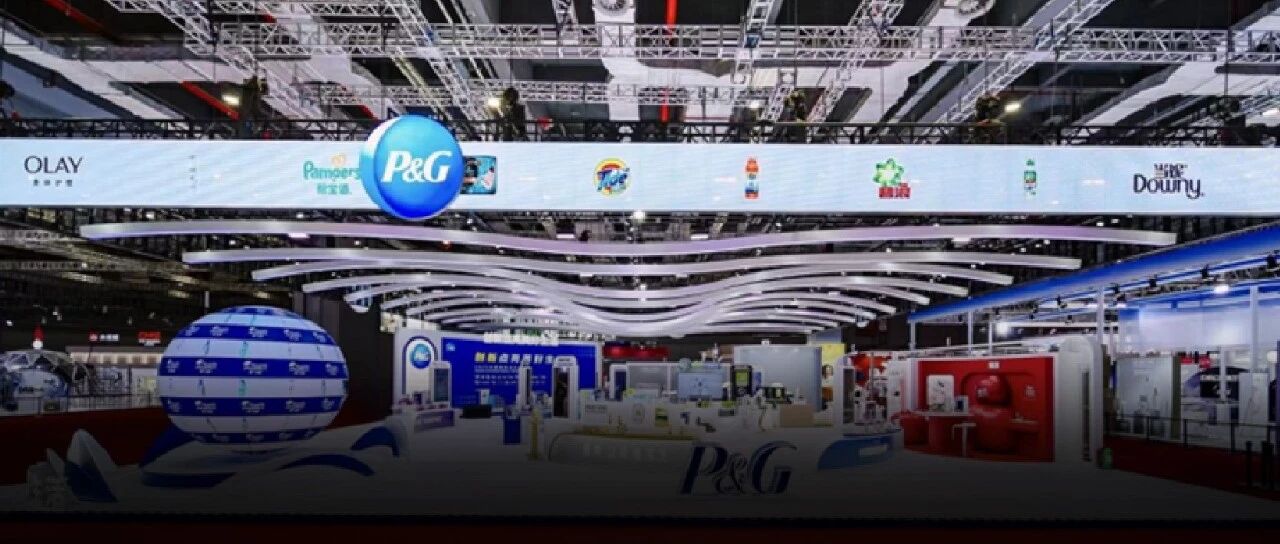
Core Viewpoint - The article highlights the significant shift in international beauty companies' strategies from "deepening local presence" to "empowering global results," driven by China's innovation ecosystem and supply chain capabilities [3][6][32]. Group 1: L'Oréal - L'Oréal views China as a crucial market and innovation hub, celebrating the 20th anniversary of its R&D center in China, emphasizing that investing in China is investing in the future [5][6]. - The company announced three major achievements at the expo, including the release of a sociology book on beauty, a partnership for consumer rights protection, and a strategic collaboration with Alibaba Cloud [7]. Group 2: Procter & Gamble - Procter & Gamble emphasizes innovation as a means to enhance consumer lives, focusing on consumer-centered strategies to drive category growth and value creation [9][10]. - The company has seen positive market responses to its commitment to innovation and consumer needs, leading to a more sustainable growth path [9][11]. Group 3: Estée Lauder - Estée Lauder's participation in the expo marks a significant moment as it showcases all its brands in China, reflecting its commitment to deepening interactions with Chinese consumers [14]. - The company reported a 9% organic sales growth in mainland China, highlighting its strong performance in the high-end beauty market [14]. Group 4: Shiseido - Shiseido positions itself as an industry innovator, focusing on addressing core challenges in the beauty sector while expanding its scientific and sustainable practices [17][18]. - The launch of the RQ PYOLOGY brand at the expo signifies Shiseido's commitment to the future of the beauty industry in China [19]. Group 5: Amorepacific - Amorepacific views the expo as a strategic platform for deep dialogue with the Chinese market, focusing on local innovation and sustainable development [21][22]. - The company aims to enhance its local R&D capabilities and consumer engagement through various initiatives [25][24]. Group 6: Kao - Kao emphasizes its commitment to the Chinese market, showcasing a diverse range of products and innovations at the expo [28][29]. - The company highlights its collaborative approach between its Japanese headquarters and local R&D teams to meet Chinese consumer needs [30]. Group 7: Henkel - Henkel's participation in the expo reflects its long-term strategic planning and commitment to the Chinese market, showcasing new products and innovations [37][39]. - The company aims to transition from a multi-brand operator to a value chain leader, enhancing its local manufacturing capabilities [39].
