Sanofi(SNY)

Search documents
度普利尤单抗小心点,外面全是国产创新药
3 6 Ke· 2026-02-06 04:29
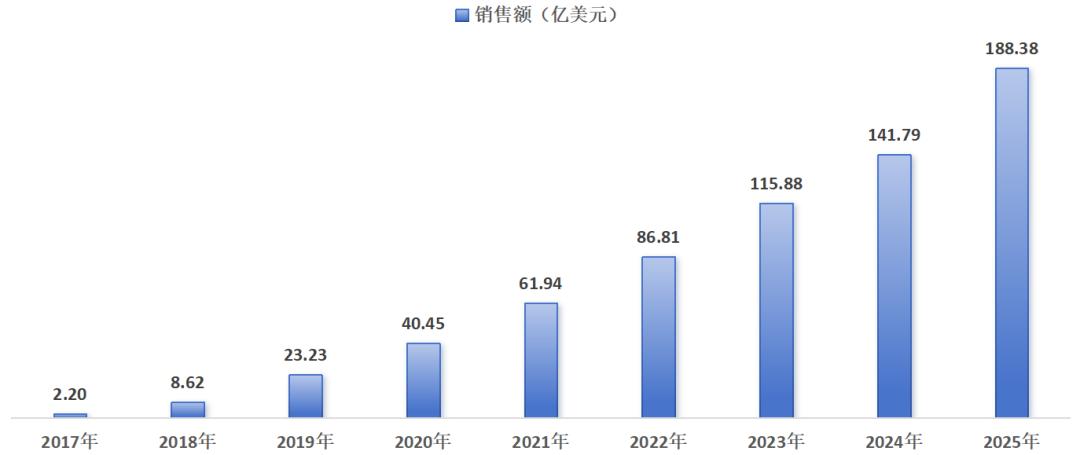
Core Insights - The article discusses the competitive landscape of the IL-4Rα monoclonal antibody market, highlighting Dupixent's dominance and the emerging challenges from new entrants [2][11][15] Group 1: Dupixent's Market Position - Dupixent, developed by Sanofi, has achieved significant sales milestones, with Q4 2025 revenue reaching €4.246 billion (approximately $5.085 billion), marking a 32.2% year-over-year increase [1] - Since its FDA approval in March 2017, Dupixent has rapidly become a leading drug in the autoimmune space, with sales surpassing $2.2 billion in its first year and exceeding $2 billion in 2019 [3][5] - The drug's success is attributed to its strategic targeting of the IL-4Rα pathway, which is crucial in mediating type 2 inflammation, and its innovative VelocImmune® technology that enhances safety and efficacy [6][7] Group 2: Competitive Landscape - The approval of Connoa's Suplizumab in September 2024 marks the second IL-4Rα monoclonal antibody to enter the market, intensifying competition against Dupixent [12] - Other candidates, including Leideqi (CBP-201) and Tairiqi, are in the NDA stage, indicating a growing pipeline of competitors that could challenge Dupixent's market share [13][14] - The emergence of these new IL-4Rα monoclonal antibodies suggests a shift from a "one-player" market to a more competitive environment, with multiple players vying for market share [11][15] Group 3: Future Outlook - The article suggests that while Dupixent remains a strong player, its growth may face challenges due to the increasing number of competitors and the saturation of its core indications [15] - The competitive dynamics in the IL-4Rα space are expected to evolve, with a focus on differentiation strategies and the expansion of indications being critical for maintaining market position [15]


药物受理最新动态:赛诺菲(杭州)制药有限公司丙戊酸钠口服溶液补充申请获受理
Xin Lang Cai Jing· 2026-02-03 23:20
受理号CYHB2600219药品名称丙戊酸钠口服溶液药品类型化药申请类型补充申请注册分类企业名称赛 诺菲(杭州)制药有限公司;赛诺菲(杭州)制药有限公司;承办日期2026年2月4日 来源:新浪财经-鹰眼工作室 国家药品监督管理局药品审评中心数据显示,2026年2月4日,赛诺菲(杭州)制药有限公司的丙戊酸钠 口服溶液申请已获受理,受理号为CYHB2600219。 股东名称持股比例认缴出资额认缴出资日期首次持股日期法国赛诺菲药业发展公司75%2160万美元2023 年12月31日2006年10月26日赛诺菲(中国)投资有限公司25%720万美元2023年12月31日2007年05月08 日 声明:市场有风险,投资需谨慎。本文基于第三方数据库自动发布,不代表新浪财经观点,任何在本文 出现的信息均只作为参考,不构成个人投资建议。如有出入请以实际公告为准。如有疑问,请联系 biz@staff.sina.com.cn。 天眼查数据显示,赛诺菲(杭州)制药有限公司成立日期1995年11月30日,法定代表人孙博弘,所属行 业为化学药品原料药制造,企业类型为有限责任公司(外商投资、非独资),企业规模为中型,参保人 数498,注 ...
Sanofi's Venglustat Meets Primary Endpoints in Gaucher Disease Study
ZACKS· 2026-02-03 18:01
Core Insights - Sanofi (SNY) announced that its late-stage study of venglustat for treating type 3 Gaucher disease (GD3) met all primary and most secondary endpoints [1][9] Group 1: Study Overview - The phase III LEAP2MONO study evaluated the safety and efficacy of once-daily oral venglustat compared to intravenous enzyme replacement therapy (ERT) in 43 patients aged 12 years and older with GD3 [2] - Primary endpoints included assessing changes in neurological function using the modified Scale for Assessment and Rating of Ataxia (SARA) and the Repeatable Battery for the Assessment of Neuropsychological Status (RBANS) from baseline to week 52 [2] Group 2: Study Results - The study met both primary endpoints, showing statistically significant and clinically meaningful improvements in neurological symptoms at 52 weeks compared to ERT [3] - Venglustat performed comparably to ERT on non-neurological outcomes such as spleen and liver volume and hemoglobin levels, which were important secondary endpoints [4] Group 3: Safety and Tolerability - Venglustat was well-tolerated with no new safety concerns observed, although mild side effects such as headache, nausea, spleen enlargement, and diarrhea were noted [4] Group 4: Regulatory and Market Context - Following the successful phase III data, Sanofi is proceeding with global regulatory filings for venglustat to treat GD3 [5] - Currently, there are no approved treatments for GD3, highlighting the potential market opportunity for venglustat [10] Group 5: Competitive Landscape - Sanofi's commercial portfolio for treating Gaucher disease includes two globally marketed drugs, Cerezyme and Cerdelga, which offer enzyme replacement and oral treatment options, respectively [13]

Is Sanofi SA (SNY) One of the Best Cheap Stocks to Buy for 2026
Yahoo Finance· 2026-02-03 12:55
Group 1 - Sanofi SA is considered one of the best cheap stocks to buy for 2026 according to Citi Research, which initiated coverage of six large European pharmaceutical stocks including Sanofi [1] - Citi assigned Sanofi a Neutral rating with a price target of €85, indicating concerns about the company's drug development progress and a weakened long-term growth outlook due to pipeline setbacks [2][3] - The current valuation of Sanofi is approximately 10 times expected 2026 earnings, reflecting the setbacks in its pipeline, and the market is unlikely to reward the stock with a higher multiple without tangible evidence of improvement [3] Group 2 - Sanofi reported positive results for its experimental medicine amlitelimab in Phase 3 clinical studies for moderate-to-severe atopic dermatitis, with data coming from two major global trials, SHORE and COAST 2 [4] - The results from the studies indicate that amlitelimab was generally well tolerated, with side effects consistent with previous findings [4] - Sanofi operates in various segments including specialty care, vaccines, and general medicines, focusing on the research, development, manufacturing, and marketing of pharmaceutical products [5]
Travel Vaccines Market Size to Reach USD 10.69 Billion by 2033, Driven by Rising International Travel and Preventive Healthcare Awareness – SNS Insider.
Globenewswire· 2026-02-03 09:04
Core Insights - The Travel Vaccines Market is projected to grow from USD 5.22 billion in 2025 to USD 10.69 billion by 2033, with a CAGR of 9.37% from 2026 to 2033, driven by international tourism, business travel, and increased awareness of vaccine-preventable diseases [1][6]. Market Size and Forecast - The U.S. Travel Vaccines Market is expected to grow from USD 1.42 billion in 2025 to USD 2.49 billion by 2033, at a CAGR of 7.32%, supported by outbound travel to emerging economies and increased vaccination services [4]. - The overall Travel Vaccines Market is anticipated to expand significantly, with a base year of 2025 and a forecast period from 2026 to 2033 [6]. Government Initiatives and Immunization Programs - Public health agencies globally are promoting vaccination to prevent diseases like yellow fever and hepatitis among travelers, enhancing vaccine uptake through national immunization policies and partnerships with travel agencies [5]. Market Segmentation Analysis - By Disease Type: Influenza dominates the market with a 38.50% share in 2025, expected to rise to 41.50% by 2033, while the "others" category is the fastest-growing segment, increasing from 10.38% to 12.63% [9]. - By Booking Channel: Online booking leads with a 59.75% market share in 2025, projected to grow to 70.25% by 2033, reflecting the trend towards digital healthcare solutions [10]. - By Tourist Type: Domestic travelers hold 61.13% of the market in 2025, but their share is expected to decrease to 55.88% by 2033, while international travelers will grow from 38.88% to 44.13% [11]. Regional Insights - North America holds the largest share of the Travel Vaccines Market at 41.13% in 2025, driven by strong healthcare systems and vaccination programs [15]. - The Asia Pacific region is the fastest-growing market, with a CAGR of 2.57%, fueled by increased travel and improved healthcare infrastructure [16]. Competitive Landscape - Major companies in the Travel Vaccines Market include GlaxoSmithKline, Merck & Co., Sanofi, and Pfizer, among others, indicating a competitive environment with significant R&D investments [13].



UK industry body says Sanofi in breach over RSV therapy claims against Pfizer
Reuters· 2026-02-02 13:42
Core Viewpoint - Sanofi has violated the UK pharmaceutical code of practice by making unsubstantiated claims regarding the effectiveness of its Beyfortus compared to Pfizer's RSV vaccine [1] Group 1: Company Actions - Sanofi's claims about Beyfortus being more effective than Pfizer's RSV vaccine have been deemed unsubstantiated by the industry's self-regulatory body [1] - The breach of the UK pharma code of practice indicates potential regulatory scrutiny and reputational risks for Sanofi [1] Group 2: Industry Implications - The incident highlights the importance of adhering to industry standards and regulations in pharmaceutical marketing [1] - This breach may lead to increased scrutiny of marketing practices across the pharmaceutical industry, particularly regarding comparative effectiveness claims [1]
SpaceX and xAI in Advanced Merger Talks; Verizon Seeks New Consumer Head; Ford F-150s Under NHTSA Scrutiny
Stock Market News· 2026-02-02 11:38
Group 1: SpaceX and xAI - SpaceX and xAI are reportedly in advanced discussions for a potential merger or strategic deal, with an announcement possible as soon as this week [2][11] - The merger would combine SpaceX's aerospace manufacturing and space transportation capabilities with xAI's focus on artificial intelligence, potentially enhancing SpaceX's operations and future projects [3][11] Group 2: Verizon - Verizon is in the process of identifying candidates to succeed Sowmyanarayan Sampath, the current head of its consumer division, indicating a potential leadership change [4][5][11] - The leadership change in such a critical division could signal a strategic shift for Verizon as it navigates a competitive telecom landscape [5][11] Group 3: Ford - The National Highway Traffic Safety Administration (NHTSA) has initiated an engineering analysis into approximately 1.3 million Ford F-150 vehicles due to reports of unintended transmission downshifts and rear wheel lock-ups [6][11] - This investigation aims to determine the scope and severity of the alleged defect, which could lead to a significant recall impacting Ford's financial performance and brand reputation [7][11] Group 4: Sanofi - Sanofi has received a reprimand from a UK regulator for making misleading claims about its RSV vaccine and for disparaging Pfizer's competing product [8][9][11] - This regulatory action underscores the intense competition and scrutiny within the pharmaceutical industry, particularly regarding new and high-demand vaccines [9][11]




Sanofi's genetic disorder drug shows mixed results in late-stage trials
Reuters· 2026-02-02 06:02
Group 1 - The core point of the article is that French drugmaker Sanofi's experimental treatment for a genetic disorder shows promise in a late-stage study for Gaucher disease, but did not meet the main goal in a separate trial [1] Group 2 - The treatment demonstrated potential effectiveness in patients with a specific type of Gaucher disease during the late-stage study [1] - However, the results from another trial did not achieve the primary endpoint, indicating challenges in the development process [1]

Press Release: Sanofi’s venglustat met all primary endpoints in a phase 3 study of type 3 Gaucher disease
Globenewswire· 2026-02-02 06:00
Core Insights - Sanofi's investigational drug venglustat has shown positive results in a phase 3 study for type 3 Gaucher disease, meeting all primary endpoints and three out of four key secondary endpoints [1][4][8] Group 1: Study Results - The LEAP2MONO phase 3 study demonstrated that patients receiving venglustat had statistically significant improvements in neurological symptoms compared to those receiving enzyme replacement therapy (ERT), with a p-value of 0.007 [4][8] - Venglustat showed comparable efficacy to ERT in non-neurological outcomes, including changes in spleen volume, liver volume, and hemoglobin levels [4][8] - The study involved 43 patients aged 12 and older, randomized to receive either venglustat or ERT, with a focus on neurological assessments over 52 weeks [13] Group 2: Drug Mechanism and Background - Venglustat is a glucosylceramide synthase inhibitor designed to reduce the accumulation of harmful sugar-and-fat molecules in cells, specifically targeting neurological aspects of Gaucher disease that lack approved therapies [2][12] - Gaucher disease is a rare lysosomal storage disorder characterized by the accumulation of glycosphingolipids, leading to various systemic and neurological symptoms [10] Group 3: Future Plans and Regulatory Path - Sanofi plans to pursue global regulatory filings for venglustat in treating type 3 Gaucher disease [7][8] - The company has a long-standing commitment to rare disease research and has supported the Gaucher disease community for over 40 years [2][4] Group 4: Safety and Tolerability - Venglustat was well tolerated in the study, with no new safety signals reported compared to previous studies; common adverse events included headache, nausea, spleen enlargement, and diarrhea [6][8]

Press Release: Sanofi's Rezurock recommended for EU approval by the CHMP to treat chronic graft-vs-host disease
Globenewswire· 2026-01-30 12:00
Sanofi’s Rezurock recommended for EU approval by the CHMP to treat chronic graft-vs-host disease Recommendation supported by safety and efficacy results from several clinical studies and real-world evidenceIf approved, Rezurock would offer a new treatment option in the EU for adult patients and in children aged 12 years and older in late line chronic GVHD Paris, January 30, 2026. The European Medicines Agency’s Committee for Medicinal Products for Human Use (CHMP) has adopted a positive opinion recommending ...