和铂医药

Search documents
和铂医药(02142) - 自愿公告 - 根据与Spruce Biosciences Inc.订立的...
2026-01-19 00:00
香港交易及結算所有限公司及香港聯合交易所有限公司對本公告的內容概不負責,對其準確性 或完整性亦不發表任何聲明,並明確表示,概不就因本公告全部或任何部分內容而產生或因倚 賴該等內容而引致的任何損失承擔任何責任。 和鉑醫藥控股有限公司 HBM Holdings Limited (於開曼群島註冊成立的有限公司) 1. 根據截至2025年9月30日Spruce發行在外股份總數及全面攤薄股份計算得出。 1 (股份代號:02142) 自願公告 根據與Spruce Biosciences Inc.訂立的授權及合作協議行使認股權證 本公告由和鉑醫藥控股有限公司(「本公司」,連同其附屬公司統稱「本集團」)自願 作出,以告知本公司股東及潛在投資者有關本集團的最新業務更新。 茲提述本公司日期為2025年2月26日的公告(「該公告」),內容有關(其中包括)本 公司孵化的創新型生物技術公司HBM Alpha Therapeutics(「HBMAT」)與Spruce Biosciences Inc.(「Spruce」)訂立授權及合作協議(「該協議」),以推進針對多種疾 病的新型促腎上腺皮質激素釋放激素(CRH)靶向療法。根據該協議,HB ...
和铂医药-B(02142.HK)获GIC Private Limited增持50万股
Ge Long Hui· 2026-01-18 23:13
Group 1 - GIC Private Limited increased its stake in HAPO (02142.HK) by purchasing 500,000 shares at an average price of HKD 14.5128 per share, totaling approximately HKD 7.2564 million [1] - Following the purchase, GIC's total shareholding in HAPO rose to 71.954 million shares, increasing its ownership percentage from 7.99% to 8.05% [1]


外企高管转型中国创新药“推销员”,黄仁勋也来共享顶级资本盛宴
第一财经· 2026-01-17 17:47
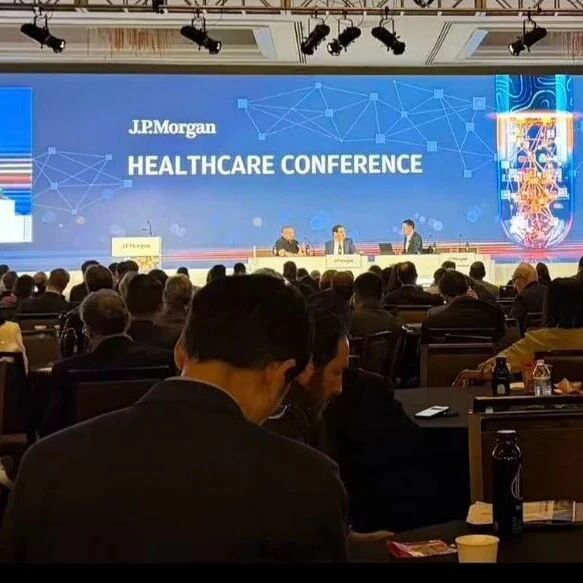
Core Insights - The JPMorgan Healthcare Conference, known as the "Spring Festival of the Pharmaceutical Industry," has increasingly highlighted the role of Chinese biopharmaceutical companies and investors, indicating a shift towards recognizing China's innovation capabilities in drug development [3][11]. Group 1: Conference Highlights - The conference showcased a growing interest in Chinese innovation, with discussions frequently focusing on collaboration opportunities and the competitive landscape involving China [3][11]. - Many multinational pharmaceutical companies organized closed-door sessions specifically for Chinese innovation, reflecting a significant engagement with Chinese projects [10][11]. - The overall sentiment towards Chinese biopharmaceutical companies has improved, with global capital increasingly viewing them as equal partners in technology output rather than just recipients of foreign investment [13][14]. Group 2: Industry Trends - The trend of multinational pharmaceutical executives transitioning to roles in Chinese biopharmaceutical firms is notable, as they bring valuable experience and networks to the industry [8][10]. - The urgency for multinational companies to acquire innovative assets from China is driven by the impending patent cliffs for blockbuster drugs, creating a historical opportunity for Chinese innovations to enter global markets [14]. - The number of licensing agreements for innovative drugs from China is expected to rise, with over one-third of such agreements in 2025 already coming from Chinese companies [14][15]. Group 3: AI in Biopharmaceuticals - The integration of AI in drug discovery is becoming a focal point, with predictions that AI could significantly reduce the time and cost of early drug development [19][24]. - Major pharmaceutical companies are increasingly collaborating with AI firms to enhance their drug development processes, as seen in partnerships announced during the conference [21][23]. - The AI pharmaceutical market is projected to grow from over $1 billion in 2022 to nearly $3 billion by 2026, indicating a robust future for AI-driven drug discovery [24].
外企高管转型中国创新药“推销员”,黄仁勋也来共享顶级资本盛宴
Di Yi Cai Jing· 2026-01-17 12:16
Group 1 - The core message of the news is that Chinese innovative drugs are transitioning from dawn to a breakthrough moment, with the development cycle of drug research expected to be significantly shortened due to advancements in AI and other technologies [1][21] - The JPMorgan Healthcare Conference, known as the "Spring Festival of the Pharmaceutical Industry," has increasingly featured Chinese investors and biopharmaceutical companies, indicating a growing focus on China in global discussions [1][6] - Many discussions at the conference highlighted the speed and efficiency of Chinese biotechnology companies in advancing projects, positioning them as equal technology exporters in global competition [29][30] Group 2 - Josh Smiley, president of Zai Lab, emphasized the need for more effort in promoting their story to investors, reflecting the increased intensity of the conference compared to a decade ago [23][26] - Chen Feng, CEO of Bole Capital, noted that many multinational pharmaceutical companies arranged closed-door meetings specifically for Chinese innovation, indicating a strong interest in collaboration [5][27] - The conference showcased a significant presence of Chinese companies, with over 100 CEOs from domestic biotech firms attending, highlighting the active engagement of Chinese enterprises on the international stage [5][27] Group 3 - The acquisition of a new dual-antibody drug by AbbVie for up to $5.6 billion from Rongchang Biotech marked a significant transaction, indicating a robust trend in Chinese innovative drug licensing expected to continue through 2026 [30] - The global pharmaceutical market is increasingly recognizing Chinese innovation as a vital source for their pipelines, with a notable shift in attitudes towards collaboration with Chinese firms [29][30] - The AI pharmaceutical market is projected to grow from over $1 billion in 2022 to nearly $3 billion by 2026, reflecting the industry's increasing reliance on AI technologies for drug discovery [41] Group 4 - AI technologies for drug discovery have become a major focus in the investment community, with significant collaborations announced at the conference, such as the $1 billion partnership between NVIDIA and Eli Lilly [37][40] - The success rate of AI-generated drug molecules in Phase I clinical trials is expected to reach 80-90% by 2025, surpassing historical averages, indicating a breakthrough in the clinical validation of AI-driven drug development [41][42] - The shift in AI pharmaceutical competition is moving from models and algorithms to data quality and generation, emphasizing the importance of high-quality data in drug development [40]


深度|外企高管转型中国创新药“推销员”,黄仁勋也来共享顶级资本盛宴
Di Yi Cai Jing· 2026-01-17 12:12
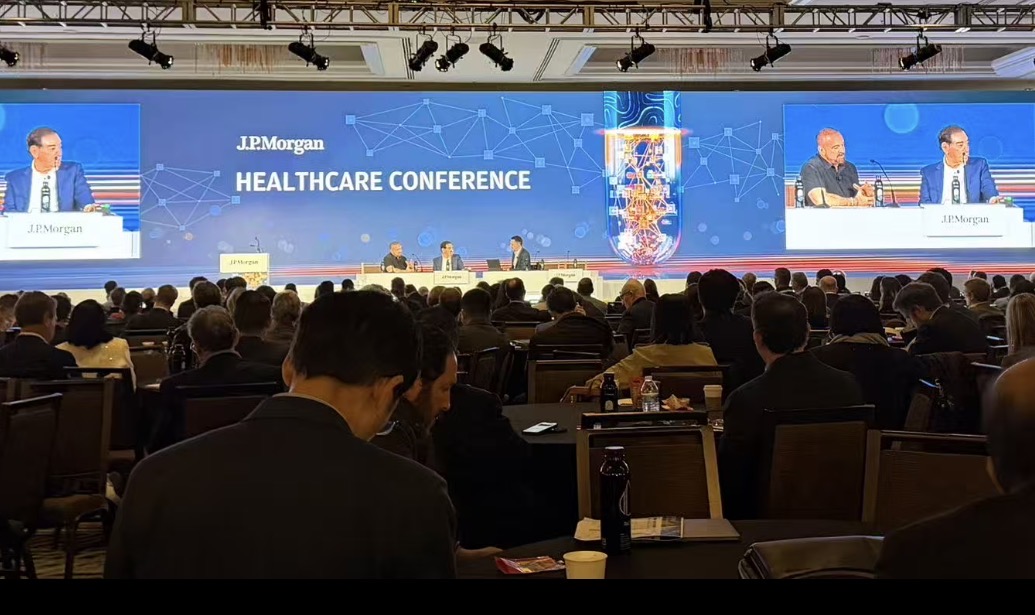
Group 1: JPM Conference Overview - The JPMorgan Healthcare Conference, known as the "Spring Festival of the Pharmaceutical Industry," concluded this weekend, highlighting its status as a premier global healthcare investment event and a barometer for investment trends [1] - This year's conference saw a significant presence of Chinese investors and biopharmaceutical companies, with discussions frequently focusing on China, covering innovation pipelines, collaboration opportunities, and global competition [1][8] - The conference signaled a positive outlook for Chinese innovative drugs, indicating a transition from dawn to dawn, with advancements in AI technology expected to significantly shorten drug development cycles [1] Group 2: Executive Insights - Josh Smiley, President of Zai Lab, participated in the JPM conference, emphasizing the increased effort required to keep pace with the event's demands, having held 14 meetings in one day [3][4] - Smiley noted the shift from a multinational pharmaceutical executive to leading a smaller Chinese company, highlighting the need for more effort in "selling" the company's story to investors [6] - Chen Feng, CEO of Boying Capital, also attended the conference, bringing nearly 20 projects from Chinese companies to connect with multinational pharmaceutical firms and global capital [7] Group 3: Chinese Innovation and Global Perception - The term "China" emerged as a key theme at the conference, with major pharmaceutical companies actively seeking to incorporate Chinese innovative assets into their research pipelines [8][9] - There is a growing recognition of Chinese biotechnology companies as equal partners in global competition, with many multinational firms viewing Chinese innovation as a vital source for their pipelines [9] - The conference featured closed-door sessions specifically for Chinese innovation, organized by companies like Pfizer and Roche, indicating a strong interest in Chinese projects [7] Group 4: Market Dynamics and Opportunities - The acquisition of a new dual-antibody drug by AbbVie for up to $5.6 billion from Rongchang Biotech marked a significant transaction, reflecting the increasing momentum of Chinese innovative drugs in global markets [10] - Over one-third of the announced innovative drug licensing agreements in 2025 are expected to originate from China, indicating a robust trend in international collaborations [10] - Despite the enthusiasm in the biopharmaceutical capital market, challenges remain, particularly regarding geopolitical risks and regulatory uncertainties that could impact investment decisions [12] Group 5: AI in Drug Development - AI technology has become a focal point at the conference, with companies increasingly leveraging AI to enhance drug discovery and development processes [17] - A partnership between Nvidia and Eli Lilly was announced, involving a $1 billion investment to establish a joint research lab aimed at accelerating AI-driven drug development [17][18] - The global AI pharmaceutical market exceeded $1 billion in 2022 and is projected to approach $3 billion by 2026, highlighting the rapid growth and potential of AI in the industry [21] Group 6: Future Trends and Challenges - The success rate of AI-generated drug molecules in Phase I clinical trials is projected to reach 80-90% by 2025, surpassing historical averages, indicating a significant breakthrough in drug development [21] - The transition of AI pharmaceutical development from early research to clinical validation is seen as a critical milestone for the industry [22] - Companies are increasingly focused on generating high-quality data and building robust AI models to maintain a competitive edge in drug development [20]
36氪精选:募资23亿,礼来、淡马锡护航这家AI公司上市
日经中文网· 2026-01-17 00:33
Core Viewpoint - The article discusses the successful IPO of Insilico Medicine, highlighting the growing acceptance and potential of AI in drug discovery and development, marking a critical point for AI-driven pharmaceutical innovations [5][7]. Group 1: IPO and Market Reception - Insilico Medicine's IPO raised approximately HKD 2.3 billion, the highest for a pre-revenue biotech firm in Hong Kong in 2025, with a subscription rate exceeding 1,400 times [5][7]. - The company attracted significant interest from major investors, including Eli Lilly and Temasek, with cornerstone investors accounting for about 39% of the shares [5][6]. Group 2: AI Drug Discovery Platform - Insilico's core platform, Pharma.AI, enables efficient drug discovery, reducing the time from target identification to preclinical candidate selection to 1-1.5 years, which is about one-third of traditional methods [9][10]. - The platform has demonstrated the ability to generate viable preclinical candidates at a cost of USD 200-300 million, significantly lower than traditional approaches [10]. Group 3: Clinical Pipeline and Development - Insilico has developed over 20 clinical/IND-stage assets, showcasing the platform's capability in drug development [11]. - The company plans to allocate nearly half of the IPO proceeds to advance its core pipeline in clinical trials [12]. Group 4: Business Model and Revenue Streams - Insilico's business model includes self-developed pipelines, AI+CRO services, and software sales, with drug discovery and pipeline development expected to generate significant revenue [17][18]. - Revenue from drug discovery and pipeline development is projected to grow from USD 28.6 million in 2022 to USD 79.7 million in 2024, constituting 92%-95% of total revenue [18][19]. Group 5: Strategic Partnerships and Collaborations - The company has established direct BD collaborations and partnerships with major pharmaceutical companies, enhancing its revenue through upfront and milestone payments [21]. - Insilico's collaboration with Exelixis on a drug targeting BRCA-mutant tumors has become a significant revenue source, contributing over 60% of total revenue in the respective periods [21]. Group 6: Financial Performance and Future Outlook - Insilico's net losses are projected to decrease from USD 70.8 million in 2022 to USD 22.7 million in 2024, indicating an improving financial outlook [22]. - The company aims to develop 4-5 preclinical candidates annually and advance 1-2 projects into clinical development, reflecting its growth strategy [16].
GIC Private Limited增持和铂医药50万股 每股作价14.5128港元
Zhi Tong Cai Jing· 2026-01-16 12:39
Group 1 - GIC Private Limited increased its stake in Andlitz Pharmaceuticals (02142) by purchasing 500,000 shares at a price of HKD 14.5128 per share, totaling HKD 7.2564 million [1] - After the acquisition, GIC's total shareholding in Andlitz Pharmaceuticals reached 71.954 million shares, representing an ownership percentage of 8.05% [1]
GIC Private Limited增持和铂医药(02142)50万股 每股作价14.5128港元
智通财经网· 2026-01-16 12:37
Group 1 - GIC Private Limited increased its stake in Andlitz Pharmaceuticals (02142) by purchasing 500,000 shares at a price of HKD 14.5128 per share, totaling HKD 7.2564 million [1] - After the acquisition, GIC's total shareholding in Andlitz Pharmaceuticals reached 71.954 million shares, representing an ownership percentage of 8.05% [1]
“几乎每场讨论都会谈到中国”!秀管线、谈合作、见投资人 从医药行业“春晚”看中国创新药产业跃迁
Zheng Quan Shi Bao· 2026-01-15 16:01
Core Insights - The 44th JPMorgan Global Healthcare Conference highlighted a shift in focus for Chinese innovative drug companies from local innovation to global competitiveness, emphasizing international collaboration and commercialization strategies [1][5]. Group 1: Conference Overview - The JPMorgan conference took place from January 12 to January 15 in San Francisco, attracting numerous Hong Kong biotech companies [1]. - Participants reported a busy schedule filled with meetings, showcasing drug pipelines, discussing collaborations, and engaging with investors [2][3]. Group 2: Industry Trends - There is a noticeable increase in discussions surrounding Chinese innovation in the pharmaceutical sector, with a shift from skepticism to recognition of China's role in global drug development [4][5]. - Chinese companies are now presenting more substantial clinical data and international collaboration cases, moving beyond initial concept pitches [5]. Group 3: Company Strategies - Companies like InSilico Medicine and Eucure Biopharma are focusing on showcasing their unique technologies and clinical data to attract international partnerships and investments [3][5]. - The emphasis is on demonstrating global competitiveness and the ability to innovate, with a strategic shift towards international collaboration and long-term value creation [6][7]. Group 4: Future Directions - Chinese innovative drug companies aim to reshape international perceptions from being cost-driven to innovation-driven, integrating into the global biopharmaceutical innovation network [7]. - The industry is expected to produce globally influential pharmaceutical giants, reflecting the rapid growth and development of Chinese biotech firms [7].
“几乎每场讨论都会谈到中国”!秀管线、谈合作、见投资人,从医药行业“春晚”看中国创新药产业跃迁
证券时报· 2026-01-15 15:55
Core Viewpoint - The 44th JPMorgan Global Healthcare Conference reflects a shift in focus for Chinese innovative drug companies from local innovation to building global competitiveness, emphasizing global development strategies and commercialization [1][7]. Group 1: Conference Highlights - The conference attracted numerous Hong Kong biopharmaceutical companies, showcasing their pipelines and engaging with investors [1]. - Companies reported a busy schedule with extensive meetings, indicating a high level of interest from multinational pharmaceutical executives and top fund managers in Chinese innovative drugs [4]. - The participation of Chinese companies has become more organized and active, with discussions shifting from early concepts to solid clinical data and international collaboration cases [7][8]. Group 2: Company Strategies and Goals - Companies like InSilico Medicine and Eucure Biopharma focused on showcasing their unique technologies and clinical data, aiming to establish deep collaborations with multinational firms and investors [5][11]. - The emphasis was on demonstrating the differentiation and international competitiveness of their platforms, with a shift from merely presenting pipeline quantity to highlighting unique advantages [8]. - Companies are increasingly adopting global strategies, including licensing and overseas clinical trials, reflecting a transition from "fast-follow" to "global synchronous innovation" [8]. Group 3: Key Messages for Global Market - Chinese innovative drug companies need to convey their scientific rigor and innovation capabilities through high-quality clinical data and advanced technology platforms [11][12]. - The importance of global cooperation and a long-term sustainable development approach was highlighted, aiming to reshape international perceptions of Chinese innovation from cost advantages to innovation-driven value [12]. - The rapid growth of Chinese biotech firms is seen as a microcosm of the industry's evolution, with expectations for the emergence of globally influential pharmaceutical giants from China [12].