
Neuralink

Search documents
X @Tesla Owners Silicon Valley
Tesla Owners Silicon Valley· 2025-06-29 17:01
Elon Musk“For people that have lost a limb, arm or leg, In the future, we'll be able to attach an Optimus arm or legs, working with Neuralink and Tesla.”https://t.co/w2o6cqmJeZ ...

马斯克重磅发布:脑机接口技术开启人类进化新篇章!
21世纪经济报道· 2025-06-29 14:43
Core Viewpoint - Neuralink is pioneering brain-machine interface technology, aiming to enhance human capabilities and integrate AI into daily life, marking a significant shift from science fiction to reality [1]. Group 1: Neuralink's Milestones - Since its establishment in 2016, Neuralink has developed high-bandwidth, low-latency brain-machine interface technology, currently in clinical trials with 7 successful implantations in patients [3]. - The patients include 4 with spinal cord injuries and 3 with ALS, who can control computers and robotic arms using their thoughts, significantly improving their quality of life [3]. Group 2: Roadmap from 2025 to 2028 - **2025**: Neuralink plans to decode "silent speech" through brain implants, allowing patients with speech impairments to communicate without speaking [5]. - **2026**: The "Blindsight" project aims to restore vision to the blind by converting visual signals into electrical impulses for the visual cortex, potentially enabling "superhuman vision" [7]. - **2027-2028**: Neuralink will implement multi-device implants for comprehensive neural repair and explore deep integration with AI, with a vision of a "full brain interface" that could revolutionize human capabilities [8]. Group 3: Future of Brain-Machine Interfaces - **Short-term**: The technology will revolutionize medical rehabilitation, enabling paralyzed patients to control devices and blind individuals to regain sight [9]. - **Mid-term**: Education and entertainment will be transformed, allowing instant knowledge acquisition and immersive gaming experiences controlled by thought [10]. - **Long-term**: Concepts like consciousness uploading and collective intelligence networks could redefine human existence and longevity [11]. Group 4: Controversies and Challenges - The development of Neuralink's technology raises ethical concerns regarding privacy, potential social inequality, and the essence of humanity in an AI-integrated future [12]. - The need for a global regulatory framework is emphasized to ensure the technology is safe and accessible to all [12]. Group 5: China's Position in Brain-Machine Interface Development - China is rapidly advancing in the brain-machine interface field, with successful clinical trials and the development of a Chinese thought input method [15]. - Companies like Huawei are entering the consumer market, and government support is expected to drive market growth to $7.63 billion by 2029 [15].

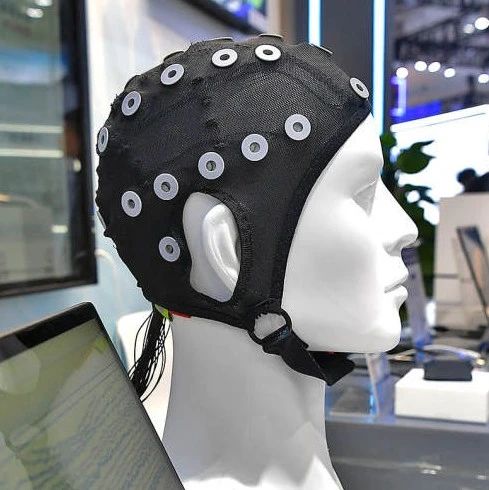
“全脑接口”登场,马斯克Neuralink发布会炸翻全场
虎嗅APP· 2025-06-29 13:21
Core Viewpoint - Neuralink, led by Elon Musk, aims to revolutionize human interaction with technology through brain-machine interfaces, enabling individuals to control devices with their thoughts and potentially enhancing human capabilities [1][11]. Group 1: Current Developments - Neuralink has successfully implanted devices in seven individuals, allowing them to interact with the physical world through thought, including playing video games and controlling robotic limbs [3][5]. - The company plans to enable blind individuals to regain sight by 2026, with aspirations for advanced visual capabilities akin to those seen in science fiction [5][12]. Group 2: Future Goals - Neuralink's ultimate goal is to create a full brain interface that connects human consciousness with AI, allowing for seamless communication and interaction [11][60]. - A three-year roadmap has been outlined, with milestones including speech decoding by 2025, visual restoration for blind participants by 2026, and the integration of multiple implants by 2028 [72][74][76]. Group 3: Technological Innovations - The second-generation surgical robot can now implant electrodes in just 1.5 seconds, significantly improving the efficiency of the procedure [77]. - The N1 implant is designed to enhance data transmission between the brain and external devices, potentially expanding human cognitive capabilities [80][81].
马斯克宣称2028年实现“全脑接口”计划!
第一财经· 2025-06-29 07:08
Core Viewpoint - Neuralink aims to achieve a full-brain machine interface by 2028, integrating human consciousness with AI for enhanced information exchange [1][4]. Group 1: Product Overview - Neuralink has developed three key products: - Telepathy, focused on information output, assisting individuals with movement disorders to regain independence [2]. - Blindsight, aimed at information input, helping visually impaired individuals to reconstruct writing abilities [2]. - Deep device, which will insert electrodes into any brain region, with an expected increase to 10,000 channels by 2028, targeting treatment for neurological disorders and facilitating human-AI integration [2]. Group 2: Clinical Applications and Results - During a recent presentation, Neuralink showcased the performance of seven patients who had undergone the N1 device implantation, demonstrating the ability to control a computer cursor using only their thoughts [3]. - The results from the seven volunteers, all with severe movement impairments, indicate that the technology is safe and effective, with potential for data and algorithm generalization as more individuals are implanted [3]. Group 3: Expert Opinions - Industry experts, such as the CEO of Brain Tiger Technology, acknowledge Neuralink's consistent vision since its inception in 2016, focusing on high-bandwidth connections between human intelligence and AI [3]. - Experts express skepticism regarding the feasibility of decoding consciousness with current technology, suggesting that while advancements in basic sensory capabilities may be achieved by 2028, higher cognitive functions like consciousness and memory may take until 2035-2045 to develop [5][6]. - The current state of brain-machine interface technology is still in its early stages, primarily addressing clinical issues, with significant breakthroughs unlikely in the near term [6][7].
彻底沸腾!马斯克,突然宣布!
券商中国· 2025-06-29 05:24
Core Viewpoint - Neuralink, led by Elon Musk, is making significant advancements in the brain-computer interface (BCI) field, with plans to enhance its technology and expand its applications in the coming years [2][3][20]. Company Developments - As of June 27, Neuralink has seven participants in its trials, including four with spinal cord injuries and three with amyotrophic lateral sclerosis (ALS), who are using the devices for an average of 50 hours per week, with peaks exceeding 100 hours [5][10]. - The company aims to implant devices in the speech cortex by Q4 2025 to decode silent "intent speech" and plans to increase the number of electrodes in implants to 3,000 by 2026 [12][13]. - By 2027, the number of electrodes is expected to reach 10,000, allowing for multiple device implants across different brain areas [14]. - The ultimate goal is to create a "full brain interface" that connects biological brains with external machines, potentially revolutionizing the treatment of neurological diseases and enhancing human capabilities [16][17]. Industry Insights - The global BCI market is projected to grow at a compound annual growth rate (CAGR) of 25.22%, reaching $7.63 billion from 2025 to 2029 [3][22]. - The market size increased from $1.2 billion in 2019 to $1.98 billion in 2023, with expectations to reach $2.48 billion in 2024, reflecting a growth rate of 25.25% [21]. - The medical health sector is currently the most developed area for BCI applications, with potential market sizes ranging from $15 billion to $85 billion for serious medical applications and $25 billion to $60 billion for consumer medical applications [22]. - In China, over 2,000 patents related to BCI have been filed, indicating a growing interest and investment in this technology [23].
脑机接口,大消息!
证券时报· 2025-06-29 05:05
Core Insights - Neuralink, a brain-machine interface company founded by Elon Musk, has showcased its latest research achievements and product development direction [1] Group 1: Clinical Trials and Patient Outcomes - Neuralink has implanted its N1 brain-machine interface in 7 patients, including 4 with spinal cord injuries and 3 with amyotrophic lateral sclerosis (ALS), enabling them to control computers using their thoughts [2] - One patient successfully controlled a cursor and performed tasks such as typing, browsing the web, managing emails, and playing games through the brain-machine interface [2] - Another patient utilized the brain-machine interface for professional work, including using CAD software for design tasks [2] Group 2: Funding and Financial Developments - In June, Neuralink completed a $650 million Series E funding round, with major investors including Ark Invest, DFJ Growth, Founders Fund, Lightspeed Venture Partners, Sequoia Capital, and Xingsheng Capital [2] - The funding aims to accelerate the dissemination of brain-machine interface technology to patients and promote future device innovations [2] Group 3: Market Potential and Growth Projections - The global brain-machine interface market is projected to reach $1.98 billion in 2023 and exceed $6 billion by 2028, with a compound annual growth rate (CAGR) of 25.22% [3] - In China, the brain-machine interface market is currently around 1 billion yuan, accounting for less than 10% of the global market share, but is expected to exceed 120 billion yuan by 2040, with an annual CAGR of approximately 26% [3] - Non-invasive brain-machine interfaces dominate the market, holding an 86% share, while invasive interfaces present significant potential due to high barriers to entry [3] Group 4: Regulatory and Policy Support - Recent policies in China are expected to accelerate the development of the brain-machine interface industry, including the establishment of national standards for non-invasive medical devices using brain-machine interface technology [4] - The National Medical Products Administration has proposed measures to optimize the regulatory process for high-end medical devices, including those based on brain-machine interface technology [5] - Action plans from Beijing and Shanghai aim to cultivate influential tech companies and promote the commercialization of brain-machine interface products across various sectors by 2030 [6]
刚刚,马斯克切脑全场震撼!插脑只要1.5秒,26年治愈失明,28年全人类变AI
猿大侠· 2025-06-29 03:45
Core Viewpoint - Neuralink's recent presentation showcased significant advancements in brain-machine interface technology, with a bold three-year roadmap aiming to enhance human capabilities and integrate AI with human consciousness by 2028 [2][11]. Group 1: Current Developments - Neuralink has successfully implanted devices in seven individuals, allowing them to interact with the physical world through thought, including playing video games and controlling robotic arms [4][11]. - The N1 implant enables individuals with severe disabilities, such as spinal cord injuries, to regain control over their environment, exemplified by a participant who can now play games and design 3D parts using CAD software [14][21]. Group 2: Future Goals - The ultimate goal of Neuralink is to create a full-brain interface that allows for high-bandwidth communication between the human brain and external machines, potentially transforming human interaction and capabilities [60][63]. - The three-year plan includes milestones such as implanting devices in the speech cortex to decode conscious words by Q4 2025, increasing electrode counts to 25,000 by 2028, and achieving multi-device implants for comprehensive brain access [75][78]. Group 3: Technological Innovations - The second-generation surgical robot has improved the speed of electrode implantation from 17 seconds to just 1.5 seconds per electrode, enhancing the efficiency of the procedure [80][82]. - Neuralink's N1 implant introduces a new mode of brain data transmission, effectively linking human neural networks to machine learning models, which could revolutionize human-computer interaction [83][84].

帮主郑重:马斯克脑机接口放大招!7人受试者将意念控机器人
Sou Hu Cai Jing· 2025-06-29 01:39
Core Insights - Neuralink has made significant advancements in brain-machine interface technology, with 7 human subjects currently using their devices for an average of 50 hours per week, with some reaching up to 100 hours [1][3] - The company recently raised $650 million from top-tier investors, indicating strong market interest in the brain-machine interface sector [3] - Neuralink's "blind vision" plan aims to enable blind individuals to perceive images through their brains by 2026, potentially revolutionizing medical and sensory technology [4] Investment Perspective - The brain-machine interface sector is gaining momentum, with companies like Neuralink attracting substantial investment, leading to significant stock price increases in related companies [3] - The industry is still in its early stages, with challenges such as the lack of standardization in upstream devices and the need for advancements in chips and algorithms [3] - Long-term commercialization of applications, such as treatments for conditions like ALS, may take 5 to 10 years [3] Ethical and Regulatory Considerations - The ambition of merging human consciousness with machines raises ethical and legal questions, particularly regarding data privacy and potential misuse of technology [5] - Monitoring the speed of technological iterations and regulatory developments will be crucial for the industry's growth [5]


X @Elon Musk
Elon Musk· 2025-06-28 21:46
RT stevenmarkryan (@stevenmarkryan)Mind Blowing Neuralink Update:5 Neuralink Cyborgs Play Telepathic Mario Kart!✅ Silences removed to save you time (~10 mins saved)✅ Increased volume for easier listeningThis is SOOOOOOOOOO EPIC & inspiring!! ...
X @Elon Musk
Elon Musk· 2025-06-28 21:40
Clinical Trial & Technology - Neuralink's PRIME Study successfully implanted its first patient at Umiami Medicine and Miami Project [1] - The therapy is considered a revolutionizing approach for patients [1] Personnel & Organization - RT Seth Tigchelaar, MD/PhD from Umiami Medicine and Miami Project led the implantation [1] - Elon Musk is acknowledged for his contribution to the therapies [1]