
Reliance Industries

Search documents
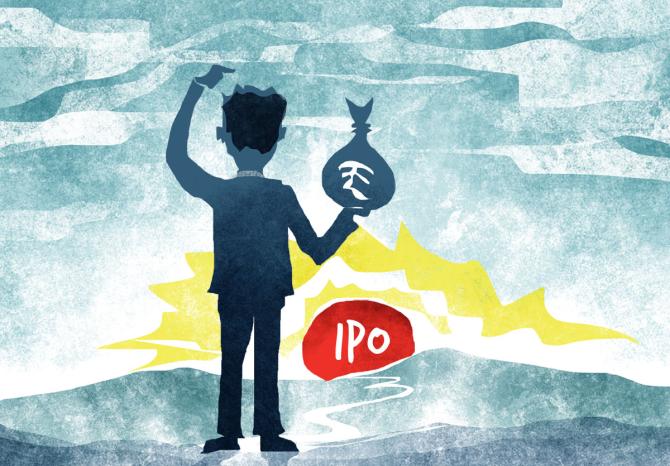
Hungry IPOs Carve A Heft Slice Of Mutual Funds
Rediff· 2025-12-22 05:05
Core Insights - The ongoing surge in IPOs is significantly utilizing mutual fund liquidity, with six primary market issuances accounting for over ₹13,000 crore in net equity investments by mutual funds in November [3][4]. Group 1: Mutual Fund Activity - Groww led the inflows, attracting approximately ₹4,200 crore, while other companies like Lenskart Solutions, Pine Labs, and Physics Wallah each garnered over ₹1,000 crore in investments from mutual funds [4]. - Net equity investments by mutual funds reached ₹43,500 crore in November, indicating strong demand and liquidity in the market [4]. Group 2: IPO Market Dynamics - The robust appetite for IPOs from mutual funds, alongside strong demand from other investor segments, has facilitated record issuances, with over 100 mainboard IPOs launched this year, the highest in 25 years [5]. - The primary market activity is largely driven by retail inflows into mutual funds, as elevated valuations in the secondary market have redirected liquidity towards primary issuances [5]. Group 3: Sector Trends - Demand in the primary market is particularly strong for consumer technology and new-age businesses, which currently represent 20% of recent IPOs, a figure expected to rise above 30% in the next five years [7][8]. - At least 20 startups with private market valuations in the hundreds of millions of dollars are preparing to enter the market, indicating a growing trend in the consumertech sector [8]. Group 4: Secondary Market Activity - In the secondary market, Eternal topped the mutual fund buy list with ₹4,500 crore invested, followed by ICICI Bank, ITC, Mphasis, and HDFC Bank [9]. - Conversely, mutual funds reduced their exposure to public sector banks and pharmaceutical stocks, with State Bank of India and Reliance Industries among the most sold stocks [9].

Market recap: 6 of top-10 most valued firms add over Rs 75,250 crore to mcap; TCS, Infosys lead gains
The Times Of India· 2025-12-21 10:25
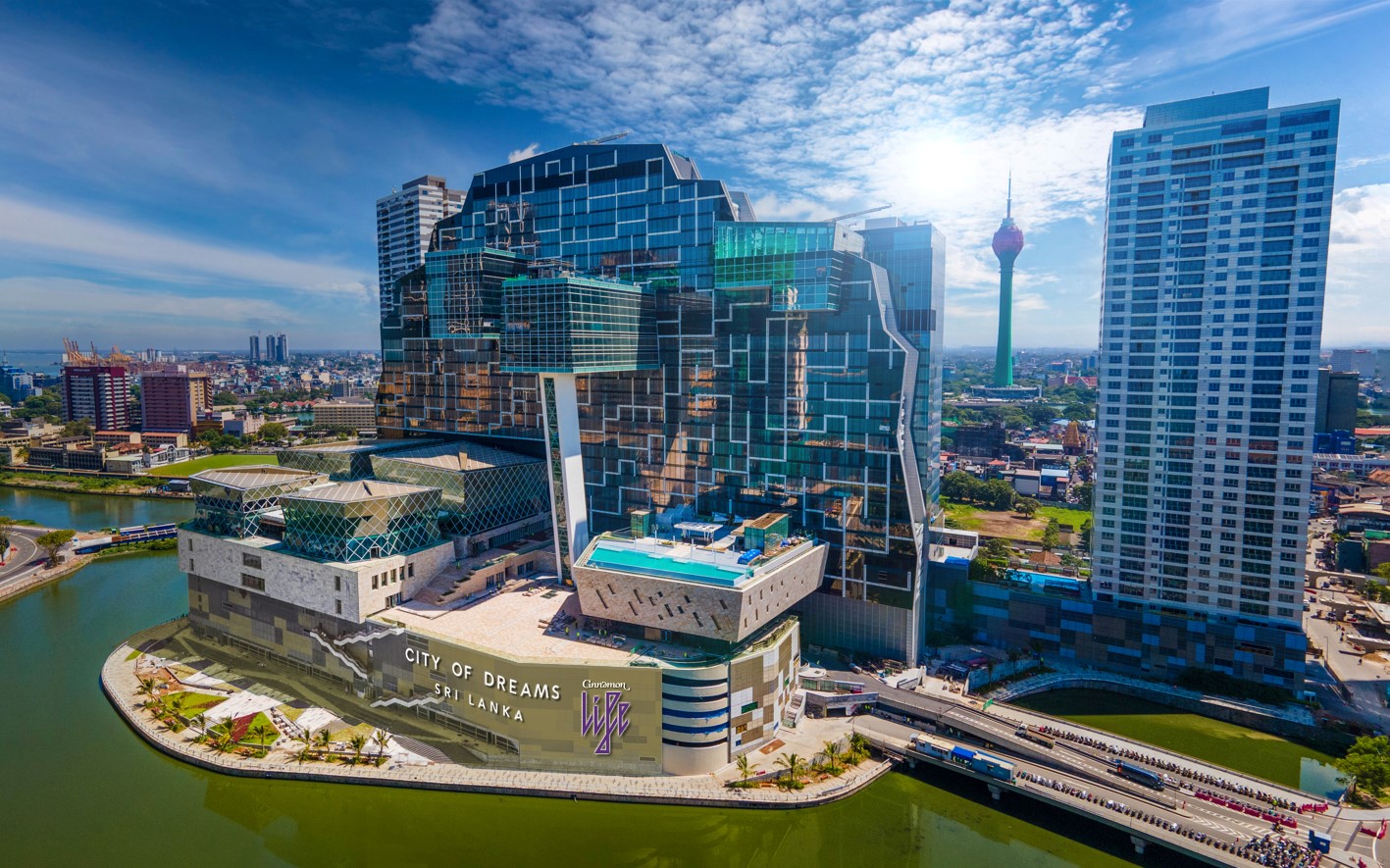
Market Performance Overview - The BSE benchmark index declined by 338.3 points, or 0.39 percent during the week [2][4] - Despite the overall market decline, several heavyweight stocks experienced increases in their valuations [4] Notable Increases in Market Capitalisation - Tata Consultancy Services (TCS) saw its market value surge by Rs 22,594.96 crore, reaching a total valuation of Rs 11,87,673.41 crore [4] - Infosys increased by Rs 16,971.64 crore, pushing its market capitalisation to Rs 6,81,192.22 crore [4] - State Bank of India added Rs 15,922.81 crore, resulting in a valuation of Rs 9,04,738.98 crore [4] - Reliance Industries' market capitalisation rose by Rs 12,314.55 crore to Rs 21,17,967.29 crore [4] - Bharti Airtel's valuation climbed by Rs 7,384.23 crore to Rs 11,95,332.34 crore [3][4] - Larsen & Toubro saw a marginal increase of Rs 68.78 crore, bringing its market capitalisation to Rs 5,60,439.16 crore [3][4] Notable Decreases in Market Capitalisation - HDFC Bank experienced the sharpest decline, with a fall of Rs 21,920.08 crore to Rs 15,16,638.63 crore [3][4] - LIC's valuation slipped by Rs 9,614 crore to Rs 5,39,206.05 crore [3][4] - ICICI Bank's market capitalisation declined by Rs 8,427.61 crore to Rs 9,68,240.54 crore [3][4] - Bajaj Finance saw a dip of Rs 5,880.25 crore, resulting in a valuation of Rs 6,27,226.44 crore [3][4] Overall Market Capitalisation Trends - The combined market capitalisation of six of India's ten most-valued companies rose by Rs 75,256.97 crore over the past week [4] - Reliance Industries maintained its position as the most-valued company, followed by HDFC Bank, Bharti Airtel, Tata Consultancy Services, ICICI Bank, State Bank of India, Infosys, Bajaj Finance, Larsen & Toubro, and LIC [3][4]
Mcap of 6 of top-10 most valued firms climbs ₹75,257 crore; TCS, Infosys biggest winners
BusinessLine· 2025-12-21 09:55
Market Valuation Changes - The combined market valuation of six of the top-10 most-valued firms increased by ₹75,256.97 crore last week, with Tata Consultancy Services (TCS) and Infosys being the largest contributors [1] - TCS's market valuation rose by ₹22,594.96 crore to reach ₹11,87,673.41 crore, while Infosys added ₹16,971.64 crore, bringing its valuation to ₹6,81,192.22 crore [2] - The market capitalization of State Bank of India increased by ₹15,922.81 crore to ₹9,04,738.98 crore, and Reliance Industries saw a rise of ₹12,314.55 crore to ₹21,17,967.29 crore [2] Declines in Valuation - HDFC Bank's market capitalization fell by ₹21,920.08 crore to ₹15,16,638.63 crore, while LIC's valuation decreased by ₹9,614 crore to ₹5,39,206.05 crore [3] - ICICI Bank's market capitalization declined by ₹8,427.61 crore to ₹9,68,240.54 crore, and Bajaj Finance's valuation dipped by ₹5,880.25 crore to ₹6,27,226.44 crore [3] Ranking of Firms - Reliance Industries remains the most-valued firm, followed by HDFC Bank, Bharti Airtel, TCS, ICICI Bank, State Bank of India, Infosys, Bajaj Finance, Larsen & Toubro, and LIC [4]
聚焦价值周期股、人工智能与政策驱动主题-Focusing on Value Cyclicals, AI, and Policy-Driven Themes
2025-12-20 09:54
Summary of Key Points from the Conference Call Industry and Company Overview - The conference call focuses on the **Asia Strategy Baskets** provided by Goldman Sachs, which aim to offer investors a platform for generating ideas and tracking Asian equities through various macroeconomic and thematic lenses [1][40]. Core Themes and Insights Value Cyclicals and GARP - The strategy favors **Growth at a Reasonable Price (GARP)** and **Value Cyclicals** due to uncertainty around market pricing of Federal Reserve cuts, resilient emerging market growth, and above-average equity valuations. GARP has delivered an **8%** and **18%** excess return over the past **3** and **6 months** respectively [4][7]. Macro Divergence - The strategic competition between the **US** and **China** is driving **US reindustrialization**, which is expected to create investment opportunities for Asian companies in the US supply chain. This theme is preferred over European and Chinese sales exposure due to growth headwinds in Europe and China's shift towards targeted stimulus [8][15]. Shareholder Yield - Policy-driven improvements in dividends, buybacks, return on equity (ROE), and governance in **China**, **Korea**, and **Japan** support the recommendation for **High Dividend Yield with Growth**. Key themes include **China Shareholder Return Portfolio**, **Korea Dividend Tax Reform**, and **Japan Buyback Momentum** [9][17]. Earnings Momentum - Dynamic earnings revision factors have consistently delivered alpha across market cycles, with **Consensus Revision Winners vs. Losers** showing a **31 percentage point** year-to-date (YTD) performance and **Strong vs. Weak Earnings Revisions** showing a **43 percentage point** YTD performance [10][23]. Regional Structural Themes AI Beneficiaries - The call highlights the importance of **AI infrastructure** and applications, recommending investments in **AIGC Hardware**, **Semiconductors**, and **Internet/Software** due to strong fundamentals and accelerated adoption [12][27]. Power Up Asia - The strategy emphasizes investments in **Nuclear** for clean baseload power, **Renewables** supported by China's policies, and core holdings in **Power & Electricity** for stable earnings and attractive valuations [12][33]. Defense Spending - Rising geopolitical risks are expected to benefit **Aerospace & Defense** and **Non-Core Defense Suppliers**, making them a hedge against geopolitical uncertainties [12][29]. Market-Specific Themes China - Targeted policies continue to support strategic areas, including the **China 15th Five-Year Plan Portfolio** and **Prominent 10** [11][35]. Korea - Governance reforms and value-up programs support dividend tax reform and treasury share cancellations [14][31]. India - The focus is on domestic themes such as self-sufficiency, mass-consumption revival, and new economy sectors, with an upgrade to **Overweight** for India in November [14][37]. Additional Insights - The call emphasizes the importance of monitoring macroeconomic conditions, liquidity, and borrowing constraints when trading the discussed baskets, as past performance is not indicative of future results [41]. This summary encapsulates the key themes and insights from the conference call, providing a comprehensive overview of the investment strategies and market dynamics discussed.
Sensex jumps 448 points on fresh fund inflows
Rediff· 2025-12-19 11:45
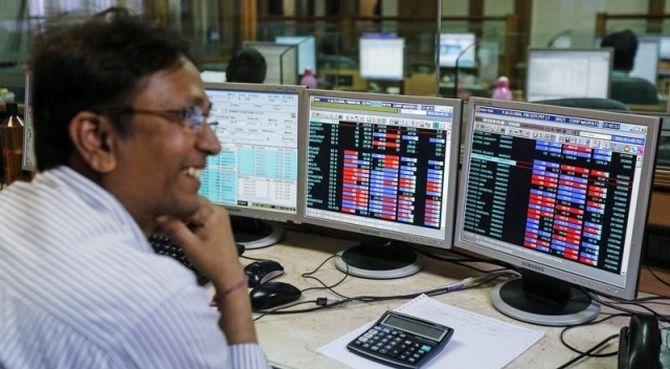
Market Performance - Equity benchmark indices Sensex and Nifty experienced a surge after four days of decline, driven by a rally in global markets and lower-than-expected US consumer price inflation data for November, which reinforced expectations of further interest rate cuts by the Federal Reserve [1][6] - The 30-share BSE Sensex increased by 447.55 points, or 0.53 percent, closing at 84,929.36, with an intraday high of 85,067.50, up 585.69 points, or 0.69 percent [3] - The 50-share NSE Nifty rose by 150.85 points, or 0.58 percent, to settle at 25,966.40 [4] Sector Performance - Among the 30 Sensex firms, notable gainers included Bharat Electronics, Power Grid, Tata Motors Passenger Vehicles, Asian Paints, Reliance Industries, and Bajaj Finserv [4] - Conversely, HCL Tech, Kotak Mahindra Bank, ICICI Bank, and Sun Pharma were identified as laggards [4] Foreign and Domestic Investment - Fresh foreign fund inflows contributed to the upward movement in equity markets, with Foreign Institutional Investors (FIIs) purchasing equities worth Rs 595.78 crore on Thursday [7] - Domestic Institutional Investors (DIIs) also engaged in buying, acquiring stocks worth Rs 2,700.36 crore in the previous trade [8] Global Market Influence - Global equity markets, including those in Europe and the US, were trading higher, with the US markets closing positively on Thursday, reflecting steady investor sentiment supported by favorable global cues [6] - A recovery in the Indian rupee against the US dollar further bolstered confidence, leading to broad-based buying during the session [7] Commodity Prices - Brent crude, the global oil benchmark, saw a slight decline of 0.40 percent, settling at $59.58 per barrel [8]
美银:印度已成全球最活跃AI大模型市场,庞大年轻人口沦为硅谷“试验田”
Hua Er Jie Jian Wen· 2025-12-18 06:22
Core Insights - India has surpassed other countries to become the market with the highest penetration of large language models (LLMs), driven by low data costs and a large young population [1] - According to Bank of America, India is not only the most active AI consumer market but also a key frontier for global tech giants to test next-generation AI technologies [1] Market Dynamics - India leads globally in user numbers for popular AI applications like ChatGPT, Gemini, and Perplexity, reflected in both monthly active users (MAUs) and daily active users (DAUs) [1] - Local telecom giants such as Bharti Airtel and Jio are accelerating this trend by offering free premium AI application subscriptions, further solidifying market penetration [1] Competitive Landscape - Bank of America identifies Bharti Airtel and Jio as potential market winners in this trend, as such collaborations can enhance user stickiness and benefit them in the mid-term AI scale-up [1] - However, the report warns that local startups may face increased pressure as global AI companies enter the market, potentially squeezing their survival space [1] User Base and Accessibility - India's vast and diverse user base makes it an ideal testing ground for "Agentic AI," which can independently reason, plan, and execute tasks [2] - The country has the second-largest online population globally, with over 700 to 750 million mobile internet users, and low data costs (approximately $2 for 20 to 30GB of monthly data) lower the entry barrier for AI [3] Role of Telecom Operators - Telecom operators like Jio and Bharti Airtel play a crucial role in the AI adoption wave in India by offering free subscriptions to paid versions of AI applications, creating a win-win situation for users, AI companies, and telecom operators [3] - This strategy not only reduces the cost of advanced AI tools but also fosters a fair competitive environment, enhancing learning outcomes and productivity [3] Future Testing Grounds - India is positioned to be a testing ground for the next phase of AI technology, particularly "Agentic AI," due to its large and diverse user base [4] - Bank of America suggests that global AI companies could partner with local firms in India to provide service fulfillment, indicating that India is not just a consumer market but also a critical experimental base for Silicon Valley tech giants [4]
Risk-off 2025 brings largecaps back on top after two-year hiatus; what does 2026 hold?
The Economic Times· 2025-12-16 04:28
Core Insights - The analysis indicates a rotation of leadership between large caps and broader markets over the past five years, with 2025 emerging as a year where large caps have regained their defensive edge [1][15] - The post-pandemic liquidity boom in 2021 favored broader markets, with the BSE Largecap index returning 25%, while midcaps and smallcaps outperformed with returns of 39% and 63% respectively [1][15] - In 2022, large caps showed resilience with a 4.73% increase, while midcaps and smallcaps struggled, highlighting their vulnerability during risk-off phases [1][2][15] - A strong risk appetite returned in 2023, leading to significant rebounds in midcaps and smallcaps, which rallied 46% and 48% respectively, compared to a 19% rise in the BSE Largecap index [5][15] - As of 2025, large caps are on track to outperform mid and small caps, with the BSE Largecap index rising nearly 9% while the BSE Smallcap index declined by 8% [1][15] Market Performance - The BSE Largecap index has shown a mixed performance in 2025, with notable volatility; it fell 1.7% in January and 6.6% in February, but rebounded sharply by 7% in March [6][7][15] - The first five months of 2025 saw the India VIX rise to a 52-week high of 23.19, indicating increased market volatility, before settling around 10, a decrease of over 55% [8][15] - Out of 121 stocks in the BSE Largecap index, 72 have delivered positive returns of up to 54% in 2025, with 55 stocks achieving double-digit returns [10][15] Future Outlook - Brokerage Motilal Oswal Financial Services anticipates that large caps will continue to outperform in the medium term, contingent on foreign institutional investors returning as net buyers in Indian equities [12][15] - Kranthi Bathini from WealthMills Securities suggests that 2026 could favor large-cap stocks, as they have undergone a time-wise correction and are poised for the next rally [12][15] - The wealth creation study by Motilal Oswal indicates that the period from 2020 to 2025 has seen the highest wealth creation in 30 years, with the top 100 companies adding ₹148 trillion [15]

Top market movers: Eight of top-10 firms lose Rs 79,129 crore in value; Bajaj Finance, ICICI Bank lead weekly drag
The Times Of India· 2025-12-14 09:42
Market Capitalization Trends - The combined market capitalization of eight of India's ten most-valued companies fell by Rs 79,129.21 crore last week, reflecting a broadly weak trend in equities [4][6] - The BSE benchmark index dropped by 444.71 points, or 0.51%, during the same period [4][6] Major Losers - Bajaj Finance experienced the largest decline, with a market cap drop of Rs 19,289.7 crore, bringing its valuation to Rs 6,33,106.69 crore [4][6] - ICICI Bank followed closely, losing Rs 18,516.31 crore, resulting in a valuation of Rs 9,76,668.15 crore [4][6] - Other significant losses included Bharti Airtel (down Rs 13,884.63 crore to Rs 11,87,948.11 crore), State Bank of India (down Rs 7,846.02 crore to Rs 8,88,816.17 crore), Infosys (down Rs 7,145.95 crore to Rs 6,64,220.58 crore), TCS (down Rs 6,783.92 crore to Rs 11,65,078.45 crore), and HDFC Bank (down Rs 4,460.93 crore to Rs 15,38,558.71 crore) [4][6] Major Gainers - In contrast, Reliance Industries added Rs 20,434.03 crore to reach a market cap of Rs 21,05,652.74 crore, maintaining its position as India's most valuable company [5][6] - Larsen & Toubro also saw gains, increasing by Rs 4,910.82 crore to a valuation of Rs 5,60,370.38 crore [5][6] Company Rankings - The current ranking of India's most valuable companies is led by Reliance Industries, followed by HDFC Bank, Bharti Airtel, TCS, ICICI Bank, State Bank of India, Infosys, Bajaj Finance, Larsen & Toubro, and LIC [5][6]
Mcap of 8 of top-10 most valued firms erodes by ₹79,129 cr; Bajaj Finance, ICICI Bank hit hard
BusinessLine· 2025-12-14 07:34
Market Valuation Summary - The combined market valuation of eight of the top-10 most valued domestic firms decreased by ₹79,129.21 crore last week, with Bajaj Finance and ICICI Bank experiencing the largest declines [1] - The BSE benchmark index fell by 444.71 points or 0.51 percent during the same period [1] Individual Company Performance - Bajaj Finance's market capitalization dropped by ₹19,289.7 crore to ₹6,33,106.69 crore [2] - ICICI Bank's valuation decreased by ₹18,516.31 crore to ₹9,76,668.15 crore [2] - Bharti Airtel's market capitalization fell by ₹13,884.63 crore to ₹11,87,948.11 crore [3] - State Bank of India's valuation diminished by ₹7,846.02 crore to ₹8,88,816.17 crore [3] - Infosys lost ₹7,145.95 crore, bringing its market valuation to ₹6,64,220.58 crore [3] - Tata Consultancy Services (TCS) saw a decline of ₹6,783.92 crore to ₹11,65,078.45 crore [3] - HDFC Bank's market capitalization dipped by ₹4,460.93 crore to ₹15,38,558.71 crore [3] - Life Insurance Corporation of India (LIC) experienced a valuation erosion of ₹1,201.75 crore to ₹5,48,820.05 crore [3] Gainers in the Market - Reliance Industries' market capitalization increased by ₹20,434.03 crore to ₹21,05,652.74 crore, maintaining its position as the most valued firm [4] - Larsen & Toubro's valuation rose by ₹4,910.82 crore to ₹5,60,370.38 crore [4]

Mcap of 8 of 10 most valued firms erodes by Rs 79,129 cr; Bajaj Finance, ICICI Bank hit hard
The Economic Times· 2025-12-14 07:16
Market Overview - The BSE benchmark index declined by 444.71 points or 0.51 percent last week [1][7] - The combined market valuation of eight of the top-10 most valued domestic firms eroded by Rs 79,129.21 crore amid a largely bearish trend in equities [7] Company Valuations - Bajaj Finance's market capitalisation dropped by Rs 19,289.7 crore to Rs 6,33,106.69 crore [7] - ICICI Bank's valuation tumbled by Rs 18,516.31 crore to Rs 9,76,668.15 crore [4][7] - Bharti Airtel's market capitalisation tanked by Rs 13,884.63 crore to Rs 11,87,948.11 crore [5][7] - State Bank of India's valuation diminished by Rs 7,846.02 crore to Rs 8,88,816.17 crore [5][7] - Infosys lost Rs 7,145.95 crore from its market valuation, which stood at Rs 6,64,220.58 crore [6][7] - TCS's market capitalisation declined by Rs 6,783.92 crore to Rs 11,65,078.45 crore [6][7] - HDFC Bank's valuation dipped by Rs 4,460.93 crore to Rs 15,38,558.71 crore [6][7] - LIC's valuation eroded by Rs 1,201.75 crore to Rs 5,48,820.05 crore [6][7] - Reliance Industries' market capitalisation increased by Rs 20,434.03 crore to Rs 21,05,652.74 crore, maintaining its position as the most valued firm [7] - Larsen & Toubro added Rs 4,910.82 crore, taking its valuation to Rs 5,60,370.38 crore [6][7] Top Valued Firms - Reliance Industries remains the most valued firm, followed by HDFC Bank, Bharti Airtel, TCS, ICICI Bank, State Bank of India, Infosys, Bajaj Finance, Larsen & Toubro, and LIC [7]