
蔚来

Search documents
蔚来公司12月交付新车48135台 同比增长54.6%
Xin Hua Cai Jing· 2026-01-01 10:13
Group 1 - In December 2025, NIO delivered a record 48,135 vehicles, marking a year-on-year increase of 54.6% [1] - For Q4 2025, NIO's total vehicle deliveries reached 124,807, a historical high with a year-on-year growth of 71.7% [1] - In 2025, NIO delivered a total of 326,028 vehicles, achieving a historical high and a year-on-year increase of 46.9% [1] Group 2 - From January 1, 2026, the vehicle purchase tax policy will change from exemption to a 50% reduction, benefiting battery-swappable models [2] - Customers using the BaaS battery rental scheme for NIO, Ladao, and Firefly models can save between 1,770 yuan and 9,558 yuan based on product prices [2]

蔚来12月交付汽车4.81万辆,同比增长54.6%
Ju Chao Zi Xun· 2026-01-01 09:50
Core Insights - NIO achieved a record delivery of 326,028 vehicles in 2025, marking a 46.9% year-on-year increase, with December alone contributing 48,135 vehicles, a 54.6% increase year-on-year [2] - The company reported significant growth across its brands, with NIO brand deliveries reaching 67,433 units in Q4, a 27.8% increase, while the other brands, Ladao and Firefly, saw even higher growth rates [2][3] Delivery Performance - In 2025, NIO brand delivered 178,806 vehicles, Ladao delivered 107,808 vehicles, and Firefly delivered 39,414 vehicles, contributing to a total cumulative delivery of 997,592 vehicles [3] - The new ES8 model achieved a remarkable delivery milestone of 22,256 units in December, setting a record for vehicles priced above 400,000 yuan [3] Battery Swap Network Development - NIO's battery swap network achieved a significant milestone with the completion of the Yunnan-Tibet route, featuring 19 battery swap stations along a 2,700 km stretch [4] - The company plans to add over 4,200 long-range battery packs in January, enhancing the user experience for NIO and Ladao customers [4] Policy Benefits - Starting January 1, 2026, the vehicle purchase tax policy will shift from exemption to a 50% reduction, benefiting users of battery swap models [4]

蔚来公司四季度交付新车124,807台,同比增长71.7%,创历史新高
Jing Ji Guan Cha Wang· 2026-01-01 09:22
Group 1 - In December 2025, NIO delivered a record 48,135 vehicles, marking a year-on-year increase of 54.6% [1] - For Q4 2025, NIO's total vehicle deliveries reached 124,807, a historical high with a year-on-year growth of 71.7% [1] - In 2025, NIO delivered a total of 326,028 vehicles, achieving a historical high and a year-on-year increase of 46.9% [1] Group 2 - Starting January 1, 2026, the vehicle purchase tax policy will change from exemption to a 50% reduction, benefiting battery-swapping models [2] - Customers using the BaaS battery rental scheme for NIO, Ladao, and Firefly models can save between 1,770 yuan and 9,558 yuan based on product prices [2]
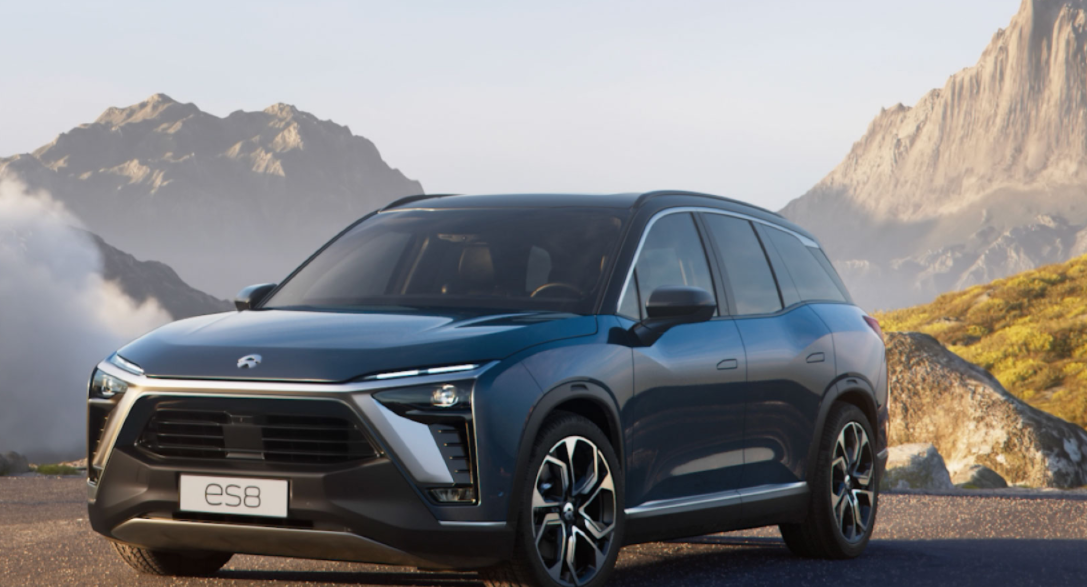
全新ES8刷新纯电交付纪录,蔚来美股应声大涨超7%!
Jin Rong Jie· 2026-01-01 08:30
12月30日,蔚来美股开盘上涨逾7%。此前一日,蔚来全新ES8车型迎来第四万台新车交付。该车型自9 月21日启动交付以来,仅用时100天即实现四万台交付,创下中国市场40万元以上价位车型达成四万台 交付的最快纪录。全新ES8持续刷新交付速度,印证了蔚来"双旗舰大三排SUV"战略具备较强的市场竞 争力。蔚来创始人、董事长、CEO李斌此前表示,2026年全新ES8与乐道L90将共同处于热销周期,公 司计划再推出三款大型车型,届时将有五款大车同时在售。 本文源自:金融界资讯 行业数据同样显示大三排纯电SUV市场正加速成长。根据中汽协与乘联会最新零售数据,2025年11月, 纯电大三排SUV销量达46,209台,环比增长16%,创历史新高。自今年9月首次超越增程、燃油及插电 混动车型后,该细分市场销量已连续三个月位居各动力形式首位。用户偏好与市场表现共同表明,纯电 大三排SUV正步入高速发展期。 ...
蔚来公司12月交付再创历史新高
Zheng Quan Shi Bao Wang· 2026-01-01 08:29
Core Insights - NIO achieved a record high in vehicle deliveries in December 2025, with a total of 48,135 units delivered, representing a year-on-year increase of 54.6% [1] - The NIO brand alone delivered 31,897 units in December, also a record high, with a year-on-year growth of 54.8% [1] - NIO's vehicle deliveries have seen continuous growth for five consecutive months [1] - For the entire year of 2025, NIO delivered a total of 326,028 vehicles, marking a record high and a year-on-year increase of 46.9% [1]
蔚来12月交付新车48135台 全年交付超32万台创新高
Feng Huang Wang· 2026-01-01 08:29
Group 1 - NIO delivered a total of 326,028 vehicles in 2025, marking a year-on-year increase of 46.9%, achieving a historical high in annual deliveries [1] - Cumulative vehicle deliveries approached one million, reaching 997,592 units [1] - In December 2025, NIO delivered 48,135 vehicles, a year-on-year increase of 54.6%, with the NIO brand delivering 31,897 units, marking five consecutive months of growth [1] Group 2 - The fourth quarter of 2025 saw NIO deliver 124,807 vehicles, a year-on-year increase of 71.7%, with all three major brands setting new quarterly delivery records [1] - The new ES8 model delivered 22,256 units in December, setting a record for monthly deliveries of vehicles priced above 400,000 yuan [1] - NIO's battery swap network expanded with the completion of the Yunnan-Tibet route, featuring 19 battery swap stations along a 2,700-kilometer route, bringing the total number of battery swap stations to over 3,600 nationwide [2] Group 3 - NIO plans to add over 4,200 long-range battery packs to its battery swap system to meet travel demands [2] - Starting January 1, 2026, the vehicle purchase tax will be halved, allowing users who purchase vehicles using the BaaS battery rental scheme to save between 1,770 yuan and 9,558 yuan on tax costs, depending on the vehicle price [2]
蔚来:12月交付新车48,135台,创历史新高
Xin Lang Cai Jing· 2026-01-01 08:29
Core Viewpoint - NIO achieved record vehicle deliveries in December 2025, with a total of 48,135 units delivered, marking a year-on-year increase of 54.6% [1] - For the entire year of 2025, NIO delivered a total of 326,028 vehicles, also a record high, representing a year-on-year growth of 46.9% [1] Summary by Category - **Vehicle Deliveries** - In December 2025, NIO delivered 48,135 new vehicles, setting a historical record [1] - The year 2025 saw total vehicle deliveries reach 326,028 units, another historical high [1] - **Year-on-Year Growth** - December 2025 deliveries increased by 54.6% compared to the same month in the previous year [1] - The total deliveries for 2025 grew by 46.9% year-on-year [1]
蔚来公司(09866)12月交付新车48135台,同比增长54.6%,再创历史新高
智通财经网· 2026-01-01 08:26
Core Insights - NIO Inc. achieved a record high of 48,135 vehicle deliveries in December 2025, representing a year-on-year increase of 54.6% [1] - The NIO brand delivered 31,897 vehicles, also a record high, with a year-on-year growth of 54.8%, marking five consecutive months of growth [1] - The total vehicle deliveries for NIO in 2025 reached 326,028 units, a historical high with a year-on-year increase of 46.9% [1] Delivery Performance - In Q4 2025, NIO delivered 124,807 vehicles, a record high with a year-on-year growth of 71.7% [1] - The NIO brand's Q4 deliveries were 67,433 units, up 27.8% year-on-year [1] - The Ladao brand saw a significant increase in Q4 deliveries, reaching 38,290 units, a year-on-year growth of 92.1% [1] - The Firefly brand delivered 19,084 vehicles in Q4, reflecting a quarter-on-quarter growth of 52.8% [1] Cumulative Deliveries - As of now, NIO has cumulatively delivered 997,592 vehicles, with the NIO brand accounting for 829,609 units [2] - The Ladao brand has delivered 128,569 vehicles, while the Firefly brand has delivered 39,414 units [2] Tax Policy Changes - Starting January 1, 2026, the vehicle purchase tax policy will change from exemption to a 50% reduction [2] - This new policy benefits battery-swappable models, allowing customers using the BaaS battery rental scheme for NIO, Ladao, and Firefly vehicles to enjoy additional tax savings ranging from 1,770 to 9,558 yuan [2]
蔚来汽车:2025年12月交付48,135辆汽车,同比增长54.6%。2025年第四季度交付124,807辆汽车,同比增长71.7%
Jin Rong Jie· 2026-01-01 08:17
本文源自:金融界AI电报 蔚来汽车:2025年12月交付48,135辆汽车,同比增长54.6%。2025年第四季度交付124,807辆汽车,同比 增长71.7% ...
蔚来汽车:2025年12月交付车辆为48135辆,同比增长54.6%
Mei Ri Jing Ji Xin Wen· 2026-01-01 08:13
Core Viewpoint - NIO Inc. achieved a record high in vehicle deliveries in December 2025, with a total of 48,135 vehicles delivered, marking a year-on-year increase of 54.6% [1] Group 1: December Deliveries - NIO brand delivered 31,897 vehicles in December 2025, also a record high, with a year-on-year increase of 54.8% and continuous growth for five consecutive months [1] - The Ladao brand delivered 9,154 vehicles in December 2025 [1] - The Firefly brand delivered 7,084 vehicles in December 2025, a record high with a month-on-month increase of 16.4%, also showing continuous growth for five consecutive months [1] Group 2: Annual Deliveries - In 2025, NIO Inc. delivered a total of 326,028 vehicles, setting a new historical record with a year-on-year increase of 46.9% [1] - The NIO brand accounted for 178,806 vehicles delivered in 2025 [1] - The Ladao brand delivered 107,808 vehicles in 2025 [1] - The Firefly brand delivered 39,414 vehicles in 2025 [1]