MediaTek

Search documents
台湾科技_市场反馈_人工智能情绪渐涨,地缘政治担忧仍居首位;买入台积电
2025-06-09 01:42
Summary of Key Points from the Conference Call Industry Overview - The conference call focused on the Taiwan technology sector, particularly semiconductor companies such as TSMC, MediaTek, and UMC, as well as emerging companies like MPI and WinWay [1][3][4]. Core Insights and Arguments TSMC (Taiwan Semiconductor Manufacturing Company) - Investor sentiment regarding AI demand has improved, with a decreasing likelihood of significant AI order cuts in the near term due to better assembly yields from downstream ODMs [3][5]. - TSMC's CoWoS shipments and capacity are expected to grow by 52% and 58% year-over-year in 2026, with capacity increasing from 660k wafers in 2025 to 1,000k wafers in 2026 [5]. - The company's capital expenditure (capex) outlook has been trimmed to US$40 billion for 2026, down from US$45 billion, reflecting potential slower adoption of 2nm technology [5][16]. - TSMC is projected to achieve a 20% revenue compound annual growth rate (CAGR) over the next several years, driven by increasing silicon content and AI demand [14][16]. MediaTek - There are concerns regarding MediaTek's AI ASIC business, with potential revenue expectations for 2026 around US$1 billion [7][18]. - Despite near-term uncertainties, there is optimism about MediaTek's long-term growth in ASICs and its expansion into new markets [7][19]. - MediaTek is expected to see revenue and earnings grow by 16% and 21% CAGR from 2025 to 2027, driven by market share gains and new total addressable markets (TAM) [19][20]. UMC (United Microelectronics Corporation) - UMC has been downgraded to a Sell rating due to risks associated with order cuts and unfavorable foreign exchange trends [8][22]. - The company faces intense pricing pressure from aggressive capacity expansion by mainland Chinese foundries, which is expected to impact its profitability [8][22]. - UMC's share price has increased by 10% year-to-date, but the outlook remains cautious due to competition and potential order cuts in non-AI applications [8][22]. MPI and WinWay - MPI is positioned as a leading probe card provider, with expectations of revenue and earnings CAGR of 19% and 28% from 2024 to 2027, driven by market share gains and increased self-sufficiency [25][27]. - WinWay, a socket provider, is expected to see revenue and earnings accelerate at 23% and 37% CAGR from 2024 to 2027, supported by demand from the AI/HPC segment [30][31]. - Both companies are trading below their historical average P/E ratios, indicating potential upside in their valuations [27][31]. Other Important Insights - Investor sentiment is cautiously optimistic about AI demand, with some investors shifting to a more positive stance as geopolitical tensions and supply chain issues ease [3][5]. - The overall market dynamics for the semiconductor industry are influenced by the ongoing technology migration and increasing complexity of chips, which is driving demand for advanced testing solutions [10][11][31]. - The conference highlighted the importance of understanding the competitive landscape and potential new business opportunities for companies in the semiconductor sector [9][10]. This summary encapsulates the key points discussed during the conference call, providing insights into the current state and future outlook of the Taiwan technology sector, particularly in the semiconductor industry.

瑞银:全球科技硬件与半导体_2025 年 AIC 关键要点
瑞银· 2025-06-06 02:37
Investment Rating - The report maintains a "Buy" rating for several companies in the tech hardware and semiconductors sector, including ASE, Hon Hai Precision, MediaTek, and TSMC, among others [8]. Core Insights - The outlook for AI adoption remains strong, with significant momentum in enterprise AI, leading to supply constraints for major customers [2][3]. - TSMC aims to double its CoWoS capacity year-over-year in 2025, despite facing gross profit margin dilution due to overseas expansion [3]. - Samsung reports robust memory demand, particularly from PC and smartphone sectors, supporting DDR pricing [4]. - The report highlights a value bias within the APAC tech sector, indicating a preference for certain stocks over others [5]. Summary by Sections AI and Technology Hardware - AI-related developments are driving enterprise adoption, with Microsoft noting strong demand from large customers [2]. - The ramp-up of Blackwell rack assembly is on track, with Quanta expecting to meet server test cycle targets by the end of Q2 2025 [2]. Semiconductor Industry - TSMC's gross margin is negatively impacted by NTD appreciation against USD, with a 40-basis point decline for every 1% appreciation [3]. - MediaTek maintains its Q2 gross margin guidance at 47% despite foreign exchange pressures [3]. - ASE targets $1.6 billion in revenue from advanced packaging and testing in 2025, up from $600 million in 2024 [30]. Market Dynamics - Samsung anticipates strong demand for memory products, which is expected to support pricing in the DDR segment [4]. - The report notes a potential decline in revenue for certain ICs, indicating a cooling off from earlier pull-ins [3]. Company-Specific Insights - ASE is focused on expanding its advanced packaging and testing business, targeting significant revenue growth [30]. - MediaTek is aggressively pursuing the N2 process migration, with expectations of reaching $1 billion in cloud ASIC revenue by 2026 [39]. - Quanta's server business is expected to grow, with AI servers making up a significant portion of sales [24]. Preferred Companies - The report lists preferred companies in the APAC tech sector, highlighting those with strong growth potential and favorable valuations [8].
2 AI Growth Stocks That Could Help Set You Up for Life
The Motley Fool· 2025-06-05 08:40
Group 1: AI Market Growth - The artificial intelligence (AI) market has experienced rapid growth over the past decade, driven by advancements in cloud computing, large language models, and generative AI applications [1][2] - Major winners in the AI sector include Nvidia and Microsoft, but there are also under-the-radar companies like Credo Technology and Arm Holdings that present significant growth potential [2] Group 2: Credo Technology - Credo Technology, which went public in 2022, offers high-speed connectivity solutions for data centers, cloud, and AI markets, with a revenue growth of 60% CAGR from fiscal 2022 to fiscal 2025 [4][5] - The company turned profitable for the first time in fiscal 2025, with its largest customer, believed to be Microsoft, accounting for 39% of its revenue in fiscal 2024 [5] - Analysts project Credo's revenue to grow at a CAGR of 47% from fiscal 2025 to fiscal 2027, with EPS expected to increase at a CAGR of 113% [6] - The growth is attributed to the expansion of the AI market and a shift towards higher-speed ethernet connections, alongside rising demand for its modular "chiplet" designs [6][7] Group 3: Arm Holdings - Arm Holdings, a UK chip designer, specializes in power-efficient CPUs and has a significant presence in the smartphone market, with its designs in approximately 99% of the world's smartphones [8][9] - The company reported a 24% revenue increase in fiscal 2025, with expectations for a CAGR of 21% over the next three years, and EPS surged by 159% in fiscal 2025 [10] - Arm is transitioning from a licensing model to developing its own chips, which could increase operating expenses but also eliminate royalty costs, potentially making its chips more appealing to OEMs [11] - Despite a high valuation at 113 times this year's earnings, Arm is positioned as a long-term play in the growing demand for power-efficient AI chips [12]



IP 设计服务展望:2026 年 ASIC 市场动态
2025-05-22 05:50
Summary of Conference Call Notes Industry Overview - The conference call focuses on the ASIC (Application-Specific Integrated Circuit) market dynamics, particularly involving major players like AWS, Google, Microsoft, and META, with projections extending into 2026 and beyond [1][2][5]. Key Company Insights AWS - AWS has resolved issues with Trainium 3 and continues to secure orders from downstream suppliers. The development of Trainium 4 has commenced, with expectations for a contract signing soon [2][5]. - The specifications for AWS's TPU chips are significantly higher than competitors, with TPU v6p and TPU v7p expected to have ASPs of US$8,000 and higher, respectively [2]. Google - Google is progressing steadily with its TPU series, with TPU v6p featuring advanced specifications including multiple compute and I/O dies. The company is anticipated to become a top customer for GUC due to its rapid ramp-up in CPU development [2][10]. - The revenue from Google's 3nm server CPU is expected to contribute to GUC's revenue sooner than previously anticipated, moving from Q4 2025 to Q3 2025 [10]. Microsoft - Microsoft is working on its Maia v2 ASIC, with a target of ramping 500,000 chips in 2026. However, the project has faced delays, pushing the tape-out timeline from Q1 2025 to Q2 2025 [3][4]. - The allocation of chips has shifted, with expectations of 40-60k chips for MSFT/GUC and 400k chips for Marvell in 2026 [3]. META - META is transitioning from MTIA v2 to MTIA v3, with expectations of ramping 100-200k chips for MTIA v2 and 200-300k chips for MTIA v3 in 2026 [2]. Non-CSPs - Companies like Apple, OpenAI, and xAI are entering the ASIC server market, with many expected to tape out in 2H25 and ramp in 2H26. These companies are likely to collaborate with Broadcom for high-end ASIC specifications [7][8][9]. Financial Projections - GUC's FY25 revenue is expected to exceed previous forecasts, driven by contributions from Google and crypto projects. However, concerns remain about FY26 growth without crypto revenue, with a projected 50% YoY growth in MP revenue [10][11]. - The revenue contribution from various ASIC projects in 2026 includes significant figures such as US$16,756 million from TPU v6p and US$2,616 million from Trainium 3 [18]. Additional Insights - The competitive landscape for ASIC design services is intensifying, with Broadcom and MediaTek entering the fray alongside existing players like Marvell and GUC [4][15]. - The potential impact of geopolitical factors on HBM2E clients was discussed, highlighting the resilience of Faraday in the face of possible restrictions [14]. Conclusion - The ASIC market is poised for significant growth, driven by advancements in technology and increasing demand from both CSPs and non-CSPs. Key players are adapting their strategies to navigate challenges and capitalize on emerging opportunities in the sector [1][5][7].



Nvidia's AI Ecosystem Masterplan Is Driving Its Stock
Forbes· 2025-05-20 10:35
Core Insights - Nvidia shares have increased by nearly 11% in the last week and are up almost 40% over the last 30 days, driven by both market conditions and company-specific developments [1] Group 1: AI Technology Developments - Nvidia has introduced NVLink Fusion, a new interconnect technology aimed at enhancing AI systems, which will be licensed to other chip designers for developing custom AI chips [2] - This strategy allows third-party providers to create semi-custom AI systems that integrate with Nvidia's ecosystem, potentially establishing Nvidia as a standard in AI hardware similar to Intel's influence in the PC sector [2] Group 2: Strategic Partnerships and Market Expansion - Nvidia will deliver over 18,000 Blackwell AI chips to a Saudi Arabian AI startup, Humain, as part of the growing "sovereign AI" sector, which is crucial for reducing dependency on American tech giants [3] - Major companies like Amazon, Meta, Google, and Microsoft account for over 50% of Nvidia's revenue, highlighting the competitive landscape as these firms develop their own AI chips [3] Group 3: Stock Performance and Volatility - Nvidia's stock has shown significant volatility, with annual returns of 125% in 2021, -50% in 2022, 239% in 2023, and 171% in 2024, contrasting with the more stable performance of the S&P 500 [4] - Current estimates suggest Nvidia's stock is approximately $101 per share, about 25% lower than its present market value, with concerns about a potential decline in AI enthusiasm affecting future performance [4] Group 4: Market Risks - Despite strong past performance, Nvidia shares are susceptible to rapid declines, as evidenced by previous market crashes, indicating that no stock is invulnerable [5]

E Ink and MediaTek Donate 58 eReaders to the Boys and Girls Clubs of Metro Louisiana
Globenewswire· 2025-05-19 14:14
Core Insights - E Ink and MediaTek have collaborated to donate 58 Amazon Kindle Kids eReaders to the Boys and Girls Clubs of Metro Louisiana as part of the eRead for the Future initiative, aimed at promoting reading among children [1][4] - The donation is intended to support a Summer Reading program designed to combat reading skill loss during the summer months [2] - E Ink's ePaper technology is highlighted for its health benefits, being up to three times healthier for eyes compared to traditional LCD screens, thus providing a better reading experience [3] Company Initiatives - The eRead for the Future program reflects E Ink and MediaTek's commitment to enhancing educational opportunities for children through technology [4] - In 2024, E Ink engaged over 22 partners in the ePaper ecosystem, donating 1,024 color eReaders to benefit over 15,000 students, with a total donation value of nearly USD 1 million [5] - The previous year's initiative saved 777 metric tons of carbon emissions, emphasizing the environmental benefits of digital reading [5] Technology and Sustainability - E Ink's ePaper displays are designed to be low power and sustainable, with a pledge to use 100% renewable energy by 2030 and achieve net zero carbon emissions by 2040 [6] - The company has been recognized for its sustainability efforts, receiving validation from Science-Based Targets (SBTi) and being listed in the DJSI World and DJSI Emerging Indexes [6][7] - E Ink is the world's largest supplier of ePaper displays, enabling various applications across multiple industries [6][7]

英伟达重磅发布!黄仁勋发声,盛赞DeepSeek!
证券时报· 2025-05-19 12:50
Core Insights - The CEO of Nvidia, Jensen Huang, envisions AI becoming an essential part of daily life, akin to the internet and electricity, emphasizing the need for ubiquitous AI infrastructure in the future [3][4] - Nvidia is positioning itself not just as a tech company but as a crucial infrastructure provider for AI, with the AI chip market valued at $300 billion and data center opportunities approaching a trillion dollars [3][4] Group 1: AI Infrastructure and Future Vision - Huang expressed that AI will be integrated into every sector and region, highlighting the necessity of AI in factories and companies [3] - The value of the chip industry is currently at $300 billion, with data center opportunities projected to grow into a nearly $1 trillion market driven by AI [3][4] Group 2: DeepSeek and Technological Advancements - Huang praised DeepSeek-R1 for its groundbreaking performance, stating it has quadrupled computational capabilities compared to leading competitors [4] - Nvidia is collaborating with Google’s DeepMind and Disney Research to develop an advanced physics engine called Newton, which will be open-sourced in July [4] Group 3: New Product Launches - Nvidia introduced several new AI hardware and software products, including the upcoming GB300 system and desktop DGX Spark AI workstations [6] - The GB Superchip has entered full production, with deliveries starting in February, and the GB300 hardware system is set to launch in Q3 of this year [6][9] Group 4: NVLink Fusion Technology - NVLink Fusion, a new interconnect technology, will now be available to other chip manufacturers, enhancing flexibility for data center operators [7][8] - This technology allows customers to customize their AI infrastructure while keeping Nvidia at the center of their operations [8] Group 5: Automotive Industry Focus - Nvidia is advancing its efforts in the automotive sector, utilizing the Isaac Groot platform for robotic systems, which is powered by the Jetson Thor processor [10] - The company is applying its AI models to autonomous vehicles, partnering with Mercedes to deploy a fleet using Nvidia's end-to-end autonomous driving technology this year [10]

Nvidia announces new tech to keep it at the center of AI development
CNBC· 2025-05-19 10:04
Core Insights - Nvidia CEO Jensen Huang announced new products and initiatives aimed at positioning the company at the forefront of artificial intelligence development and computing [1] Group 1: NVLink Fusion Program - The new "NVLink Fusion" program allows customers and partners to integrate non-Nvidia CPUs and GPUs with Nvidia's products, expanding the usability of NVLink technology [2] - NVLink Fusion enables the creation of semi-custom AI infrastructures by combining Nvidia processors with various CPUs and ASICs, enhancing the NVLink ecosystem [3] - AI chipmaking partners for NVLink Fusion include MediaTek, Marvell, Alchip, Astera Labs, Synopsys, and Cadence, with customers like Fujitsu and Qualcomm able to connect third-party CPUs to Nvidia's GPUs [3] Group 2: Market Strategy - The introduction of NVLink reflects Nvidia's strategy to capture market share in data centers that utilize ASICs, which have been traditional competitors [4]
NVIDIA Unveils NVLink Fusion for Industry to Build Semi-Custom AI Infrastructure With NVIDIA Partner Ecosystem
Globenewswire· 2025-05-19 03:51
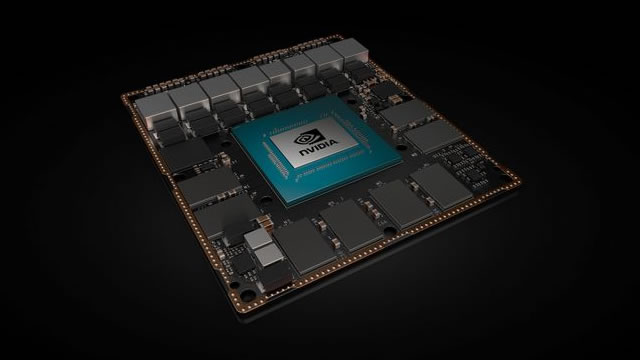
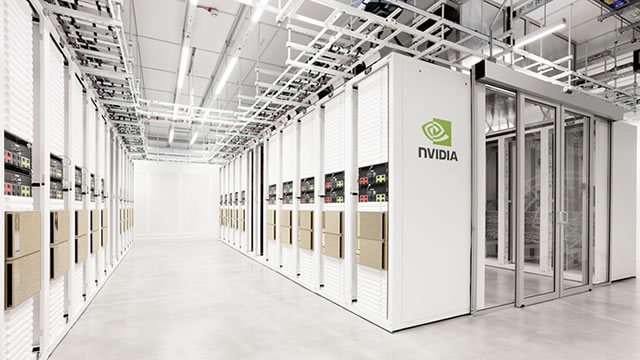
Core Insights - NVIDIA has introduced NVLink Fusion, a new silicon technology that enables industries to create semi-custom AI infrastructure, leveraging a vast ecosystem of partners [1][12] - The technology allows for the integration of NVIDIA GPUs with CPUs from companies like Fujitsu and Qualcomm, facilitating the development of high-performance AI factories [2][6] Industry Impact - A significant transformation is occurring in data centers, necessitating a fundamental rearchitecture to incorporate AI into every computing platform [3] - NVLink Fusion provides cloud providers with a scalable solution to expand AI capabilities, supporting up to millions of GPUs and delivering throughput of up to 800 Gb/s [3][4] Partner Collaborations - Key partners adopting NVLink Fusion include MediaTek, Marvell, Alchip Technologies, Astera Labs, Synopsys, and Cadence, all of which are working to create custom AI silicon [2][4][13] - MediaTek and Marvell emphasize their collaboration with NVIDIA to redefine AI factory integration and deliver scalable technologies for cloud-scale AI [5] Technological Advancements - The fifth-generation NVIDIA NVLink platform offers compute-dense racks with a total bandwidth of 1.8 TB/s per GPU, significantly outperforming PCIe Gen5 by 14 times [7] - NVIDIA Mission Control software enhances AI factory operations by automating the management of AI data centers and workloads, streamlining deployment and validation processes [9] Availability and Future Prospects - NVLink Fusion silicon design services and solutions are currently available from several partners, indicating a strong market readiness for this technology [14]
QCOM Unveils Advanced Snapdragon 7 Chipset: Should You Buy the Stock?
ZACKS· 2025-05-16 19:26
Core Insights - Qualcomm Technologies, Inc. has launched the Snapdragon 7 Gen 4 Mobile Platform, featuring a 65% improvement in AI performance, 30% faster GPU rendering, and a 27% improvement in CPU performance, enhancing gaming and multitasking capabilities [1][2][5] Group 1: Product Innovations - The Snapdragon 7 Gen 4 Mobile Platform supports large language models, generative AI assistants, and stable diffusion image generation on smartphones [1] - New multimedia capabilities include video super resolution, hardware electronic image stabilization, and advanced image processing features [3] - The platform is designed primarily for mid-range smartphones, providing advanced camera capabilities and enhanced gaming experiences [4] Group 2: Market Collaborations - Qualcomm is collaborating with major smartphone manufacturers like HONOR, vivo, and Realme to integrate the Snapdragon 7 Gen 4 Mobile Platform into their upcoming devices [2] - The company is also expanding its presence in the automotive sector, with automotive revenues rising 59% to $959 million in Q2 fiscal 2025, driven by the Snapdragon Digital Chassis platform [6] Group 3: Strategic Initiatives - Qualcomm is diversifying its portfolio beyond smartphones, venturing into AI PCs, AI data centers, automotive, and edge AI industrial IoT technologies [7] - The company is actively participating in Saudi Arabia's Vision 2030 initiative, focusing on advanced AI and 5G technologies [6] Group 4: Competitive Landscape - Qualcomm faces challenges from major clients like Samsung and Apple, which are developing in-house chips, potentially impacting Qualcomm's market share [9] - Intense competition from MediaTek in the mid-range smartphone segment and Broadcom in the network space poses additional challenges [10] Group 5: Financial Performance - Qualcomm shares have declined 21% over the past year, underperforming relative to the industry growth of 20.7% [12] - Earnings estimates for 2025 have increased by 0.34% to $11.8, while estimates for 2026 have decreased by 1.85% to $12.21, indicating mixed investor sentiment [13]