Instagram

Search documents
AI如何改变产品、护城河与创业法则?
Hu Xiu· 2025-04-28 05:42
Group 1: Core Insights on AI Product Development - The rapid pace of AI development necessitates constant re-evaluation of technology and product strategies, contrasting with traditional tech environments where foundational technologies evolve slowly [2] - OpenAI aims to integrate research and product development, emphasizing that the best products emerge from collaboration between design and research teams [2][3] - OpenAI's product development follows key principles: iterative deployment, model-centric approach, and bottom-up innovation [3][4][5] Group 2: Key Skills in the AI Era - Evaluating benchmarks (evals) is crucial for understanding model performance and guiding product development, as large models exhibit inherent ambiguity [7][8] - The design of AI interactions should mimic human communication, enhancing user experience by making AI responses feel more natural and conversational [9][10] Group 3: Future of AI Product Development - The future will see more researchers integrated into product teams, with fine-tuning models becoming a central workflow in product development [11] - AI serves as a powerful tool in creative processes, enhancing productivity and creativity rather than replacing human input [12][13] Group 4: Insights for Future Generations - Emphasizing the importance of curiosity, independence, and critical thinking skills for children in an AI-driven world, alongside traditional programming skills [14] - OpenAI recognizes the vast opportunities in industry-specific data and use cases, indicating that many areas remain unexplored for AI applications [15] Group 5: Learning from Failures and Optimism for the Future - Reflecting on past projects, such as the Libra cryptocurrency initiative, highlights the importance of learning from failures and adapting to changing circumstances [15] - The company maintains a positive outlook on AI's potential to drive societal progress and innovation, viewing current models as just the beginning of technological evolution [16]

扎克伯格如何用“失控”战略,将Instagram炼成千亿印钞机?
Sou Hu Cai Jing· 2025-04-27 12:30
Core Insights - The article discusses Mark Zuckerberg's strategic decision to acquire Instagram for $1 billion, highlighting the urgency and foresight behind this move as a response to the shifting social media landscape [2][3][4]. Group 1: Acquisition Strategy - Zuckerberg's acquisition of Instagram was driven by the need to address Facebook's limitations in mobile and visual storytelling, recognizing Instagram's potential for explosive growth and user engagement [2][3]. - The decision to allow Instagram to operate independently, preserving its culture and team, was a departure from traditional acquisition practices, fostering innovation and collaboration [3][4]. - Instagram's monetization strategy focused on building a user base and content ecosystem before implementing revenue generation, leveraging user-generated content for advertising [3][4]. Group 2: Impact on Social Media Landscape - Instagram transformed social networking from a relationship-based model to an influence-based infrastructure, enabling individuals to become media creators and brands [5][6]. - The platform's decentralized distribution mechanism allowed for a shift in trust from institutions to individuals, compelling brands to engage authentically with users [5][6]. - Instagram's influence extends beyond social media, impacting talent acquisition, investment decisions, and cultural identity among younger generations [6][7]. Group 3: Lessons for Future Entrepreneurs - The success of Instagram underscores the importance of personal branding as a competitive advantage, influencing investor decisions and user engagement [8][9]. - The concept of "controlled chaos" in management allows for innovation and adaptability, as seen in various tech companies' strategies [8][9]. - The ongoing battle for user attention emphasizes the need for brands to create emotional connections rather than just functional value [8][9].


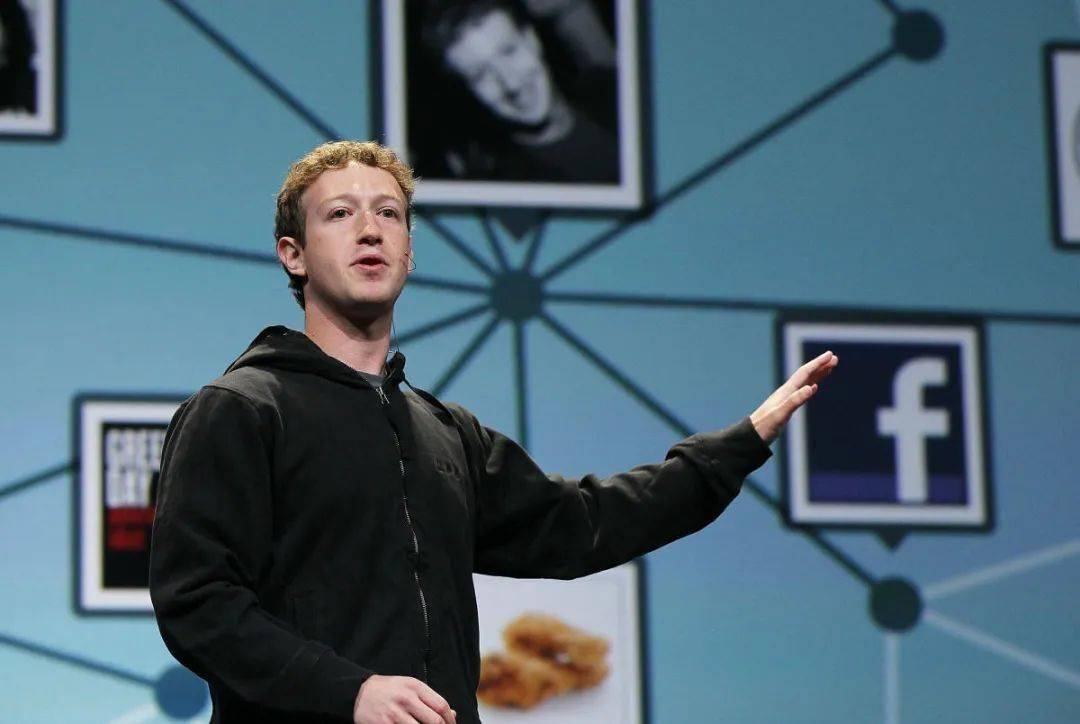
Instagram would have succeeded without Facebook's $1B takeover, co-founder testifies
New York Post· 2025-04-22 19:02
Core Viewpoint - Instagram's co-founder Kevin Systrom testified that the platform would have thrived independently of Facebook's acquisition, highlighting its pre-existing user growth and potential for feature development [1][2]. Group 1: Instagram's Growth and Independence - Systrom stated that Instagram was experiencing rapid user growth before Mark Zuckerberg's acquisition offer [2]. - He expressed confidence that Instagram could have developed features like video and private messaging without Facebook's assistance [2]. Group 2: Meta's Strategy and Response - Systrom indicated that Zuckerberg viewed Instagram's success as a "threat" to Facebook, leading to a lack of resources for Instagram's data privacy improvements post-Cambridge Analytica scandal [3][5]. - The testimony supports the FTC's claim that Meta employed a "buy or bury" strategy to neutralize emerging competitors like Instagram and WhatsApp [5]. Group 3: Resource Allocation and Management - In a 2017 email, Systrom expressed frustration over Instagram not receiving additional employees despite a companywide push to enhance video offerings [6]. - He noted a stark contrast between his efforts to make Instagram successful and the lack of resources allocated to the platform [6]. Group 4: Meta's Defense - Meta's legal representatives argued that the acquisition of Instagram was beneficial for its growth, claiming that Instagram had only 2% of its current user base, 13 employees, and no revenue at the time of acquisition [11]. - Meta's chief legal officer stated that many features central to Instagram were developed using Meta's infrastructure after the acquisition [11].

Mark Zuckerberg once suggested spinning out Instgram as a solution to its ‘cannibalization' of Facebook
TechCrunch· 2025-04-21 18:56
Core Insights - Meta CEO Mark Zuckerberg expressed concerns about Instagram potentially cannibalizing Facebook, which could lead to a "network collapse" of Facebook, a more engaging and profitable product [1][6][18] - Zuckerberg proposed strategies to mitigate this risk, including creating stronger integrations between Meta's apps and considering the possibility of spinning out Instagram as a separate business [2][10][18] Group 1: Concerns about Cannibalization - Zuckerberg highlighted that Instagram's growth negatively impacted Facebook's engagement, with internal data indicating a significant decline in Facebook usage as users joined Instagram [6][7] - He noted that promoting Instagram to grow as large as Facebook could have unforeseen negative effects on Facebook's overall engagement [7][8] - The internal email indicated that Instagram's growth was primarily driven by Facebook's distribution, raising concerns about replacing a more profitable product with a less engaging one [8][9] Group 2: Strategic Recommendations - Zuckerberg recommended reducing promotions for Instagram and enhancing integrations to encourage cross-engagement between Facebook and Instagram [9] - He suggested that branding should emphasize Facebook's association with Instagram and WhatsApp to maintain Facebook's prominence [15][16] - The email also mentioned the challenges of product development within Instagram and WhatsApp due to their independent leadership, which could hinder open discussions about concerns [15] Group 3: Potential Outcomes of FTC Case - The FTC's case against Meta aims to prove that the company maintains a social networking monopoly through acquisitions like Instagram and WhatsApp [3] - If the FTC succeeds, Meta may be forced to spin out Instagram and WhatsApp, a scenario that Zuckerberg had previously suggested as a potential strategy to preserve Facebook's growth [18] - Zuckerberg warned that there was a "non-trivial chance" of being compelled to separate these acquisitions, which could undermine the company's strategy of building a family of apps [18]

Facebook added 'value' to Instagram, Zuckerberg says in antitrust trial
TechXplore· 2025-04-15 20:05
Core Viewpoint - Mark Zuckerberg is defending Meta against antitrust accusations regarding its acquisitions of Instagram and WhatsApp, arguing that these purchases were aimed at enhancing user experience and growth rather than eliminating competition [3][4][10]. Group 1: Antitrust Trial Context - The trial is a significant event in the ongoing scrutiny of Big Tech, particularly under the Biden administration, which has continued the enforcement of antitrust laws initiated during the Trump administration [4][7]. - The Federal Trade Commission (FTC) is presenting evidence that suggests Facebook's acquisitions were motivated by a desire to neutralize competition, as indicated by emails from Zuckerberg and former CFO [4][9]. Group 2: Acquisitions and Growth - Zuckerberg testified that the integration of Instagram into Facebook was successful, leading to increased value and user growth, and expressed confidence in acquiring other social apps to accelerate their growth [5][10]. - The FTC argues that Meta's acquisition of WhatsApp followed a similar pattern of preemptively buying potential competitors, with Zuckerberg fearing that WhatsApp could evolve into a social network [10]. Group 3: Market Definition and Competition - The U.S. government claims that Facebook and Instagram dominate the social media market, while Meta contends that they face competition from platforms like TikTok and YouTube, which the government does not include in its market definition [12]. - The trial will hinge on how the FTC defines Meta's market and whether the acquisitions were lawful under U.S. law, with Meta's defense emphasizing that acquisitions aimed at improving and growing acquired firms are permissible [11][12].

扎克伯格曾在2018年考虑将Instagram拆分出去。
news flash· 2025-04-15 18:15
Core Viewpoint - Zuckerberg considered splitting Instagram from Facebook in 2018, indicating potential strategic shifts within the company [1] Group 1 - The consideration to separate Instagram suggests a reevaluation of the company's structure and focus on individual platforms [1]
万字解读OpenAI产品哲学:先发布再迭代、不要低估模型微调和评估
Founder Park· 2025-04-15 11:56
今天凌晨, OpenAI 发布了新模型 GPT-4.1 ,相对比 4o,GPT-4.1 在编程和指令遵循方面的能力显 著提升,同时还宣布 GPT-4.5 将会在几个月后下线。 不少人吐槽 OpenAI 让人迷惑的产品发布逻辑——GPT-4.1 晚于 4.5 发布,以及混乱的模型命名,这 些问题,都能在 OpenAI CPO Kevin Weil 最近的一期播客访谈中得到解答。 在访谈中,Kevin Weil 分享了 OpenAI 在产品方面的路线规划,以及所拥护的产品发布哲学「迭代 部署」,对于近期火热的 4o 图片生成功能,也做了内部的复盘。 Kevin Weil 表示,「我们尽量保持轻量级,因为它不可能完全正确。我们会在半路放弃一些不正确 的做法或研究计划,因为我们会不断学习新的东西。 我们有一个哲学叫做迭代部署,与其等你完全 了解模型的所有能力后再发布,不如先发布,即使不完美,然后公开迭代。 」 背景:Kevin Weil 是 OpenAI 的首席产品官,负责管理 ChatGPT、企业产品和 OpenAI API 的开发。在加入 OpenAI 之前,Kevin 曾担任 Twitter、Instagram ...
Andreessen Horowitz is trying to nab a piece of TikTok with Oracle, report says
TechCrunch· 2025-04-01 20:00
Group 1 - The venture capital firm is in talks to invest in TikTok as part of a bid led by Oracle and other American investors to buy out TikTok from ByteDance [1] - TikTok is facing a potential ban in the US on April 5th unless its Chinese-based owner sells its US branch to a non-Chinese owner [1] - The Oracle deal is considered one of the frontrunners in the bidding process for TikTok [1] Group 2 - Andreessen Horowitz has a history of investing in social media, being an early investor in Facebook and Instagram [2] - The firm invested $400 million to assist Elon Musk in acquiring Twitter [2] - Andreessen Horowitz did not respond to a request for comment regarding the TikTok investment [2]


深度|Anthropic首席产品官谈DeepSeek:低估或继续低估中国在前沿技术的能力绝对是错误,特别是获得算力,并且继续创新
Z Potentials· 2025-03-14 03:30
Core Insights - The discussion revolves around how value will be created and sustained in the AI-driven era, emphasizing the importance of unique market entry strategies, specialized knowledge, and access to unique data sources [3][4][5] - Companies in sectors like finance, law, and healthcare are highlighted as potential areas for creating lasting value due to their complexity and the foundational work required [3][4] - The balance between showcasing future capabilities and current model limitations is crucial for both startups and established vertical SaaS companies [5][6] Group 1: Value Creation in AI - Unique market entry strategies and specialized knowledge are essential for creating value in the AI landscape [3][4] - Companies that can leverage foundational models while maintaining a deep understanding of their specific industries will thrive [4][5] - Startups may benefit from over-promising during early adoption phases, while established companies face challenges in managing customer expectations [5][6] Group 2: Product Development Challenges - Startups must decide whether to build products based on current technology or anticipated future advancements, as model quality significantly impacts product outcomes [6][7] - The rapid evolution of AI models necessitates a careful approach to product design, balancing speed of release with quality and user experience [19][20] - Companies must develop robust evaluation frameworks to adapt to changing models and user needs, ensuring their products remain relevant [20][21] Group 3: Competitive Landscape - The AI market is becoming increasingly competitive, with numerous companies releasing products simultaneously, complicating product marketing strategies [24][25] - Companies must navigate the complexities of product releases and user expectations, balancing innovation with stability [22][23] - The importance of brand loyalty is emphasized, as users tend to identify with specific models, impacting their long-term engagement [27][28] Group 4: Data and Model Quality - The future of AI models may rely on a combination of human and synthetic data, with the best models emerging from this integration [15][16] - The quality of models is closely tied to the data used for training, highlighting the significance of having strong foundational data sources [30][31] - Companies must focus on the practical application of models in real-world scenarios to demonstrate their value [31][32] Group 5: Global AI Capabilities - There is a recognition that the capabilities of AI in China are often underestimated, with significant advancements being made in the field [32][33] - The emergence of parallel entrepreneurial ecosystems in regions with restricted access to Western platforms has led to innovative solutions [32][33] - Companies must be aware of the global competitive landscape and the potential for new entrants to disrupt established markets [37][38]
A/B test tool shows Facebook constantly experimenting on consumers—and even its creators don't fully know how it works
TechXplore· 2025-03-10 17:46
Core Insights - Social media platforms like Facebook, Instagram, and TikTok are conducting constant marketing experiments on users, often without their awareness, leading to complexities in understanding ad effectiveness [3][10][12] Group 1: A/B Testing and Its Flaws - The study examined published peer-reviewed research on A/B testing by Facebook and Google, revealing significant flaws in the methodology [2] - Researchers found that billions of social media users are subjected to tests to determine ad effectiveness, but the results are not straightforward due to algorithmic complexities [3][5] - The lack of "random assignment" in ad targeting complicates the ability to attribute click behavior to specific ad changes, as algorithms select participants based on various unobservable factors [5][6] Group 2: Algorithmic Targeting and Its Implications - Algorithms used in ad targeting are highly complex and can select users based on past behavior and interests, making it difficult to understand why certain ads are shown to specific individuals [7][8] - The study highlights that certain demographics, such as women, may be excluded from targeted ads for STEM education due to cost considerations in algorithmic targeting [9] - The algorithms reinforce existing biases by limiting exposure to certain groups, which can lead to broader societal divides [8][9] Group 3: Broader Industry Implications - The findings of the study are applicable to all major social media platforms, indicating a widespread issue in how online marketing experiments are conducted [10] - The average Facebook user participates in multiple experiments simultaneously, raising concerns about the ethical implications of such practices [11] - Marketers are cautioned against overinterpreting A/B test results, as they may not reflect broader consumer behavior and could alienate larger audiences if misapplied [12][13]