Archer Aviation Inc.

Search documents
3 Stocks Under $10 to Buy in 2026
Yahoo Finance· 2026-02-02 12:27
Core Viewpoint - The article discusses potential investment opportunities in low-priced stocks, specifically highlighting Archer Aviation, Snap, and Opendoor Technologies as candidates that could outperform the market in 2026 [1]. Group 1: Archer Aviation - Archer Aviation's stock has seen a significant decline, dropping more than 50% since its peak in October, with an 11% decrease in the last three trading days due to issues faced by its competitor, Joby Aviation [3][4]. - The eVTOL market is still in its early stages, and while Archer has not yet generated revenue, analysts project substantial growth, estimating revenues to rise from $0 to over $1.7 billion by 2029 [4][5]. - Archer's Midnight aircraft is designed for short flights, catering to high-end air taxi services, although it has limitations such as passenger capacity and range [6]. - The U.S. Air Force is exploring Archer's potential for military applications, and the company has secured a deal to be the official air taxi provider for the 2028 Olympic Games in Los Angeles, indicating future growth prospects [7].

The eVTOL Company No One Is Talking About (Hint: It's Not Joby Aviation or Archer)
Yahoo Finance· 2026-01-31 17:34
Core Insights - Joby Aviation and Archer Aviation are currently prominent in the eVTOL market, but Boeing's subsidiary Wisk poses a significant long-term threat due to its focus on autonomous eVTOL technology [1] Group 1: Company Strategies - Archer Aviation aims to be an original equipment manufacturer (OEM) selling its aircraft to third-party users, utilizing an asset-light business model that relies on partners' technology and components [2] - Joby Aviation is positioning itself as a vertical transportation services company, planning to use its own eVTOL aircraft in partnership with Delta Air Lines and Uber Technologies to provide air taxi services [3] - Wisk, like Joby, aims to be a transportation services company but is focused on developing an autonomous eVTOL with its Generation 6 aircraft, which could directly compete with Joby's air taxi services [4] Group 2: Certification and Market Dynamics - The certification process for autonomous eVTOLs is complex, leading Wisk to not expect commercial service until at least 2030, which gives Joby and Archer a first-mover advantage [5] - Boeing is proposing a new "Concept of Operations for Automated Flight Rules (AFR)" to facilitate the certification of automated flight, aiming to promote system automation across the industry [6]

This Stock Faces Big Risks, but Also Big Potential Upside
The Motley Fool· 2026-01-31 06:05
Core Viewpoint - The electric vertical takeoff and landing (eVTOL) market presents significant upside potential, particularly for Joby Aviation, but it also carries substantial risks that need to be addressed before investment decisions are made [1]. Company Overview - Joby Aviation aims to create a vertically integrated transportation services company, focusing on making, owning, and operating its aircraft, unlike Archer Aviation, which plans to sell eVTOL aircraft to third parties [2]. - Joby Aviation's current market capitalization is $9.6 billion, with a current stock price of $10.57, and it has experienced a gross margin of -11490.90% [3]. Certification and Technology - Joby is leading in the certification process, developing its own technology and components, while Archer relies on established companies for technology [4]. - Joby is in the final stage of FAA certification, where pilots test the aircraft, but there is no guarantee of receiving approval [5]. Financial Considerations - Joby needs to invest significantly in manufacturing capacity, vertiports, and operational fleet development before generating revenue from air taxis [7]. - Wall Street consensus suggests that Joby will need to raise cash in 2026, likely through equity, as it is projected to burn through $646 million in 2026, starting the year with only $710 million in net cash [8][9]. Competitive Landscape - Joby faces long-term threats from Boeing's subsidiary, Wisk, which is developing autonomous eVTOLs that could undercut Joby on pricing due to not requiring a pilot [10]. - Despite the risks, Joby has strong partnerships with Delta Air Lines, Uber, and Toyota, which enhance its manufacturing capabilities and market position [11]. Future Outlook - Joby is likely to have a first-mover advantage over Wisk, as autonomous eVTOLs face greater technical, regulatory, and cost challenges [12]. - The vertically integrated business model of Joby presents significant upside potential, despite the inherent risks [12].



Archer Aviation vs. EHang: Who Has the Edge in Future Air Mobility?
ZACKS· 2026-01-30 16:25
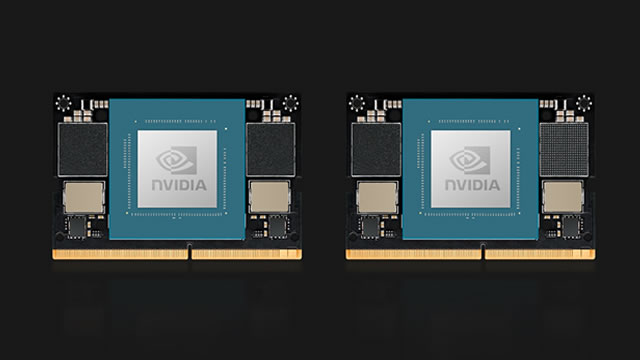
Core Insights - The electric vertical takeoff and landing (eVTOL) industry is experiencing growth due to rising demand for cleaner and more efficient urban transportation solutions [1][3] - Archer Aviation Inc. (ACHR) and EHang Holdings Limited (EH) are two key players in this market, each pursuing different technological and regulatory strategies [2][3] Archer Aviation (ACHR) Highlights - Archer Aviation is progressing towards Federal Aviation Administration (FAA) approval for its Midnight aircraft and plans to launch commercial air taxi services [2][17] - The company announced plans to develop next-generation Artificial Intelligence technologies for aviation using the NVIDIA IGX Thor platform, aiming to enhance aircraft safety and autonomy [5][17] - Archer has formed a strategic partnership with the Government of Serbia to support the adoption of electric air taxis in Europe, with an option to purchase up to 25 Midnight aircraft [6][17] - Financially, Archer's 2026 loss per share estimates imply year-over-year improvement, and its stock has outperformed EHang over the past year [11][13][20] - Archer's valuation is more attractive, with a trailing 12-month Price/Book (P/B TTM) ratio of 2.93 compared to EHang's 6.42 [15][20] EHang Holdings (EH) Highlights - EHang has received type certification for its autonomous eVTOL from China's aviation authority, providing a regulatory advantage [2][20] - The company signed a Memorandum of Understanding with Real Automóvil Club de España to explore joint initiatives in advanced air mobility [8][20] - EHang's EH216 series completed a successful pilotless flight across the Qiongzhou Strait, demonstrating its technical capabilities [9][20] - However, EHang's earnings estimates for 2026 have declined in recent months, indicating potential challenges [12][20] Market Positioning - Both Archer Aviation and EHang are significant players in the eVTOL market, but Archer is currently better positioned due to its regulatory progress, strategic partnerships, and favorable financial outlook [16][20]


This Stock Is Testing Investor Patience, but the Long-Term Case Is Compelling
Yahoo Finance· 2026-01-29 18:25
Core Viewpoint - The article discusses the investment potential of Archer Aviation, a company focused on electric vertical takeoff and landing (eVTOL) aircraft, highlighting the challenges and future prospects of the stock [1][2]. Company Overview - Archer Aviation went public in 2021, initially trading at around $10 per share, but has since decreased to approximately $8.20 per share [3]. - The company is currently not generating revenue and is operating at a net loss while investing in its fleet and operations [3]. Financial Position - Archer Aviation has about $2 billion in cash and liquidity after raising $650 million in the latest quarter [3]. Market Position and Future Prospects - Archer is considered a first mover in the eVTOL market, with expectations to start generating revenue potentially in the first quarter of 2026, projected at around $32 million for the full year 2026 [4]. - The company has passed flight tests for its Midnight aircraft and is positioned to benefit from the UAE's expected approval of air taxis for commercial operations in the third quarter of 2026 [5]. - Archer has signed a preferred partner deal with Serbia for the potential purchase of up to 25 Midnight air taxis [6]. Regulatory Environment - Archer has conducted test flights and received key Federal Aviation Administration approvals, but analysts predict that commercial operations in the U.S. may not be approved until 2028 [7].
Generali Opens Position in Archer Aviation Stock, Buys 1 Million Shares for $7 Million
Yahoo Finance· 2026-01-27 00:59
Company Overview - Archer Aviation is a leading developer in the urban air mobility sector, focusing on electric aircraft for short-distance passenger transport, leveraging innovative eVTOL technology to address urban congestion and provide sustainable transportation alternatives [1] - The company aims to establish a competitive edge in the emerging market for electric air taxis through strong engineering and regulatory advancements [1] Stock Performance - As of January 26, 2026, Archer Aviation shares were priced at $8.03, reflecting a decline of 19.5% over the past year, underperforming the S&P 500 by 33 percentage points [2] - The fund reported 30 total equity positions and $584.65 million in 13F reportable assets at quarter-end, with Archer representing 1.29% of reportable AUM as of December 31, 2025 [2] Recent Transactions - Generali Powszechne Towarzystwo Emerytalne initiated a new position in Archer Aviation during the fourth quarter, acquiring 1,000,000 shares with an estimated transaction value of approximately $7.52 million [3][4] - The quarter-end value of Generali's position in Archer also stood at $7.52 million, reflecting both the initial purchase and price movement over the quarter [3][4] Market Insights - Generali's purchase of Archer Aviation is notable as it is a mid-cap stock valued at approximately $5 billion and is currently pre-revenue, suggesting potential promising developments [5] - Archer Aviation is positioned in the eVTOL niche, an industry expected to grow by 55% annually through 2030, and has made significant regulatory advancements [6] Strategic Developments - Archer Aviation has been involved in several strategic initiatives, including acquiring an airport in Los Angeles, initiating flights in the UAE, partnering with major airlines in Japan, South Korea, and Indonesia, and submitting applications for air taxi trials in multiple U.S. cities [7]
“飞机”变“快艇”:REGENT海翔机的监管套利,重构富豪沿海出行
Sou Hu Cai Jing· 2026-01-22 12:24
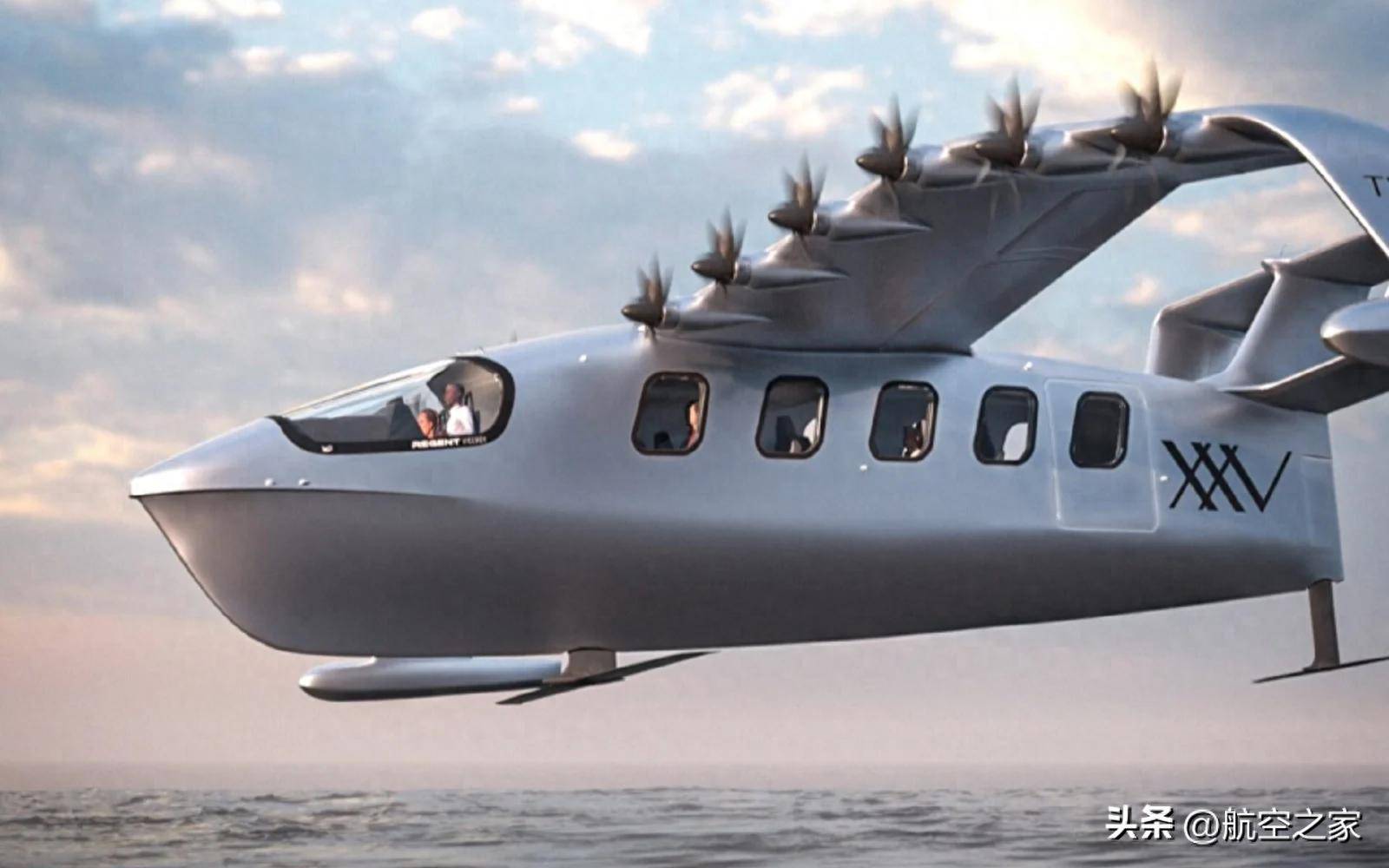
Core Insights - The order of 30 Viceroy sea-skimming aircraft by the private club XXV represents a significant regulatory arbitrage in the transportation sector, allowing for a new market to be established by circumventing traditional aviation regulations [2] - The Viceroy operates as a high-tech boat rather than an aircraft, utilizing ground effect principles to fly just above the water, thus avoiding stringent FAA certification processes and falling under USCG jurisdiction [2][3] Group 1: Technological and Regulatory Innovations - REGENT has attracted over $100 million in investments from major players like Lockheed Martin and Japan Airlines by addressing two critical challenges in electric aviation: energy consumption and certification hurdles [3] - The Viceroy's design leverages ground effect to significantly reduce energy consumption compared to conventional aircraft, allowing it to operate efficiently without waiting for breakthroughs in battery technology [3] - By defining the Viceroy as a Class A ground effect vessel, REGENT has expedited the certification process, reducing compliance costs and time significantly compared to traditional eVTOL aircraft [3] Group 2: Market Dynamics and Competitive Landscape - The purchase by XXV is fundamentally about securing "time rights" for affluent coastal travelers, addressing pain points such as traffic congestion and noise regulations that affect traditional transport methods [4] - The Viceroy's electric propulsion system is quieter than helicopters by 30 decibels, enabling access to affluent areas that restrict helicopter landings due to noise complaints [4] - Unlike competitors like Joby and Archer, which require significant investment in new infrastructure, the Viceroy can utilize existing dock facilities, making it a cost-effective solution for rapid deployment of high-speed coastal transport [5] Group 3: Future Implications and Industry Disruption - The Viceroy is positioned not as a competitor to traditional aircraft manufacturers like Boeing and Airbus, but rather as a disruptor to the high-speed ferry and luxury yacht markets [6] - The introduction of the Viceroy will likely lead to the decline of the traditional ferry industry, offering faster and quieter coastal transport that leverages existing infrastructure [6] - REGENT's approach provides valuable insights for the development of low-altitude economies in regions with complex airspace regulations, suggesting that coastal routes may offer more efficient alternatives for transportation [7]
Michael Burry, Cathie Wood Are Betting Big on These Undervalued Names
Investing· 2026-01-22 10:27
Group 1: Broadcom Inc - Broadcom Inc is focusing on expanding its semiconductor solutions, particularly in the areas of 5G and cloud computing, which are expected to drive significant revenue growth in the coming years [1] - The company reported a revenue increase of 15% year-over-year, reaching $26 billion, driven by strong demand in its wireless and enterprise software segments [1] Group 2: Molina Healthcare Inc - Molina Healthcare Inc has seen a 10% increase in membership, attributed to its strategic acquisitions and expansion into new markets [1] - The company’s revenue for the last quarter was reported at $8 billion, reflecting a 12% growth compared to the previous year, primarily due to increased enrollment in Medicaid programs [1] Group 3: Joby Aviation - Joby Aviation is advancing its electric vertical takeoff and landing (eVTOL) aircraft development, with plans to begin commercial operations by 2025 [1] - The company secured $1.2 billion in funding to support its production and operational scaling efforts, indicating strong investor confidence in the eVTOL market [1] Group 4: Archer Aviation Inc - Archer Aviation Inc is also in the eVTOL space, with a focus on urban air mobility solutions, and aims to launch its first aircraft by 2024 [1] - The company has partnered with major airlines to establish a network for air taxi services, which is expected to enhance its market presence and operational capabilities [1]


From air taxis to sustainable fuel, Jetex targets ultimate efficiency
Gulf Business· 2026-01-22 06:26
Core Insights - Jetex, under the leadership of Adel Mardini, has transformed the private aviation market, expanding from a single location to a network of 38 locations globally, with plans to reach 75 by the end of next year [1][9] - The company's focus has shifted from growth and aesthetics to operational efficiency, aiming to eliminate time loss in the private travel experience [2][21] Expansion and Market Positioning - Jetex is increasingly concentrating on the "last mile" of private travel, addressing inefficiencies that occur after landing, such as ground transfers that can take one to two hours [3][4] - The company is entering the eVTOL sector through partnerships with Archer and Joby Aviation, positioning itself as a key player in air taxi operations, which is expected to grow into a market worth over $200 billion in the next 10 to 15 years [5][6] Client Demographics and Expectations - The profile of Jetex's typical client has shifted post-COVID-19, with the average passenger now aged between 25 and 55, coming from sectors like technology, crypto, and entertainment, indicating a demand for speed, privacy, and seamless experiences [10][11] - Clients are increasingly time-sensitive and expect the same level of efficiency on the ground as they experience in the air [12] Sustainability and Infrastructure - Jetex has successfully introduced sustainable aviation fuel (SAF) at events like the Dubai Airshow, indicating strong demand for eco-friendly options among corporate clients [13][14] - The company has been appointed as the exclusive fixed-base operator at Red Sea International Airport, marking a significant growth opportunity in Saudi Arabia, with plans to replicate its Dubai model across new locations [15][16] Technological Integration and Operations - Jetex operates a centralized system from Dubai that coordinates global operations, ensuring rapid service delivery across its network [18] - The company emphasizes that technology enhances human efficiency rather than replacing it, aiming to provide a personal aviation team experience for clients as it expands [19][20]

Prediction: This Monster Growth Stock Will Soar to $10 Trillion by 2030
The Motley Fool· 2026-01-22 05:00
Core Viewpoint - Nvidia's stock has increased tenfold over the past three years, transitioning from a niche gaming company to a central player in the AI industry, with its GPUs now essential for generative AI development [1][2]. Group 1: Market Position and Growth - Nvidia's market capitalization has surged from $345 billion to nearly $4.5 trillion, driven by the generative AI boom [2]. - The company is evolving from a GPU designer to a comprehensive platform that includes chips, software, and networking gear, establishing partnerships with major firms like Anthropic, Intel, and Palantir [2][4]. - Nvidia's GPUs are being widely adopted by hyperscalers, enhancing the company's market lock-in as these companies develop next-generation AI models [5]. Group 2: Strategic Partnerships and Innovations - Nvidia's $20 billion licensing deal with Groq aims to enhance its inference capabilities, allowing for more efficient operations within its existing infrastructure [6]. - Collaborations with Intel focus on custom CPU designs that integrate Nvidia's technology, enabling the sale of full-stack server solutions without requiring architecture changes [7]. - Partnerships with companies like Palantir and Nokia are expanding Nvidia's role in enterprise workflows and physical AI applications, positioning the company for sustained revenue growth [8][9]. Group 3: Future Valuation and Earnings Potential - Analysts project Nvidia's earnings per share (EPS) growth to slow down between 2026 and 2027, but the long-term outlook remains optimistic, with potential EPS of around $17 by 2030 [10][12]. - Applying a forward price-to-earnings (P/E) multiple of 24 to the projected EPS suggests a share price of approximately $400, indicating a 117% upside from the current price [12]. - Nvidia is positioned to reach a market cap of nearly $10 trillion by 2030, driven by its transition to a diversified platform player and ongoing market opportunities [13][14].