
Ford

Search documents
Should You Buy QuantumScape Stock When its Trading at Around $7?
ZACKS· 2026-02-27 17:00
Core Insights - QuantumScape Corp. (QS) is a prominent player in the solid-state battery sector, presenting significant long-term potential but also considerable uncertainty [1] - The stock is currently trading around $7, with investor focus shifting from revenue to execution and measurable manufacturing progress [2][10] Manufacturing and Production - The immediate focus is on ramping up the Eagle Line, which is designed to produce QSE-5 cells for customer sampling and serves as a production model for future licensing partners [3] - Manufacturing improvements, particularly the Cobra separator process, are crucial as they address scalability and cost challenges [8] Business Strategy - QuantumScape's capital-light licensing strategy aims to generate revenue through joint development payments, milestone funding, and royalties, reducing capital intensity while maintaining upside potential [4][5] - The partnership with Volkswagen's battery subsidiary, PowerCo, is a significant catalyst, involving up to $131 million in milestone payments related to the QSE-5 pilot line [7] Financial Outlook - The company anticipates an adjusted EBITDA loss of $250-$275 million in 2026, consistent with 2025 levels, as capital expenditures rise [10][12] - Capital expenditures are projected to be between $40-$60 million in 2026, primarily for next-generation development [13] Market Position and Competitors - Compared to peers like Solid Power and SES AI, QuantumScape's strategy is differentiated by its focus on licensing rather than building large-scale production facilities [5][6] - Progress in customer sampling across multiple OEMs is essential for building confidence in the technology's scalability [11] Valuation and Investor Sentiment - QuantumScape shares have shown volatility, reflecting changing sentiment around milestones, with the stock trading at a high forward sales multiple driven by future commercialization expectations [15] - The Zacks Consensus Estimate suggests that losses will narrow year over year, with estimates for 2026 and 2027 indicating a gradual improvement [16][17]



EVSX Enters Into A Joint Venture With Voltrinov To Expand EV And Micromobility Battery Processing Capacity
Thenewswire· 2026-02-26 12:00
Core Insights - St-Georges Eco-Mining Corp. has announced a joint venture between its subsidiary EVSX Corp. and Voltrinov to evaluate and process end-of-life electric vehicle and micromobility batteries for repurposing and recycling [1][2] Company Overview - EVSX operates a state-of-the-art battery processing line with a capacity of 10,000 metric tons per year, focusing on the recovery of critical battery metals and materials without generating landfill waste [8] - Voltrinov, founded in 2021, specializes in sustainable electric mobility solutions and operates a facility for the repair, refurbishment, and recycling of lithium-ion batteries [10][11] Joint Venture Details - The joint venture will leverage Voltrinov's technical expertise to assess and dismantle end-of-life batteries at its facility in Québec, while EVSX will process these batteries in Ontario to produce black mass for component recovery [2][3] - The black mass will be refined at Voltrinov's facility to produce battery-grade minerals, supporting a circular economy model in battery manufacturing [3] Economic Impact - The joint venture is expected to create new full-time positions in Québec and enhance the region's battery processing capacity, addressing recent capacity constraints in the area [4][7] - The collaboration aims to manage increasing volumes of end-of-life batteries locally, thereby supporting Québec's circular economy objectives [6][7] Market Context - The battery recycling market in Québec and Eastern Canada has seen a reduction in processing capacity, creating an opportunity for specialized operators like EVSX and Voltrinov to fill this gap [5][7]


Lamborghini scraps first EV launch, calls development 'expensive hobby'
Fox Business· 2026-02-24 19:49
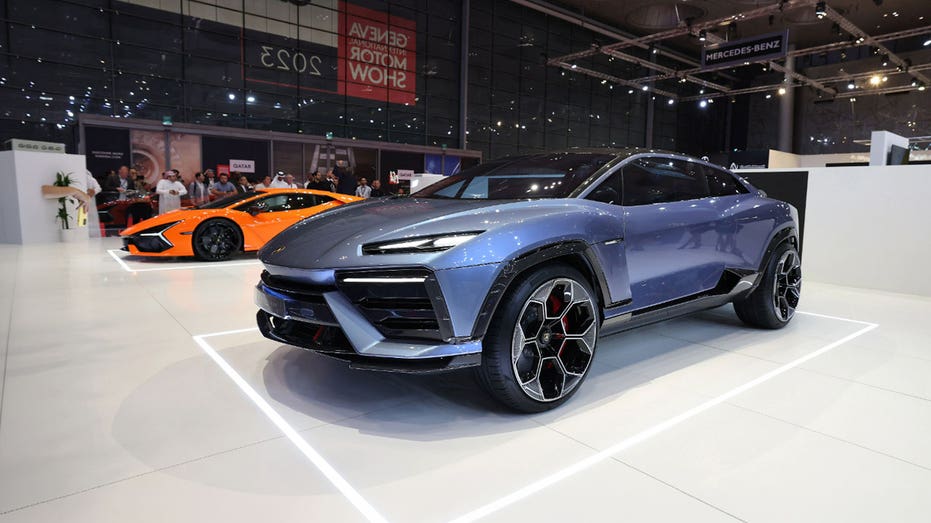
Core Viewpoint - Lamborghini has decided to cancel its plans to release an electric vehicle (EV) by 2028 due to a lack of consumer demand in its target market [1][2]. Group 1: Consumer Demand and Market Analysis - Lamborghini's CEO, Stephan Winkelmann, indicated that the "acceptance curve" for EVs in the luxury market is "close to zero" and is flattening, reflecting minimal interest from its clientele [2]. - The company conducted an analysis that revealed little demand for the previously announced EV, named the Lanzador [1]. Group 2: Future Vehicle Plans - Instead of pursuing the EV, Lamborghini plans to introduce a plug-in hybrid electric vehicle (PHEV) to its lineup [4]. - Winkelmann stated that while the company will continue to develop electrification, it will focus on PHEVs for the foreseeable future, emphasizing the need to be prepared for future market conditions [5]. Group 3: Emotional Connection and Brand Identity - Winkelmann noted that Lamborghini customers value an "emotional experience" with their cars, which current EVs struggle to provide [4]. - The company intends to continue producing traditional internal combustion engine vehicles for as long as possible, indicating a commitment to its brand identity [2]. Group 4: Industry Context - Lamborghini's decision aligns with broader trends in the automotive industry, where other major automakers, such as Stellantis and General Motors, have also taken significant financial hits due to weaker-than-expected consumer demand for EVs [5][6]. - Stellantis reported a $26.5 billion charge for reducing its EV production, while General Motors took a $7 billion hit after adjusting its EV strategy [6][8].
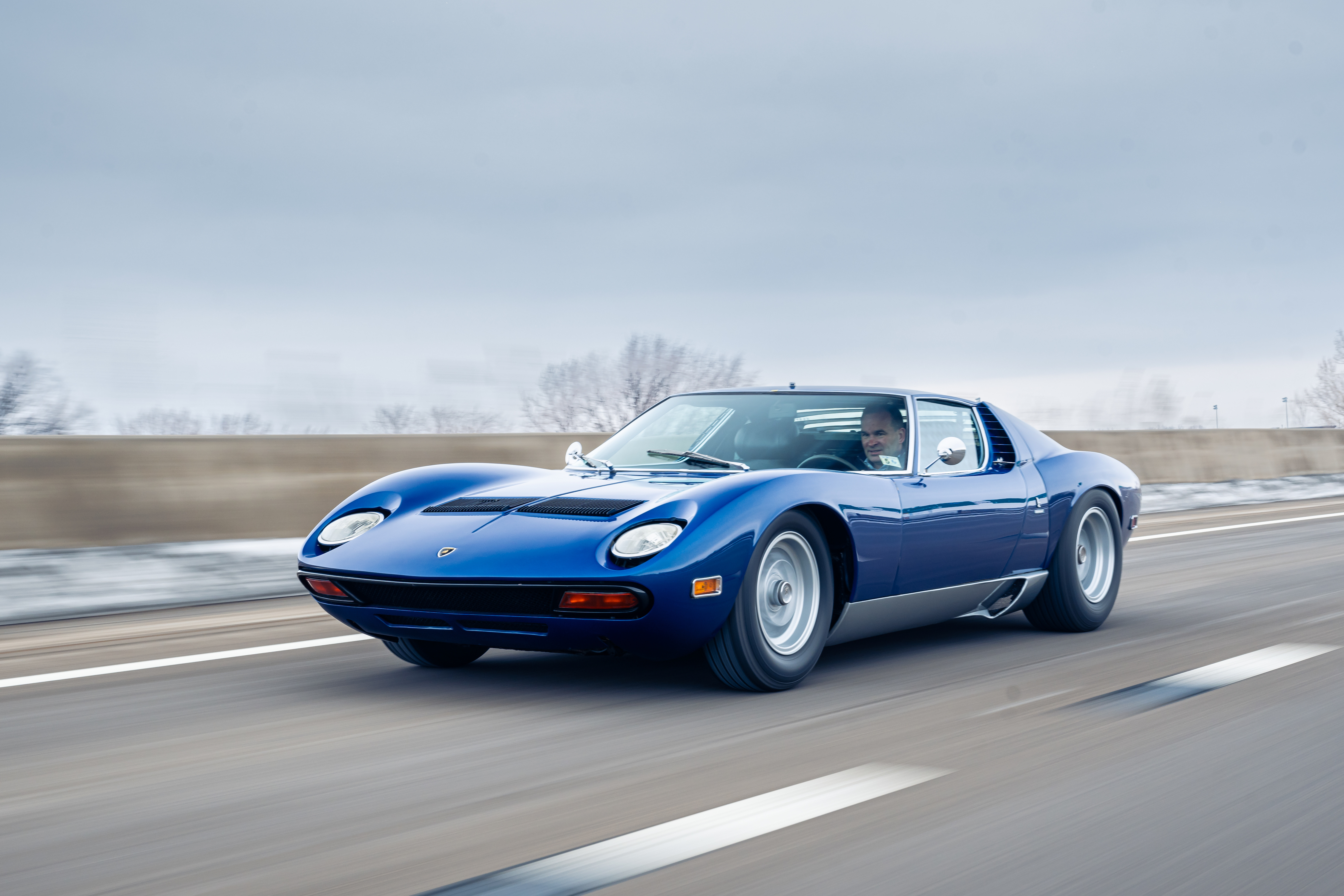
Broad Arrow Presents Lamborghini Miura SV That Spent 52 Years in Single Ownership at its 2026 Amelia Concours Auction
Globenewswire· 2026-02-23 20:55
Core Insights - Broad Arrow Auctions will feature a highly original 1972 Lamborghini Miura P400 SV at its 2026 Amelia Concours Auction, scheduled for March 6-7 at the Ritz-Carlton, Amelia Island, Florida [1][2] - The auction will present over 175 exceptional cars, including modern supercars and hypercars, alongside the Miura [1][9] Auction Details - The auction is the official event of the renowned Amelia Concours, offering a two-day sale with various exciting events [1][12] - The Miura P400 SV is estimated to sell for between $3,500,000 and $4,000,000, highlighting its status as a collectible supercar [2][3] Vehicle Specifications - The Miura P400 SV features a transversely mounted V12 engine with a displacement of four liters, producing 385 horsepower, which is an increase of 15 horsepower from its predecessor [2][3] - Only 150 examples of the SV were produced, with just 21 delivered to the U.S., making this model particularly rare [3][6] Historical Significance - Chassis number 4976, the specific Miura being auctioned, has a rich history, having been in a single owner's care for 52 years and showing only 18,212 miles on the odometer [5][6] - The car retains its original matching-numbers engine and has undergone minimal modifications, maintaining its authenticity [5][6] Additional Auction Highlights - Other notable cars at the auction include a 2008 Bugatti Veyron EB 16.4 Coupe, a 1988 Porsche 959 SC Reimagined by Canepa, a 2021 McLaren Elva, and a 2019 Ford GT Carbon Series [1][17] - The auction aims to attract high-performance and limited-production car enthusiasts, showcasing a diverse range of collectible vehicles [9][17]

No, Tesla Isn't Moving Away From the EV Market; in Fact, it's Accelerating Hard Toward it
The Motley Fool· 2026-02-22 14:05
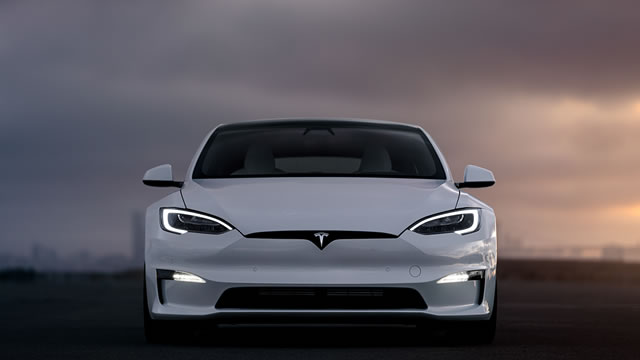
Core Viewpoint - Tesla is not retreating from the electric vehicle (EV) market but is instead leading it, maintaining its long-held aspirations despite challenges faced by other automakers [1][5]. Investment and Strategy - Tesla has committed to a significant $20 billion capital spending program, which includes investments in a lithium refinery in Texas, a lithium iron phosphate (LFP) battery factory in Nevada, and the Gigafactory in Texas for Cybercab production [4]. - These investments are aimed at supporting Tesla's vision for the future of the EV market, which aligns with the ambitions that many legacy automakers once promised [5]. Industry Context - Legacy automakers have struggled with their robotaxi developments, with companies like Ford and General Motors backing off from their initial plans, indicating a shift in their strategies due to weak sales performance [6][9]. - The failures of legacy automakers in the EV market are highlighted by significant financial writedowns, such as $19.5 billion at Ford and $27 billion at Stellantis, while Tesla holds a 46% share of the U.S. EV market compared to GM's 13% [9]. Tesla's Focus - Tesla's strategy differs from that of legacy automakers, as it aims to build out its robotaxi business, including the Cybercab, while also introducing lower-cost variants of its Model Y and Model 3 [12]. - The company's consistent focus on the EV market and its robotaxi ambitions reflects a belief in the potential of the sector, contrasting with the reset strategies of its competitors [13].

indie Semiconductor(INDI) - 2025 Q4 - Earnings Call Transcript
2026-02-19 23:02
Financial Data and Key Metrics Changes - The company reported Q4 revenue of $58 million, exceeding the midpoint of the outlook by $1 million, representing an 8% sequential growth and flat compared to the prior year period [5][15] - Full year revenue reached $217.4 million, with non-GAAP operating loss of $10.1 million, improving from $11.3 million in the previous quarter and $14.2 million a year ago [15] - The company exited the quarter with total cash and cash equivalents of $155.7 million, a decrease of $15.5 million from the third quarter [16] Business Line Data and Key Metrics Changes - The radar business is gaining traction with a Tier 1 partner, with initial shipments starting in December and expected demand exceeding 50 million units annually [9][10] - The vision portfolio is seeing momentum with design wins for image signal processor SoCs, including the IND880, and new opportunities arising from DRAM-less architecture [10][11] - The company secured a design win with a leading electric vehicle manufacturer in China for a camera mirror system, expected to ramp in mid-2026 [11] Market Data and Key Metrics Changes - The automotive industry is transitioning towards standardization of ADAS features, creating significant opportunities for the company [5][6] - The humanoid robotics market is moving from research to real-life applications, with the company actively pursuing opportunities in this space [6][7] - The company is also gaining traction in the quantum communications and sensing markets, with significant bookings for LXM lasers [12] Company Strategy and Development Direction - The company aims to leverage technology investments to capitalize on the mass-market ADAS segments and expand into humanoid robotics [6][8] - The strategy includes expanding production capabilities and securing additional back-end and test capacity to meet growing demand [9] - The company is focused on managing operating expenses while preparing for strong growth through design wins in 2026 [19] Management's Comments on Operating Environment and Future Outlook - Management expressed optimism about the automotive market's transformation and the company's positioning to meet emerging needs [5][20] - The company anticipates a decline in first-quarter revenue from Wuxi due to reduced EV subsidies and expects core business revenue to grow by 20% sequentially [18] - Management acknowledged ongoing supply chain constraints but is confident in their ability to manage through 2026 [36][37] Other Important Information - The company is in the process of selling its equity interest in Wuxi Indie Micro for approximately $135 million, with the transaction expected to close by late 2026 [17] - The Qi 2.0 wireless charging platform production with Ford is on track for the first half of 2026, with additional OEM adoption expected [12][13] Q&A Session Summary Question: What was the Wuxi revenue for Q4? - The revenue was around $29.7 million [23] Question: What are the reasons for the sequential decline in revenue? - The decline is primarily due to the upcoming Chinese New Year shutdown and reduced EV subsidies [24] Question: What is expected for the ramp in Q2? - A recovery is expected in Q2, despite the ongoing sale of the business [25] Question: Can you provide updates on radar program ramp expectations? - Significant progress has been made, with strong traction among OEMs and discussions on next-generation products [26] Question: What impact do supply chain constraints have in Q1? - There was a trailing impact into Q1, with some demand still uncertain based on supply [27] Question: Any updates on design wins and traction for core business? - The company is performing well across all regions, with exposure to OEMs in Europe, Asia, and India [33] Question: What is the size of the opportunity in robotics and quantum space? - The robotics market is showing significant activity, while quantum applications are expected to triple in revenue through 2026 [35] Question: What is the timeline for resolving supply chain constraints? - The tightness is driven by AI demand, with improvements expected in 2027 [36][37] Question: What are the expected radar revenues for 2026? - Radar revenue is expected to remain in the $30 million-$50 million range, with strong momentum from newer OEMs [40] Question: What percentage of core business remains in China? - Approximately 20% of the core business remains in China [42]

indie Semiconductor(INDI) - 2025 Q4 - Earnings Call Transcript
2026-02-19 23:02
Financial Data and Key Metrics Changes - The company reported Q4 revenue of $58 million, exceeding the midpoint of the outlook by $1 million, representing an 8% sequential growth and flat compared to the prior year period [5][15] - Full year revenue reached $217.4 million, with non-GAAP operating loss of $10.1 million, an improvement from $11.3 million in the previous quarter and $14.2 million a year ago [15] - The company exited the quarter with total cash and cash equivalents of $155.7 million, a decrease of $15.5 million from the third quarter [16] Business Line Data and Key Metrics Changes - The radar business is gaining traction with a Tier 1 partner, with initial shipments starting in December and expected demand exceeding 50 million units annually [9][10] - The vision portfolio is seeing momentum with design wins for image signal processor SoCs, including the IND880, and new design wins in e-mirror and camera mirror systems [10][11] - The company secured a design win with a leading electric vehicle manufacturer in China for a camera mirror system, expected to ramp in mid-2026 [11] Market Data and Key Metrics Changes - The automotive industry is transitioning towards standardization of ADAS features, creating opportunities for the company to leverage its technology investments [5][6] - The humanoid robotics market is transitioning from research to real-life applications, presenting new opportunities for the company [6][7] - The company is also gaining traction in the quantum communications and sensing market, with significant bookings for LXM lasers [12] Company Strategy and Development Direction - The company aims to capitalize on the structural transformation in the automotive market by focusing on software-defined intelligence and scalable sensor technology [5][6] - Plans to expand activities in humanoid robotics and enhance radar and vision technologies to maintain competitive advantages [8][10] - The company is actively managing supply chain constraints and expanding production capabilities to meet growing demand [9][13] Management's Comments on Operating Environment and Future Outlook - Management expressed optimism about the future, expecting revenue from core business to grow by 20% sequentially in Q1 2026, despite a decline in revenue from Wuxi due to reduced EV subsidies [18][19] - The company anticipates a steady ramp in radar revenue through 2026 and beyond, with increasing visibility on design wins and OEM traction [20][41] - Management acknowledged ongoing supply chain constraints but is confident in their ability to manage through 2026 [37][38] Other Important Information - The company is in the process of selling its equity interest in Wuxi Indie Micro for approximately $135 million, with the transaction expected to close by late 2026 [17] - Non-GAAP operating expenses for Q1 2026 are expected to be $37 million, relatively flat compared to Q4 2025 [18] Q&A Session Summary Question: What was the Wuxi revenue for Q4? - The revenue was around $29.7 million [23] Question: What are the reasons for the sequential decline in revenue? - The decline is primarily due to the upcoming Chinese New Year shutdown and reduced EV subsidies [24] Question: What is expected for the ramp in Q2? - A recovery is expected in Q2, although the business is in the process of being sold [25] Question: Can you provide an update on radar program ramp? - The company has made significant progress and expects strong traction with OEMs [26] Question: What impact do supply chain constraints have in Q1? - There was a trailing impact into Q1, with some demand still questionable due to supply issues [27] Question: Any updates on design wins and traction for core business? - The company is performing well across all regions, with exposure to OEMs in Europe, Asia, and India [33] Question: What is the size of the opportunity in robotics and quantum space? - The robotics market is expected to grow significantly, while quantum traction is also increasing, with a projected tripling of optical product shipments [35][36] Question: What is the timeline for resolving supply chain constraints? - The tightness is driven by AI demand, and while improvements are being made, full resolution may not occur until 2027 [37][38] Question: What are the expected radar revenues for 2026? - Radar revenue is expected to remain in the $30 million-$50 million range, with strong momentum from newer OEMs [41]
indie Semiconductor(INDI) - 2025 Q4 - Earnings Call Transcript
2026-02-19 23:00
Financial Data and Key Metrics Changes - The company reported Q4 revenue of $58 million, exceeding the midpoint of the outlook by $1 million, representing an 8% sequential growth and flat compared to the prior year period [4][12] - Full year revenue reached $217.4 million, with non-GAAP operating loss of $10.1 million, an improvement from $11.3 million in the previous quarter and $14.2 million a year ago [12][13] - The company exited the quarter with total cash and cash equivalents of $155.7 million, a decrease of $15.5 million from the third quarter [13] Business Line Data and Key Metrics Changes - The radar business is gaining traction with a Tier 1 partner, who launched their Gen 8 77 GHz radar solution, leading to initial shipments and expected demand exceeding 50 million units annually [6][7] - The vision portfolio is seeing momentum with design wins for image signal processor SoCs, including the IND880, and new design wins in e-mirror and camera mirror systems [8][9] - The company secured a design win with a leading electric vehicle manufacturer in China for a camera mirror system, expected to ramp in mid-2026 [9] Market Data and Key Metrics Changes - The automotive industry is transitioning towards standardization of ADAS features, creating a significant opportunity for the company to leverage its technology investments [4][5] - The humanoid robotics market is transitioning from research to real-life applications, presenting new opportunities for the company [5] - The company is also gaining traction in the quantum communications and sensing markets, with significant bookings for LXM lasers [10] Company Strategy and Development Direction - The company aims to capitalize on the structural transformation in the automotive market by focusing on ADAS and automated driving technologies [4][5] - Plans to expand activities in humanoid robotics and enhance production capabilities to meet growing demand [6][7] - The company is defining next-generation radar platforms to deliver competitive advantages in performance and cost [7] Management's Comments on Operating Environment and Future Outlook - Management expressed optimism about the automotive market's transition and the company's positioning to drive growth through 2026 and beyond [17] - The company anticipates a decline in first-quarter revenue from Wuxi due to reduced EV subsidies and expects core business revenue to grow by 20% sequentially [15][16] - Management acknowledged ongoing supply chain constraints but is focused on expanding the supply base to mitigate risks [11][34] Other Important Information - The company is in the process of selling its equity interest in Wuxi Indie Micro for approximately $135 million, with the transaction subject to regulatory approval [14] - The Qi 2.0 wireless charging platform production with Ford is on track for the first half of 2026, with further adoption expected [10][11] Q&A Session Summary Question: What was the Wuxi revenue for Q4? - The revenue was around $29.7 million [19] Question: What are the reasons for the sequential decline in revenue? - The decline is primarily due to the upcoming Chinese New Year shutdown and reduced EV subsidies [21] Question: What is expected for the ramp in Q2? - A recovery is expected in Q2, although the company is in the process of selling that business [22] Question: Can you provide updates on radar program ramp expectations? - The company has made significant progress and expects strong traction with OEMs [23] Question: What impact do supply chain constraints have in Q1? - There was a trailing impact into Q1, with some demand still uncertain due to supply issues [24] Question: Any updates on design wins and traction for core business? - The company is performing well across all regions, with exposure to OEMs in Europe, Asia, and India [30] Question: What is the size of the opportunity within robotics and quantum space? - The robotics market is showing significant activity, and quantum applications are expected to see increased momentum [32][33] Question: What is the timeline for resolving supply chain constraints? - The tightness is driven by AI demand, and the company is expanding its supply base to mitigate risks [34][35] Question: What are the expected radar revenues for 2026? - Radar revenue is expected to remain in the $30 million-$50 million range, with strong momentum anticipated [39] Question: What percentage of core business remains in China? - The percentage is now in the 25%-30% range, but it is slightly lower than before [41]
This 1 Underrated Factor Could Drive the Big Winner in the Robotaxi Race
Yahoo Finance· 2026-02-17 10:20
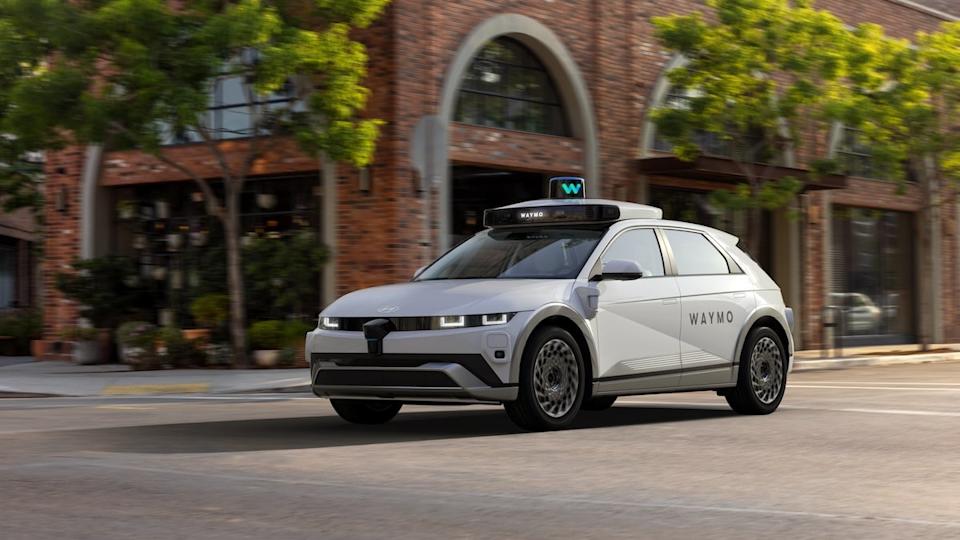
Core Insights - Waymo, a subsidiary of Alphabet, is gaining a significant lead in the U.S. robotaxi market due to its use of LiDAR technology, which differs from Tesla's camera-based approach [1] Group 1: Technology Comparison - Waymo employs LiDAR technology, which utilizes laser beams and digital sensors to create a 3D model of the environment, enhancing the vehicle's ability to detect obstacles and navigate safely [2] - LiDAR is more expensive than a camera-only system, with Bloomberg Intelligence estimating Waymo's per-vehicle costs to be two to three times higher than Tesla's [2] - Industry experts, including a 2023 study from Oliver Wyman, support LiDAR as the superior technology for safety in autonomous vehicles, with Ford's CEO also endorsing its critical role [3] Group 2: Waymo Driver Enhancements - Waymo has launched the sixth generation of its autonomous driving technology, Waymo Driver, featuring a 17-megapixel imager that offers superior dynamic range, low-light sensitivity, and resolution compared to existing automotive cameras [3] - The latest Waymo Driver includes upgraded LiDAR technology that benefits from significant cost reductions achieved in the auto industry over the past five years, improving performance in adverse weather conditions [4] Group 3: Competitive Advantage - Success in the robotaxi sector may depend on the underlying technology used for autonomy, with Waymo's LiDAR system potentially providing a safer and more accurate solution, thus offering a sustainable competitive advantage [5]

Detroit’s EV Writedown Woes Pile Up Over $50 Billion
Yahoo Finance· 2026-02-16 05:01
Group 1: Industry Overview - The combined write-downs of Detroit's big three automakers amount to $50 billion as they reduce their electric vehicle (EV) businesses, comparable to the US government bailout during the Great Recession [1] - US electric vehicle sales experienced a significant decline of 36%, totaling 234,171 units in the fourth quarter of 2025 [2] - Stellantis faced a $26 billion write-down in the second half of 2025 due to overestimating EV adoption, leading to a downgrade in its credit rating to just above "junk" status [2][3] Group 2: Company-Specific Developments - Stellantis CEO acknowledged a disconnect between the company's offerings and car buyers' actual needs, resulting in a strategic retreat from EVs in Europe, including the reintroduction of diesel versions for at least seven models [3] - General Motors reported $7.6 billion in write-downs, while Ford announced $19.5 billion in write-downs for 2025 and 2026, indicating a broader trend of financial adjustments across the industry [3] - Stellantis' shares have declined by 29.8% this year, contrasting with GM's flat performance and Ford's 7.6% gain, highlighting the financial impact of its EV strategy missteps [3]