Equinor ASA

Search documents
Shell Boosts Natural Gas Output at Norway's Ormen Lange Field
ZACKS· 2025-06-30 13:05
Key Takeaways Shell and partners launch subsea compression at Ormen Lange, raising gas recovery from 75% to 85%. The upgrade could add 30-50 BCM of gas, enhancing exports to the UK and EU amid high demand. SHEL leads this innovation to extend field life, ensure safety and support Europe's energy independence. Shell plc (SHEL) , a London-based integrated oil and gas company, and its consortium partners, including Equinor ASA (EQNR) , have made a breakthrough in natural gas production at the Ormen Lange fie ...



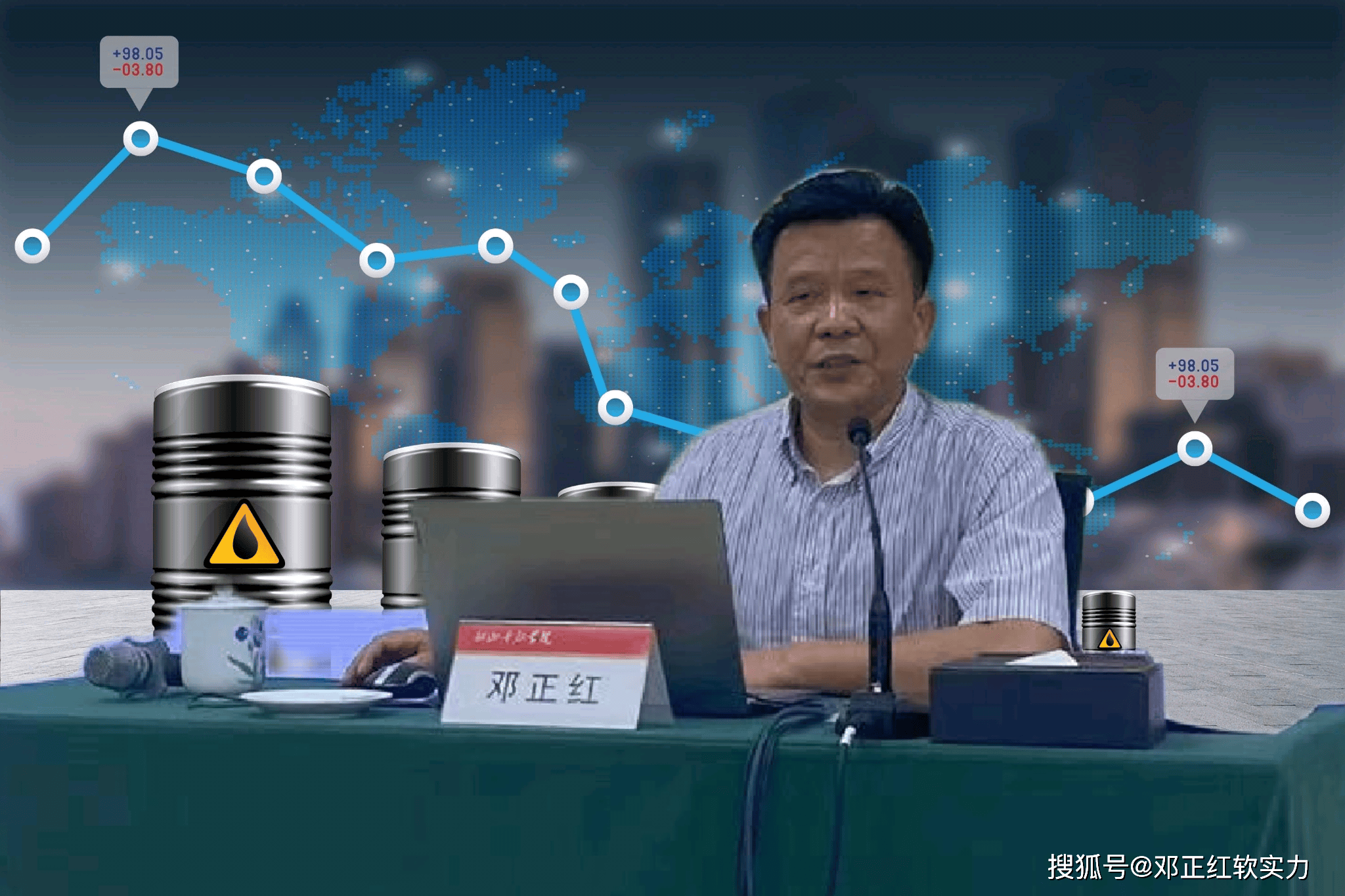
邓正红能源软实力:原油现货市场地缘风险溢价从每桶15美元峰值降至不足1美元
Sou Hu Cai Jing· 2025-06-28 02:41
Group 1: Oil Market Dynamics - The oil market is currently influenced by geopolitical factors, particularly the upcoming US-Iran nuclear negotiations and OPEC's potential production increases [1][3] - As of June 27, international oil prices showed slight increases, with West Texas Intermediate crude oil settling at $65.52 per barrel, up $0.28, while Brent crude oil settled at $67.77 per barrel, up $0.04 [1] - OPEC is expected to announce an increase in production by 410,000 barrels per day for August, reflecting Saudi Arabia's efforts to regain market share [1][3] Group 2: OPEC's Strategy - OPEC has shifted its strategy from "production cuts to maintain prices" to "increased production to secure market share," with Saudi Arabia leading this approach [3] - The organization has implemented significant production increases over the past few months to punish member countries that have exceeded production quotas [1][3] - OPEC's gradual release of production signals aims to manage market expectations and prevent excessive price fluctuations [3] Group 3: Supply and Demand Factors - Seasonal demand, particularly during the summer travel peak, combined with low US crude oil inventories, is providing fundamental support for oil prices [4] - The expectation of a Federal Reserve interest rate cut and easing trade tensions further boosts demand-side dynamics [4] - Equinor's $2 billion Fram Sør oil and gas development project highlights the ongoing economic viability of traditional oil and gas projects amid the energy transition [2][4] Group 4: Geopolitical Risk and Price Volatility - The geopolitical risk premium in the spot market has significantly decreased from a peak of $15 per barrel to less than $1 due to the Iran-Israel ceasefire agreement [3] - The US's shift in policy to support Iranian oil exports has accelerated the restructuring of geopolitical rules in the oil market [3] - The upcoming US-Iran negotiations will determine the pace of Iran's 5.7 million barrels per day production capacity release, impacting supply expectations [3]
Transocean to Drill New Wildcat Well for Equinor in the Norwegian Sea
ZACKS· 2025-06-27 13:36
Core Insights - Transocean, Inc. has secured a drilling assignment in the Norwegian Sea from Equinor ASA, with drilling activities expected to commence in July 2025 [1][2][7] Group 1: Drilling Assignment Details - Equinor has received a drilling permit from the Norwegian Offshore Directorate for wellbore 6506/12-PB-3 H, where the Transocean Encourage rig will be utilized [2][3] - In 2023, Transocean secured a nine-well contract for the Encourage rig in the Norwegian Continental Shelf, which includes an option for six additional wells [2] Group 2: Rig Specifications - The Transocean Encourage semi-submersible rig features a GVA 4000 NCS design, suitable for harsh environments, and includes automated drilling control [3][7] Group 3: Stakeholder Information - The wellbore 6506/12-PB-3 H is located within production license 094, operated by Equinor, which holds a 40.95% stake, alongside partners Vår Energi, Petoro, and TotalEnergies EP Norge [3][7]

Equinor to Invest NOK 21B in Fram Sor Oil and Gas Project
ZACKS· 2025-06-27 13:06
Core Insights - Equinor ASA (EQNR) and partners are investing over NOK 21 billion (~$2 billion) in the Fram Sør subsea oil and gas project, enhancing Europe's energy security through increased production from the Norwegian Continental Shelf (NCS) [1][10][11] Investment and Production Details - The Fram Sør project is expected to recover approximately 116 million barrels of oil equivalent, with 75% being oil, and production is slated to begin by the end of 2029 [2][10] - The project consolidates several discoveries in the Troll-Fram area, including Echino South and Blasto, ensuring robust profitability and efficient use of existing infrastructure [3] Environmental Impact - Fram Sør boasts an ultra-low carbon footprint, with CO2 intensity estimated at just 0.5 kg per barrel of oil equivalent, significantly lower than the NCS average of 8 kg and the global industry average of 16 kg [4][5] - The project will utilize fully electric subsea Christmas trees, enhancing environmental safety and monitoring [5] Economic Benefits - The project is expected to create approximately 4,500 full-time equivalent jobs during the development phase and generate NOK 18 billion in contracts, primarily awarded to Norwegian suppliers [6][10] Strategic Importance - The project is part of Equinor's broader strategy to mature new resources in the Fram and Troll area, reflecting strong collaboration with partners and authorities [7][11] - Fram Sør is a joint effort by Equinor Energy AS (45%), Vår Energi ASA (40%), and INPEX Idemitsu Norge AS (15%), with all contracts subject to regulatory approval [8]

巴克莱:霍尔木兹海峡成为焦点 - 测试油价 100 美元情景
2025-06-25 13:03
Summary of Key Points from the Research Report on European Integrated Energy Industry Overview - The report focuses on the **European Integrated Energy** sector, particularly in the context of geopolitical tensions in the Middle East, specifically regarding the **Strait of Hormuz** and its implications for oil prices and energy stocks [1][4]. Core Insights and Arguments - The Iranian parliament has voted to potentially close the **Strait of Hormuz** in response to US airstrikes on Iran's nuclear sites, which could lead to increased energy stock prices, although companies with significant Middle East exposure may underperform [1][4]. - The report anticipates a **worst-case scenario** where oil prices could test **$100 per barrel** if Iranian oil exports are significantly disrupted. If exports are cut in half, Brent crude could rise to **$85 per barrel** [4]. - The **Strait of Hormuz** is crucial for global oil trade, with approximately **15 million barrels per day (mb/d)** of crude oil and **6 mb/d** of products passing through, accounting for about **20% of total oil consumption** [6]. - Major oil companies with high exposure to the Middle East, such as **TotalEnergies, BP, Eni, and ExxonMobil**, may face underperformance risks due to potential disruptions in regional production and logistics [4]. - Companies like **Equinor, Repsol, and Galp** have limited or no exposure to the Middle East, positioning them more favorably in the current geopolitical climate [4]. Additional Important Information - The **Strait of Hormuz** has never been closed, but its strategic importance makes it vulnerable to geopolitical tensions. Saudi Aramco has invested in expanding its East-West pipeline to mitigate risks associated with the Strait [6]. - Current Iranian crude oil production is approximately **3.3 million barrels per day (mbpd)**, representing about **3% of global supply**. Disruptions could have significant implications for global oil markets [6][8]. - Recent disruptions include the cancellation of flights to the Persian Gulf by airlines such as **British Airways** and **Singapore Airlines**, and the shutdown of Israeli gas fields, which could impact regional energy supply chains [11][12]. - Diesel prices have surged to over **$100 per barrel**, driven by increased demand due to potential disruptions in natural gas power generation, benefiting companies like **Repsol, Galp, and OMV** [12]. Conclusion - The report highlights the potential for significant volatility in oil prices due to geopolitical tensions in the Middle East, particularly concerning the **Strait of Hormuz**. Investors should be cautious of companies with high exposure to the region while considering opportunities in firms with limited exposure.
瑞银:2025 年 6 月 20 日全球石油与天然气估值
瑞银· 2025-06-23 13:15
Investment Rating - The report provides a "Neutral" rating for BP and Eni, while it assigns a "Buy" rating to Chevron, ExxonMobil, Shell, TotalEnergies, GALP, OMV, and Cenovus Energy, indicating a positive outlook for these companies [10]. Core Insights - The report highlights that the global oil and gas sector is expected to experience a compound annual growth rate (CAGR) of 6.5% from 2024 to 2027, driven by increasing demand and recovering prices [10]. - The Brent front month price is projected to stabilize around $65.99 per barrel in 2025, while WTI is expected to be at $62.13 per barrel, reflecting a recovery from previous lows [7]. - Refining margins are anticipated to fluctuate, with European composite margins expected to average around $5.00 per barrel in 2025, indicating a challenging environment for refiners [7]. Summary by Sections Company Ratings and Projections - BP: Current price at 393.0, target price 400, with a 2% upside and a Neutral rating [10] - Chevron: Current price at 148.19, target price 177, with a 19% upside and a Buy rating [10] - ExxonMobil: Current price at 113.19, target price 130, with a 15% upside and a Buy rating [10] - Shell: Current price at 2,698, target price 2,900, with a 7% upside and a Buy rating [10] - TotalEnergies: Current price at 54.90, target price 60.0, with a 9% upside and a Buy rating [10] - Eni: Current price at 14.26, target price 13.0, with a -9% downside and a Neutral rating [10] - Cenovus Energy: Current price at 14.64, target price 25, with a 71% upside and a Buy rating [10] Market Assumptions - The report outlines macro assumptions for commodity prices, with Brent and WTI prices expected to stabilize in 2025 [7]. - The report also discusses refining margins, indicating a challenging environment for refiners with European margins projected at $5.00 per barrel [7]. Performance Metrics - The report includes performance metrics such as EV/DACF, FCF yield, and P/E ratios for major oil companies, providing a comprehensive view of their financial health and market positioning [10].






Standard Lithium Announces New VP Appointments to Expand and Strengthen Senior Management
Globenewswire· 2025-06-23 12:30
Core Insights - Standard Lithium Ltd. has appointed Daniel Rosen as Vice President of Strategy and Investor Relations and Tim Sobel as Vice President of Health, Safety, Social and Environment (HSSE) [1][2] Leadership Appointments - Daniel Rosen brings over 13 years of experience in corporate strategy, finance, and capital markets, having previously played a key role in the integration of Arcadium Lithium into Rio Tinto [2][3] - Tim Sobel has over three decades of experience in HSSE leadership, previously serving as Vice President of HSSE for the Americas at DP World, overseeing HSSE strategy across more than 40 operations [3] Company Overview - Standard Lithium is focused on the sustainable development of high-grade lithium-brine properties in the United States, aiming for commercial-scale lithium production through a scalable DLE and purification process [4] - The company's flagship projects are located in the Smackover Formation in Arkansas and Texas, with a partnership with Equinor on the South West Arkansas project [4]

一个峰会,三种命运:懂王愤然离席,欧洲拥抱中国,日本孤立无援
Sou Hu Cai Jing· 2025-06-21 18:52
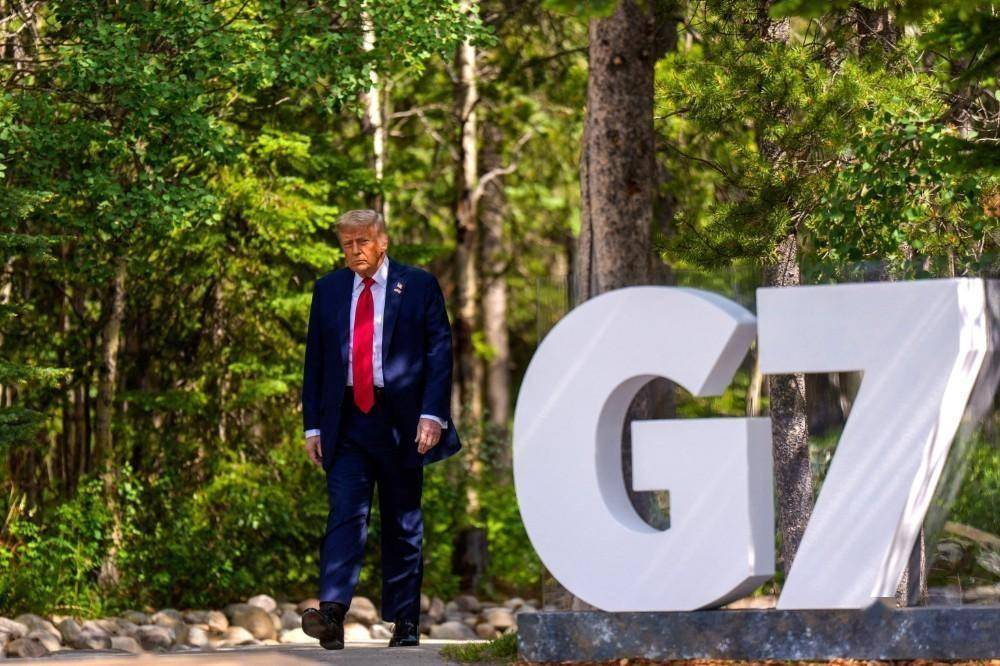
Group 1: Geopolitical Tensions and Trade Dynamics - The G7 summit ended abruptly with President Trump's departure, highlighting tensions over trade and diplomatic relations, particularly regarding tariffs and the Middle East crisis [1][3] - Trump's refusal to sign documents that included "Israel restraint" and his anger over EU's rejection of car tariff threats indicate a shift towards unilateralism in U.S. foreign policy [3] - The withdrawal of 300 regional affairs experts from the White House has created decision-making blind spots, impacting the U.S.'s understanding of European legislative changes and trade strategies [3] Group 2: European Industrial Response - European companies are adapting to geopolitical shifts, with significant investments in China, such as Trumpf's laser machine tool factory in Suzhou and Schneider Electric's R&D center in Shenzhen [6] - Airbus received a new order for 100 aircraft at its Tianjin assembly line, and Volkswagen's factory in Anhui commenced production six months ahead of schedule, reflecting resilience in European manufacturing [6] - Norway's Equinor signed a 24-year LNG supply contract with China General Nuclear Power, indicating a strategic pivot towards energy partnerships [6] Group 3: Japan's Economic Challenges - Japan faces severe economic challenges, with semiconductor equipment exports to China plummeting by 34% and a high dependency of 38% on U.S. automotive exports [8] - A report from Nomura Securities reveals that Japan's resilience to tariff impacts is only one-third that of Germany, highlighting vulnerabilities in its trade structure [8] Group 4: Shifts in Global Trade and Currency - The G7's struggles are contrasted by emerging trends, such as Saudi Arabia signing its first LNG order settled in RMB and Indonesia finalizing nickel processing agreements with Russia [10] - Data indicates a shift in trade dynamics, with China-ASEAN trade surpassing that with the EU, and Mexico becoming the largest source of imports for the U.S., replacing China [11] - The global central bank's reserve of RMB has increased to 3.5%, while the euro has surpassed the dollar in cross-border payments, indicating a potential currency revolution [11]
Equinor Secures UK Floating Wind Leases in Celtic Sea Push
ZACKS· 2025-06-20 14:51
Core Insights - Equinor ASA (EQNR) and joint venture Gwynt Glas have secured rights to develop floating wind farms in the Celtic Sea, marking a significant advancement in the UK's clean energy initiatives [1][2][4] Group 1: Project Details - EQNR and Gwynt Glas will develop 1.5 GW of floating wind capacity each, with a total of 3 GW, under leases from The Crown Estate [2][9] - The annual lease fee is set at $470 per megawatt, approximately £350 per MW, contributing to a broader initiative for up to 4.5 GW of floating wind generation in the Celtic Sea [2][9] - The projects are expected to power over four million homes, showcasing their potential impact on energy supply [2][9] Group 2: Economic Impact - The floating wind farms are anticipated to attract over £1 billion in investment and create thousands of jobs, particularly benefiting local supply chains and port infrastructure [5][9] - The Crown Estate plans to announce a third project to utilize the remaining 1.5 GW of capacity by September 2025, indicating ongoing development in the sector [3][6] Group 3: Strategic Importance - Equinor views this project as a long-term strategic investment, emphasizing the scalability and flexibility of the seabed lease in deeper waters, which is crucial for meeting the UK's net-zero targets [4][6] - The announcement signifies the start of a long-term industrial buildout, with potential for an additional 4-10 GW of floating wind capacity in the Celtic Sea by the end of the decade [6]


TotalEnergies Secures 1GW Offshore Wind Concession in Germany
ZACKS· 2025-06-18 14:26
Core Insights - TotalEnergies SE (TTE) has been awarded the N-9.4 offshore concession in the North Sea, allowing for the construction of 1 gigawatt (GW) of offshore wind power for a term of 25 years, extendable to 35 years [1][3][10] Group 1: Offshore Wind Concession Details - The N-9.4 concession is located approximately 93 miles (150 kilometers) northwest of Heligoland, covering an area of around 54.4 square miles (141 square kilometers) [3] - TotalEnergies plans to prioritize the development of the N-9.4 site alongside the nearby N-9.1 and N-9.2 sites, which are jointly held with RWE, to leverage synergies and reduce costs [4][10] Group 2: Financial Contributions and Strategic Review - Offshore Wind One GmbH will contribute nearly $20.7 million (€18 million) to the German federal government in 2026 for marine conservation efforts, along with an annual payment of about $9.3 million (€8.1 million) to the electrical transmission system operator for 20 years [5][10] - TotalEnergies has initiated a strategic review of its concessions due to delays in connection timelines announced by German transmission system operators, aiming to engage with authorities on potential development conditions [6] Group 3: Clean Energy Commitment - TotalEnergies is focused on achieving net zero by 2050, developing a competitive portfolio that includes 23 GW of offshore wind capacity, with plans to increase gross renewable electricity generation to 35 GW by the end of 2025 [7][8] - The company aims to produce over 100 terawatt-hours of net electricity by 2030 [8] Group 4: Industry Context - The Global Wind Energy Council reported that 56.3 GW of offshore wind capacity was awarded globally last year, with expectations for growth from 16 GW in 2025 to 34 GW in 2030 [9] - Other companies like BP, Equinor, and Chevron are also investing in offshore wind projects, indicating a broader industry trend towards renewable energy [9][11][12][13] Group 5: Stock Performance - Over the past six months, TotalEnergies' shares have increased by 17.8%, outperforming the industry growth of 14.5% [14]