LG Chem

Search documents
中国化学品-航运战?美国将中国船运公司乙烷港口费上调至每吨50-140美元,华航面临额外阻力China Chemicals
2025-10-19 15:58
Summary of Key Points from the Conference Call Industry Overview - The conference call primarily discusses the **China Chemicals** industry, focusing on the implications of new U.S. port fees on ethane carriers for Chinese companies, particularly **Wanhua Chemical** [2][7]. Core Insights and Arguments 1. **New U.S. Port Fees**: Effective October 14, 2025, the U.S. Trade Representative (USTR) will impose a port service fee of **$50 per ton** on ethane carriers owned or operated by Chinese entities, escalating to **$80, $110, and $140** per ton in subsequent years [2][7]. 2. **Impact on Wanhua Chemical**: Wanhua, which imports U.S. ethane for its ethylene crackers, may face increased costs estimated at **Rmb1 billion** in 2026, rising to **Rmb2 billion** by 2028. This represents **6% to 7.6%** of the current consensus net profit for FY26/27 [2][7]. 3. **Mitigation Strategies**: Wanhua is reportedly working on strategies to mitigate these costs; however, failure to do so may lead to downward revisions in consensus earnings [2][7]. 4. **Geopolitical Tensions**: The combination of geopolitical tensions and China's anti-involution measures could lead to a significant slowdown in China's chemical capacity additions from **2026 to 2030** [2][7]. 5. **Stock Recommendations**: Preferred regional companies in light of these developments include **PetroChina, LG Chem, Hengli, PTTGC, and Reliance** [2][7]. Additional Important Points 1. **Limited Impact on Satellite Chemical**: Satellite Chemical operates a fleet of vessels that are largely unaffected by the new U.S. port fees, as most are owned by non-Chinese companies [11]. 2. **Delays in Satellite's ECC Phase 3**: Construction of Satellite Chemical's third ethylene cracker has been paused due to U.S.-China tensions, which may lead to downward revisions in consensus earnings for **2027-28** [11]. 3. **Wanhua's Ethylene Cracker Updates**: Wanhua's Yantai 2 ethylene cracker is fully operational, while the Yantai 1 cracker is undergoing feedstock conversion and is expected to restart in November 2025 [11]. 4. **Potential Benefits for Non-Chinese Projects**: The slowdown in Chinese ethane demand may benefit ethane cracking projects outside China, with companies like **Reliance** and **ONGC** planning to switch to ethane for better economics [11]. 5. **Market Dynamics**: A significant slowdown in Chinese net chemical capacity additions is anticipated, which may lead to a rebalancing of global supply and demand dynamics, positively impacting regional chemical companies [11]. Conclusion The conference call highlights significant challenges and potential shifts in the China Chemicals industry due to new U.S. port fees and geopolitical tensions. Companies like Wanhua Chemical may face increased costs, while other regional players could benefit from changing market dynamics.


全球储能 - 为何储能系统(ESS)需求激增-Global Energy Storage Why is ESS demand booming
2025-10-10 02:49
Summary of Global Energy Storage Conference Call Industry Overview - The conference call focused on the **Energy Storage System (ESS)** industry, particularly in **China**. - The demand for ESS is experiencing significant growth, driven by various factors including declining battery prices and supportive government policies [1][13][9]. Key Points and Arguments 1. **Battery Price Decline**: - China's ESS battery prices have decreased by **50%** since 2023, reaching **RMB0.54/Wh (USD76/kWh)** year-to-date. Recent prices have further dropped to **RMB0.47/Wh (USD66/kWh)**, or **RMB1.00 (USD140/kWh)** including EPC costs [1][14]. - This reduction in battery prices is a primary driver for the growth of ESS [13]. 2. **Levelized Cost of Electricity (LCOE)**: - The LCOE for solar and storage (4-hour) has fallen by **25%** to **$68/MWh** since 2023. A modeled 1GW/4GWh solar plus storage project in Xinjiang shows an estimated LCOE of **$68/MWh** at an IRR of **8%** [2][60]. - With local government capacity compensation schemes, the LCOE can be reduced to **$60/MWh** [3][61]. 3. **Competitive Economics**: - Solar plus storage projects are economically attractive, with costs around **$43/MWh** for a 2-hour storage system and **$57/MWh** for a 4-hour system, compared to coal-fired power generation prices ranging from **USD35-65/MWh** [4][65]. - The cost advantage of solar plus storage highlights significant growth potential in the sector [4]. 4. **Forecast for ESS Demand**: - Global ESS demand is projected to increase by **93%** to **581GWh** in 2025 and reach **1588GWh** by 2030, representing a **23% CAGR** [6]. - The integration of large-scale solar and wind power systems will necessitate more storage to maintain grid stability [6]. 5. **Government Policies and Incentives**: - Local governments are enhancing returns on ESS investments through capacity compensation schemes, with nearly **20 provinces** expected to adopt such policies by the end of the year [3][20]. - Capacity compensation rates vary by region, with Inner Mongolia offering **RMB0.35/kWh** for projects commissioned in 2025 or earlier [20]. 6. **Key Players**: - **CATL** and **Sungrow** are identified as key beneficiaries of the ESS demand boom, with CATL being the top pick in the battery sector [7][9]. 7. **Market Dynamics**: - Despite concerns over policy changes, ESS tenders in China grew by **167%** year-on-year, indicating robust demand [10][12]. - The Inner Mongolia market showed particularly strong demand, completing **18.5GWh** of ESS project procurement [10]. Additional Important Insights - The ESS market is expected to evolve with the increasing penetration of renewables, which will require more storage solutions to manage supply and demand effectively [6][76]. - The growth trajectory of ESS is anticipated to follow that of developed economies, with ongoing installations and tender volumes expected to translate into new installations in the coming years [27]. - The analysis indicates that the ESS share will rise to **23%** of renewable capacity by 2030, up from **1%** four years ago [76]. This summary encapsulates the critical insights and projections regarding the ESS industry, emphasizing the significant growth potential and the factors driving this trend.

全球储能领域:中国电力行业分析 =若电力是人工智能的瓶颈,中国是否正胜出?
2025-10-09 02:00
Summary of Key Points from the Conference Call Industry Overview - The conference call focuses on the **Global Energy Storage** industry, particularly the **electricity demand and supply dynamics in China**. [1][10] Key Insights and Arguments 1. **Electricity Demand Growth**: - China's power demand surpassed **1,000 TWh** last month, with annual demand reaching approximately **10,000 TWh** last year, projected to grow to **13,500 TWh by 2030** and **25,000 TWh by 2050**. This growth is driven by sectors such as AI, EVs, air conditioning, and high-tech manufacturing automation. [1][10] - Expected **CAGR** for electricity demand is **5.6%** through 2030 and **3.2%** through 2050, outpacing GDP growth. By 2050, electricity will account for over **50%** of final energy consumption. [1][10] 2. **Renewable Energy Capacity**: - China is positioned to add over **500 GW** of power capacity annually, having added over **400 GW** last year, which accounted for **70%** of global power capacity additions. [1][10] - Solar and wind power generation could increase **10x** to **18,000 TWh** by 2050 at current installation rates, with expectations for solar and wind to account for **70%** of power generation by 2050. [2] 3. **Energy Storage Needs**: - With rising renewable penetration, China will require **3,300 GW** or approximately **12,000 GWh (12 TWh)** of installed energy storage capacity, representing a **30x** increase from current levels. [3] 4. **Grid Infrastructure Investment**: - Significant investment in grid infrastructure is necessary to match demand with renewable power supply, particularly in central and western China. Investment in grid infrastructure reached **RMB 600 billion** last year, growing by **15%** year-over-year. [4] 5. **Nuclear Power's Role**: - Nuclear power is expected to play a significant role as a baseload alternative to coal, with investment growing by **42%** last year to **RMB 142 billion**. However, it is projected to remain less than **10%** of the power generation mix. [5] 6. **Fossil Fuels Outlook**: - Coal and oil are expected to decline as China electrifies its economy, with coal-fired power generation declining by **2.5%** in the first half of 2025. Oil consumption is likely to peak before 2030 due to the growth of EVs. [6] Additional Important Insights - The rise of AI and EVs is significantly increasing power demand, with electricity consumption growth expected to continue outpacing GDP growth. [10] - The electrification ratio in China is projected to rise to **35%** by 2030 and **55%** by 2050, driven by new sources of power demand such as data centers and EV charging. [18] - The power multiplier, which indicates the ratio of electricity consumption growth to GDP growth, is expected to increase from **1.3** to **1.4** over the next five years. [32] Investment Implications - Companies like **CATL** are highlighted as top picks due to their strategic positioning in the energy storage market, which is critical for supporting the growth of solar and wind energy. [10]

Is Chevron's Lithium Entry a Game-Changer for Its Portfolio?
ZACKS· 2025-10-01 14:01
Key Takeaways The Smackover region is emerging as a key North American source of lithium supply.Chevron's move marks its first step into commercial lithium production.The strategy blends operational know-how with new tech for long-term growth.Chevron Corporation ((CVX) has taken a bold step into the lithium sector, acquiring roughly 125,000 acres in the Smackover Formation across Texas and Arkansas. Long known for its oil history, this region is now emerging as one of North America’s most promising lithium ...


天奈科技,10万吨碳纳米管正极材料项目
DT新材料· 2025-09-22 16:05
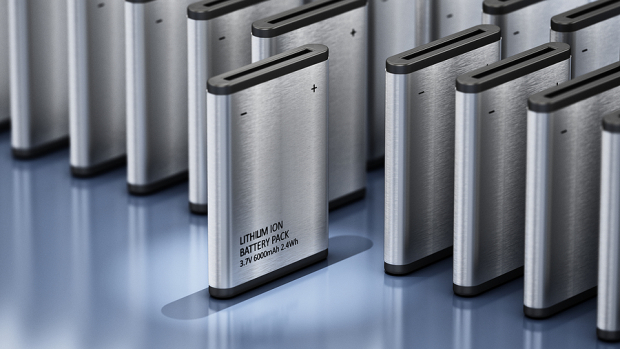
Core Viewpoint - Tianai Technology is launching a new carbon nanotube cathode material project, aiming for an annual production capacity of 100,000 tons, with the first phase of 20,000 tons under construction. This project addresses the increasing demand for high-performance cathode materials in electric vehicles [2][3]. Group 1: Project Overview - The new project combines advanced carbon nanotube preparation technology with cathode material composite processes, targeting a phased capacity of 100,000 tons per year, with the initial phase of 20,000 tons currently being built [2]. - The application of carbon nanotubes in cathode materials has been limited due to challenges in uniformity, cost, and scalability, but the rising demand for fast charging and long cycle life in electric vehicles is driving interest in this area [2][3]. Group 2: Market Dynamics - The demand for cathode composite materials is critical for enhancing battery performance, particularly in fast charging and energy density, making carbon nanotubes a potential solution for high-nickel ternary and high-voltage cathodes [3][4]. - The competitive landscape for conductive agents is intensifying, prompting leading companies like Tianai Technology to seek new growth areas, such as cathode composite materials, to maintain their market position [3]. Group 3: Industry Trends - Other domestic companies, such as BetterRay and Shanshan, are also exploring the application potential of carbon nanotubes in cathodes, indicating a broader industry trend towards the commercialization of carbon nanotube applications in battery technology [5]. - The collaboration between carbon nanotube producers and cathode manufacturers is essential for optimizing processes and costs, suggesting a "triangular cooperation" model may be key to the industrialization of carbon nanotube cathode materials [5][6]. Group 4: Challenges and Considerations - Cost control remains a significant challenge, as carbon nanotubes are still more expensive than traditional conductive materials, which could limit their adoption in large-scale applications [6]. - The need for process compatibility and the potential issues with dispersion and agglomeration of carbon nanotubes must be addressed to ensure uniformity in battery production [6].


全球化工行业 - 不止于 “反内卷”,全球基本面再审视-Global Chemicals-More than Anti-Involution A Revisit of Global Fundamentals
2025-09-17 01:51
Summary of Global Chemicals Conference Call Industry Overview - The conference call focused on the **Global Chemicals** industry, particularly the impact of China's anti-involution measures and global supply-demand dynamics in the chemical sector [1][3][10]. Key Themes and Insights 1. **Global Supply Growth Projections**: - The compound annual growth rate (CAGR) for global supply from 2024 to 2028 is expected to be lower than from 2020 to 2024, with estimates of **3.1%** in a bear case (no Chinese closures) and **2.0%** in a bull case (all capacities over 20 years old closed) [1][21][52]. - The previous CAGR from 2020 to 2024 was **3.9%**, indicating a more disciplined supply growth moving forward [21][52]. 2. **Impact of China's Anti-Involution Measures**: - China's government is focusing on closing older capacities (over 20 years) to address oversupply issues in the refining and chemical markets [10][12]. - The anticipated recovery in the chemical sector is expected to be more meaningful from **mid-2026** onwards, contingent on the execution of these measures [13][23]. 3. **Investor Interest Reignited**: - The potential for anti-involution measures in China, combined with overseas chemical players closing plants due to high production costs, has rekindled investor interest in the chemical sector [3][10]. 4. **Product-Specific Capacity Growth**: - Capacity CAGRs for major products typically range from **1.0% to 6.4%** (without Chinese closures) and **0.8% to 4.0%** (with closures) [8][54]. - Specific products like ethylene and polyethylene are expected to see significant capacity additions in the upcoming years [65]. 5. **Profitability Trends**: - Major A-share chemical stocks have rallied approximately **10%** since the announcement of anti-involution measures on **July 18, 2025** [17]. - Despite a decline in profitability for major A-share companies in the first half of 2025, a seasonal recovery is expected in the second half [19][20]. Stock Recommendations - **China**: - Upgrade for **Wanhua** to Overweight (OW) with a price target of **Rmb80** due to expected benefits from volume growth and product spread expansion [25]. - Upgrade for **Rongsheng** to Equal-weight (EW) with a price target of **Rmb10.6**, anticipating quarterly earnings improvement [26]. - **Europe**: - Top pick is **Akzo**, with additional recommendations for **Syensqo**, **BASF**, and **AKE** [27][28]. - **India and Southeast Asia**: - Favorable outlook for **PTTGC** and **Petronas Chemicals** due to potential upside from China's anti-involution efforts [31]. Risks and Challenges - Potential risks include ineffective supply-side reforms, worsening demand due to trade tensions, and unfavorable inventory cycles [33]. Conclusion - The global chemicals industry is poised for a more disciplined growth phase, influenced by China's anti-involution measures and external market dynamics. The focus on closing older capacities and the potential for improved profitability in the coming years present both opportunities and risks for investors in this sector [1][10][20].

全球化工装置_更多供应关停之际,制造业或存下行风险_更多供应关停之际,制造业或存下行风险Global Chemicals Cracker_ Potential downside to manufacturing while more supply is being shut_ Potential downside to manufacturing while more supply is being shut
2025-08-31 16:21
Summary of Key Points from the Conference Call Industry Overview - The conference call primarily discusses the **Global Chemicals Cracker** industry, focusing on the dynamics of chemical demand and supply, particularly in relation to tariffs and manufacturing activity [1][2]. Core Insights and Arguments - **Chemical Demand Risks**: There is a potential downside to manufacturing as more supply is being shut down. The reversal of pre-emptive inventory builds due to tariffs could pose unexpected risks to chemical demand [1][2]. - **Supply Rationalization**: Despite announcements of supply rationalization, it appears insufficient to rebalance markets. The average spread in August remained flat, with a notable increase in EU TDI prices offset by declines in Asia [1][2]. - **Capacity Reductions**: Ten Korean companies are set to reduce naphtha cracking capacity by approximately 2.7-3.7 million tons, representing 18-25% of total capacity. Korea accounts for 6% of global ethylene/propylene capacity [2]. - **China's Supply Dynamics**: China's Ministry of Industry and Information Technology (MIIT) may phase out smaller refining and chemical facilities, but older crackers owned by Sinopec and PetroChina are expected to see upgrades, leading to net supply additions rather than closures [2]. - **Global Economic Indicators**: Citi's global economic surprise index increased in July but has since fallen in August, primarily due to China. Industrial production in China expanded by 6% YoY in July, but austerity measures are beginning to impact demand [2]. Margin and Performance Analysis - **Margin Trends**: The average spread was stable month-over-month in August, with lower spreads in Asia offset by TDI in Europe. BASF's average weighted spread decreased by approximately 1% month-over-month, indicating a potential EBITDA of around €7.3 billion, which is about 3% below consensus [3][10]. - **Sector Performance**: The chemical sector's weak performance in Q2 suggests that chemical demand has not significantly benefited from pre-buying. The outlook for September is critical to assess demand trends for the remainder of 2025 [2][3]. Company-Specific Developments - **BASF**: The company reported a marginal decline in its weighted average spread for chemicals and materials, translating to a negative net pricing impact of approximately €0.1 billion for the second half of the year [10]. - **Arkema**: European acrylic acid margins were flat month-over-month, but margins in China dropped by about 22% due to lower prices. Arkema is viewed positively for its long-term earnings resilience [10]. - **Clariant**: The company is favored for its defensive portfolio, which is less reliant on commodity pricing and more focused on higher quality end markets [10]. - **Dow Chemical**: Dow announced a 50% cut to its dividend due to a prolonged soft commodity cycle and missed Q2 earnings expectations [15]. - **LG Chem**: The company is focusing on high-value-added products amid industry oversupply, with a realistic outlook on cathode shipment guidance [14]. Additional Important Insights - **Market Sentiment**: The overall sentiment in the chemical industry remains cautious, with expectations of continued low margin conditions for the rest of the year [11][15]. - **Investment Recommendations**: Within diversified chemicals, companies such as AKE, CLN, EVK in Europe, and LG Chem, PChem, and Kumho in Asia are highlighted as favorable investment opportunities [4][10]. This summary encapsulates the key points discussed in the conference call, providing insights into the current state and future outlook of the global chemicals cracker industry.
亚洲化工:产业重组成形 —— 韩国与中国对比
2025-08-25 01:40
Summary of Conference Call Notes Industry Overview - **Industry**: Asia Chemicals - **Key Focus**: Restructuring in the chemical industry, particularly in Korea and China Key Points from the Conference Call Korea's Chemical Industry Restructuring - **Capacity Reduction**: 10 Korean chemical companies agreed to reduce naphtha cracking (NCC) capacity by approximately 2.7-3.7 million tonnes, which is about 21-29% of the total 12.8 million tonnes capacity [1] - **Utilization Rates**: Expected increase in industry utilization to approximately 95-100% from the current 75% [1] - **Vulnerable Companies**: YNCC identified as most vulnerable due to high gearing (net debt/equity ratio of 249%) and smaller-scale units [2] - **Potential Beneficiaries**: LG Chem and Lotte Chem may gain market share and lower unit fixed costs due to the restructuring [1][2] China's Chemical Industry Developments - **Regulatory Changes**: China's Ministry of Industry and Information Technology (MIIT) may phase out smaller refining and chemical facilities, with a focus on upgrading older plants [3] - **Capacity Standards**: Anticipated higher minimum capacity standards across more products, with some time buffer for upgrades [3] - **Production Trends**: Sinopec's refinery runs and diesel output decreased by 5% and 17% year-on-year, while naphtha and ethylene output increased by 12% and 16% respectively [3] Global Implications - **Ethylene Closures**: 5.7 million tonnes of global ethylene closures announced since 2024, with an estimated additional 12 million tonnes needed to restore utilization to 85% [4] - **Catalyst Watches**: Positive catalyst watches initiated for LG Chem and Lotte Chem following Korea's restructuring plan [4] Company-Specific Insights - **LG Chem**: - Current price: W283,500, target price raised to W360,000 [7] - Expected EPS for FY25E: 12,712 million, with a neutral rating [7][34] - **Lotte Chemical**: - Current price: W62,200, target price raised to W70,000 [7] - Expected EPS for FY25E: -24,523 million, with a neutral/high risk rating [7][40] Risks and Considerations - **Korea**: Potential local economic disruption due to capacity cuts, with financial and taxation support from the government [2] - **China**: Risks include slower-than-expected chemical demand and potential delays in new capacity startups [3][50] Additional Notes - **Market Dynamics**: The restructuring in Korea is expected to lead to improved long-term utilization and lower fixed costs for competitive players [29][30] - **Investment Strategy**: Both LG Chem and Lotte Chem are positioned to benefit from the restructuring, although challenges remain due to global market conditions [37][42] This summary encapsulates the key insights and developments discussed in the conference call regarding the chemical industry in Asia, particularly focusing on the restructuring efforts in Korea and China, along with implications for major companies in the sector.
电力 -是否有足够电力满足人工智能增长需求-Bernstein Energy & Power_ Is there enough power to meet AI growth_
2025-08-18 02:52
Summary of Key Points from the Conference Call Industry Overview - The focus of the conference call is on the energy sector, specifically the implications of increasing power demand driven by AI growth and other factors [2][18]. Core Insights and Arguments 1. **Electricity as a Limiting Factor for AI Growth**: The availability of electricity is identified as a critical constraint for the growth of AI technologies, as highlighted by tech leaders [2][18]. 2. **Projected Power Demand Growth**: Global power demand is currently at 30,000 TWh, with the IEA forecasting it to reach 60,000 TWh by 2050. Bernstein estimates this could be as high as 70,000 TWh, representing a 3% CAGR [3][21]. 3. **Historical Power Demand Trends**: Power demand grew by 4.3% last year, one of the largest increases in 30 years, with a power multiplier of 1.31, indicating increasing power intensity in the global economy [6][7]. 4. **Demographic Impact on Power Demand**: Future power demand growth may slow due to demographic changes, with global population growth expected to decrease to 0.8% CAGR by 2050 [9][13]. 5. **Drivers of Increased Power Demand**: Four main drivers are identified: AI, electrification of transport, cooling needs due to global warming, and the transition to net-zero energy sources [18][24]. Additional Important Insights 1. **AI's Role in Power Demand**: AI is projected to be a significant driver of incremental power demand, with estimates suggesting that by 2050, AI could account for nearly 15,000 TWh, or 25% of global electricity demand [20][21]. 2. **Cooling Demand**: The demand for air conditioning is expected to triple, potentially increasing power consumption to 6,300 TWh by 2050 due to rising global temperatures [23][24]. 3. **Electrification of Transport**: Electric vehicles (EVs) are projected to account for 8% of total electricity demand by 2050, with potential additional demand from heavy electric trucks and other electric transport modes [24][25]. 4. **Transition from Fossil Fuels**: The gradual replacement of fossil fuels with electricity in various sectors is anticipated to significantly increase power demand, with heat pumps and electric furnaces contributing to this shift [25][26]. 5. **Renewable Energy Supply Challenges**: To meet the projected demand of 70,000 TWh, a substantial increase in renewable energy sources, particularly solar and wind, is necessary. Current projections suggest that solar and wind could account for 60% of the power mix by 2050 [28][42]. Investment Implications 1. **Investment Opportunities**: The report suggests that investments in solar, wind, and energy storage technologies will be crucial to meet future energy needs. Companies involved in these sectors may benefit from the anticipated growth in power demand [39][42]. 2. **Risks of Dependency on Supply Chains**: The reliance on China for solar and wind supply chains poses risks for Western countries, particularly the US, in achieving energy independence and meeting renewable energy targets [32][42]. 3. **Nuclear Power Limitations**: While nuclear power will play a role, its scalability is limited compared to solar and wind, making it less viable as a primary solution for meeting future energy demands [35][42]. This summary encapsulates the key points discussed in the conference call, highlighting the critical relationship between AI growth and electricity demand, the projected trends in power consumption, and the implications for investment in the energy sector.
QuantumScape: QS Stock To $0?
Forbes· 2025-07-28 14:25
Core Viewpoint - QuantumScape Corporation's recent technological advancements, particularly the Cobra separator breakthrough, have generated investor excitement, but significant risks remain that could lead to value destruction despite these developments [2][11]. Financial Position - QuantumScape faces a critical financial situation with a trailing 12-month free cash burn rate of $331 million and an operating cash burn of $277 million, indicating a potential liquidity crisis [3]. - The company's original revenue projection of $39 million for 2025 now appears overly optimistic, and there is a pattern of missed financial milestones, suggesting that current cash runway calculations may be unrealistic [3][10]. Technology Risk - The commercial viability of solid-state batteries is increasingly questioned, with alternative technologies potentially overshadowing QuantumScape's decade-long investments [4]. - Industry experts note that the hype surrounding solid-state batteries is fading, which could jeopardize QuantumScape's market position if competitors succeed first [4]. Manufacturing Challenges - Scaling ceramics production to gigawatt-hour levels presents significant challenges, requiring mastery in materials science, precision manufacturing, quality control, and supply chain management [5]. - The Cobra process addresses only one aspect of this complex ecosystem, meaning failures in any area could derail commercialization efforts [5]. Competitive Landscape - Well-funded competitors such as Toyota, Samsung, LG Chem, and Solid Power have substantial advantages over QuantumScape, including established manufacturing capabilities and financial resources [7]. - These competitors can afford longer development timelines and multiple technology bets, which could lead to early market entry and dominant positions [7]. Partnership Dependency - QuantumScape's survival is heavily reliant on its partnership with PowerCo/Volkswagen, and any strategic or financial shifts by Volkswagen could jeopardize this relationship [8]. - The volatility of automotive partnerships for unproven technologies poses a significant risk, as losing this relationship would severely impact market access and credibility [8]. Share Dilution Risks - Continued cash burn may necessitate further capital raises, leading to share dilution through mechanisms like at-the-market offerings, which could diminish existing shareholders' value [10]. - The number of shares outstanding has increased from approximately 410 million in 2021 to 521 million currently, indicating ongoing dilution risks [10]. Conclusion - QuantumScape's future is characterized by binary outcomes: either revolutionary success or complete failure, with moderate outcomes being unlikely [11]. - While the Cobra breakthrough represents genuine progress, it may not be sufficient to overcome fundamental survival challenges, including cash exhaustion, technology obsolescence, competitive pressures, and partnership risks [11].