英飞凌

Search documents
台湾联电与格芯合并成美国企业?合计份额约中芯国际2倍
Guan Cha Zhe Wang· 2025-04-01 05:18
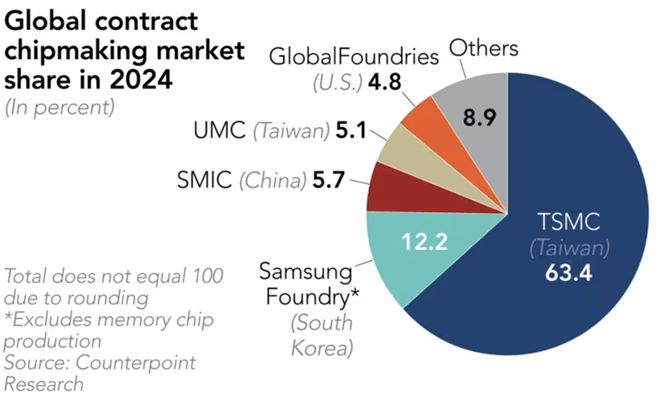
4月1日,《日经亚洲评论》报道称,全球第五大晶圆代工厂格芯(GlobalFoundries)与中国台湾第二大 晶圆代工厂联电正在探索合并的可能性。一旦双方合并,将超越中芯国际,成为全球第二大纯晶圆代工 厂。 随后,台湾联电首席财务官刘启东回应了联电和格芯的合并传闻,他表示:"公司目前没有进行任何合 并交易,也不会回应任何市场传闻。" 尽管如此,但这一消息还是震惊市场。 这家日媒援引一份评估计划称,格芯和联电合并后的公司将在美国投资研发,创建一家规模更大的美国 公司,最终可能成为全球最大芯片代工厂台积电在成熟芯片领域的替代者,其生产业务遍及亚洲、美国 和欧洲,合并的目的是打造一家规模更大的晶圆代工企业,让美国的成熟制程芯片供应得到保障。 知情人士透露,格芯和联电就可能的合并进行了接触,美国和中国台湾的一些官员也知道这一谈判,这 两家芯片制造商大约两年前就讨论过可能的合作,但谈判没有取得进展。 此消息一出立即引爆舆论关注,网友感慨美国想把台积电、联电"整碗端走"。受此消息影响,联电股价 当天收涨9%,今日盘中最高涨近20%。 资料显示,联华电子成立于1980年,是岛内第一家芯片制造商,但如今规模小于台积电,该公司 ...




电子产业四大猜想?2025慕尼黑上海电子展带你一站了解政策、技术、市场的多维破局
半导体芯闻· 2025-03-31 10:04
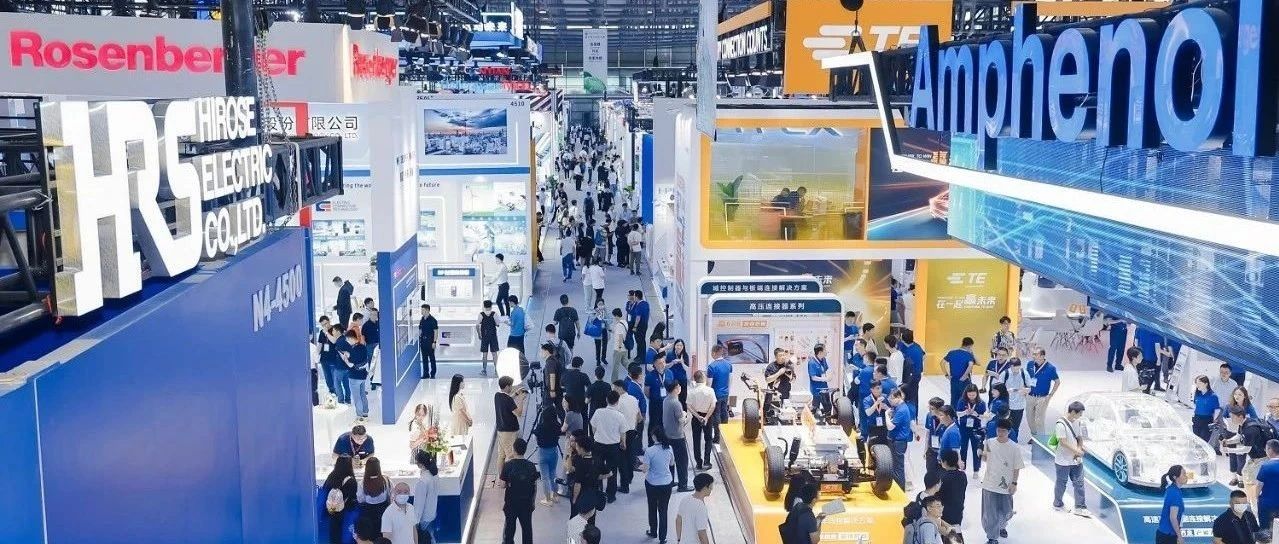
Core Viewpoint - The global semiconductor industry is experiencing a structural recovery in demand and deep adjustments in the supply chain, driven by artificial intelligence, consumer electronics, electric vehicles, and new energy applications, with global sales surpassing $600 billion for the first time [1] Group 1: Demand Recovery and Supply Chain Adjustments - The semiconductor market shows uneven demand, with AI chips and HBM storage experiencing significant growth, while the automotive and industrial markets are still in a destocking phase, leading to price declines [1] - The consumer electronics sector has completed its destocking cycle, resulting in normalized delivery times and price recovery for various chips and components [1] Group 2: National Subsidy Policy Impact - The national subsidy policy has expanded to cover digital products, enhancing the activity in the consumer electronics market, with subsidies for mobile phones, tablets, and smartwatches [2] - Over 26.71 million consumers applied for subsidies for these digital products within a month of the policy's implementation [3] Group 3: Automotive Semiconductor Landscape - The automotive semiconductor sector is in a destocking phase, but companies like Qualcomm and NVIDIA are seeing significant growth in smart driving applications, with year-on-year increases of 63% and 55% respectively [5] - BYD announced that all new cars produced after 2025 will be equipped with smart driving features, potentially transforming the automotive electronics supply chain [5] Group 4: Human-shaped Robots and Industry Development - The human-shaped robot industry is rapidly evolving, with many Chinese manufacturers planning to achieve mass production of hundreds to thousands of units by 2025 [12] - Despite rapid advancements in motion control, practical applications of human-shaped robots still require ongoing improvements in algorithms and hardware [12] Group 5: New Energy Storage Development - The new energy storage sector is experiencing rapid growth, with installed capacity increasing by 130% year-on-year, reaching 73.76 million kilowatts [13] - Various advanced technologies, including compressed air storage and sodium-ion storage, are making significant progress, although challenges such as investment returns and market competition remain [13][14] Group 6: Future Outlook for the Semiconductor Industry - The semiconductor industry is at a critical juncture, characterized by deep adjustments in demand, strengthened supply chain resilience, and expanding application scenarios [14] - Key challenges include rising risks from international trade frictions, mismatches between technology iteration speed and market demand, and cost pressures from regional supply chain restructuring [15]




国芯科技双里程碑:“中国芯”引领汽车电子产业新征程
半导体芯闻· 2025-03-28 10:01
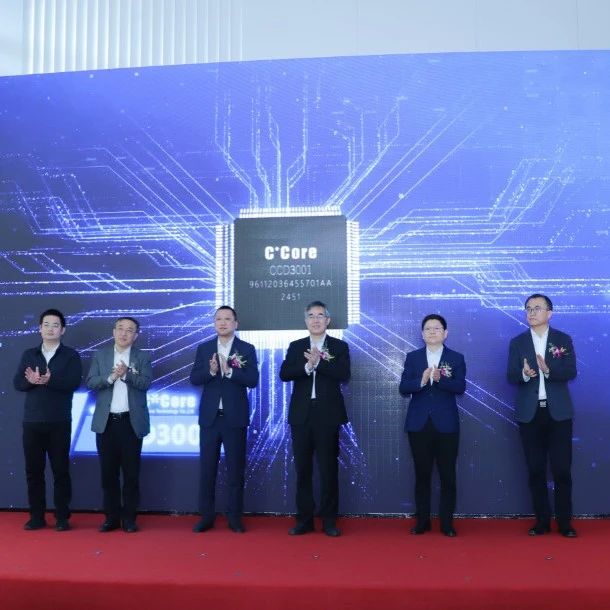
Core Viewpoint - The global electric vehicle industry is rapidly developing, with a significant increase in the demand for automotive chips driven by the "new four modernizations" (electrification, intelligence, connectivity, and sharing) [1] Group 1: Industry Trends - The number of chips required for traditional fuel vehicles is 600-700, while electric vehicles require about 1600 chips, and advanced smart vehicles may need up to 3000 chips [1] - By 2030, automotive electronics are expected to account for 50% of the total cost of vehicles, with global annual demand for automotive chips projected to exceed 160 billion [1] Group 2: Company Developments - Guoxin Technology celebrated a dual milestone with the relocation to a new headquarters and the mass production of automotive electronic DSP chips on March 21, 2025 [2] - The new headquarters signifies a leap in R&D hardware conditions, supporting the expansion of 12 product lines [4] Group 3: Product Innovations - Guoxin Technology has developed a series of automotive electronic DSP chips, including CCD5001, CCD4001, and CCD3001, achieving significant results in the high-end audio processing field [5] - The CCD5001 chip features a HIFI5 DSP core with a single-core computing power of 6.4 GFLOPS, outperforming comparable products in audio processing [5][8] Group 4: Strategic Collaborations - Guoxin Technology has signed strategic cooperation agreements with Suzhou Longqing Vision Integrated Circuit Co., Ltd. and Bertak Automotive Electronics, aiming for deep collaboration in their respective fields [9] - The company has established partnerships with leading industry players to create a complete and closed-loop DSP algorithm ecosystem, enhancing domestic automotive acoustic industry collaboration [9] Group 5: Future Outlook - Guoxin Technology aims to strengthen its competitive edge through technological innovation, ecosystem building, and supply chain optimization, transitioning from "usable" to "highly usable" domestic chips [11] - The company is committed to building a "chip + algorithm + system" full-stack solution to support the transformation of the domestic automotive industry [26]

成熟芯片,顶不住了?
半导体芯闻· 2025-03-28 10:01
消息人士称,芯片封装商日月光半导体制造公司和矽品精密工业公司(SPIL)也是暂停马来西亚 扩张计划的厂商之一,因为许多芯片供应商将投资策略转向"观望"模式。 由于市场对老款或成熟芯片的需求不温不火,台积电正在放缓其在日本的扩张步伐。三位知情人士 向《日经亚洲》透露,这家全球最大的芯片制造商目前已决定,在 2026 年之前,其位于熊本的首 家日本芯片工厂将不需要生产 16 纳米和 12 纳米芯片的设备。 一位芯片业高管表示:"消费电子、汽车和工业应用的需求不太好,复苏前景也不容乐观。因此, 目前还不急于大规模扩张。……台积电熊本工厂目前的利用率远低于预期。" 如果您希望可以时常见面,欢迎标星收藏哦~ 来源:内容 编译自日经 ,谢谢。 该工厂被视为台积电最成功的海外扩张,因为它的建设时间晚于其在美国亚利桑那州的工厂,但投 产时间更早。目前,该工厂能够生产 28 纳米和 22 纳米级别的芯片,主要供应日本客户索尼、电 装和瑞萨。 《日经亚洲》获悉,由于旧芯片需求低迷以及关税不确定性,包括台湾半导体制造公司和英特尔在 内的领先芯片制造商和封装商已经放缓了在日本和马来西亚的扩张步伐。 在芯片制造中,一般来说,纳米数越大 ...
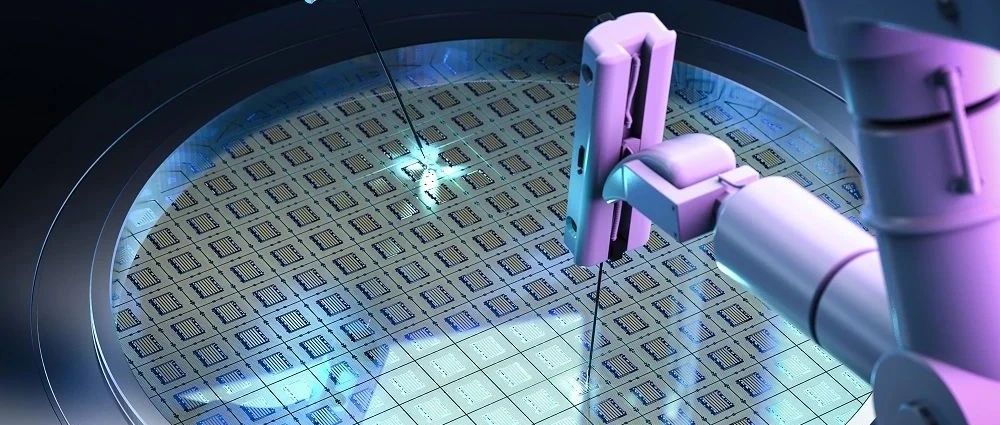
观汽车IC、3D IC、AI 赋能技术变革,以技术创新驱动未来
半导体行业观察· 2025-03-26 01:09
以下文章来源于西门子EDA ,作者SIEMENS 西门子EDA . 电子领域的创新步伐正在不断加快。为了让我们的客户能够加快推出改变生活的创新产品,并成为市场 的领导者,我们致力于提供世界上最全面的电子设计自动化 (EDA) 软件、硬件和服务组合。 在当今快速发展的科技时代,半导体行业正经历着前所未有的变革。随着汽车智能化、电动化 的不断推进,人们对车载影音娱乐、智能交互、智能驾驶提出了全新的需求,促进了座舱和智 驾芯片等汽车IC的发展与变革;与此同时,随着芯片制造工艺接近物理极限,传统的集成电路 在性能提升和功耗降低方面遇到了瓶颈,3D IC也迎来了快速发展,作为先进的封装技术通过 垂直堆叠多个芯片,提高芯片密度和性能,从而延续摩尔定律;此外,AI技术在芯片设计工具 上的应用也迎来了大发展,EDA工具的自动化、智能化能够加速设计过程,减少人为错误,提 高整体设计质量。 西门子EDA工具以其先进的技术和解决方案,在全球半导体设计领域扮演着举足轻重的角色。 本文将从汽车IC、3D IC和EDA AI三个方向,深入探讨西门子EDA工具如何助力行业克服技 术挑战,推动创新发展。 助力应对汽车IC革新的技术趋势与挑战 ...


代工市场,迎来复苏
半导体芯闻· 2025-03-25 10:02
Group 1 - The global semiconductor market is expected to transition from recovery in 2024 to steady growth in 2025, with the Foundry 2.0 market projected to reach $298 billion, marking an 11% year-on-year increase [1] - The compound annual growth rate (CAGR) for the period from 2024 to 2029 is anticipated to be 10%, driven by sustained demand for artificial intelligence and gradual recovery in non-AI demand [1] - TSMC is expected to expand its market share in the Foundry 2.0 market to 37% by 2025, leveraging its technological advantages in advanced nodes below 5nm and advanced packaging [1] Group 2 - The demand rebound for consumer electronics is expected to drive a 4% average increase in utilization rates for mature nodes, contributing to an 18% growth in the overall foundry market by 2025 [5] - Non-memory IDM faces challenges due to insufficient AI accelerator deployment, with a modest growth of only 2% expected in 2025 [6] - The OSAT industry is projected to benefit from increased outsourcing by IDM, with an expected growth of 8% in 2025 driven by strong demand for advanced packaging related to AI accelerators [7] Group 3 - The semiconductor manufacturing chain is entering a new expansion wave, with AI driving demand for advanced nodes and packaging, while traditional application markets are gradually recovering [9] - The industry must navigate various variables, including geopolitical risks, national policies, supply-demand fluctuations from new capacities, and the commercialization of AI applications, which will shape the long-term trajectory of the semiconductor industry [9]
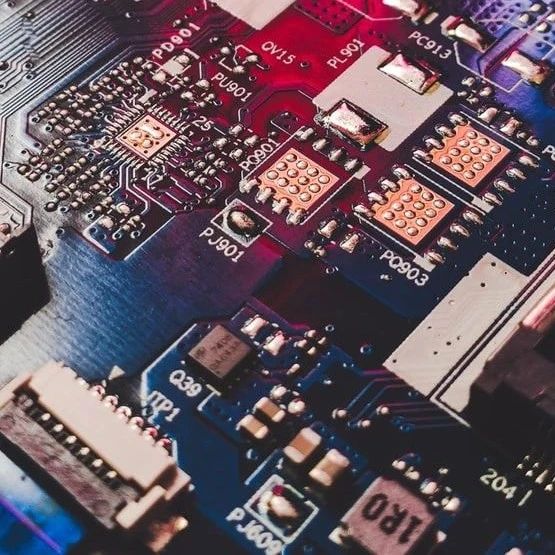
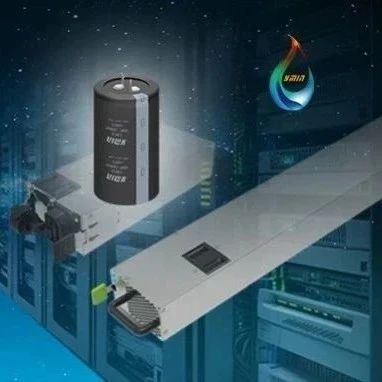
永铭与纳微半导体深度配合,IDC3牛角电容推动AI服务器电源迈向更高功率
半导体行业观察· 2025-03-21 01:08
Core Viewpoint - The article emphasizes the importance of high power density and miniaturization in power supply systems for AI servers, highlighting the collaboration between Yongming and partners to develop high-performance capacitor solutions for this purpose [1][15]. Group 1: Collaboration and Innovation - Yongming has established a deep collaboration with Navitas to innovate and address the dual challenges of miniaturization and ultra-high energy density in power systems [2][3]. - The IDC3 series of high-voltage aluminum electrolytic capacitors has been successfully developed and applied in Navitas's 4.5 kW and 8.5 kW high-density AI server power solutions [3][15]. Group 2: IDC3 Series Advantages - The IDC3 series features 12 technological innovations, providing high ripple current resistance and larger capacity within the same volume, meeting the stringent requirements of AI server power supplies [7][15]. - The IDC3 series ensures stable DC output and enhances power efficiency, with a volume reduction of 25%-36% compared to international competitors in the same specifications [8]. - The series exhibits a 20% increase in ripple current capacity and a 30% reduction in ESR compared to conventional products, leading to lower temperature rise and improved reliability and lifespan [9]. Group 3: Specifications and Applications - The IDC3 series is suitable for high power density and miniaturized AI server power solutions, having received AEC-Q200 product certification and reliability certification from third-party international organizations [13].
人形机器人系列专题(一):感知系统:多传感融合构建具身智能信息端口
Ping An Securities· 2025-03-13 02:12
Investment Rating - The report maintains an "Outperform" rating for the electronic industry [1]. Core Insights - Humanoid robots have significant potential, with the sensory system being one of the core subsystems. The market is expected to grow rapidly as humanoid robots begin to be deployed in various applications [3][9]. - The sensory layer is crucial for interaction with the environment, accounting for approximately 15% of the total cost of humanoid robots [10][11]. - The report emphasizes the importance of multi-sensory integration, including 3D vision, force sensing, inertial sensing, and tactile sensing, in enhancing the capabilities of humanoid robots [12][39]. Summary by Sections 1. Humanoid Robot Potential - The humanoid robot market is in its early stages but is expected to transform human production and lifestyle significantly. The global sales volume is projected to grow from approximately 26,000 units in 2025 to 606,000 units by 2030, with a CAGR of about 87.6% [9]. 2. 3D Vision - 3D vision is the primary environmental information input for humanoid robots, responsible for real-time modeling of the surroundings. The Chinese machine vision market is expected to grow from 4.687 billion yuan in 2016 to 39.529 billion yuan by 2028, with a CAGR of approximately 19.4% [19]. 3. Force and Inertial Sensing - Force sensing, particularly six-dimensional force sensing, is essential for precise operations in humanoid robots. The global market for humanoid robot force sensors is expected to grow from 179 million yuan in 2024 to 32.806 billion yuan by 2030, with a CAGR of 138% [46]. 4. Tactile Sensing - Tactile sensing is crucial for humanoid robots to perform delicate operations. The global market for robotic tactile sensors is projected to grow from 210 million USD in 2022 to 430 million USD by 2029, with a CAGR of 10.8% [71]. 5. Investment Recommendations - The report recommends focusing on companies involved in 3D vision, six-dimensional force sensing, MEMS IMU, and electronic skin technologies, highlighting firms like Chipone Technology, Aobo Technology, and Hanwei Technology as key players [3][9].


九大欧洲国家,成立芯片联盟
半导体行业观察· 2025-03-13 01:34
Core Viewpoint - A new "semiconductor alliance" has been established by nine European countries to enhance self-sufficiency in chip production, responding to the growing demand driven by AI chips and the need for strategic autonomy in the semiconductor industry [1][2][3]. Group 1: Formation of the Semiconductor Alliance - The alliance aims to strengthen Europe's semiconductor industry and reduce reliance on Asian manufacturers, particularly TSMC [2][3]. - The Netherlands has emphasized its strategic advantage in discussions about exporting ASML chip machines, indicating a shift in the landscape of semiconductor manufacturing [1][2]. - Germany is leading the charge with significant subsidies to build new factories, including a joint venture with TSMC and European partners [1][2]. Group 2: Economic and Strategic Importance - The semiconductor sector is crucial for various industries, including AI, aerospace, defense, and energy, highlighting its role as a backbone of modern society [3][4]. - Ensuring the resilience and competitiveness of the semiconductor industry is not only an economic priority but also a strategic necessity for prosperity and security [4]. Group 3: Goals and Strategies - The alliance seeks to ensure that key steps in the semiconductor value chain are accessible to EU countries and to develop reliable innovative technologies [5][6]. - There is a focus on enhancing Europe's current leadership position in the semiconductor sector and expanding into new areas [5][6]. - The collaboration will involve coordinated policies, strategic funding, and international partnerships to secure supply chains and support startups [7]. Group 4: Future Actions - In the coming months, member countries will work with the European Commission to create a declaration that emphasizes their commitment to strengthening Europe's position in the global semiconductor industry [7]. - Immediate action is required from both government and industry to build a robust and leading European semiconductor ecosystem [7].

【联合发布】新能源商用车周报(2025年3月第1周)
乘联分会· 2025-03-11 08:39
(总第0093期 2025年3月第1周) ▌自录 CONTENTS 间) 行业数据 企业动态 飞碟汽车:飞碟汽车万元福利大放送:真免费,无套路,不限 首任车主! 供应链 点击蓝字 关注我们 乘联分会&科瑞咨询联合发布 = 新能源商用车周报 -锂能:三一埋能与上海建工达成战略合作,共筑低碳未来 英飞凌:英飞凌与东软睿驰签订合作谅解备忘录,携手推动汽车 智能化讲程 IV (s) = M. · 市场:新能源商用车销量与渗透率 · 两部门: 加大对充电基础设施领域的金融支持 国家金融监督管理总局办公厅 、中国人民银行办公厅发布的 《银行业保险业绿色金融高质量发展实施方案》指出,支持能 . 源体系低碳转型。探索完善新能源汽车全产业链金融服务,加 大对充电基础设施领域的金融支持。引导银行业保险业大力发 展绿色金融,加大对绿色、低碳、循环经济的支持,防范环境, 社会和治理风险,提升自身的环境、社会和治理表现, 制定本 实施方案。 关于执行《市场监管总局关于对电动汽车供电设备实施强制性 产品认证管理的公告》(2024年第50号)及《强制性产品认证 实施细则电动汽车供电设备》发布的通知 根据国家认监委2024年第25号公告, ...