
Blue Owl Capital Inc.

Search documents
Tariff Plan B
Seeking Alpha· 2026-02-23 12:30
Group 1: Market Reactions and Trends - Key airline operations in the Northeast have been disrupted due to a blizzard, leading to widespread flight cancellations [3] - Novo Nordisk (NVO) shares fell by 14% as its next-generation obesity treatment underperformed compared to Eli Lilly's (LLY) tirzepatide [3] - Stock futures experienced a decline in the premarket session but recovered much of the losses following a Supreme Court ruling that deemed President Trump's emergency tariffs illegal [5][7] Group 2: Tariff Implications - President Trump announced a "10% Worldwide Tariff," which was later increased to 15% due to claims of unfair trade practices by other countries [5] - The Supreme Court ruling invalidated tariffs on China, Mexico, and Canada related to fentanyl, and the new global 15% duty under Section 122 of the 1974 Trade Act may complicate existing trade agreements with countries like the U.K. and EU [7] - Treasury Secretary Scott Bessent indicated that the new tariffs are likely a temporary measure while further studies on stronger tariff authorities are conducted [7] Group 3: Investment Shifts - Investors are shifting focus from artificial intelligence stocks to 'heavy asset' stocks in search of stability [11] - Nvidia (NVDA) is set to re-enter the PC market with AI laptop chips, indicating a continued interest in AI technology despite market fluctuations [9]


Is private equity the next market crisis? How we got here and what's next
CNBC· 2026-02-22 23:31
Core Viewpoint - The article discusses the current challenges facing private equity firms, particularly in light of the recent performance declines of major players like KKR, Blackstone, and Apollo Global Management, as well as the issues surrounding Blue Owl Capital, a newer entrant in the private credit space [1][2][3]. Group 1: Private Equity and Market Sentiment - Private equity companies, historically strong performers, are now viewed as potentially toxic investments due to their exposure to risky tech companies and private credit loans [1][2]. - The market is skeptical about the credit risk assessments made by private equity firms, especially regarding their investments in small- and medium-sized businesses [1][2]. - The decline in stock prices for Apollo, KKR, and Blackstone, with year-to-date drops of 17%, 20%, and 21% respectively, reflects growing investor concerns [2]. Group 2: Blue Owl Capital's Challenges - Blue Owl Capital has seen its stock drop over 27% this year, primarily due to fears about its ability to redeem capital from its business development company funds [2][3]. - The suspension of regular redemptions by Blue Owl raises red flags about its lending practices and the quality of its loan portfolio [3][4]. - Investors are worried that Blue Owl may have made riskier loans compared to its peers, leading to a lack of transparency and confidence in its financial health [3][4]. Group 3: Impact of Artificial Intelligence - The rise of artificial intelligence is disrupting traditional software companies, which are significant components of the portfolios held by private equity firms, including Blue Owl [4][5]. - Concerns are growing that AI advancements could diminish the value of established software companies, impacting the debt associated with these investments [4][5]. - The potential for AI to reduce the need for traditional software solutions raises questions about the future profitability of companies like Salesforce, which is already experiencing stock price declines [4][5]. Group 4: Lending Practices and Market Conditions - Blue Owl's aggressive lending to data center projects, which were previously seen as safe investments, is now viewed as risky due to the increased borrowing levels in the sector [5]. - The overall economic environment is stable, but the specific risks associated with private equity lending practices are coming under scrutiny [3][5]. - The article suggests that the current market conditions may lead to a reevaluation of the value of software companies and the loans made to them, potentially resulting in lower valuations and tighter credit conditions [5].


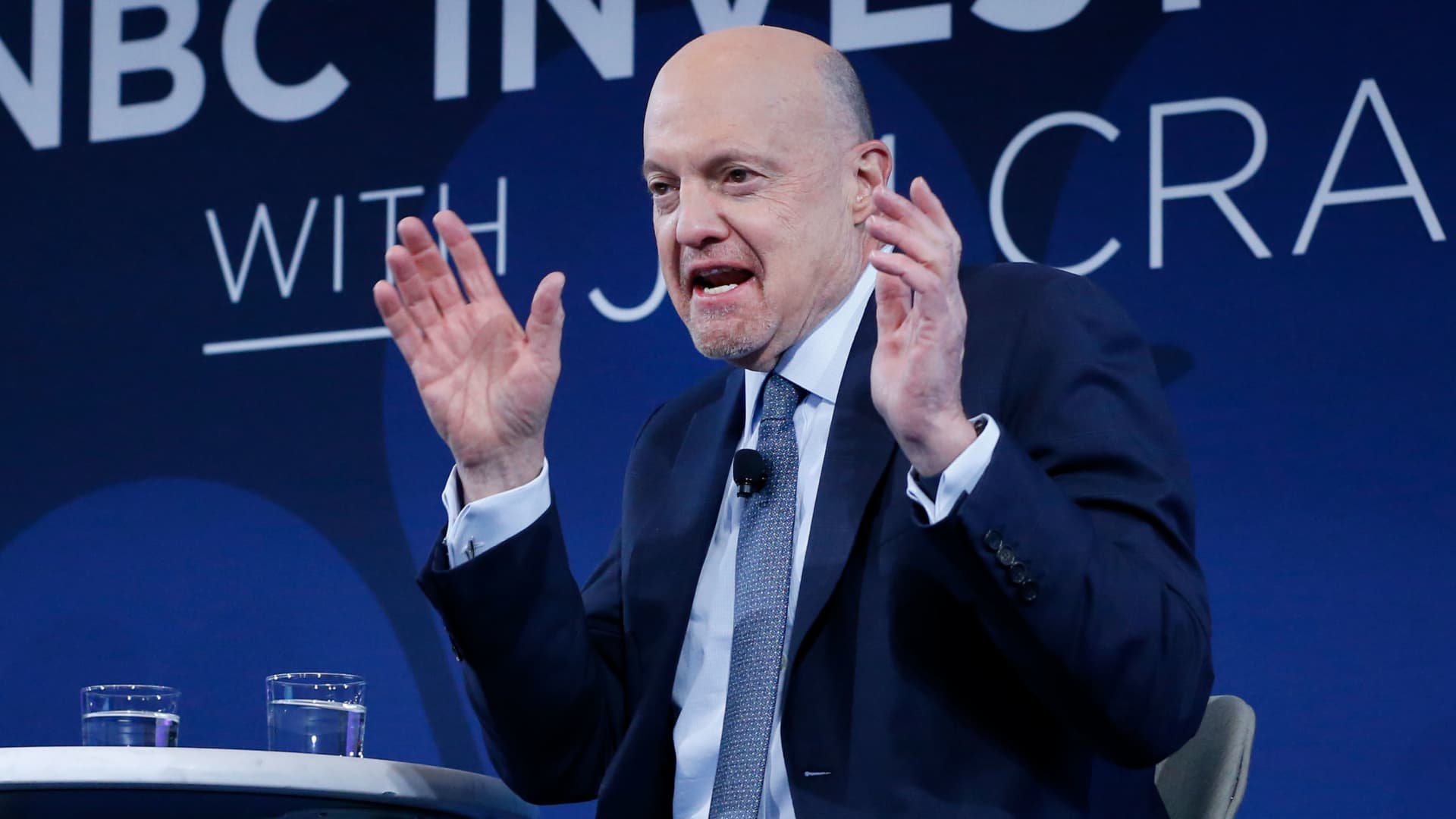
Last week’s slump in asset-manager stocks was driven by private-credit fears. Here’s what’s worrying investors.
Yahoo Finance· 2026-02-22 20:33
Core Insights - Investor confidence in private credit has been shaken following Blue Owl's decision to halt redemptions from its fund, raising concerns about the stability of other private-debt funds and BDCs [3][5][12] - The situation is being viewed as either a company-specific issue or indicative of broader industry problems, particularly with lending to software companies facing disruption from artificial intelligence [2][15] - The shares of asset managers involved in private credit have experienced significant declines, with Blue Owl's shares dropping around 12% in one week, and other firms like Blackstone and Apollo also facing losses [5][12] Group 1: Market Reactions - Shares of asset managers have been under pressure due to concerns over underwriting standards and the recent selloff in software companies, which are heavily represented in their loan portfolios [4][6] - The VanEck BDC Income ETF has seen a 1.9% weekly loss and has dropped over 25% in the past year, reflecting investor worries about the BDC sector [9] - Apollo Global's shares fell more than 4%, while Blackstone and Ares Management saw losses of 6.6% and 8% respectively during the same week [12] Group 2: Industry Concerns - The liquidity mismatch in publicly traded vehicles that package private loans is becoming apparent, leading to increased scrutiny from investors [8] - U.S. Treasury Secretary Scott Bessent expressed concerns about the growth of private credit outside the banking system and its potential impact on the regulated financial system [13][14] - The current economic expansion, despite a slowdown, may provide some support for private-credit managers, although fears of a recession could lead to higher default rates [14][15] Group 3: Company-Specific Developments - Blue Owl announced it would return 30% of OBDC II investors' capital at book value, aiming to alleviate concerns over liquidity [13] - The firm emphasized that it is not halting investor liquidity, but rather accelerating capital returns to shareholders [13] - The private-equity giants like Blackstone, Apollo, and KKR have significantly contributed to the growth of private credit, which is now facing scrutiny [11][10]


Blue Owl Capital (OWL) to Accelerate Capital Returns, Here’s What You Need to Know
Yahoo Finance· 2026-02-22 17:09
Blue Owl Capital Inc. (NYSE:OWL) is one of the Most Promising Stocks to Invest In Before They Take Off. On February 20, Pitchbook reported that Blue Owl Capital Inc. (NYSE:OWL) accelerated its capital return to investors to regain investor confidence after a failed merger attempt. Earlier in November 2025, the company had announced its plans to merge one of its early funds, OBDC II, with its main public fund. However, the merger was halted as it might have hurt OBDC II investors, as the stock was trading ...
Here are 3 forces that drove the stock market during Wall Street’s comeback week
CNBC· 2026-02-21 17:46
Market Overview - The stock market rebounded last week, with the Nasdaq ending a five-week losing streak, rising 1.9% due to strong performances from major tech companies like Meta Platforms, Nvidia, and Amazon [1] - The S&P 500 increased by 1.1%, breaking a two-week decline, aided by a Supreme Court ruling against President Trump's emergency tariffs [1] Supreme Court Ruling - The Supreme Court ruled 6-3 against Trump's tariffs, stating that no president had previously used the statute to impose tariffs of such magnitude, requiring clear congressional authorization for such actions [1] - Following the ruling, the S&P 500 rose 0.7%, although some companies like Nike experienced a decline due to ongoing tariff concerns [1] Big Tech Performance - Major tech stocks saw significant gains, with Meta up 2.5% and Nvidia up 3.8% after Meta announced plans to use Nvidia's chips in its data centers, highlighting strong AI demand [1] - Amazon's shares surged 5.6% after a regulatory filing revealed that Bill Ackman's Pershing Square increased its position in the company [1] - Alphabet's stock initially lagged but later rallied to end the week up 3% [1] Private Credit Concerns - Concerns in the private credit market arose from Blue Owl Capital's decision to restrict withdrawals from its private debt fund, causing a nearly 6% drop in its shares [1] - Major private asset managers like Ares Management and Blackstone faced significant declines, with Ares down 8% and Blackstone down 6.6% [1] - Despite these concerns, BlackRock's exposure to private credit did not raise alarms, as its shares only dropped 1% before recovering [1] Portfolio Adjustments - Capital One was the only financial stock traded last week, with additional shares purchased [1] - The company exited its position in Texas Roadhouse due to concerns over ongoing beef inflation issues [1]



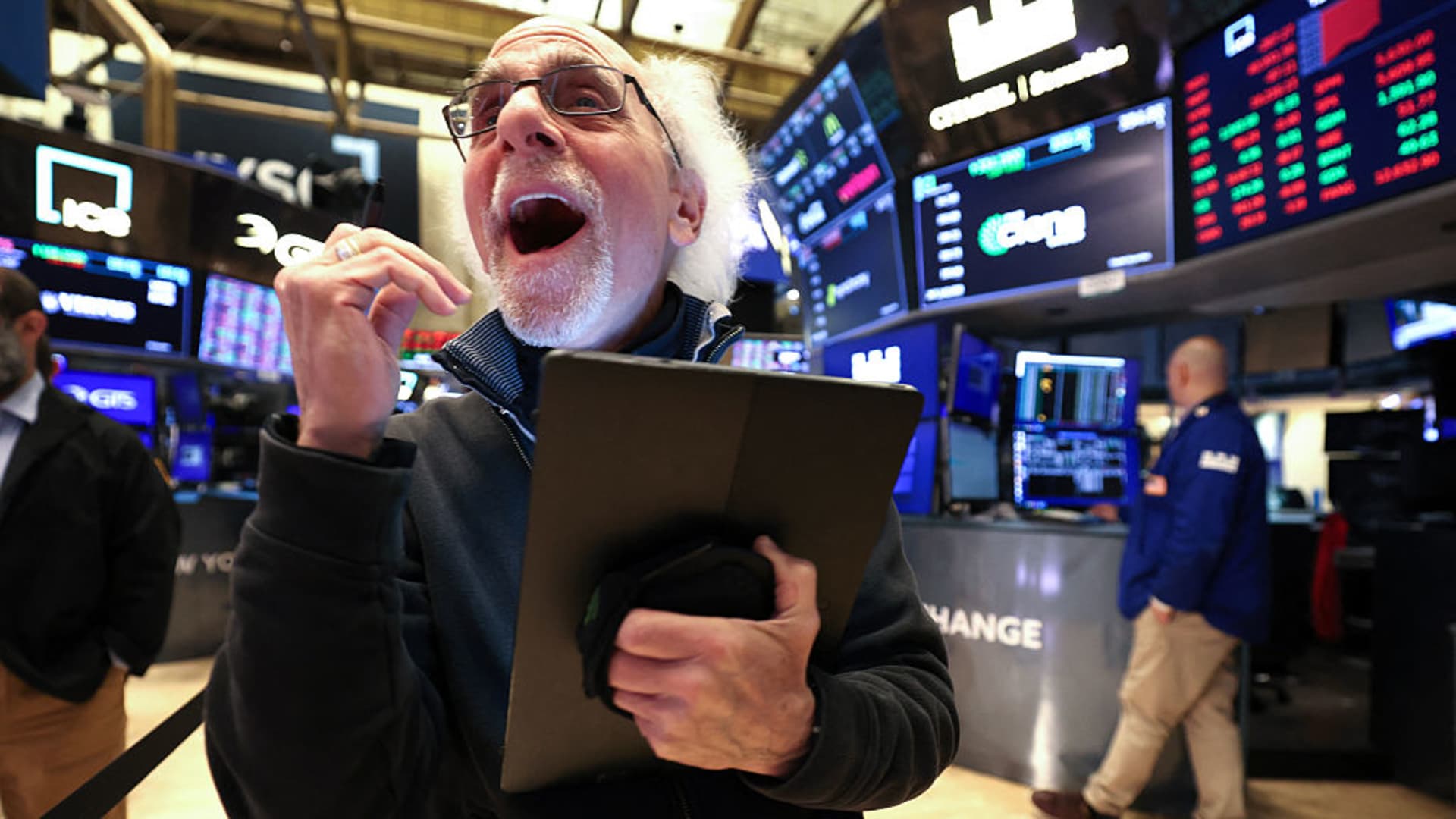
Super Micro Computer, Blue Owl, Hims & Hers And More: 5 Stocks Investors Couldn't Stop Buzzing About This Week - Super Micro Computer (NASDAQ:SMCI)
Benzinga· 2026-02-21 13:31
Core Insights - Retail investors have shown significant interest in five stocks: Super Micro Computer Inc. (SMCI), Hims & Hers Health Inc. (HIMS), Blue Owl Capital Inc. (OWL), Microsoft Corp. (MSFT), and Walmart Inc. (WMT), driven by factors such as retail hype, earnings, AI buzz, and corporate news flow [1] Super Micro Computer Inc. (SMCI) - Retail investors are highly bullish on SMCI, with some jokingly considering betting their entire portfolio on the stock for the upcoming months [7] - The stock has a 52-week range of $27.60 to $62.47, currently trading around $32 to $35 per share, and has fallen 45.74% over the year and 24.52% over the last six months [7] - SMCI exhibits a weaker price trend across all time frames but has a strong growth ranking according to Benzinga's Edge Stock Rankings [7] Hims & Hers Health Inc. (HIMS) - Retail investors believe HIMS could surpass the $20 mark, despite its current trading range of $15 to $16 per share [7] - The stock has a 52-week range of $15.46 to $70.43 and has declined by 76.18% over the year and 63.53% in the last six months [7] - HIMS shows a weaker price trend in all time frames and has a poor value ranking according to Benzinga's Edge Stock Rankings [7] Blue Owl Capital Inc. (OWL) - Retail investors are concerned about the withdrawal limit associated with OWL, which is currently trading around $11 to $13 per share [7] - The stock has a 52-week range of $10.88 to $23.98 and has declined 49.87% over the year and 37.64% in the last six months [7] - OWL has a weaker price trend across all time frames but maintains a solid growth score according to Benzinga's Edge Stock Rankings [7] Microsoft Corp. (MSFT) - Retail sentiment towards MSFT has turned sour, with the stock trading around $398 to $400 per share [7] - The stock has a 52-week range of $344.79 to $555.45 and is down 4.25% over the year and 21.21% over the last six months [7] - MSFT shows a weaker price trend across all time frames but has a solid quality score according to Benzinga's Edge Stock Rankings [7] Walmart Inc. (WMT) - Some retail investors believe that WMT's decline could lead to a rotation back into tech stocks, with the stock currently trading around $124 to $125 per share [7] - The stock has a 52-week range of $79.85 to $134.69 and has returned 28.45% over the year and the last six months [7] - WMT maintains a stronger price trend across all time frames and has a solid quality ranking according to Benzinga's Edge Stock Rankings [8]





This week's slump in asset-manager stocks was driven by private-credit fears. Here's what's worrying investors.
MarketWatch· 2026-02-21 13:30
Core Viewpoint - The recent decline in asset-manager stocks is primarily attributed to investor concerns regarding the lending standards in the private-credit industry, particularly linked to a fund managed by Blue Owl Capital [1] Group 1: Market Impact - Shares of Blue Owl Capital (ticker: OWL) experienced a significant drop, with weekly losses reaching approximately 12% [1] - Other asset managers with exposure to private-credit businesses, including Ares Management (ARES), Blackstone (BX), Apollo Global Management (APO), and KKR & Co. (KKR), also saw declines in their stock prices during the week [1] Group 2: Investor Sentiment - Investor fears have intensified regarding the potential spillover effects from the private-credit sector, leading to broader anxiety in the market [1] - The selling pressure on asset managers indicates a growing concern about the stability and lending practices within the private-credit industry [1]
Blue Owl Sold Loans to Pensions, Own Insurance Asset Manager
Yahoo Finance· 2026-02-20 23:38
Blue Owl Capital Inc., facing a looming deadline to return cash in one of its private credit funds, found four buyers for a $1.4 billion portfolio of loans to help pay out investors: Three of North America’s biggest pension funds and its own insurance asset manager. Chicago-based Kuvare, for which Blue Owl manages assets, along with the California Public Employees’ Retirement System, Ontario Municipal Employees Retirement System and British Columbia Investment Management Corp. bought the debt, according t ...
Stock Market Today, Feb. 20: CoreWeave Falls After Blue Owl Data Center Financing Failure Raises Funding Concerns
Yahoo Finance· 2026-02-20 22:17
CoreWeave (NASDAQ:CRWV), cloud platform for AI infrastructure management, closed Friday at $89.25, down 8.12%. Shares fell after Blue Owl Capital’s (NYSE:OWL) failed $4 billion data-center debt placement raised new concerns about project financing, and investors are watching the February 26 earnings report and ongoing securities litigation risks.Trading volume reached 46 million shares, coming in about 65% above its three-month average of 27.9 million shares. CoreWeave IPO'd in 2025 and has grown 123% since ...

Stocks Settle Higher as SCOTUS Rejects President Trump’s Tariffs
Yahoo Finance· 2026-02-20 21:33
US Q4 GDP rose +1.4% (q/q annualized), weaker than expectations of +2.8%. The Q4 core PCE price index rose +2.7%, stronger than expectations of +2.6%.Geopolitical risks are bearish for stocks. President Trump on Thursday ramped up pressure on Iran to strike a deal over its nuclear program, saying he thought 10 to 15 days was “pretty much” the “maximum” he would allow for negotiations to continue, and “We’re either going to get a deal, or it’s going to be unfortunate for them.”Stocks initially moved lower on ...