
中国资源循环集团

Search documents
动力电池回收市场现里程碑式合作,晋景新能携两大巨头构建动力电池回收铁三角
Ge Long Hui A P P· 2025-05-09 14:39
Core Viewpoint - The strategic collaboration among JinJing New Energy, China Resource Recycling International Development, and Guangdong Bangpu Recycling Technology marks a significant step in the battery recycling industry, transitioning from fragmented competition to a systematic approach, leveraging policy insights, technological advancements, and global network coverage [1][2][7]. Strategic Collaboration - The partnership aims to integrate the full chain capabilities of resource coordination, technology research and development, and global networking, enhancing the efficiency and effectiveness of battery recycling [2][4]. - JinJing New Energy's core business includes reverse supply chain management and green energy solutions, with a global service network covering key markets in the Americas, Europe, and Asia [1][3]. Business Synergy - JinJing New Energy has established a mature recycling point network across 28 countries, which, when combined with the resources from China Resource Recycling International and the technology from Bangpu Recycling, can create an integrated model for recycling, processing, and reusing battery materials [3][5]. - The collaboration is expected to lower logistics and operational costs while promoting standardized processes, thereby enhancing customer trust in recycled material quality [3][5]. Global Expansion - The global demand for power batteries is projected to grow at a compound annual growth rate of 22.3% until 2030, with the retired battery volume expected to exceed 800 GWh, indicating a substantial market opportunity for battery recycling [3][4]. - JinJing New Energy plans to expand its service network from 10 to 100 locations globally, leveraging the international resource allocation capabilities of China Resource Recycling International and the technological output from Bangpu Recycling [3][4]. Policy Environment - Recent policies, such as the EU's "New Battery Law" and China's action plan for establishing a battery recycling system, create a favorable environment for the collaboration, emphasizing increased recycling rates and material regeneration [4][5]. - The partnership will benefit from Bangpu Recycling's established industry standards and China Resource Recycling International's experience in international green standard formulation, facilitating compliance with various regulatory requirements [4][5]. Logistics Network - JinJing New Energy's logistics network across 28 countries, combined with the strategic resource allocation from China Resource Recycling International, is expected to create an efficient battery material import-export logistics system, reducing compliance risks and costs in international transport [5][6]. - The reverse supply chain business has shown significant growth, with revenue increasing by 140% year-on-year to HKD 157 million, accounting for 63.4% of total revenue as of mid-2024 [5][6]. Conclusion - The collaboration not only enhances JinJing New Energy's competitive edge through the integration of national policy support and industry-leading technology but also establishes a comprehensive coverage from policy analysis to terminal services, unlocking collaborative value within the new energy industry [7]. - This strategic move positions JinJing New Energy to build a competitive moat in a rapidly expanding market, enabling it to meet the demands of partners like Ningde Times and Guoxuan High-Tech while gaining pricing power through resource aggregation [7].

打通废旧手机安心回收全流程 循环经济如何获得双收益
Yang Shi Wang· 2025-05-05 03:31
Core Insights - The article discusses the growing awareness and infrastructure for mobile phone recycling in China, highlighting the importance of data security in encouraging consumers to recycle their old devices [1][4][15] Group 1: Mobile Phone Recycling Process - The mobile phone recycling service offers two methods for users to ensure data security: either sending the device via a sealed package for destruction at a facility or having it destroyed on-site [1] - The recycling process involves disassembling the phones, where components like batteries and circuit boards are separated before being crushed and melted down to recover valuable metals [4][8] Group 2: Industry Growth and Technology - China Resources Recycling Group was established to create a national platform for resource recycling and has begun promoting mobile phone recycling projects in major cities [4][15] - The company utilizes advanced smelting technology that improves the recovery rates of precious metals, making it more attractive for businesses to use their services compared to competitors [10][15] Group 3: Environmental Impact and Community Benefits - The transformation of the recycling industry in Guiyu has led to improved environmental conditions, with the area now having air quality comparable to other towns [12][14] - The local government has invested in creating a circular economy industrial park, which has resulted in better profitability for recyclers and a cleaner environment [12][15]

中国循环经济万亿级市场待启:商业化仍是难题,巴斯夫打算这样参与
Di Yi Cai Jing· 2025-04-30 13:42
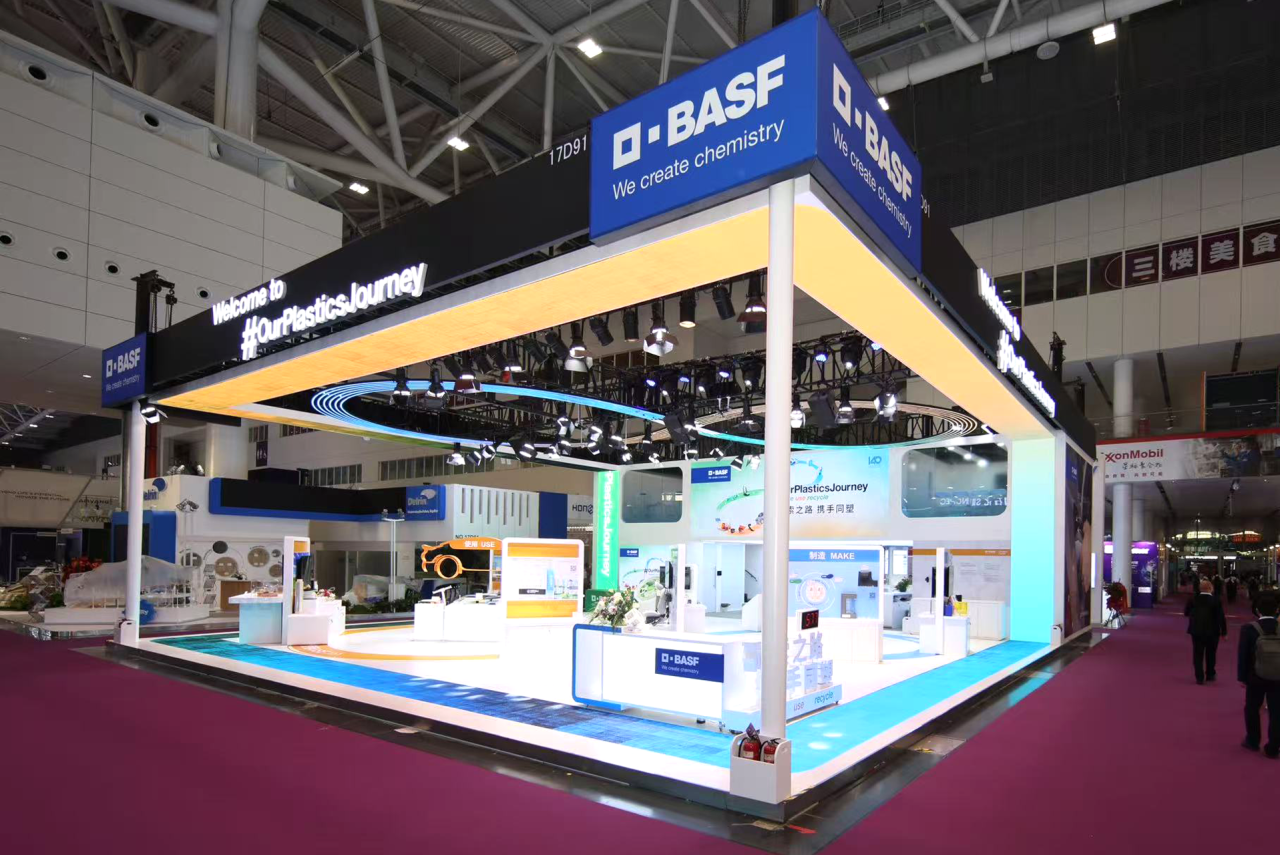
Core Viewpoint - BASF is focusing on the gradual realization of waste material recycling through quality balance methods, emphasizing the importance of collaboration across the supply chain and strict government regulation [1][3]. Group 1: Sustainable Development and Innovation - BASF aims to showcase its efforts and achievements in sustainability and green environment at the CHINAPLAS 2025 exhibition, highlighting the commercialization of plastic waste recycling in downstream products through co-creation with customers [1]. - The company's notable exhibits include safety shoes developed in collaboration with KPR and a new automotive connector created with TE Connectivity, marking a transition from technical validation to formal commercialization of material recycling [1]. Group 2: Challenges in Recycling Technology - Despite the technical feasibility of various recycling paths, the commercial viability remains a challenge due to limited upstream suppliers and insufficient material supply, leading to high costs and narrow choices for recycled materials [3]. - The lack of effective waste sorting and classification upstream complicates the recycling capacity, necessitating collaboration across the entire industry chain and ecosystem for effective waste material recycling [3]. Group 3: Government Regulation and Economic Opportunities - Many countries have implemented Extended Producer Responsibility (EPR) systems, which extend producers' environmental responsibilities throughout the product lifecycle, including design, circulation, consumption, recycling, and waste disposal [3]. - China's 14th Five-Year Plan for Circular Economy Development aims for a resource recycling industry output value of 5 trillion yuan by 2025, indicating significant economic opportunities in resource recycling [3]. Group 4: National Initiatives and Market Trends - The establishment of the China Resource Recycling Group, with a registered capital of 100 billion yuan, marks a new phase in the domestic circular economy, integrating resources from major state-owned enterprises [4]. - By 2030, the domestic resource recycling industry scale is expected to approach 10 trillion yuan, reflecting the evolution of the circular economy from mere recycling to a high-tech, high-quality new industry [4]. Group 5: Focus on Automotive and Renewable Energy Sectors - BASF's investment strategy in China is primarily directed towards the automotive and renewable energy sectors, with the automotive industry representing nearly half of its specialty materials business [5]. - The shift towards electric vehicles is evident, as BASF's material supply is increasingly directed towards new energy vehicles, aligning with China's accelerated construction of a new power system [5].

回收的废旧手机去了哪里?如何变废为宝?一文了解
Yang Shi Xin Wen· 2025-04-28 15:51
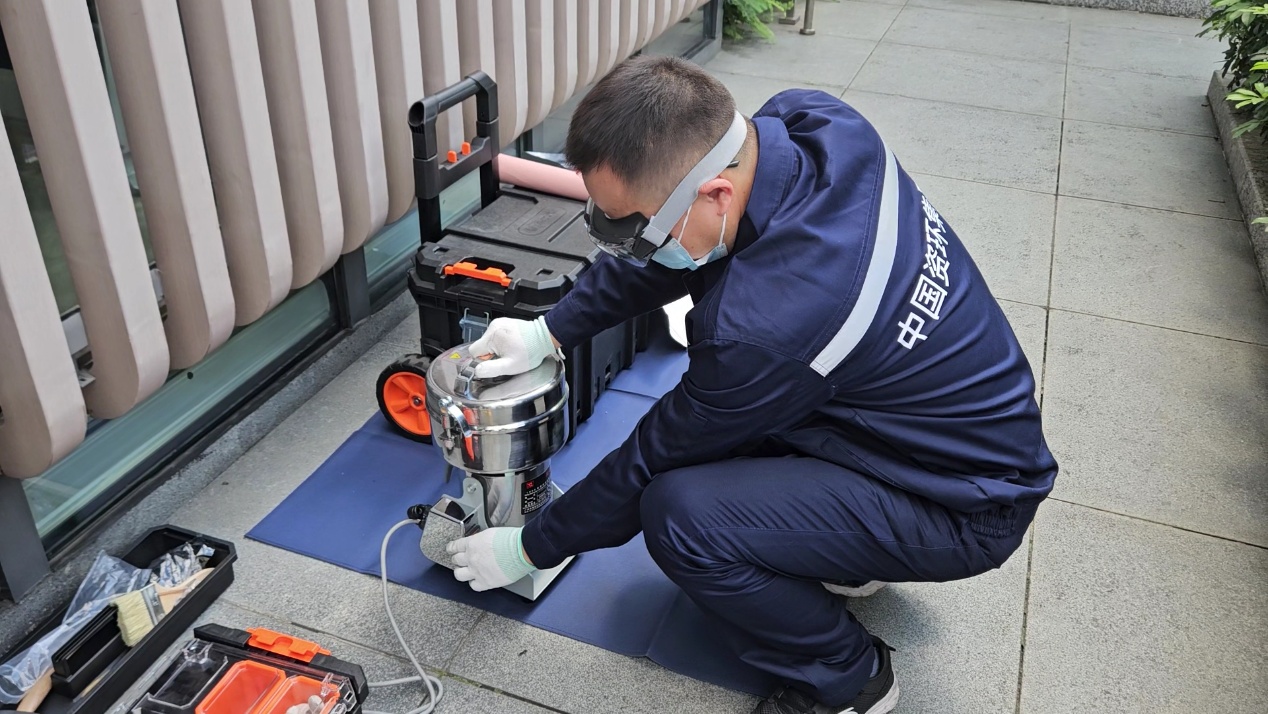
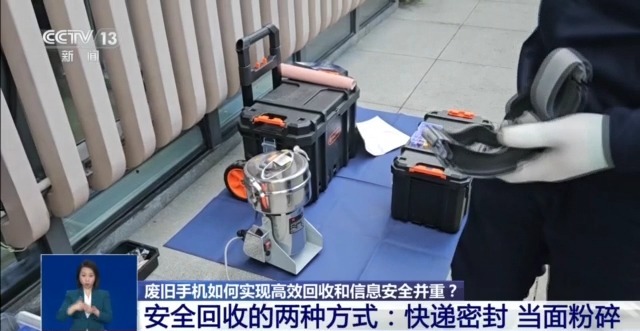
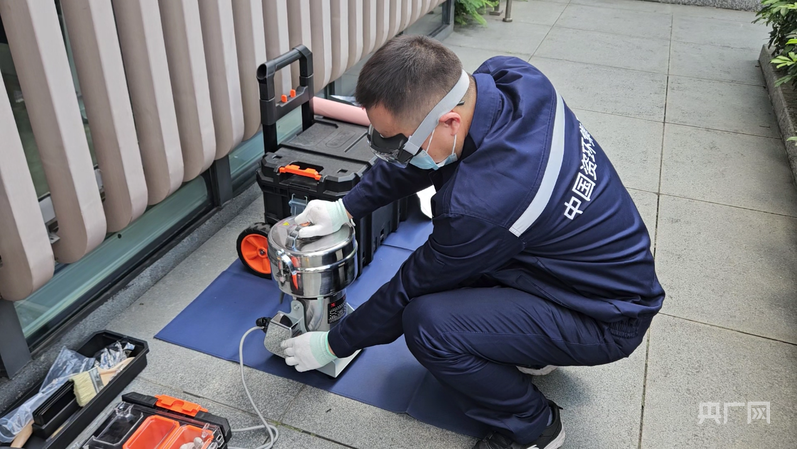
Core Insights - The market for recycling and processing discarded electronic products in China is expected to exceed 150 billion yuan in 2024, with a significant focus on the recycling of old mobile phones due to rapid technological upgrades and concerns over information security [1] - The total number of idle mobile phones in China is projected to reach 6 billion during the 14th Five-Year Plan period, with information security concerns being a major barrier to recycling [1] Group 1: Recycling Process - A citizen in Shenzhen utilized the "Chip Shredder" app to arrange for the collection of old mobile phones, highlighting the convenience of on-site recycling services [3] - The recycling service offers two methods for ensuring data security: free shipping of phones in sealed packaging for destruction at a facility, or an on-site destruction service for a fee [5][18] - The phones are processed using a 2000-watt shredder, which reduces them to small fragments while minimizing environmental pollution [7] Group 2: Processing and Recovery - The China Resource Recycling Group has established a national platform for safe recycling and processing of mobile phones, with a demonstration project launched in Shantou, Guangdong [8] - Recycled phones are sent to a processing facility where they are disassembled, and components are sorted for further processing [10] - The shredded materials are melted at high temperatures to extract valuable metals, resulting in copper ingots that contain gold, silver, and palladium [14] Group 3: Economic Aspects - The processing of one ton of mobile circuit boards can yield copper ingots valued at approximately 360,000 yuan, translating to about 7 yuan per individual phone [19] - Users can choose free recycling options or pay for enhanced security measures, but currently, they do not receive cash benefits from the recycling process due to associated logistics and processing costs [18][19] - The China Resource Recycling Group aims to create an integrated recycling chain that addresses the challenges of electronic waste management [19]
中国改革现场 | 打通废旧手机回收再利用全链条 “国家队”出手 怎样从电子产品循环经济中收获双赢?
Yang Guang Wang· 2025-04-28 07:22
Core Viewpoint - The rapid turnover of electronic products, particularly mobile phones, has led to a significant amount of idle devices in China, with concerns over data security hindering recycling efforts [1][4]. Group 1: Recycling Process - China Resource Recycling Group has launched a mobile phone recycling service that ensures data security through sealed logistics and video-recorded disassembly [1][3]. - Users can choose between sending their phones via secure packaging or having them destroyed on-site, with the latter option costing 100 yuan [1][2]. - The recycling process includes crushing the phone's mainboard and melting it at high temperatures to recover precious metals like gold, silver, and palladium [5][6]. Group 2: Economic Impact - The recycling of mobile phones can yield significant economic benefits, with one ton of circuit boards potentially generating a market value of approximately 360,000 yuan [11]. - The copper ingots produced from the recycling process weigh between 500 to 600 kilograms and can be sold for 80,000 to 100,000 yuan, containing about 50 to 100 grams of gold and ten times that amount in silver [5][11]. - The processing fee for recycling is 2,600 yuan per ton, which is competitive compared to other facilities that charge around 1,000 yuan [5]. Group 3: Environmental and Social Benefits - The establishment of the recycling facility in Guiyu has transformed the local environment, improving air quality and restoring the local ecosystem [7][10]. - The initiative aims to create a comprehensive electronic waste recycling system that addresses the challenges of resource recovery and environmental protection [11].
上城央企总部招引实现新突破
Hang Zhou Ri Bao· 2025-04-28 01:52
Group 1 - The establishment of China Resource Recycling Group's non-ferrous metal investment company in Hangzhou marks a significant step in promoting the circular economy in the Yangtze River Delta region [1][2] - The company aims to build a collaborative and symbiotic business system for non-ferrous metal recycling, focusing on technological innovation and digital transformation [2] - The project was completed in just 9 days, highlighting the efficient business environment in Hangzhou, supported by a multi-level coordination mechanism [2] Group 2 - Hangzhou possesses a strong advantage in developing the circular economy, with the largest steel supply chain service matrix in the country and influential industrial ecosystems in energy, chemicals, and non-ferrous metals [3] - The city is accelerating the creation of a "bulk commodity investment and trade service innovation center," with a projected trading volume of 1.4 trillion yuan in 2024 [3] - The new company will enhance cooperation between central and local governments, as well as between enterprises, to promote the construction of regional circular economy parks and industrial ecosystems [3]
中国资源循环集团有色金属投资有限公司揭牌成立
Jing Ji Wang· 2025-04-27 09:36
Core Viewpoint - The establishment of China Resource Recycling Group Nonferrous Metal Investment Co., Ltd. in Hangzhou marks a significant step in the development of nonferrous metal recycling and utilization, enhancing the resource recycling industry layout in China [1][2] Group 1: Company Establishment and Objectives - The new company aims to ensure the safety and stability of the national nonferrous metal strategic resource industry chain and supply chain, aligning with national policies [1] - The company will integrate with Zhejiang's green and innovative development advantages to enhance the scale and efficiency of recycled nonferrous resource recovery [1] - The company is set to create a national-level platform for recycled metal circular utilization, supporting the integrated development of the Yangtze River Delta [1] Group 2: Business Model and Strategy - The company is constructing a "1+2+N+X" collaborative business system for nonferrous metal recycling and utilization, focusing on technological innovation and digital transformation [1] - The foundational business will be based on copper and aluminum, while also exploring new avenues in precious metals and strategic metal reserves [1] - The company aims to establish a nationwide resource-intensive layout and regional synergy advantages through a collaborative network [1] Group 3: Innovation and Industry Transformation - The company will take on the primary responsibility for integrating the national nonferrous metal resource recycling industry, promoting technological, management, and business model innovations [2] - The focus will be on enhancing core competitiveness and streamlining the entire nonferrous metal industry chain towards high-end, intelligent, and green development [2] - The company plans to build a circular economy model that addresses resource shortages and industry fragmentation in China's nonferrous metal sector, aspiring to become a leading domestic and internationally recognized enterprise in nonferrous metal recycling [2]
央企总部外迁序幕
投资界· 2025-01-08 01:40
以下文章来源于国民经略 ,作者凯风 国民经略 . 在这里,读懂中国经济、城市和楼市 央企总部争夺战。 作者 | 凯风 来源 | 国民经略 (ID:guominjinglve) 企业总部,历来是城市必争之地。 短短两个月,我国新设立2家"国"字号央企,总部都不在北京。 日前,一家新的央企—— 中国数联物流 在 上海 正式揭牌设立,成为我国首家数据科技央企,也是我国第99家由国资委监管的产业 类央企。 无独有偶,今年10月, 中国资源循环集团 在 天津 正式成立,系全国首家以循环经济为主营业务的一级央企总部,终结了天津没有 央企总部的历史。 | 又一新央企成立,首家数据科 | 中国资源循环集团有限公司正 | | --- | --- | | 技央企在沪揭牌 | 式挂牌成立 | | 央视新闻客户端 2024-12-19 10:00:11 浏览量1014259 | 央视新闻客户端 2024-10-18 14:13:14 浏览量2490095 | | 记者今天(19日)从国务院国资委获 | 今天(10月18日),中国资源循环集团有 | | 悉,一家新的中央企业--中国数联物流 | 限公司在天津正式挂牌成立。 | | 信息 ...