Vivo

Search documents
What’s holding back Indian brands from going global?
MINT· 2025-11-10 00:30
Core Perspective - The article discusses the perceived lack of global consumer brands from India, attributing this to a lack of ambition among Indian entrepreneurs and systemic issues within the business environment [2][4]. Group 1: Entrepreneurial Attitudes - Indian entrepreneurs are criticized for being risk-averse and lacking ambition, which has hindered the creation of globally recognized brands [2][3]. - Corporate leaders like Uday Kotak and Harsh Goenka highlight the tendency of Indian entrepreneurs to rely on the domestic market and avoid investing in R&D and branding [3][4]. Group 2: Market Competition - The absence of Indian brands in global consumer goods is partly due to the dominance of established international brands like Unilever and P&G, which have extensive resources and market presence [7]. - Historical Indian brands like Onida and BPL struggled to compete against larger global companies that had already established significant market reach [8]. Group 3: Trust and Quality - Global brands have built consumer trust through consistent product quality, which is a critical factor for success in international markets [9]. - The article suggests that the cultural environment and governance models play a role in fostering these intangible attributes [9]. Group 4: Systemic Challenges - Eric Schmidt's insights indicate that India's potential to innovate is limited by regulatory and systemic issues rather than a lack of talent among entrepreneurs [10][11]. - The article emphasizes the need for a strategic political vision to support entrepreneurial growth, similar to the development seen in South Korea and China [13]. Group 5: Collaborative Efforts - A successful entrepreneurial ecosystem requires collaboration between ambitious entrepreneurs and supportive government policies to address issues like labor laws and bureaucratic hurdles [14]. - The article concludes that a meaningful engagement among all stakeholders is essential for improving Brand India on the global stage [14][15].



Arm plc(ARM) - 2026 Q2 - Earnings Call Transcript
2025-11-05 23:02
Financial Data and Key Metrics Changes - The company reported revenue of $1.14 billion for Q2, representing a 34% year-on-year increase, marking the third consecutive billion-dollar quarter [4][11] - Royalty revenue reached a record $620 million, up 21% year-on-year, driven by growth across all major markets [4][11] - Licensing revenue increased by 56% to $515 million, reflecting strong demand for next-generation architectures [4][13] - Non-GAAP operating income was $467 million, up 43% year-on-year, resulting in a non-GAAP operating margin of 41.1% [15] - Non-GAAP EPS was $0.39, exceeding the midpoint of guidance by 6 cents [15] Business Line Data and Key Metrics Changes - Royalty revenue from smartphones grew significantly faster than the market, driven by higher royalty rates per chip [12] - Data center royalties doubled year-on-year due to the deployment of Arm-based chips by hyperscaler companies [12] - The company signed three new compute subsystem (CSS) licenses, bringing the total to 19 across 11 companies, indicating strong demand for CSS [7][14] Market Data and Key Metrics Changes - The company noted unprecedented compute demand, particularly in data centers, where Neoverse royalties more than doubled year-on-year [4][21] - The automotive sector saw advancements with Arm's technologies, including Tesla's next-generation AI chip delivering up to 40x faster AI performance [9] - The software developer ecosystem has grown to over 22 million, representing over 80% of the world's developer base, which is a significant growth engine for the company [9] Company Strategy and Development Direction - The company announced a strategic partnership with Meta to enhance AI efficiency across various compute layers [6] - There is a focus on expanding into additional compute subsystems, chiplets, or complex SOCs to capture growing AI opportunities [10] - The company is committed to investing aggressively in R&D to support customer demand and innovation in next-generation architectures [10][16] Management's Comments on Operating Environment and Future Outlook - Management highlighted that power has become a bottleneck in data centers, emphasizing the efficiency of Arm's compute platform [20] - The demand for compute is expected to grow, particularly as AI workloads transition from cloud to edge devices [61] - The company remains optimistic about long-term growth, driven by the increasing demand for efficient compute solutions [16][71] Other Important Information - The company is exploring the acquisition of DreamBig Semiconductor to enhance its offerings in high-speed communications technology [24] - The relationship with SoftBank and its partners is seen as a significant opportunity for technology integration in data center solutions [27] Q&A Session Summary Question: AI opportunity and data center deals - Management expressed confidence in Arm's strategic positioning in the AI market, noting that power efficiency is a key advantage [20][21] Question: Acquisition of DreamBig Semiconductor - The acquisition is aimed at enhancing Arm's capabilities in Ethernet and RDMA controllers, crucial for data center networking [24] Question: Related party revenue and SoftBank relationship - Management indicated a significant increase in related party revenue, with a strong partnership with SoftBank providing opportunities for technology integration [26][36] Question: Operating expenses and future product announcements - Management stated that details on new products will be shared once certain milestones are achieved, emphasizing careful management of operating expenses [30][32] Question: SoftBank contribution and licensing pipeline - Management noted a $52 million increase in SoftBank-related revenue, with confidence in the licensing pipeline for the remainder of the year [36][66] Question: Revenue opportunity from Stargate and Lumex CSS - Management highlighted strong demand for compute and early royalty revenues from Lumex CSS, indicating faster adoption than expected [44][46] Question: Growth in data center royalty revenues - Management confirmed that the mix of royalty revenues from cloud and networking is expected to increase, potentially reaching 15-20% [52][53] Question: Chip demand and inference world implications - Management anticipates a shift from cloud-based training to edge-based inference, which will drive demand for Arm's solutions [60][61] Question: Performance in China - Management reported strong demand in China, with licensing being a significant driver of revenue growth in the region [65][66]

Arm plc(ARM) - 2026 Q2 - Earnings Call Transcript
2025-11-05 23:00
Financial Data and Key Metrics Changes - Revenue for Q2 2026 reached $1.14 billion, up 34% year-on-year, marking the best second quarter ever and the third consecutive billion-dollar quarter [5][11] - Royalty revenue hit a record $620 million, up 21% year-on-year, driven by growth across all major markets [5][12] - Licensing revenue increased by 56% to $515 million, reflecting strong demand for next-generation architectures [5][12] - Non-GAAP operating income was $467 million, up 43% year-on-year, resulting in a non-GAAP operating margin of 41.1% [15][11] - Non-GAAP EPS was $0.39, exceeding the midpoint of guidance by 6 cents [15][11] Business Line Data and Key Metrics Changes - Royalty revenue from smartphones grew significantly, driven by higher royalty rates per chip, while data center royalties doubled year-on-year due to the deployment of Arm-based chips by hyperscaler companies [12][5] - The addition of five new CSS licenses brought the total to 19 across 11 companies, indicating strong demand for compute subsystems [8][12] - CSS has become a starting point for customers building next-generation silicon, with significant interest in the newly launched Lumix CSS platform [9][12] Market Data and Key Metrics Changes - The data center market saw unprecedented compute demand, with Arm's neoverse royalties more than doubling year-on-year [5][20] - China accounted for approximately 22% of sales in Q2, with strong demand driven by licensing deals [67][68] - The mix of royalty revenues from cloud and networking is expected to increase, potentially reaching 15-20% of total royalty revenues [52][55] Company Strategy and Development Direction - The company announced a strategic partnership with Meta to enhance AI efficiency across various compute layers [6][5] - Continued investment in R&D is prioritized to meet the increasing demand for Arm technology, particularly in AI and edge computing [11][15] - The company is exploring opportunities to expand beyond its current platform into additional compute subsystems, chiplets, or complex SOCs [10][11] Management's Comments on Operating Environment and Future Outlook - Management highlighted that power has become a bottleneck in data centers, driving the need for more efficient compute platforms [19][20] - The demand for compute is expected to grow as AI workloads transition from cloud to edge devices, presenting significant opportunities for Arm [63][64] - The company remains confident in its long-term growth trajectory and strategy to enable AI everywhere [16][11] Other Important Information - Non-GAAP operating expenses were $648 million, up 31% year-on-year, reflecting strong R&D investment [15][11] - The company signed a deal to acquire Dream Big Semiconductor, which will enhance its offerings in high-speed communications [24][11] Q&A Session Summary Question: AI opportunity and data center deals - Management expressed confidence in Arm's strategic positioning for AI deals, noting that power efficiency is critical and Arm's technology is about 50% more efficient than competitors [19][20] Question: Acquisition of Dream Big Semiconductor - The acquisition aims to enhance Arm's capabilities in scale-up and scale-out networking, which is crucial for data center demands [24][11] Question: Related party revenue and SoftBank relationship - Management indicated a significant increase in related party revenue, with ongoing collaboration with SoftBank providing opportunities for technology integration in data centers [26][27] Question: OPEX and go-to-market strategies - Management acknowledged the increase in OPEX but emphasized that revenue growth is outpacing OPEX increases, ensuring a balanced approach to investment [30][31] Question: SoftBank contribution and licensing pipeline - The contribution from SoftBank was approximately $178 million, with a strong licensing pipeline expected for the remainder of the year [36][37] Question: Revenue opportunity from Stargate - Management noted that the demand for compute has grown since the Stargate announcement, with expectations for significant revenue opportunities in the coming years [44][45] Question: Lumix CSS royalty revenues - Early royalty revenues from Lumix CSS were reported, indicating faster-than-expected adoption due to existing partnerships [46][47] Question: Chip demand and implications for Arm - Management highlighted the shift from cloud to edge computing, with increasing demand for Arm's scalable solutions for AI workloads [63][64] Question: Performance in China - Strong demand in China was attributed to significant licensing deals, with licensing being a larger driver than royalties this quarter [67][68]
Qualcomm(QCOM) - 2025 Q4 - Earnings Call Transcript
2025-11-05 22:47
Financial Data and Key Metrics Changes - In Fiscal Q4, the company reported revenues of $11.3 billion and Non-GAAP earnings per share of $3, both exceeding the high end of guidance [4] - Fiscal 2025 Non-GAAP revenues reached $44 billion, up 13% year-over-year, with record QCT annual revenues of $38.4 billion, reflecting a 16% year-over-year increase [4][16] - The company generated record free cash flow of $12.8 billion and returned nearly 100% to stockholders through repurchases and dividends [16] Business Line Data and Key Metrics Changes - QCT revenues were $9.8 billion, up 9% sequentially, driven by strong demand for Snapdragon-powered premium-tier Android handsets and automotive solutions [4][14] - QCT handset revenues increased by 14% year-over-year to $7 billion, reflecting increased demand for premium Android handsets powered by the Snapdragon 8 Elite Gen 5 platform [14] - QCT IoT revenues grew 7% year-over-year to $1.8 billion, driven by strength across industrial and networking products [15] - Automotive revenues surpassed $1 billion for the first time in a quarter, delivering 17% year-over-year growth [15] Market Data and Key Metrics Changes - The company noted strong end customer demand for Snapdragon-powered premium-tier Android handsets and continued traction in automotive and IoT markets [4][5] - The Snapdragon Insiders community has grown to over 20 million members worldwide, indicating increased brand visibility [6] - The company debuted at 39 on the Interbrand Top 100 Global Brands list for 2025, reflecting the strength of the Snapdragon brand [6] Company Strategy and Development Direction - The company is focused on expanding its presence in the data center market, with plans to provide updates on its roadmap and performance in early 2026 [12][34] - The company aims to achieve its $22 billion fiscal 2029 revenue target across automotive and IoT, with significant growth expected in both sectors [18][19] - The company is pursuing opportunities in AI, robotics, and next-generation ADAS, positioning itself as a leader in edge AI solutions [12][19] Management's Comments on Operating Environment and Future Outlook - Management expressed confidence in achieving long-term revenue commitments and highlighted the strong performance in fiscal 2025 [5][16] - The company anticipates a strong first fiscal quarter with revenues expected in the range of $11.8 billion to $12.6 billion [17] - Management acknowledged potential challenges in the handset market but emphasized the ongoing momentum in the premium tier segment [30][38] Other Important Information - The company completed its acquisition of Arduino, enhancing its IoT development ecosystem [10] - A non-cash charge of $5.7 billion was recorded in Q4 due to the enactment of new tax legislation, impacting GAAP results but excluded from Non-GAAP metrics [15] Q&A Session Summary Question: Insights on the data center business and AI200/250 specs - Management highlighted the competitive, power-efficient CPU as a strategic asset for data centers and expressed excitement about the upcoming AI200 and AI250 products [25][26] Question: Concerns about share with primary Android customer - Management reassured that the Snapdragon premium tier continues to expand, maintaining a strong relationship with Samsung and projecting a baseline share of 75% for future models [30][31] Question: Revenue implications for Humane engagement - Management indicated that data center products are expected to start generating material revenue in fiscal 2027, with the Humane engagement potentially accelerating this timeline [34] Question: Handset market outlook and share changes - Management noted strong business momentum and expected low teens sequential revenue growth in the handset segment, primarily driven by Android premium tier shipments [38][41] Question: Update on negotiations with Huawei for a license - Management stated that discussions with Huawei are ongoing, with no substantive updates available at this time [42] Question: Insights on Snapdragon Android strength in September and December - Management confirmed that the growth in handsets was primarily driven by the premium tier and positive consumer reactions to new device launches [46]

复旦硕士创业,拿下创纪录4亿融资:打破日企20年垄断、年增速600% |36氪首发
3 6 Ke· 2025-11-05 01:24
Financing Information - Zhejiang Zhongling Technology Co., Ltd. has recently completed a C-round financing of over 400 million RMB, marking the largest single financing round in the domestic FMM industry [1] - The leading investor is Shenzhen Capital Group, with participation from China Jianyin Investment, Yida Capital, Guangdong Science and Technology Finance, and others [1] - 50% of the funds will be used for R&D, 30% for G8.6 generation FMM capacity expansion and overseas market layout, and 20% for working capital and IPO reserves [1] Company Overview - Established in September 2020, the company is located in Haining, Zhejiang Province [1] - The company is the only domestic entity capable of mass production of 20μm FMM products, with a 100% domestic supply chain for Invar materials [2] Market Potential - The global FMM market is nearly 10 billion RMB, with over 90% of the market share historically dominated by Japanese company DNP [5] - The shift towards larger OLED displays in products like tablets and laptops presents significant opportunities for domestic FMM production [5] Company Performance - Revenue has grown from millions in 2022 to several hundred million in 2023, with projections to exceed 1 billion in 2024 and double by 2025, indicating an average growth rate of nearly 600% [6] - The company holds over 60% of the domestic FMM market share and has validated its products with major AMOLED panel manufacturers [6] Technical Capabilities - The core team consists of experienced professionals from leading semiconductor panel manufacturers, covering the entire supply chain from Invar material development to mass production testing [7] - The company has achieved mass production of 20μm FMM, supporting flagship products like the Xiaomi 17 Pro Max [4] Strategic Goals - The company aims to launch an 18μm ultra-thin FMM product by 2026, with a commitment to continuous product iteration [14] - Plans to capture over 50% of the domestic FMM market and expand into international markets starting in 2025 [14] New Business Development - The company is exploring new business opportunities in the semiconductor and renewable energy sectors, particularly in the printing materials for photovoltaic cells [15] Investment Perspective - Deep Venture Capital views Zhongling Technology as a key player in breaking the long-standing Japanese monopoly in the OLED FMM market, highlighting its potential for future growth and technological advancement [17]


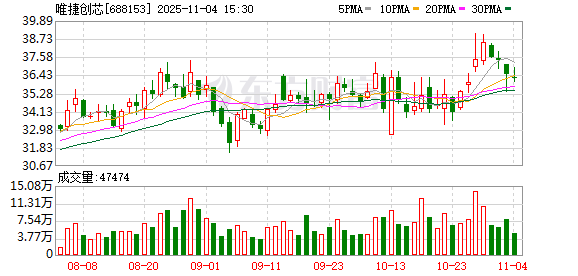
唯捷创芯:公司正与多家头部品牌客户推进后续机型导入
Zheng Quan Ri Bao· 2025-11-04 13:08
Core Viewpoint - Weijie Chuangxin's Phase7LEPlus module is the first domestic L-PAMiD product validated by MediaTek's Dimensity 9500 platform, showcasing industry-leading technical specifications and performance [2] Group 1: Product Development - The Phase7LEPlus module features higher output power and longer battery life in key frequency bands, positioning it as a leading product in the industry [2] - The module has already been shipped in bulk, with the Vivo X300 Pro model launched in October, receiving positive feedback from the market [2] Group 2: Market Engagement - The company is actively collaborating with several leading brand clients to introduce subsequent models, indicating strong market interest and potential for future growth [2]

Vivo X300 Pro, X300 India launch soon: Check price, date, features, specifications, camera and other details
DNA India· 2025-11-01 07:46
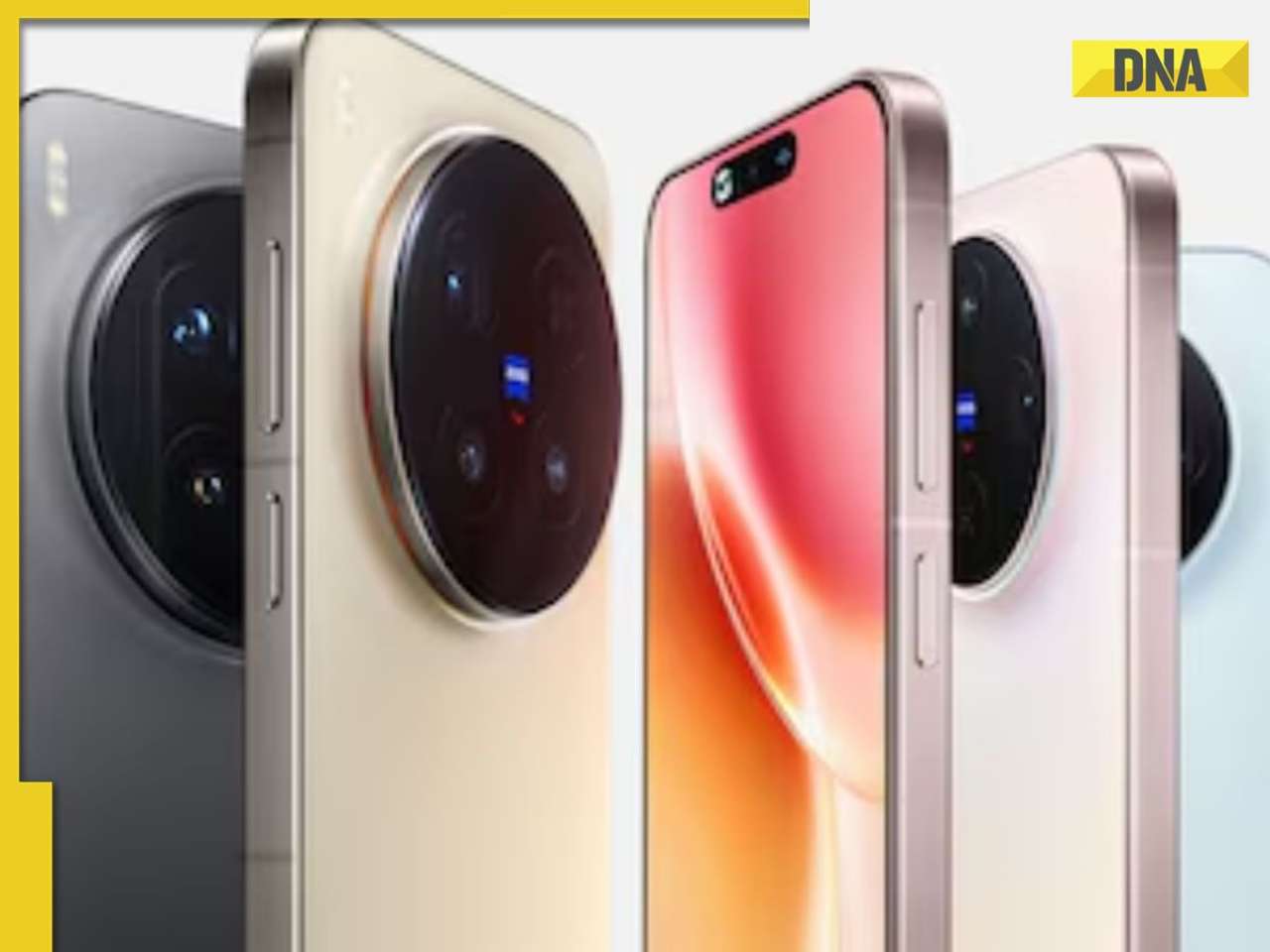
Core Insights - Vivo is preparing to launch its X300 series in India in early December 2025, featuring significant upgrades in display, camera, and performance [1][2][3] Launch Timeline - The Vivo X300 series is expected to debut in the first week of December 2025, with availability through Vivo's official e-store, Flipkart, and other major retail outlets [3] Design and Build - The X300 series will retain the signature circular Zeiss-branded camera module, with the X300 likely available in Halo Pink and Phantom Black, while the X300 Pro may launch in Dune Brown and Phantom Black [4] Display and Performance - The X300 Pro is anticipated to feature a 6.78-inch 1.5K BOE Q10+ LTPO OLED flat display with a 120Hz refresh rate, while the standard X300 is expected to have a slightly smaller 6.31-inch display with similar specifications [5] - Both models will be powered by MediaTek's Dimensity 9500 chipset and LPDDR5X RAM for enhanced performance and power efficiency [5][6] Battery Specifications - The X300 Pro is expected to have a 5,440mAh battery, while the X300 will feature a 5,360mAh battery, both supporting 90W wired and 40W wireless fast charging [6] Camera Specifications - The X300 Pro may include a 50MP Sony LYT-828 main sensor, a 50MP ultra-wide Samsung JN1 lens, and a 200MP periscope telephoto sensor, while the standard X300 might feature a 200MP Samsung HPB primary lens and a 50MP ultra-wide camera [7][8] - Both devices are expected to utilize Zeiss imaging technology, with the Pro model incorporating Vivo's V3+ and Vs1 imaging chips, and a 50MP front camera for selfies [8] Expected Pricing - The Vivo X300 is anticipated to be priced around Rs 69,999, while the X300 Pro may cost approximately Rs 99,999 in India, though these prices are not yet officially confirmed [9]

IDCC Set to Report Q3 Results: Will Revenue Growth Boost Earnings?
ZACKS· 2025-10-27 19:11
Core Insights - InterDigital, Inc. (IDCC) is expected to report third-quarter 2025 results on October 30, with adjusted earnings of $6.52 per share in the last quarter [1] - The company is projected to experience revenue growth year over year, driven by strong demand in the smartphone market, holding licenses for 85% of the global smartphone market [1] Factors at Play - InterDigital is actively pursuing agreements with unlicensed customers in the handset and consumer electronics sectors, aiming to be a leading designer and developer in mobile technology and IoT [2] - The company has secured a new patent license agreement with Samsung Electronics and a leading Chinese smartphone vendor, now licensing 8 out of the 10 major smartphone players [3] Patent Portfolio and Innovation - InterDigital boasts a portfolio of over 33,000 granted patents and applications, enhancing its presence in consumer electronics and IoT markets [4] - The company is focusing on AI applications for wireless and video technology and collaborating with major academic institutions to accelerate 6G research [4] Overall Expectations - Total recurring revenues are estimated at $139.3 million, reflecting an 8.1% year-over-year growth, with the Zacks Consensus Estimate for revenues at $145 million for the September quarter [5] - The consensus estimate for adjusted earnings per share is $1.79, indicating growth from the previous year's $1.63 [5] Earnings Whispers - The current model does not predict an earnings beat for InterDigital, with an Earnings ESP of 0.00% and both estimates at $2.05 per share [6][7] - InterDigital holds a Zacks Rank of 1, indicating a strong buy [7] Stocks to Consider - InterDigital's new patent agreements with Samsung and a major Chinese vendor enhance its market reach in the smartphone sector [8] - The company's strong patent portfolio and innovation efforts support growth in IoT and AI segments [8]


4 Top-Ranked Technology Stocks Set to Beat Q3 Earnings Expectations
ZACKS· 2025-10-24 18:46
Industry Overview - The technology sector is experiencing strong growth driven by the adoption of Artificial Intelligence (AI), Generative AI (GenAI), and Agentic AI, alongside the digitalization wave fueled by AI and cloud computing [1] - There is a rising demand for high-bandwidth and low-latency networks (5G), as well as hardware components such as GPUs, AI accelerators, memory chips, and data center infrastructure [1][3] Earnings Outlook - Several technology stocks are expected to report quarterly results soon, with a focus on four companies: Meta Platforms (META), Reddit (RDDT), InterDigital (IDCC), and AMETEK (AME), which are well-positioned to exceed earnings estimates [2] - Meta Platforms anticipates third-quarter 2025 ad revenues of $48.5 billion, reflecting a 21.6% year-over-year growth, with earnings expected at $6.60 per share, indicating a 9.45% increase from the previous year [10][11] - Reddit projects revenues between $535 million and $545 million for the third quarter of 2025, suggesting a 57.8% year-over-year growth, with earnings expected at 52 cents per share, representing a 225% increase from the prior year [14] - InterDigital expects third-quarter earnings between $1.52 and $1.72 per share, with a consensus estimate of $1.79 per share, indicating a 9.8% growth year-over-year [16][17] - AMETEK forecasts mid-single-digit percentage growth in overall sales year-over-year, with adjusted earnings expected between $1.72 and $1.76 per share, reflecting a 4-6% increase from the previous year [19] Investment Trends - The demand for data center capacity is increasing due to escalating AI needs, prompting major cloud providers like Amazon, Alphabet, Microsoft, and Meta Platforms to invest significantly in AI-related infrastructure [4] - The semiconductor industry is witnessing robust growth, with semiconductor sales reaching $64.9 billion in August 2025, a 21.7% increase year-over-year [5] - The PC segment also saw growth, with IDC estimating 75.8 million units sold in the third quarter of 2025, up 9.4% year-over-year [6]



Vivo X200 Ultra vs Sony A7RV: The computing king battles the optical giant in a telephoto
Medium· 2025-10-23 05:14
Core Viewpoint - The evolution of smartphone photography has reached a critical juncture, showcasing a competition between advanced computational capabilities of smartphones and the optical superiority of professional camera systems [1][2]. Hardware and Cost Comparison - The professional camera features a 61-megapixel full-frame sensor capable of capturing extensive RAW data, while the smartphone utilizes a 200-megapixel telephoto sensor that is significantly smaller and captures processed JPEG files, highlighting a fundamental difference in hardware and philosophy [4]. Telephoto Capabilities - In a test of extreme reach, the professional camera achieved a maximum optical reach of 280mm, producing clearer images with better detail, while the smartphone utilized computational photography to reach an equivalent focal length of 5400mm, demonstrating remarkable performance despite the majority of the image being algorithmically generated [6][7]. Portrait and Detail Performance - The professional camera excelled in producing realistic images with better contrast and bokeh in portrait settings, while the smartphone's algorithms provided a crisper image at higher zoom levels, despite some pixelation issues [8][10]. Low-Light and Video Performance - In low-light video scenarios, the professional camera outperformed the smartphone, producing higher quality and more vivid footage, although under normal conditions, the final image quality was similar when cropped to match the smartphone's capabilities [11][12]. Usability Assessment - The professional camera system is bulky and requires multiple lenses, making it less portable compared to the smartphone, which is easily accessible but has ergonomic issues with external lens attachments [13][14]. Conclusion - While the professional camera system offers unmatched quality and depth, the smartphone's capabilities redefine expectations for mobility and extreme zoom, making it a revolutionary option for users prioritizing convenience [15][16].