
Humane

Search documents
AI时代怎么做硬件出海,沈劲谈中国公司:该轮到我们定义品类了
创业邦· 2026-02-15 10:57
Core Viewpoint - The article discusses the evolution of Chinese consumer electronics from a phase of following global leaders to a phase of leading and defining new product categories, particularly in the context of AI and emerging technologies [5][14][36]. Group 1: Transition Phases in Chinese Consumer Electronics - The evolution of Chinese consumer electronics can be categorized into three phases: following, catching up, and leading. The "following" phase involved benchmarking against leaders and offering high cost-performance products, while the "catching up" phase focused on single-point innovations and high-end breakthroughs [10][12]. - The leading phase is characterized by a reconstruction of product paradigms and the discovery of new usage scenarios, with the expectation that 2025 will mark the year when China leads in smart cleaning technology [14][19]. Group 2: New Product Categories and Innovations - The article highlights the emergence of two new product categories: Ambient AI terminals and personal AI supercomputing centers. Ambient AI terminals focus on passive interaction and context establishment, while personal AI supercomputing centers emphasize offline intelligence and privacy protection [21][25]. - OpenAI's upcoming AI hardware is expected to fill specific gaps rather than replace smartphones, aligning with the identified market needs [25]. Group 3: Factors for Successful Category Definition - The ability to define product categories is broken down into five dimensions: trend recognition, scene selection, technology integration, experience closure, and scalability. Chinese companies have made significant progress in these areas, particularly in understanding overseas markets [27][29]. - The article emphasizes the importance of deeply understanding the lifestyles and values of different generations, such as Gen Z and Alpha, to successfully define and market new products [29][32]. Group 4: Historical Context and Future Outlook - The historical context of Chinese companies' evolution in consumer electronics is discussed, noting that past successes were often built on following established leaders. The current environment presents a "definer's dividend," where Chinese companies are positioned to lead in new categories [35][36]. - The article concludes with a call for entrepreneurs to strive for category definition, suggesting that the process of naming and defining new products is collaborative and iterative [42][43].


Qualcomm(QCOM) - 2026 Q1 - Earnings Call Transcript
2026-02-04 22:47
Financial Data and Key Metrics Changes - The company reported record revenues of $12.3 billion and non-GAAP earnings per share (EPS) of $3.50 for fiscal Q1 2026, with non-GAAP EPS at the high end of guidance [6][16] - QCT revenues reached a record $10.6 billion, driven by strong performance in automotive and IoT segments [6][16] - Licensing business revenues were $1.6 billion, with an EBT margin of 77%, reflecting higher units and favorable mix [16] Business Line Data and Key Metrics Changes - QCT handset revenues reached a record $7.8 billion, benefiting from recently launched flagship smartphones [16] - QCT IoT revenues grew 9% year-over-year to $1.7 billion, driven by demand across consumer and networking products [16] - QCT Automotive revenues grew to $1.1 billion, up 15% year-over-year, driven by increased demand for Snapdragon Digital Chassis platforms [17] Market Data and Key Metrics Changes - Global consumer demand for handsets, particularly in the premium and high-tier segments, exceeded expectations, with healthy sell-through observed [6][7] - The handset industry is expected to face constraints due to memory availability and pricing, particularly DRAM, as suppliers redirect capacity to meet AI data center demand [7][18] - The company anticipates that the overall size of the handset market will be defined by memory availability throughout the fiscal year [39][69] Company Strategy and Development Direction - The company is focused on expanding its presence in the premium and high-tier smartphone segments, with a dual flagship product strategy that has been well received [8][42] - The company is investing in AI-native smartphones and intelligent wearables, positioning Snapdragon platforms as the choice for the industry [8][12] - The company aims to strengthen its leadership in automotive and robotics, with multiple design wins and collaborations with major automakers [10][22] Management's Comments on Operating Environment and Future Outlook - Management expressed confidence in the fundamentals of the handset business despite near-term challenges related to memory supply [18][39] - The company expects to return to prior growth trajectories for QCT handset revenues once memory supply conditions normalize [18] - Management remains optimistic about the long-term growth potential in automotive and IoT, with combined growth expected to outpace long-term revenue targets [21][22] Other Important Information - The company returned $3.6 billion to stockholders, including $2.6 billion in stock repurchases and $949 million in dividends [17] - The company completed the acquisition of Alphawave Semi, enhancing its data center solutions [14] Q&A Session Summary Question: What factors are driving the weakness in handset outlook beyond memory pricing? - Management indicated that the weakness is entirely related to memory availability, with strong microeconomic indicators and handset demand observed [26][27] Question: Is the automotive revenue growth driven by ADAS wins? - Management confirmed that the automotive pipeline continues to translate into revenue, with new car launches contributing to record revenues [30] Question: How is the company progressing with data center customers? - Management reported positive progress with customers, including shipping to Humane and engagement with major hyperscalers [34] Question: What is the company's strategy regarding memory shortages? - Management clarified that they do not purchase memory directly but work with customers who do, ensuring flexibility in memory sourcing [67][69] Question: How does the company plan to navigate the memory allocation challenges with larger OEMs? - Management acknowledged that larger OEMs may have better access to memory but emphasized that the issue is industry-wide and not limited to specific customers [73]

Qualcomm(QCOM) - 2026 Q1 - Earnings Call Transcript
2026-02-04 22:45
Financial Data and Key Metrics Changes - The company reported record revenues of $12.3 billion and non-GAAP earnings per share (EPS) of $3.50 for fiscal Q1 2026, with non-GAAP EPS at the high end of guidance [5][17] - QCT revenues reached a record $10.6 billion, with strong year-over-year growth across automotive and IoT segments [17] - Licensing business revenues were $1.6 billion, with an EBT margin of 77%, driven by higher units and favorable mix [17] Business Line Data and Key Metrics Changes - QCT handset revenues reached a record $7.8 billion, benefiting from recently launched flagship smartphones [17] - QCT IoT revenues grew 9% year-over-year to $1.7 billion, driven by demand across consumer and networking products [17] - QCT Automotive revenues grew to $1.1 billion, up 15% year-over-year, reflecting increased demand for Snapdragon Digital Chassis platforms [17] Market Data and Key Metrics Changes - Global consumer demand for handsets, particularly in the premium and high-tier segments, exceeded expectations, with healthy sell-through observed [5] - The handset industry is expected to face constraints due to memory availability and pricing, particularly DRAM, as suppliers redirect capacity to meet AI data center demand [5][6] Company Strategy and Development Direction - The company is focused on expanding its presence in the premium and high-tier smartphone segments, with a dual flagship product strategy that has seen broad OEM adoption [6][7] - The company is also investing in AI-native smartphones and intelligent wearables, positioning Snapdragon platforms as the choice for the industry [7][8] - In automotive, the company aims to reinforce its technology leadership with multiple design wins and collaborations with major automakers [10][11] Management's Comments on Operating Environment and Future Outlook - Management expressed confidence in the fundamentals of the handset business despite near-term challenges related to memory supply and pricing [19] - The company anticipates returning to prior growth trajectories for QCT handset revenues once memory supply normalizes [19] - Management remains optimistic about the long-term growth potential in automotive and IoT, with expectations for continued revenue acceleration [21] Other Important Information - The company completed the acquisition of Alphawave Semi, enhancing its high-speed wire connectivity technologies [15] - The company is actively engaging with leading hyperscalers and cloud service providers to develop data center solutions [14] Q&A Session Summary Question: What factors are driving the weakness in handset outlook beyond memory pricing? - Management indicated that the weakness is entirely related to memory availability, with strong microeconomic indicators and handset demand observed [26][27] Question: Is the automotive revenue growth driven by ADAS wins? - Management confirmed that the automotive pipeline continues to translate into revenue, with new car launches contributing to record revenues [29][30] Question: How is the company managing the memory supply situation? - Management clarified that they do not purchase memory directly but work closely with customers who do, ensuring flexibility with various memory providers [69][70] Question: What is the outlook for the data center business? - Management stated that progress is on track, with positive feedback from engagements with hyperscalers and cloud service providers [35][36] Question: How does the company view the impact of memory shortages on the overall handset market? - Management emphasized that the size of the handset market will be determined by memory availability, with expectations for premium and high-tier segments to remain resilient [40][76]
苹果全新AI硬件曝光:绑定iPhone 19,「借鉴」两年前全网群嘲的AI PIN?
3 6 Ke· 2026-01-23 00:36
iPhone诞生十周年之际,苹果掏出了iPhone X,凭借全面屏的设计,奠定了未来十年智能手机造型的雏形;但下一个十周年,iPhone可能不会是那个爆款, 取而代之的是一款能挂在胸口上的AI设备。 The Information透露,苹果正在秘密研发一款AI设备,整体造型设计类似于Airtag,拥有麦克风、摄像头,能被使用者佩戴在胸口上,定位是全天候的私 人AI助手。从设计到定位,这款AI设备都指向一款曾让世界震惊,却消失得无影无踪的AI PIN。 AI PIN在2023年首次展出,2024年4月开始向订购者发送产品,原计划发售10万台,最终仅售出约1万台。而海外媒体爆料称,AI PIN首批交付的产品里,出 现不少使用问题,退货率高居不下。也就是说,实际上留在用户手里的AI PIN远没有1万台。 由于销量不佳,AI PIN的设计公司Humane在2025年初宣布该产品停止销售,并且公司也进行分拆,部分团队被收入惠普旗下。一台号称能改变未来人们生 活方式的「AI First」产品,不到两年时间就彻底消亡。 卖不动其实并不是AI PIN最大的问题,其实很多初创公司推出的第一代产品往往销售成绩都不怎么样,但还是能 ...

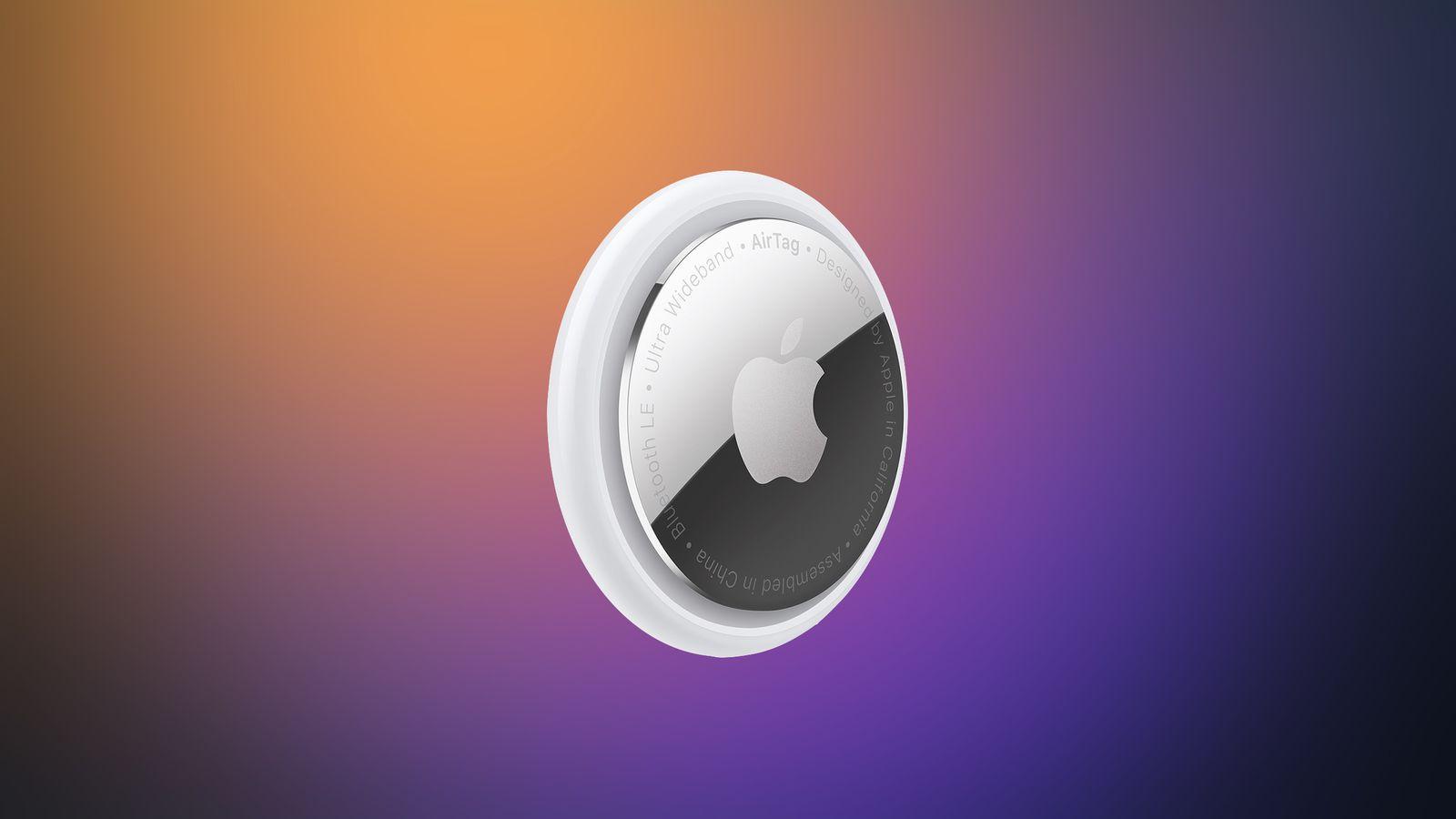
苹果入局AI Pin,或对标OpenAI,能否打破「电子垃圾」魔咒?
机器之心· 2026-01-22 11:00
Core Viewpoint - Apple is reportedly developing an AI-driven wearable "Pin" device, which is still in the early stages of development and may not be released until 2027 [1]. Group 1: Product Specifications - The device is expected to be similar in size to the AirTag, featuring a "thin, flat circular" design made of aluminum and glass. It will include a standard lens and a wide-angle lens for environmental sensing, three microphones, a speaker, a physical button on the side, and support for wireless charging, potentially using a magnetic induction charging interface similar to the Apple Watch [3]. Group 2: Market Context and Competition - The entry of Apple into the hardware AI Pin market could revitalize interest, especially given the previous challenges faced by companies like Humane, which aimed to create a smartphone replacement but faced significant product failures and ultimately was acquired by HP for $116 million [5][10]. - Humane's AI Pin, launched in November 2023 at a price of $699 with a monthly subscription fee of $24, saw disappointing sales of only 10,000 units by summer 2024, far below its target of 100,000 units [7][8]. - The failure of Humane's product was attributed to multiple factors, including immature technology, high development costs, and an exorbitant price point [10]. Group 3: Future Prospects - The AI hardware market is seen as poised for growth, with various AI wearable devices like AI glasses and AI headphones being developed as potential next-generation interaction points [10]. - Apple is reportedly accelerating the development of its AI Pin to compete with OpenAI's upcoming wearable device, which is expected to be launched in the second half of 2026 [10][11]. - OpenAI has hinted at a new hardware device that promises simplicity and ease of use, although specific details remain undisclosed [11].

Apple Reportedly Developing AI-Powered Wearable Pin To Compete With OpenAI - Apple (NASDAQ:AAPL), Alphabet (NASDAQ:GOOG)
Benzinga· 2026-01-22 08:17
Group 1: Apple Inc. Developments - Apple Inc. is reportedly developing a new AI-powered wearable device, potentially launching as early as 2027, to compete with OpenAI's upcoming product set for 2026 [1] - The new wearable is expected to be similar in size to Apple's AirTag and will feature multiple cameras, a speaker, and a microphone, although it is still in early development stages [2] - Apple's recent partnership with Alphabet Inc. to enhance Siri's capabilities using Google's Gemini models indicates a strategic shift in its approach to AI technology [5][6] Group 2: Market Context and Competition - The wearable technology market has proven challenging for new entrants, as evidenced by the struggles of Humane, a startup founded by former Apple employees, which sold fewer than 10,000 units of its AI Pin [3] - OpenAI is advancing its first AI hardware project, codenamed "Gumdrop," which is expected to be released in 2026 or 2027, potentially increasing competition in the AI wearable space [4] - Apple's expansion into AI wearables aligns with its broader push into AI technology, with plans for smart glasses and AI-powered AirPods also reported for 2026 [6] Group 3: Performance Metrics - Benzinga's Edge Rankings place Apple in the 90th percentile for quality and the 65th percentile for momentum, indicating mixed performance [7] - Over the past year, Apple stock has increased by 11.23%, closing at $247.65 after a 0.39% rise on the latest trading day [7]

苹果拟入局AI Pin
3 6 Ke· 2026-01-22 07:30
Group 1 - Apple is developing an AI wearable device called Pin, which resembles a badge or brooch and is expected to be released as early as 2027 [1] - The AI Pin will feature multiple cameras, a speaker, three microphones, a side physical button, and support for magnetic wireless charging, potentially serving as a new AI wearable interface [3] - The pricing of the AI Pin is anticipated to be lower than the Apple Watch, which starts at $249, and it may be bundled with the latest Apple Watch or iPhone [3] Group 2 - The AI hardware market is becoming a competitive space for technology companies, with Apple planning various AI hardware products, including camera-equipped AirPods and AI glasses without display capabilities [7] - Apple's AI initiatives have faced challenges, including delays in Siri upgrades due to quality issues and a recent collaboration with Google to enhance Siri's capabilities [7] - The failure of Humane's AI Pin, which was priced at $699 and required a monthly fee, highlights the difficulties in the AI wearable market, as it ceased operations in February 2025 [4][6]
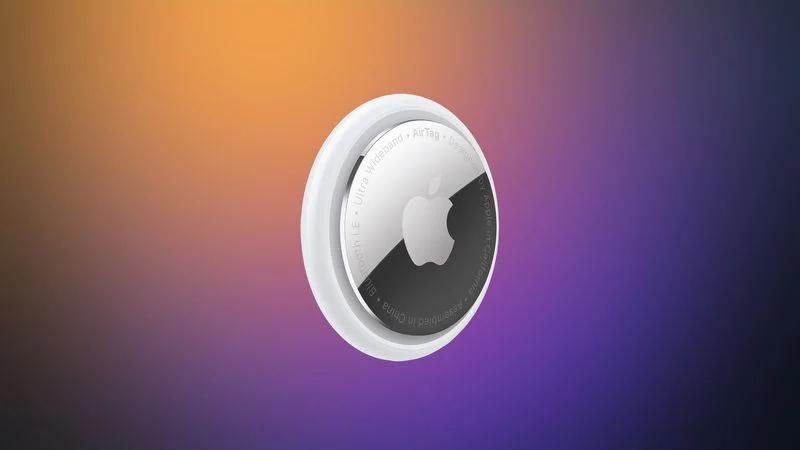
苹果下个爆款可能不是 iPhone,居然「复活」全网群嘲的 Ai Pin,首批 2000 万台
3 6 Ke· 2026-01-22 02:24
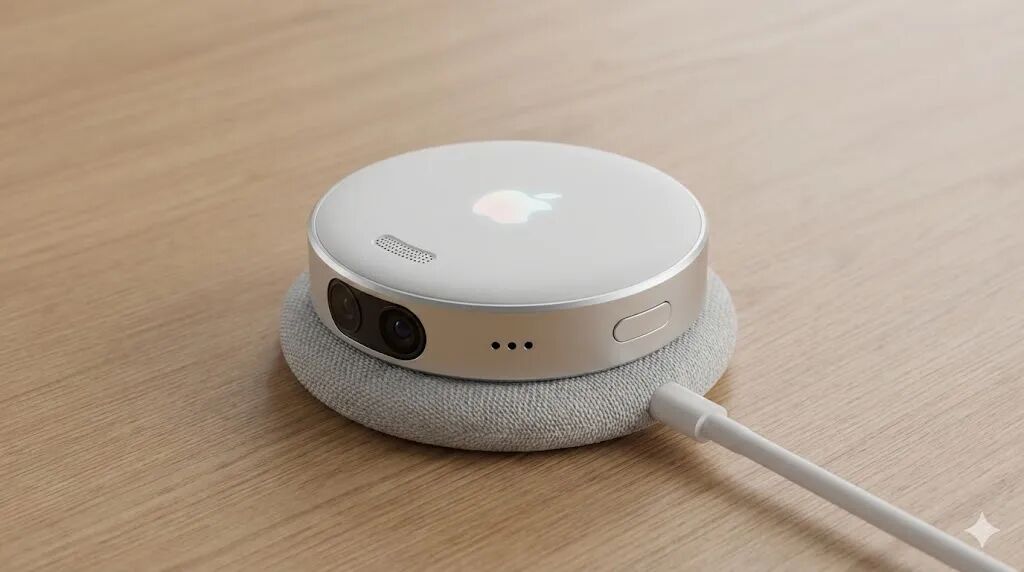
最有看点的苹果产品要来了,但可能不是 iPhone。 就在刚刚,据 The Information 报道,苹果正在秘密研发一款 AI 设备,外形酷似 AirTag,功能类似被全网群嘲的 Ai Pin。 消息一出,科技圈的反应基本可以用「黑人问号脸」来概括:苹果这是要抄作业,还是要拯救一个失败的产品形态? 由 Nano Banana Pro 生成的假想图 而在此之前,苹果终于决定对 Siri 动大手术了,不仅要把它变成类似 ChatGPT 的聊天机器人,为此甚至不惜每年给 Google 上交 10 亿美元「学费」。 打不过就加入,苹果属实是玩明白了。(战术后仰) 当「失败产品」成为灵感来源 先来看看这个 AI 硬件设备会长啥样? 根据爆料,想象一下把 AirTag 稍微加厚,给它装上两颗摄像头(广角+标准)、三个麦克风、扬声器,再加上类似 Apple Watch 的磁吸无线充电。 这配置,这形态,不就是戴在胸前的 Ai Pin 吗?(手动狗头) 但在苹果的构想里,这可能是对抗 OpenAI 和 Meta 的杀手锏,不需要屏幕,靠的是视觉识别周围环境(Computer Vision)和语音交互。 虽然目前还不知道 ...
苹果首款AI穿戴设备曝光:AirTag尺寸胸针 双摄、三麦克风
Xin Lang Cai Jing· 2026-01-22 01:02
Core Insights - Apple is developing an "AI wearable brooch" similar in size to the AirTag, with a planned release as early as 2027 [1][4] - The project is still in its early stages and carries a risk of cancellation, but Apple engineers are reportedly pushing forward towards a 2027 market launch [1][4] Hardware Specifications - The AI brooch will feature a mixed aluminum alloy and glass exterior, with a thickness slightly greater than that of the AirTag [3][6] - It will include two cameras (standard and wide-angle) for capturing photos and real-time video of the user's surroundings [3][6] - The device will have three built-in microphones for precise audio capture, a speaker for voice feedback, a physical button on the edge, and a magnetic charging port similar to that of the Apple Watch [3][6] Competitive Landscape - Apple's initiative appears to be a response to competitors, particularly OpenAI, which plans to launch its first hardware device in 2026 [3][6] - The market for such devices is fraught with uncertainty, as evidenced by the poor performance of Humane's AI Pin, which sold fewer than 10,000 units and was eventually sold for $116 million [3][6] - The success of Apple's project will depend on overcoming technical challenges related to heat dissipation, battery life, and user interaction experience [3][6]
苹果传闻开发可穿戴AI别针,预计2027年推出
Hua Er Jie Jian Wen· 2026-01-22 00:08
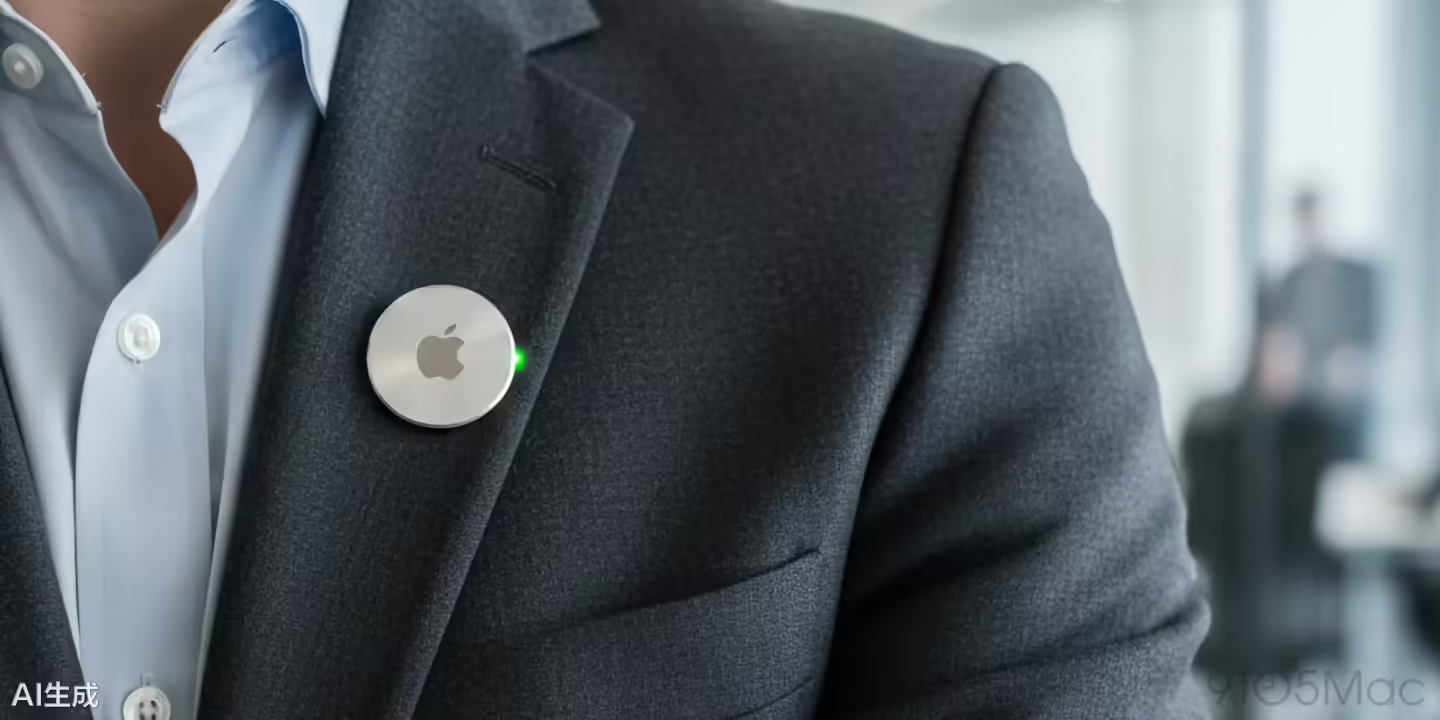
Core Viewpoint - Apple is developing an AI-driven wearable pin device, currently in early stages and subject to cancellation, with a potential release date as early as 2027 and a production target of 20 million units [1] Design Details and Core Functions - The AI pin will feature a flat disc design similar to AirTag, equipped with two cameras (standard and wide-angle), three microphones, a speaker, and a physical button, with a magnetic charging interface akin to the Apple Watch [2] - The device aims to provide comprehensive visual capture capabilities, driven by Apple's Apple Intelligence technology, although specific AI functionalities remain undisclosed [2] Market Challenges and Previous Attempts - Previous attempts at AI pins, such as Humane AI Pin and Rabbit R1, have failed to meet market expectations, with Humane ceasing operations in February 2025 and Rabbit R1 struggling to gain traction [3] - Notably, Jony Ive and OpenAI's CEO Sam Altman are reportedly working on a prototype for an OpenAI device expected to launch in 2027, which may resemble smart glasses or an AI pin [3] Multi-Line AI Hardware Strategy - The AI pin is part of Apple's broader strategy in the wearable AI sector, with plans for Apple Glass smart glasses potentially launching by the end of 2026, incorporating audio and camera functionalities along with augmented reality features by 2027 [4] - Apple is also considering AirPods with built-in cameras and the Apple Ring smart ring, which is viewed more as a control device rather than an independent AI product [5]