Skydio

Search documents
塑造自己的下一个版本2026前沿科技趋势报告解读(40页附下载)
Sou Hu Cai Jing· 2026-02-23 09:39
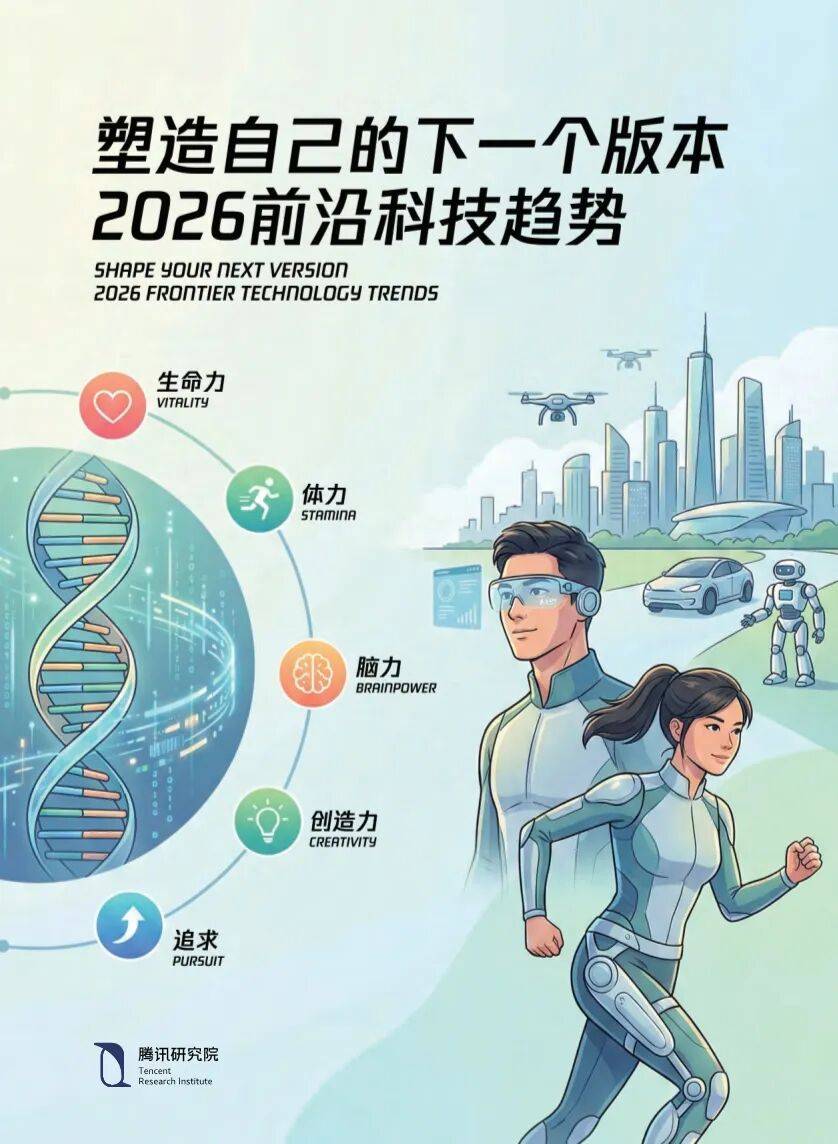
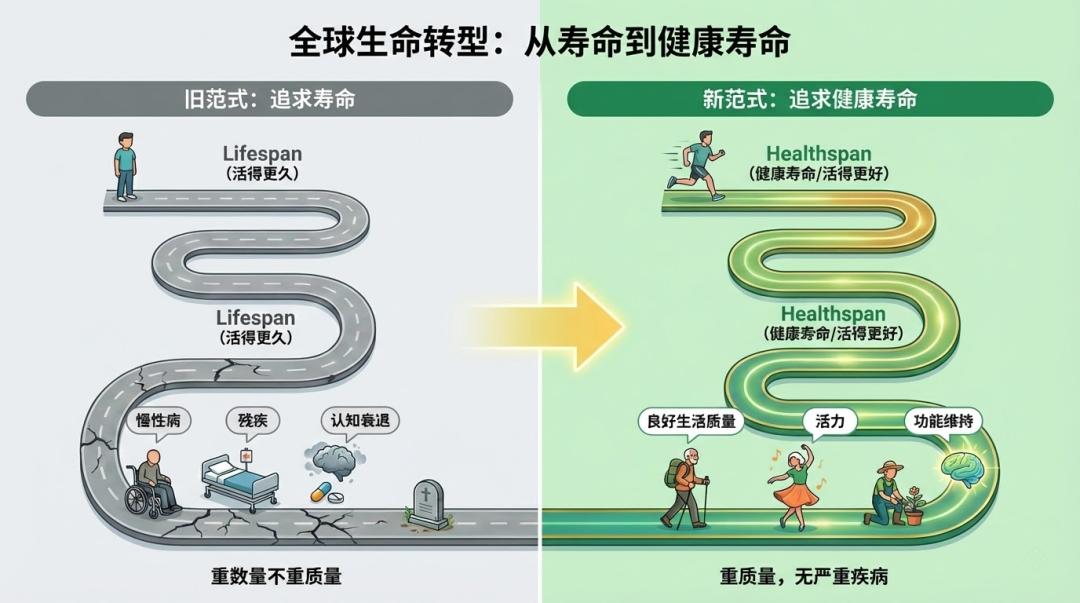
我来为您详细解读这份腾讯研究院发布的《塑造自己的下一个版本:2026前沿科技趋势》报告。这份报告以"用户视 角"出发,眺望2030年的自己,围绕五个维度展开前沿科技趋势分析。 --- 一、生命力2030:从"活得久"到"活得好" 核心观点:人类生命正经历"第三次转型" 报告开篇指出一个关键转折:过去一百年人类寿命翻了一倍,但从1900年到2000年的快速增长后,预期寿命增速已大 幅放缓。2024年《自然·衰老》期刊的研究表明,通过消除早夭和中年疾病来延长寿命的"容易摘的果实"已被采摘殆 尽。 - Alnylam Pharmaceuticals开发的RNA干扰技术仅需每六个月一次皮下注射,即可控制高血压 - 斯坦福大学开发的mRNA CAR-T技术在小鼠淋巴瘤模型中实现75%的长期无瘤生存 新范式诞生:全球正在从追求单纯的"寿命"(Lifespan)转向追求"健康寿命"(Healthspan)——即在没有严重慢性病、 残疾或认知功能衰退的情况下维持良好生活质量的年限。据世界经济论坛报告,若将人类健康寿命延长1年,产生的全 球经济价值将高达38万亿美元。 三大技术支柱 基因疗法进入"生命代码优化"时代 - CRI ...

2026前沿科技趋势:塑造自己的下一个版本
3 6 Ke· 2026-01-30 09:58
Group 1 - The rapid evolution and application of artificial intelligence and cutting-edge technologies are causing societal adaptation challenges, leading to feelings of uncertainty among people [1][2] - The focus of technological advancement should be human-centered, with an emphasis on shaping a better future through technology by 2030 [2] Group 2 - The "third transformation" of human life aims to extend healthy lifespan rather than just lifespan, with significant implications for global health and economy [3][5] - Human life expectancy has doubled over the past century, but the growth rate has significantly slowed down, with some regions experiencing stagnation or decline [4] - By 2030, the quality of life is projected to be a major focus, with non-communicable diseases potentially costing the global economy up to $47 trillion if not addressed [5] Group 3 - Advances in gene therapy and artificial intelligence are expected to play crucial roles in extending healthy lifespan, with technologies like CRISPR and AI enhancing medical capabilities [9][17] - Clinical breakthroughs in preventive gene therapy and RNA therapies are showing promise in treating chronic diseases effectively [10][12] - Epigenetic reprogramming is emerging as a potential method to reverse aging, with ongoing research aiming for clinical trials by 2026 [15] Group 4 - Artificial intelligence is set to enhance medical efficiency and understanding of human health, with applications in drug development, disease screening, and personal health management expected to yield significant results by 2030 [17][18] - AI is accelerating drug development processes, reducing timelines from years to months, and improving the success rates of new treatments [18][19] Group 5 - The development of exoskeleton technology is enhancing human physical capabilities, with applications in medical rehabilitation, industrial safety, and personal use expected to expand significantly [24][25] - Innovations in exoskeletons are making them more adaptable and user-friendly, with advancements in sensor technology and materials [28][30] Group 6 - The eVTOL market is projected to grow significantly, with advancements in battery technology and noise reduction strategies being critical for its acceptance and integration into urban transportation [31][32] - The evolution of drones into autonomous aerial robots is enhancing their capabilities for both consumer and industrial applications [34] Group 7 - The development of brain-computer interfaces (BCIs) is transforming the treatment of neurological conditions and enhancing human capabilities, with both invasive and non-invasive technologies showing promise [51][54] - BCIs are moving from experimental to standard treatment options for conditions like paralysis, with significant advancements in technology and regulatory approval processes [52][53]
2026前沿科技趋势:塑造自己的下一个版本
腾讯研究院· 2026-01-30 08:18
Core Insights - The article emphasizes the rapid evolution and application of artificial intelligence and cutting-edge technologies across various fields, urging a human-centered approach to technological advancement [3][4][5]. Group 1: Human Life's "Third Transformation" - Extending Healthy Lifespan - Human life expectancy has doubled over the past century, with significant improvements attributed to public health, antibiotics, and vaccines [7]. - Recent research indicates a dramatic slowdown in the growth rate of life expectancy, with the average increase dropping to below 0.25 years per decade in the last 30 years [8]. - A shift is occurring from merely extending lifespan to enhancing healthspan, which is the period of life spent in good health, with potential economic implications of up to $47 trillion in costs from non-communicable diseases by 2030 [9]. Group 2: Programmable Life - Gene Therapy - Gene therapy is moving towards optimizing the "life code," with advancements in CRISPR technology and delivery systems expected to mature by 2030 [11]. - Clinical breakthroughs in preventive gene therapy, such as Verve Therapeutics' treatment for cardiovascular disease, show promising results with significant reductions in LDL-C levels [12]. - The success of personalized CRISPR therapy in curing a fatal metabolic disease in a patient highlights the potential of gene therapy [14]. Group 3: Health Planning - AI Enhancing Medical Efficiency - AI is set to revolutionize drug development, disease screening, and personal health management by 2030, significantly reducing the time and cost associated with traditional drug development [21]. - AI combined with multi-omics technology is facilitating faster and more accurate disease screening, with notable advancements in cancer detection [23]. - Aging clock technology is evolving, enabling precise monitoring of aging processes and identifying underlying causes of aging [25]. Group 4: Enhancing Physical Capability - Exoskeleton Technology - Exoskeleton technology is advancing to enhance human physical capabilities, with applications in medical rehabilitation, industrial safety, and personal use [30]. - In the medical field, exoskeletons are evolving from mere mobility aids to intelligent devices that promote neurological recovery [31]. - Consumer-grade exoskeletons are expected to become popular for outdoor activities, significantly improving mobility for users [32]. Group 5: Flying Technology - eVTOL Development - The eVTOL market is projected to reach $41 billion in China by 2040, with significant advancements in battery technology expected to triple flight ranges [37]. - Noise reduction technologies are being explored to enhance social acceptance of eVTOLs, with strategies like "noise corridors" being implemented [38]. - The evolution of drones into aerial robots is enhancing capabilities in both consumer and industrial applications, with significant advancements in autonomous operations [40]. Group 6: Brain-Machine Interfaces - A New Era of Interaction - Brain-machine interfaces (BCIs) are transitioning from experimental therapies to standard treatment options for conditions like paralysis, with companies like Neuralink leading the way [61]. - Non-invasive BCIs are emerging, allowing for enhanced human-computer interaction, with applications in consumer technology [63]. - The integration of BCIs with AI could redefine human-AI collaboration, raising ethical considerations regarding privacy and data protection [64].

天空的霸权,正在从硅谷转移到珠三角
虎嗅APP· 2026-01-26 10:26
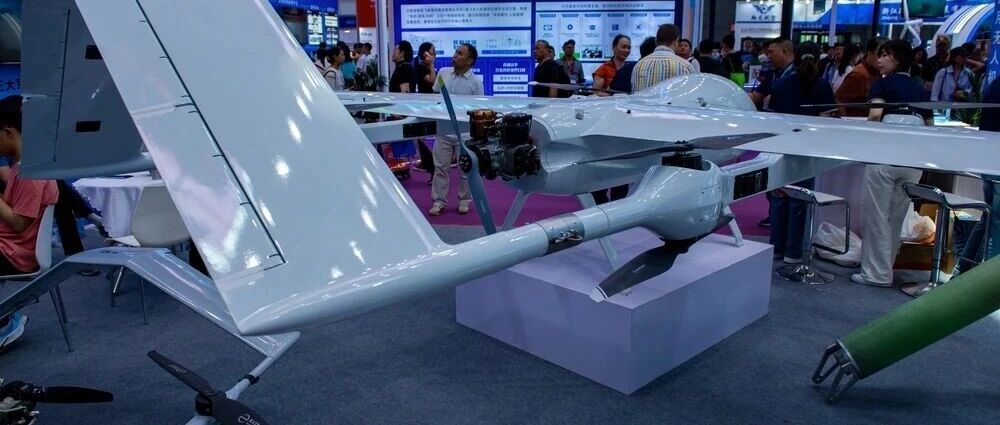
Core Viewpoint - The article discusses the shift of aerial dominance from Silicon Valley to the Pearl River Delta, highlighting China's advancements in drone technology and its implications for global competition [4][8]. Group 1: Understanding China's Low-altitude Economy - China's perspective on drones is fundamentally different from that of the U.S., viewing them as "flying servers" rather than just aircraft, which aligns with its infrastructure development mindset [10][12]. - The Chinese government has established a comprehensive low-altitude digital infrastructure, akin to building roads, to facilitate drone operations [11][13]. - The Civil Aviation Administration of China (CAAC) adopts a pragmatic regulatory approach, allowing for experimentation and learning from failures in designated areas [14][15]. Group 2: U.S. Regulatory Challenges - The U.S. Federal Aviation Administration (FAA) prioritizes manned aircraft, creating significant barriers for commercial drone operations, such as the "Visual Line of Sight" requirement [22][23]. - Despite having the most open airspace, the U.S. faces bureaucratic hurdles that hinder the commercial viability of drones, exemplified by Amazon's struggles with its Prime Air project [24][26]. - Cultural resistance, particularly the NIMBY (Not In My Backyard) mentality, further complicates the deployment of drone technology in the U.S. [25][26]. Group 3: Supply Chain and Manufacturing Disparities - The article emphasizes that the U.S. has lost its ability to produce affordable and effective hardware, while China excels in manufacturing drones at a lower cost and higher efficiency [30][31]. - The U.S. government's attempts to create a domestic drone ecosystem have resulted in higher costs and inferior performance compared to Chinese counterparts [32][33]. - This creates a cycle where limited commercial applications lead to low demand, preventing cost reductions through economies of scale [34][35]. Group 4: Military Implications and Future Strategies - The use of consumer drones in military conflicts, such as in Ukraine, has raised alarms in the U.S. regarding its military capabilities [39][41]. - China’s approach to drone technology has evolved from consumer products to military applications, while the U.S. relies on high-cost, high-precision military technology [42][43]. - The U.S. is now attempting to rapidly develop affordable drones through initiatives like the "Replicator Initiative," but faces challenges in manufacturing without relying on Chinese supply chains [45][46]. Group 5: Future Competition and Innovation - The article concludes that the future of aerial dominance will depend on which country can better embrace innovation, respect engineers, and allow for trial and error in technology development [48][52]. - The contrasting approaches of the U.S. and China highlight the potential for both nations to coexist in the aerial domain, but success will hinge on their respective regulatory and cultural environments [51][52].
美商务部撤回限制提案!美国诸多行业:低空经济热潮下,中国无人机是刚需
Huan Qiu Wang Zi Xun· 2026-01-13 05:39
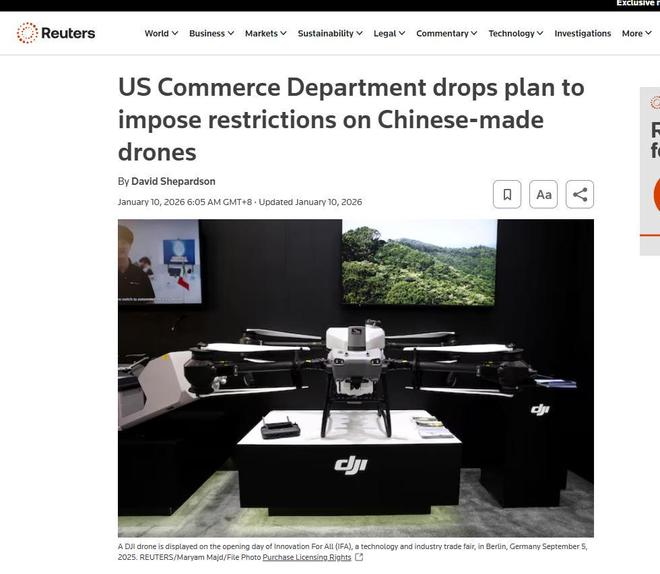
Core Viewpoint - The U.S. Department of Commerce has withdrawn a proposal to restrict the import of Chinese drones, particularly benefiting American users who rely on DJI drones for various applications [2][3]. Group 1: U.S. Drone Market Dynamics - The U.S. government has attempted to limit DJI's market presence since 2017, citing security threats, but these efforts have not significantly reduced DJI's market share, which remains around 80% in the U.S. [3][5]. - Despite the restrictions, U.S. military and government agencies continue to use DJI drones, highlighting their effectiveness and reliability compared to domestic alternatives [5][6]. Group 2: Challenges for U.S. Drone Manufacturers - U.S. drone manufacturers face significant challenges, including a lack of advanced technology, skilled labor, and reliance on Chinese components, which hampers their ability to compete with DJI [6][10]. - The performance of U.S.-made drones is often inferior to DJI's, with reports of higher failure rates and limitations in functionality [5][6]. Group 3: Economic Impact of Drone Usage - The drone industry in the U.S. is projected to grow from $8.62 billion to $11.2 billion by 2026, but restrictions on Chinese drones could hinder this growth, particularly affecting small service businesses [11][13]. - Various sectors, including agriculture, real estate, and film production, heavily depend on DJI drones, and limiting their use could lead to decreased efficiency and economic losses [13][14]. Group 4: Global Implications of U.S. Restrictions - The withdrawal of the proposed ban on Chinese drones is seen as a move that could prevent the U.S. from isolating itself in the drone ecosystem, as other countries continue to adopt DJI technology [14][16]. - The potential for other nations to surpass the U.S. in drone technology and applications is significant, as they can leverage advanced tools to enhance productivity and efficiency [16].
Globalstar and Skydio Complete First Drone Flight on Globalstar Band n53TM and XCOM RAN
Businesswire· 2025-12-16 14:16
Core Insights - Globalstar and Skydio successfully completed a joint technology trial, validating the compatibility of Skydio X10 with Globalstar's licensed Band n53 spectrum and XCOM RAN private 5G platform [1][2] Group 1: Technology and Performance - The trial evaluated Band n53 and XCOM RAN as a high-performance alternative to traditional Wi-Fi or public cellular networks, with Globalstar holding full licensed rights to Band n53, ensuring predictable and secure operational testing [2] - XCOM RAN provides deterministic performance, high uplink throughput, and robust coherence in challenging environments, enabling reliable command, control, and streaming video for airborne operations [2][3] Group 2: Company Statements - Skydio's CTO highlighted the rapid integration of Band n53 using existing modules within Globalstar's ecosystem, facilitating quick real-world testing [3] - Globalstar's CEO emphasized the importance of reliable connectivity for public safety missions, showcasing the strengths of Band n53 and XCOM RAN for high-performance applications like autonomous drones [3] Group 3: Company Background - Globalstar is a telecommunications provider utilizing a low Earth orbit satellite constellation and licensed Band 53/n53 spectrum to deliver reliable connectivity solutions globally [4][6] - Skydio is recognized as a leading U.S. drone manufacturer, focusing on autonomous flight and serving public safety, government, utility, and enterprise customers [9][10]


U.S. Army Awards $7.9M Contract to Skydio for Short Range Reconnaissance Tranche 2
Prnewswire· 2025-10-14 11:00
Core Insights - Skydio has been awarded a $7.9 million contract to deliver X10D small unmanned aircraft systems (sUAS) under the U.S. Army's Short Range Reconnaissance (SRR) Tranche 2 program, bringing total support for FY25 to $12.3 million [1][2] Company Overview - Skydio is a leading U.S.-based drone manufacturer specializing in autonomous flight technology, with all products designed, assembled, and supported in the United States [4][5] - The company has established a significant presence in the defense sector, supporting every branch of the U.S. military and 25 allied nations, as well as public safety agencies and enterprise customers globally [3] Product Details - The X10D platform, part of the SRR program, enhances reconnaissance and surveillance capabilities for infantry platoons, transitioning from the previous X2D/RQ28-A systems [2] - The X10D features advanced technology, including a 48MP telephoto camera, a Teledyne FLIR Boson+ thermal sensor, and built-in AI for visual navigation and obstacle avoidance [9] Strategic Partnerships - Skydio collaborates with Science Applications International Corp. (SAIC) to deliver advanced drone solutions, highlighting the integration of technology and innovation in defense operations [1][7] - SAIC, a Fortune 500 company, focuses on mission integration across defense, space, civilian, and intelligence sectors, with annual revenues of approximately $7.5 billion [8]


X @Forbes
Forbes· 2025-09-11 12:28
RT Thomas Brewster (@iblametom)🚨NEW🚨 ICE is preparing for an "upcoming agent hiring surge," per contract records.It's ordered armor, Glocks and AI surveillance drones from Skydio this week.The $2.2bn company's AI can latch onto and follow a target.Sold 20 drones to CBP too.https://t.co/iZVNBDcQo9 ...
ZenaTech's ZenaDrone Initiates AUVSI Membership Upgrade, Enabling Leadership on Drone Policy and Strengthening US Defense and Government Engagement
Globenewswire· 2025-07-31 11:30
Core Insights - ZenaTech's subsidiary ZenaDrone has upgraded its membership to the Advocacy level with AUVSI, allowing it to join key committees that influence drone policy and procurement [1][2] - This strategic move is aimed at enhancing ZenaDrone's role in shaping drone policies and deepening relationships with stakeholders in the defense sector [1][2] - The involvement comes at a crucial time as recent government directives are pushing for the adoption of secure, domestically produced drone technologies [3] Company Overview - ZenaTech specializes in AI drones, Drone as a Service (DaaS), enterprise SaaS, and Quantum Computing solutions, focusing on mission-critical applications [5] - The company has been expanding its drone design and manufacturing capabilities since 2017, serving sectors such as agriculture, defense, logistics, and land surveying [5][6] - ZenaDrone's product lineup includes the ZenaDrone 1000 for agriculture and defense, the IQ Nano for inventory management, and the IQ Square for land surveying [6] Industry Context - AUVSI, founded in 1972, is the largest nonprofit organization promoting uncrewed and autonomous systems, connecting government, industry, and academia [4] - The Defense Advocacy Committee influences defense acquisition policies, while the Air Advocacy Committee focuses on expanding drone operations in national airspace [4] - Recent Executive Orders from the White House and Department of Defense are accelerating support for NDAA-compliant drone technologies, necessitating practical policy frameworks [3]

Axon Eyes Expansion in Drone Equipment Space: Can It Deliver Growth?
ZACKS· 2025-07-23 15:51
Company Overview - Axon Enterprise, Inc. (AXON) is focusing on strategic collaborations to expand its drone offerings and customer base, including a partnership with Skydio to introduce a comprehensive line of drones for public safety [1][8] - The partnership includes autonomous drones, onsite docking stations, and integrated flight control solutions from Skydio, along with Axon's real-time operations and evidence management solutions [2] Recent Developments - In October 2024, Axon acquired Dedrone, enhancing its capabilities in airspace security and improving response to drone threats [3] - Axon continues to invest in DroneSense, a leading provider of drone software, further strengthening its ecosystem [3] Market Demand - The demand for advanced public safety technologies is expected to remain strong due to increasing instances of terrorism and criminal activities globally, which supports ongoing demand for Axon's drone equipment [4] Peer Performance - Woodward, Inc.'s Industrial segment reported a decline in net sales by 4.7% year over year, primarily due to lower on-highway volume in China [5] - Teledyne Technologies' Digital Imaging segment saw a revenue increase of 2.2% year over year, driven by higher demand for commercial infrared imaging components and surveillance systems [6] Financial Performance - Axon's shares have gained 130.2% over the past year, outperforming the industry's growth of 47.5% [7] - The company is currently trading at a forward price-to-earnings ratio of 99.45X, significantly above the industry average of 51.68X [10] Earnings Estimates - The Zacks Consensus Estimate for Axon's 2025 earnings has increased slightly over the past 30 days, indicating positive sentiment [12] - Current earnings estimates for the upcoming quarters and years are as follows: Q2 2025 at $1.54, Q3 2025 at $1.54, FY 2025 at $6.35, and FY 2026 at $7.98 [13]