
强迫劳动

Search documents
太子集团创始人陈志被遣送中国,此前被美国抄走150亿美元比特币
Sou Hu Cai Jing· 2026-01-08 01:58
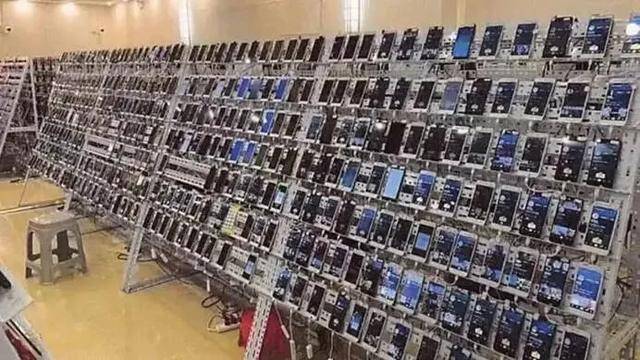
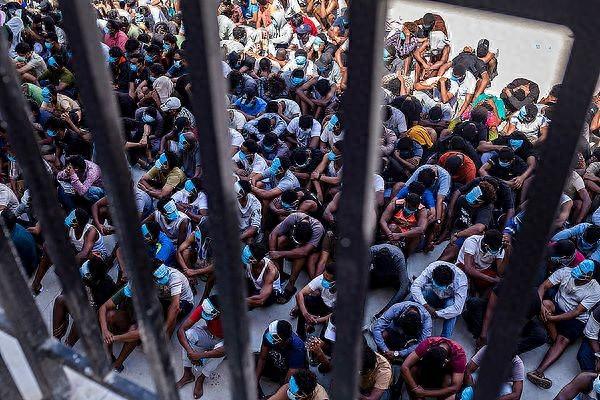
Core Viewpoint - The founder and chairman of Prince Group, Chen Zhi, has been arrested in Cambodia and sent back to China for investigation regarding serious criminal charges including telecommunications fraud and money laundering [1][3]. Group 1: Criminal Activities - Chen Zhi is accused of leading Asia's largest transnational crime organization, which has been involved in extensive telecommunications fraud and money laundering activities [5][15]. - The U.S. Department of Justice has seized approximately 127,271 bitcoins, valued at around $15 billion, marking the largest asset forfeiture in its history [3][4]. - The criminal network operated "phone farms" in Cambodia, controlling over 76,000 social media accounts used to perpetrate scams [7][11]. Group 2: Victimization and Exploitation - Hundreds of individuals were reportedly lured or trafficked to Cambodia, forced to work in scam operations under threats of violence and with their passports confiscated [12]. - The operation is described as a combination of modern slavery and high-tech fraud, with many perpetrators also being victims of trafficking and forced labor [12]. Group 3: Legal and Financial Consequences - The U.S. Treasury has sanctioned 146 individuals and entities associated with Prince Group, freezing their assets in the U.S. and prohibiting any transactions with American individuals or institutions [15][16]. - The U.K. has frozen 19 properties linked to Chen Zhi's network in London, valued at over £100 million, highlighting the international scope of the investigation [16]. - If convicted of conspiracy to commit telecommunications fraud and money laundering, Chen Zhi could face up to 40 years in prison [16].

突发!被美国抄了150亿美元比特币的电诈头子陈志,遣送回国了
凤凰网财经· 2026-01-07 13:40
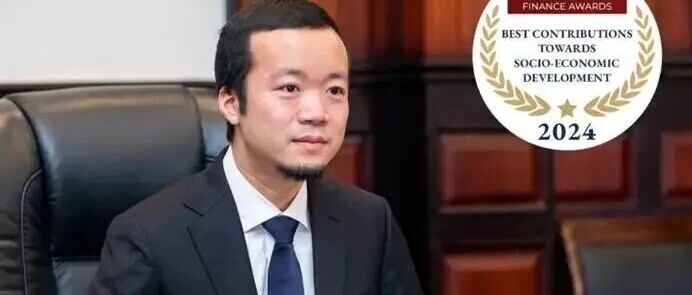
Core Viewpoint - The arrest of Chen Zhi, founder and chairman of Prince Group, marks a significant development in a global transnational fraud case involving extensive criminal networks, staggering amounts of money, and various associated crimes, including human trafficking and forced labor [1][15]. Group 1: Criminal Activities and Network - Chen Zhi, a dual citizen of the UK and Cambodia, presented himself as a "business elite" while secretly leading a major transnational crime organization, described by the U.S. Department of Justice as the "largest in Asia" [2][4]. - The Prince Group, under Chen's leadership, established seemingly legitimate businesses in over 30 countries to mask fraudulent activities, with a core operation based in Cambodia's scam parks, which included "phone farms" with 1250 phones and 76,000 social media accounts used for scams [4][6]. - The criminal network employed emotional manipulation through social media to defraud victims, promising high returns on cryptocurrency investments, leading to significant financial losses for individuals [6]. Group 2: Human Trafficking and Forced Labor - The network not only engaged in scams but also involved severe human rights abuses, including human trafficking and forced labor, with hundreds of victims lured or trafficked to Cambodia, where they faced violence and exploitation [6]. - Some perpetrators of the scams were also victims of human trafficking, caught in a cycle of abuse and exploitation [6]. Group 3: Financial Crimes and Asset Seizures - In October 2025, the U.S. Department of Justice filed criminal charges against Chen Zhi, including telecommunications fraud and money laundering, and seized approximately 127,271 bitcoins valued at $15 billion, marking the largest asset seizure in the department's history [9][12]. - Multiple countries, including the UK, Singapore, and Hong Kong, have taken coordinated actions to freeze Chen's assets, with the total value of seized properties and financial assets exceeding $1.5 billion [12][14]. - The U.S. Treasury Department has sanctioned 146 individuals and entities associated with the Prince Group, freezing their U.S. assets and prohibiting any transactions with them [12][14]. Group 4: Broader Implications and Future Actions - The case highlights the complexity and brutality of the Southeast Asian fraud industry and underscores the commitment of multiple nations to combat transnational crime [15]. - As the investigation progresses in China following Chen's return, further details of the criminal network may emerge, and efforts to recover assets for victims will be a key focus [15].
中方回应美国众议院中国特设委所谓调查:反复翻炒虚假叙事
Zhong Guo Xin Wen Wang· 2025-11-14 08:39
Core Viewpoint - Morgan Stanley is under investigation by the U.S. House of Representatives' China Select Committee regarding its due diligence in underwriting the IPO of Zijin Mining Group, which is alleged to have benefited Chinese enterprises despite being sanctioned for using "forced labor" in Xinjiang [1] Group 1: Company Investigation - The investigation focuses on whether Morgan Stanley conducted adequate due diligence during the underwriting process for Zijin Mining's IPO [1] - The controversy arises from allegations that Zijin Mining is involved in forced labor practices in Xinjiang, leading to its inclusion on a U.S. sanctions list [1] Group 2: Diplomatic Response - The Chinese Foreign Ministry spokesperson, Lin Jian, dismissed the allegations of forced labor as a fabrication by anti-China forces [1] - Lin emphasized that the repeated promotion of discredited narratives by U.S. institutions undermines their credibility and ultimately harms U.S. interests and reputation [1]

150亿美元比特币被抄!亚洲最大跨国电诈 “话事人”逃亡
商业洞察· 2025-10-17 09:50
Group 1 - The article discusses the criminal charges against Chen Zhi, founder of the Prince Group in Cambodia, for telecommunications fraud and money laundering, marking a significant action by the U.S. Department of Justice [4][5][30] - Approximately 127,271 bitcoins were seized, valued at around $15 billion, equivalent to approximately 106.9 billion yuan [4][5] - Chen Zhi is described as a key figure in Asia's largest transnational crime organization, having established businesses in over 30 countries to mask fraudulent activities [6][10] Group 2 - The criminal organization operated "phone farms" in Cambodia, utilizing 12,500 mobile phones and controlling 76,000 social media accounts for scamming purposes [12][14] - Victims were lured into investing in cryptocurrency schemes, only to have their funds stolen immediately after transfer [16] - Chen Zhi's operations included a "money laundering squad" in Brooklyn, with millions of dollars involved and at least 250 victims across the U.S. [17][18] Group 3 - The operation also involved severe human trafficking and forced labor, with hundreds of individuals being coerced into working in scam centers under threats and violence [20][21] - The U.S. Treasury identified Jin Bei Group Co. Ltd., linked to the Prince Group, as involved in extortion, fraud, and forced labor, with significant financial losses reported [23][25] - The U.S. government has frozen assets of 146 individuals and entities associated with the Prince Group, disrupting their financial operations in the U.S. [30][31] Group 4 - The U.K. has also taken action, freezing 19 properties owned by Chen Zhi in London, valued at over £100 million, highlighting the international response to his criminal activities [31][32] - Chen Zhi's network has expanded to the Pacific island of Palau, where suspicious developments related to resorts are being investigated [32]

150亿美元比特币被抄,亚洲最大跨国电诈 “话事人”逃亡
3 6 Ke· 2025-10-16 00:18
Core Viewpoint - The U.S. Department of Justice has formally charged Chen Zhi, founder of the Cambodian Prince Group, with telecommunications fraud and money laundering, marking a significant crackdown on a major transnational crime organization [1][3]. Group 1: Criminal Activities - Chen Zhi, known as "Vincent," is accused of leading Asia's largest transnational crime organization, which has established companies in over 30 countries to disguise fraudulent activities [3]. - The organization operated "phone farms" in Cambodia, using 1,250 mobile phones and controlling 76,000 social media accounts to perpetrate scams [3][5]. - Victims were lured into cryptocurrency scams, resulting in millions of dollars being stolen, with at least 250 individuals falling victim to these schemes in the U.S. alone [7]. Group 2: Money Laundering and Expenditure - Chen Zhi employed complex methods to launder money, splitting funds into smaller amounts to evade regulatory scrutiny, and then lavishly spent the proceeds on luxury items, including private jets and artwork [7][8]. - The U.S. Department of Justice seized approximately 127,271 bitcoins, valued at around $15 billion, in what is described as the largest asset forfeiture in the department's history [1]. Group 3: Human Trafficking and Forced Labor - The criminal network is implicated in severe human trafficking and forced labor, with hundreds of individuals reportedly coerced into working in scam operations under threats and violence [8]. - The U.S. Treasury Department has linked the Prince Group to various illegal activities, including extortion and forced labor, with connections to a specific group involved in the murder of a Chinese citizen [10]. Group 4: Legal Actions and International Response - The U.S. has frozen the assets of 146 individuals and entities associated with the Prince Group, effectively cutting off their financial resources in the U.S. [13]. - The U.K. has also taken action by freezing 19 properties owned by Chen Zhi in London, valued at over £100 million, highlighting the international effort to combat these crimes [14].

150亿美元比特币被抄!亚洲最大跨国电诈 “话事人”逃亡
凤凰网财经· 2025-10-15 14:19
Core Viewpoint - The article discusses the significant legal actions taken by the U.S. Department of Justice against Chen Zhi, the founder of the Prince Group in Cambodia, for telecommunications fraud and money laundering, highlighting the scale of the operation and its implications for global crime networks [2][22]. Group 1: Criminal Activities - Chen Zhi is accused of leading Asia's largest transnational crime organization, using a facade of legitimate business operations to cover up extensive fraud activities [6][7]. - The operation involved "phone farms" with 1,250 mobile devices and 76,000 social media accounts used to perpetrate scams, targeting victims through emotional manipulation [9][12]. - The criminal network is described as a combination of modern slavery and high-tech fraud, with hundreds of individuals reportedly trafficked and forced into labor within scam operations [16][18]. Group 2: Financial Implications - The U.S. authorities seized approximately 127,271 bitcoins, valued at around $15 billion, marking the largest asset forfeiture in the department's history [2][22]. - The financial operations included sophisticated money laundering techniques, with millions of dollars funneled through various accounts to evade detection [15][21]. - The U.S. Treasury reported that losses from online investment scams have exceeded $16.6 billion in recent years, with a projected $10 billion loss in 2024 alone, indicating a 66% increase from the previous year [26]. Group 3: Legal Actions and Consequences - The U.S. government has frozen the assets of 146 individuals and entities associated with the Prince Group, effectively cutting off their financial resources in the U.S. [25][26]. - Chen Zhi faces potential charges that could lead to a maximum sentence of 40 years if convicted of telecommunications fraud and money laundering [28]. - The U.K. has also taken action by freezing 19 properties owned by Chen Zhi in London, valued at over £10 million, reflecting international cooperation in combating such crimes [26][27].
150亿美元比特币被抄!亚洲最大跨国电诈 “话事人”逃亡
Feng Huang Wang Cai Jing· 2025-10-15 14:15
Core Points - The U.S. Department of Justice has formally charged Chen Zhi, founder of the Prince Group in Cambodia, with telecommunications fraud and money laundering, marking a significant crackdown on international crime [1][2] - The operation involved the seizure of approximately 127,271 bitcoins, valued at around $15 billion, making it the largest asset forfeiture in the department's history [1][2] Group 1: Criminal Activities - Chen Zhi, a dual citizen of the UK and Cambodia, was previously seen as a legitimate businessman but is now identified as a key figure in Asia's largest transnational crime organization [3][4] - The Prince Group has established companies in over 30 countries, which were used as fronts to conceal fraudulent activities [4] - The criminal network operated "phone farms" in Cambodia, utilizing 1250 mobile phones and controlling 76,000 social media accounts to perpetrate scams [5][6] Group 2: Victimization and Exploitation - Hundreds of individuals were reportedly lured or trafficked to Cambodia, forced to participate in cryptocurrency scams under threats of violence and coercion [10][11] - The operation is described as a combination of modern slavery and high-tech fraud, with many perpetrators also being victims of trafficking and forced labor [10][11] Group 3: Legal and Financial Consequences - The U.S. Treasury has frozen all assets and interests of individuals and entities associated with the Prince Group within the U.S., affecting 146 individuals and entities [13][14] - The U.S. has reported losses exceeding $16.6 billion due to online investment fraud in recent years, with an estimated $10 billion loss expected in 2024 alone, a 66% increase from the previous year [14] - The UK has also frozen 19 properties linked to Chen Zhi in London, valued at over £100 million, highlighting the international scope of the crackdown [15]
美国制裁缅甸柬埔寨电诈团伙:美国人每年被骗上百亿,成千上万人沦为奴隶
Guan Cha Zhe Wang· 2025-09-10 10:12
Core Viewpoint - The U.S. Treasury Department has imposed financial and diplomatic sanctions on large multinational fraud syndicates operating in Southeast Asia, particularly targeting those involved in telecom fraud that has resulted in losses exceeding $10 billion for Americans in 2024 [1][2]. Group 1: Sanctions and Targets - The sanctions specifically target nine entities in Shwe Kokko, Myanmar, and ten in Cambodia, identified as major hubs for telecom fraud [1]. - The sanctions include individuals such as She Zhijiang, a developer of the "Asia-Pacific New City" fraud park, and members of the Karen National Army, who are accused of facilitating illegal financial flows and operating fraud networks [5][6]. Group 2: Impact on Victims - The fraud operations not only defraud individuals but also involve human trafficking, with reports indicating that at least 120,000 people in Myanmar and 100,000 in Cambodia may be forced into telecom fraud activities [4]. - Victims are often lured by false job advertisements and subjected to violence and coercion if they fail to meet fraud quotas [2][4]. Group 3: Broader Context and Response - The U.S. sanctions are part of a broader response to the growing telecom fraud industry in Southeast Asia, which has expanded significantly since the pandemic, utilizing various scams including romance and cryptocurrency fraud [1][4]. - The sanctions aim to disrupt the financial operations of these criminal networks by freezing their assets in the U.S. and prohibiting American citizens from engaging in transactions with the sanctioned entities [6].
中方敦促美方立即停止打着任何旗号对古巴实施封锁制裁
Zhong Guo Xin Wen Wang· 2025-08-22 09:55
Core Viewpoint - The Chinese government criticizes the U.S. for imposing visa restrictions on countries involved in Cuba's overseas medical services, labeling it as an extension of its long-standing sanctions against Cuba and a misuse of the term "forced labor" [1] Group 1: U.S. Actions and Responses - The U.S. State Department announced visa restrictions on several countries and individuals involved in Cuba's overseas medical services, claiming to combat "forced labor exploitation" [1] - The U.S. warns countries cooperating with Cuba to reconsider their partnerships [1] Group 2: Cuba's Medical Contributions - According to Cuban government statistics, over the past 60 years, Cuba has sent more than 600,000 medical personnel to over 60 countries, providing medical services to over 230 million people and performing over 17 million surgeries, saving more than 12 million lives [1] - Cuba's overseas medical cooperation is recognized for its significant role in supporting healthcare systems in Latin America, the Caribbean, and Africa, receiving appreciation from governments and people in those regions [1] Group 3: China's Position - The Chinese government opposes coercive diplomacy and urges the U.S. to stop its sanctions against Cuba, advocating for actions that would improve U.S.-Cuba relations and promote regional peace and stability [1]
美国对巴西等国卫生官员实施签证限制 古巴谴责巴西驳斥
Xin Hua She· 2025-08-14 12:04
Core Viewpoint - The U.S. Secretary of State, Marco Rubio, announced the revocation of visas for two Brazilian health officials and imposed visa restrictions on officials from certain African countries and Grenada, citing their involvement in Cuba's overseas medical personnel deployment programs, which he claims exploit Cuban medical workers through forced labor [1] Group 1: U.S. Actions - The U.S. has taken measures against Brazilian health officials and other foreign officials involved in Cuba's medical programs, labeling these programs as exploitative [1] - The U.S. government accuses Cuba's labor export programs, particularly in healthcare, of involving forced labor and human trafficking [1] Group 2: Responses from Cuba and Brazil - Cuban officials, including Deputy Foreign Minister Carlos Fernández de Cossío, defended the legality and humanitarian nature of their medical programs, emphasizing their life-saving impact on local communities [1] - Brazilian Health Minister Alexandre Padilha criticized the U.S. decision as unfounded, asserting that the medical programs have saved lives and are recognized positively by the Brazilian public [1]