文化传承发展

Search documents
加强濛溪河遗址保护利用,擦亮独特魅力的远古华章文化名片
Xin Lang Cai Jing· 2026-02-07 20:46
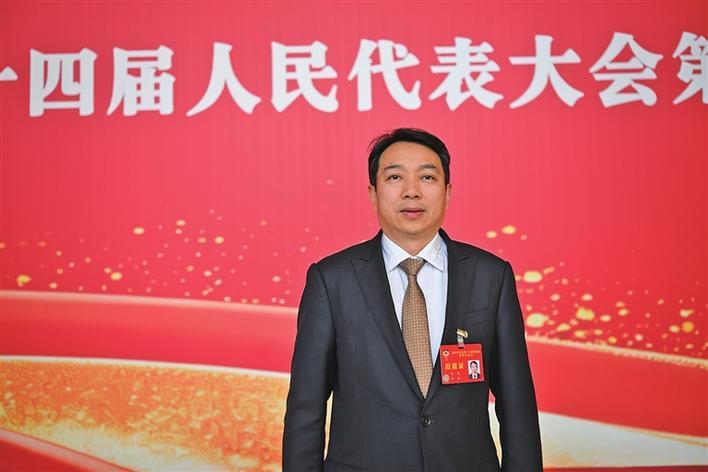
Group 1 - The core viewpoint of the article highlights the recognition of the Mengxi River site group in Ziyang, Sichuan Province, as a "world-class all-element Paleolithic site," which has been successfully included in the 2024 National Top Ten Archaeological Discoveries, providing a unique cultural tourism asset for the Chengdu-Chongqing economic circle [3] - The article emphasizes the need for enhanced protection and utilization of the Mengxi River site, suggesting the establishment of a provincial-level major archaeological project and the creation of a dedicated protection fund to support long-term archaeological teams and digital preservation initiatives [3][4] - It advocates for the formation of the "Mengxi River Site Research Institute" to consolidate academic resources and conduct significant research projects, aiming to elevate the international influence of Sichuan archaeology [4] Group 2 - The article proposes the construction of a museum and a national archaeological park at the Mengxi River site, integrating it into the provincial public cultural service system and promoting it as part of the "Ancient Shu Civilization Exploration" tourism initiative [4] - It suggests developing unique products related to archaeological research, science education, and outdoor exploration to transform cultural value into developmental momentum [4]

“文化+”让江苏发展更有料
Xin Hua Ri Bao· 2026-02-05 22:52
Group 1 - The provincial government emphasizes the importance of "cultural empowerment" for economic and social development, focusing on cultural tourism integration and cultural heritage [1] - The micro-short drama has emerged as a significant trend in the internet era, contributing to artistic creation, enhancing various industries, and enriching the cultural life of the public [1] - The Jiangsu Provincial Broadcasting and Television Bureau has developed a plan for the network audio-visual industry chain (2025-2027) to address key bottlenecks in micro-short drama development and foster new growth momentum [1] Group 2 - There is a call for collaborative efforts in promoting cultural empowerment through quality content creation and building a robust industry ecosystem [2] - Financial support and creative guidance will be provided for outstanding works focusing on contemporary themes, local development, and intangible cultural heritage [2] - The integration of intangible cultural heritage into everyday life and tourism remains a challenge, with a need for innovative performances that resonate with tourist experiences [2] Group 3 - The "Reading City" initiative has been launched in Jiangsu to activate urban cultural memories and shape cultural IP, leveraging historical cultural districts and buildings as key resources [3] - The deep cultural heritage of cities is viewed as a valuable asset that can enhance urban attractiveness and foster public appreciation for local culture [3] - The initiative aims to engage the public with historical cultural districts, promoting a deeper connection with local cultural identity and facilitating the integration of historical and urban cultural development [3]

无锡“惠山四韵”读城品牌发布
Jiang Nan Shi Bao· 2025-12-24 15:58
Core Insights - The "Reading City" immersive experience event in Wuxi's Huishan District launched the "Huishan Four Rhythms" reading city brand and the 2026 reading city plan [1] - The plan includes four major thematic actions for the next year, focusing on urban spatial perception, rural cultural experience, business spirit inheritance, and co-creation of Kunpeng New City [1] Group 1 - The event showcased local agricultural and reading culture, business heritage, and future development plans through various performances and experiences [1] - Activities included traditional performances such as the Xiju opera "Double Push Mill" and modern songs, along with folk experiences like flower arranging, calligraphy, and guqin performances [1] - The "Reading City: Listening to Huishan" audio corner was launched, allowing citizens to listen to historical echoes of ancient architecture and urban development dynamics via QR codes [1] Group 2 - The Huishan District Committee's publicity department has previously launched special columns like "Reading City: Listening to Huishan" and "Remarkable Huishan People" series videos to promote cultural heritage [2] - The district's archives and history museum has established a smart local chronicles museum and completed the compilation of five village chronicles, including "Runyang Village Chronicle" [2]
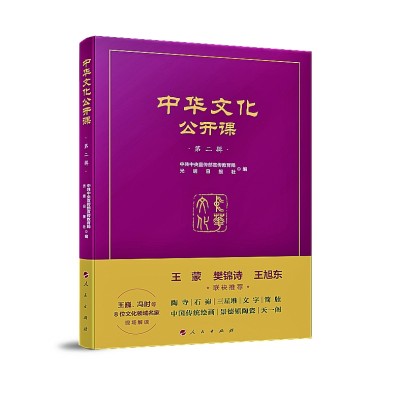
《中华文化公开课(第二辑)》出版发行
Xin Lang Cai Jing· 2025-12-21 19:39
Core Viewpoint - The publication of "Chinese Culture Open Class (Volume 2)" aims to promote the core values of Chinese culture through a collection of lectures and expert insights on significant cultural artifacts and traditions [1][3]. Group 1 - The book is organized by the Central Propaganda Department and Guangming Daily, featuring content from the "Core Values Hundred Forums" [1]. - It includes discussions on important cultural sites and artifacts such as Taosi, Shimao, Sanxingdui, and traditional Chinese painting, showcasing the unique spiritual identity of the Chinese nation [3]. - The publication contains nearly 360 selected images of cultural relics and real-life photos, along with about 30 linked videos, providing a rich visual and educational experience [3]. Group 2 - The first volume of "Chinese Culture Open Class" was published in May 2024 and received widespread acclaim [4].
学习新语丨文化传承发展,总书记言传身教
Xin Hua She· 2025-10-13 14:52
Group 1 - Culture is the soul of a nation and a strong culture leads to a strong nation, emphasizing the importance of creative transformation and innovative development in continuing the Chinese cultural heritage [2][3] - During the "14th Five-Year Plan" period, significant efforts are being made to promote the revitalization of Chinese culture through various initiatives and activities [2][3] - Xi Jinping's cultural footprints span across the country, showcasing his commitment to the promotion and protection of traditional Chinese culture [3] Group 2 - The ancient city of Lijiang, with over 800 years of history and recognized as a World Cultural Heritage site, is highlighted for its unique culture and tourism development potential [5] - In Qiandongnan, the importance of protecting both tangible and intangible cultural heritage of ethnic minorities is emphasized, alongside the need for creative transformation and innovative development [9] - The significance of historical cultural heritage is underscored, as it carries the essence and bloodline of the Chinese nation, which must be preserved for future generations [36][40] Group 3 - The exploration of the Sanxingdui site provides strong archaeological evidence for the multi-faceted nature of Chinese civilization and its historical interactions [21][22] - The Dagu Canal is recognized as a vital cultural heritage site, with efforts focused on its protection, transmission, and utilization to revitalize its historical significance [20] - The importance of the Yin Ruins in advancing the understanding of ancient Chinese legal systems and cultural heritage is highlighted [29][30] Group 4 - The preservation and promotion of traditional culture in historical districts, such as Pingjiang Historical and Cultural Block, are essential for enhancing socialist spiritual civilization [24] - The need for a comprehensive approach to protect historical cultural heritage while promoting tourism and local economies is emphasized [37][40] - The integration of Marxism with the promotion of traditional Chinese culture is seen as crucial for maintaining cultural vitality and national identity [46]

为强国建设、民族复兴伟业凝聚强大精神力量
Ren Min Ri Bao· 2025-10-07 02:07
Core Viewpoint - The article emphasizes the importance of cultural confidence and the role of Xi Jinping's cultural thought in promoting national rejuvenation and building a strong socialist cultural nation [1][5][24]. Group 1: Cultural Development and National Identity - The construction of a culturally strong nation has made significant progress, with events like the commemoration of the 80th anniversary of the victory in the Anti-Japanese War showcasing patriotic sentiments through music and art [2][3]. - Xi Jinping's cultural thought has been formally introduced, highlighting its value in guiding cultural practices and fostering a strong national spirit [1][4]. Group 2: Cultural Heritage and Preservation - There has been a notable increase in efforts to protect cultural heritage, with over 76,700 immovable cultural relics and 1.08 billion movable cultural relics being documented [13]. - The return of significant cultural artifacts, such as the bullet library silk books, and the inclusion of the Western Xia Tombs in the World Heritage List, reflect the growing cultural soft power of the nation [16]. Group 3: Cultural Innovation and Modernization - The integration of technology in cultural expressions, such as the use of a dynamic ink rendering engine in films, demonstrates the innovative approaches being adopted in the cultural sector [19]. - The cultural and related industries are projected to generate revenues of 141.51 billion yuan in 2024, indicating a 6% year-on-year growth [19]. Group 4: Talent Development in Cultural Sector - The government is actively cultivating a large pool of cultural talent, with initiatives like the training of over 51,000 individuals in non-heritage transmission programs [24]. - The establishment of cultural teams and the promotion of local cultural activities are enhancing community engagement and cultural participation [22][24].
为强国建设、民族复兴伟业凝聚强大精神力量 ——宣传思想文化工作高质量发展展现新气象、新作为
Ren Min Ri Bao· 2025-10-06 22:10
Core Viewpoint - The article emphasizes the importance of cultural confidence and the role of Xi Jinping's cultural thought in promoting national rejuvenation and building a strong socialist cultural nation [1][5][24]. Group 1: Cultural Development and National Identity - The construction of a culturally strong nation has made significant progress, with events like the commemoration of the 80th anniversary of the victory in the Anti-Japanese War highlighting patriotic sentiments [2][3]. - Xi Jinping's cultural thought has been formally introduced, emphasizing the need for spiritual guidance and the promotion of core socialist values to enhance national identity and cultural cohesion [1][4]. Group 2: Cultural Heritage and Innovation - There is a continuous effort to protect and develop cultural heritage, with over 76,700 immovable cultural relics and 1.08 billion movable cultural relics being documented [13]. - The integration of traditional culture with modern innovation is evident, as seen in the revival of traditional crafts and the promotion of cultural tourism, which has become a new highlight for employment and income generation [14][19]. Group 3: Cultural Education and Talent Development - The government is focusing on cultivating a large pool of cultural talent, with initiatives like the training of over 51,000 individuals in non-heritage transmission programs [24]. - Cultural outreach programs are being implemented across various regions, fostering community engagement and enhancing cultural literacy among the populace [22][23]. Group 4: International Cultural Exchange - The article highlights the importance of international cultural exchange, with Chinese cultural elements gaining popularity globally through various media and events [20][21]. - The promotion of Chinese stories and cultural narratives on international platforms is seen as a way to enhance China's cultural soft power and influence [21].
《习近平的文化情缘》《习近平经济思想系列讲读》在港澳多家主流媒体播出
Xin Hua She· 2025-09-29 08:33
Group 1 - The documentary "Cultural Affection of Xi Jinping" showcases Xi Jinping's thoughts on cultural heritage and development, emphasizing the importance of cultural prosperity for national strength [1][2] - The program "Xi Jinping's Economic Thought Series" explains key concepts such as "high-quality development is the hard truth of the new era" and "the people's aspiration for a better life is our goal," supported by over 100 grassroots case studies [1][2] - Both programs are broadcasted across multiple mainstream media platforms in Macau and Hong Kong, aiming to enhance national pride and unity among compatriots [2] Group 2 - The Central Radio and Television Station produced a documentary commemorating the 80th anniversary of the victory in the War of Resistance, along with nine other quality films, to be showcased in Hong Kong and Macau [2]
山河共织千载梦 薪火相传焕新颜
Xin Hua She· 2025-09-21 10:12
Group 1 - The western region of China is a significant birthplace of Chinese civilization, showcasing a rich historical heritage and cultural diversity [4] - Traditional culture is being integrated into modern life, contributing to high-quality development and embodying Xi Jinping's cultural thought [4] - The discovery of the "Gari Tang Qin Carving" stone, dating back over 2200 years, highlights the early exploration of the Tibetan Plateau and serves as a historical testament to the unity of Chinese civilization [6] Group 2 - The Xixia Tombs, a newly recognized World Cultural Heritage site, benefit from ongoing monitoring and protective measures to preserve their condition [7] - The Sanxingdui Museum utilizes AI technology for the digital restoration of ancient artifacts, showcasing the intersection of technology and cultural heritage [12] - The Potala Palace employs over 1000 sensors to monitor environmental conditions, ensuring the stability and preservation of this historical site [13] Group 3 - The "Manas" epic is being actively preserved and performed by national-level inheritors, demonstrating the continuity of cultural heritage across generations [15] - The renovation of the Yan'an Pagoda and the enhancement of its interpretive systems aim to keep the revolutionary spirit alive and relevant [17] - The Chongqing Red Rock Revolutionary History Museum employs advanced technologies to recreate historical events, engaging younger audiences in the narrative of national history [18] Group 4 - The Dunhuang Mogao Caves are experiencing a surge in tourism, with digital innovations enhancing the visitor experience and promoting the study of Dunhuang culture [21] - The success of the Zhaoxing Dong Village in tourism reflects the economic benefits of integrating cultural heritage with modern tourism practices [23][25] - The Lijiang Old Town is revitalizing its cultural heritage through immersive tourism experiences, encouraging deeper engagement from visitors [28]
新时代中国调研行之文化中华丨山河共织千载梦 薪火相传焕新颜
Xin Hua She· 2025-09-21 03:16
Group 1 - The article emphasizes the importance of cultural heritage and its integration into modern life, highlighting the role of Xi Jinping's cultural thought in promoting cultural development in western China [3][6][20] - The western regions of China are portrayed as vital sources of Chinese civilization, with rich historical relics and diverse cultural interactions among various ethnic groups [3][4][20] - The article discusses ongoing efforts in cultural preservation, including archaeological investigations and the use of technology for restoration and monitoring of historical sites [6][9][17] Group 2 - The significance of the "Gari Tang Qin Carvings," a newly discovered artifact from the Qin Dynasty, is highlighted as a testament to early exploration in the Qinghai-Tibet Plateau [6] - The article mentions the successful integration of technology in cultural preservation, such as AI and 3D printing, to restore and recreate ancient artifacts [9][17] - The growth of tourism in places like the Zhaoxing Dong Village is noted, with significant increases in visitor numbers and revenue, showcasing the economic benefits of cultural tourism [20][21] Group 3 - The article illustrates the cultural revival through performances of traditional epics like "Manas," emphasizing the continuity of cultural expressions across generations [11][21] - The role of digital platforms in preserving and sharing cultural heritage, such as the "Digital Dunhuang" project, is discussed, facilitating global access to historical resources [18] - The article highlights various cultural events and exhibitions that commemorate historical events, such as the 80th anniversary of the victory in the Anti-Japanese War, reinforcing national identity and historical awareness [13][21]