
中华民族共同体意识

Search documents
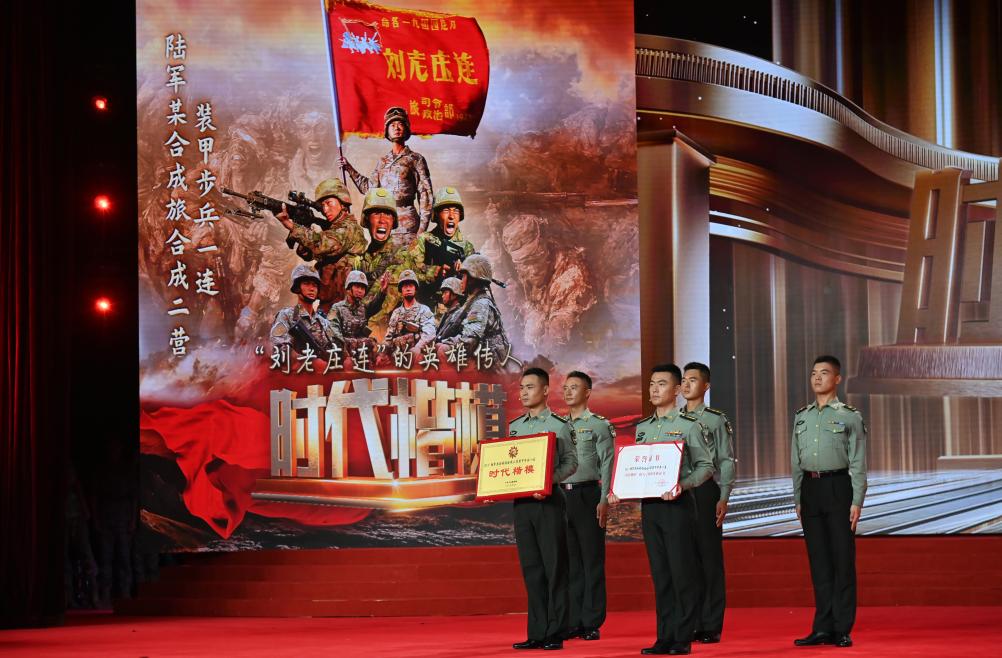
“时代楷模”“最美人物”等先进典型宣传活动引导全社会见贤思齐、争做先锋
Xin Hua She· 2025-12-28 03:35
Core Viewpoint - The article emphasizes the importance of promoting advanced models and exemplary figures in society to inspire collective efforts towards positive values and social progress [1][4][10] Group 1: Promotion of Exemplary Figures - The "Era Model" and "Most Beautiful Person" campaigns have been actively conducted to clarify value orientation and inspire collective strength through the touching stories of role models [1][4] - The recognition of the "Liu Laozhuang" unit as an "Era Model" during the 80th anniversary of the victory in the War of Resistance against Japan serves to ignite patriotism and love for the military among the public [2][3] Group 2: Impact on Society - The promotion of exemplary figures in various fields, including space technology, agriculture, and education, encourages individuals to contribute to national development and social progress [3][4] - The activities have led to a growing societal trend of respecting and emulating heroes, fostering a spirit of striving for excellence and collective advancement [10] Group 3: Community Engagement - Local initiatives such as "Beijing Model" and "Yanzhao Model" have expanded their influence, enhancing public recognition and satisfaction with the campaigns [7][9] - Events like report meetings and public lectures have facilitated direct interactions between role models and the community, further spreading their inspirational stories [9][10]
榜样的力量是无穷的——“时代楷模”“最美人物”等先进典型宣传活动引导全社会见贤思齐、争做先锋
Xin Hua She· 2025-12-28 03:35
Group 1 - The core message emphasizes the importance of promoting advanced models and exemplary figures to foster a positive social atmosphere and instill socialist core values [1][2] - The activities surrounding "Era Models" and "Most Beautiful People" have been actively conducted over the past year, using inspiring stories to clarify value orientation and motivate the public [1][3] - The recognition of exemplary figures, such as the "Liu Laozhuang" unit, serves to ignite patriotism and dedication among the masses, especially during significant anniversaries like the 80th anniversary of the victory in the War of Resistance Against Japan [2][3] Group 2 - The narrative highlights the contributions of individuals in various fields, including space technology, agriculture, and education, showcasing their achievements as a source of inspiration for society [3][4] - The promotion of grassroots heroes, such as community police officers and healthcare workers, reflects a growing recognition of everyday contributions to society, enhancing public appreciation for these roles [7][11] - The activities aim to create a positive atmosphere by encouraging learning from exemplary figures, focusing on their spirit, qualities, and methods [8][12] Group 3 - The report emphasizes the need for continuous support and recognition of exemplary figures, advocating for a societal shift towards valuing heroism and dedication [12] - Various forms of media and public events are utilized to disseminate the stories of these models, ensuring their influence reaches a broad audience [11][12] - The overall initiative aims to cultivate a culture of respect and admiration for those who contribute positively to society, thereby enhancing social cohesion and motivation [12]

陵水提蒙乡举办“知稻学堂”研学活动
Hai Nan Ri Bao· 2025-12-28 01:15
活动设置了稻草人DIY、农事运动会、绘画稻田、稻田亲子餐、民族知识问答、非遗技艺体验、非 遗拓展等多个环节,参与者不仅掌握了水稻特色产业的基本知识,也深刻理解了铸牢中华民族共同体意 识的丰富内涵。 近年来,提蒙乡创新推出"知稻学堂"系列研学活动,以稻为媒,开设农耕体验、稻米文化讲座、亲 子研学等特色课程,活动精心设计了"赏、学、耕、愉、乐、育"六大核心环节,既保留传统农耕精髓, 又融入现代研学理念。 海南日报讯(海南日报全媒体记者 苏杰德)为巩固乡村振兴成果,助力建设美丽幸福新农村,12月 24日至25日,2025年陵水黎族自治县提蒙乡社区教育学校"知稻学堂"系列研学活动在该县远景村举办。 活动以远景水稻产业为核心,将田园风光、农耕实践、民族文化与科普教育深度融合,为不同群体提供 了多元化的研学体验。 ...
于“香格里拉”往返间,探藏学、国学与语文学之幽微
Xin Lang Cai Jing· 2025-12-27 00:20
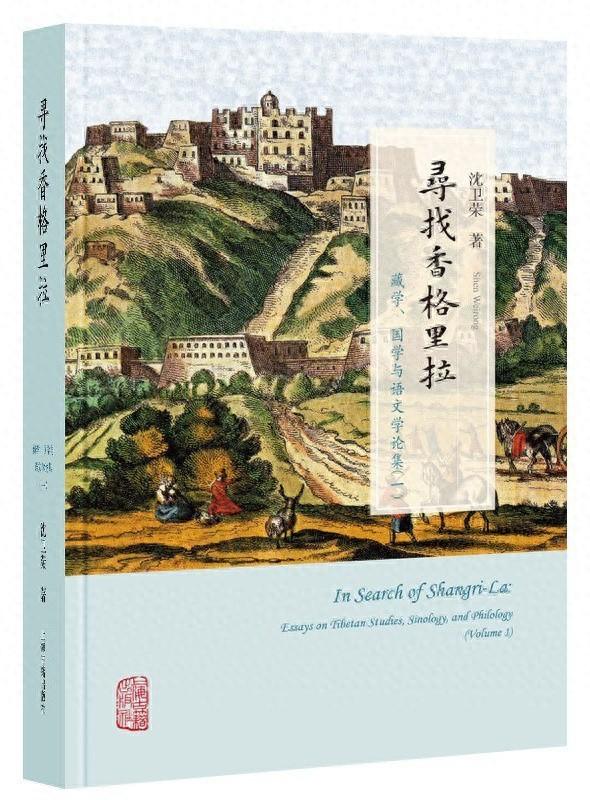
Core Perspective - The two works by Shen Weirong, "Searching for Shangri-La" and "Are We Still Prisoners of Shangri-La?", explore the complex interplay between Tibetan studies, Chinese studies, and literary studies, questioning whether the pursuit of knowledge leads to self-imposed limitations in understanding Tibetan culture and identity [3][4][10]. Summary by Sections Overview of the Works - "Searching for Shangri-La" was first published in December 2010 and sparked discussions on the "Tibet issue," addressing misconceptions about Tibetan traditions and lifestyles while advocating for a textual and linguistic approach to reveal the true essence of Tibet [4][5]. - The 2025 reissue by Shanghai Ancient Books Publishing House includes "Are We Still Prisoners of Shangri-La?" as a complementary piece, emphasizing the importance of interdisciplinary research in Tibetan studies, Chinese studies, and literary studies [4][6]. Methodological Approach - The advocated method of literary studies is a "decentralization" practice that neither accepts the "exotic privilege" of Tibetan studies nor the "central perspective" of Chinese studies, allowing texts to speak through the collision of multiple languages and civilizations [6][12]. - The works emphasize the significance of literary studies as a core methodology, integrating empirical research and textual analysis to bridge Tibetan and Chinese studies [7][12]. Cultural Symbolism and Misinterpretation - The concept of "Shangri-La" is deconstructed, revealing how Western narratives have transformed Tibetan culture into a commodified symbol, stripping it of its religious and cultural significance [5][8]. - The author critiques the oversimplification of Tibetan culture in academic discourse and calls for a return to a more nuanced understanding of Tibetan identity through historical and cultural contexts [9][11]. Academic Reflection and Paradigm Shift - "Are We Still Prisoners of Shangri-La?" addresses the "prisoner's dilemma" in academic research, urging scholars to move beyond mere adherence to established authorities and to engage in independent, evidence-based inquiry [10][11]. - The author warns against the dominance of Western narratives in Tibetan studies and advocates for a return to local methodologies that reflect the historical and cultural realities of Tibet [10][11]. National Identity and Cultural Integration - The works situate Tibetan studies within the broader context of national cultural strategies and identity construction, arguing that the Sinicization of Tibetan Buddhism is a result of historical cultural integration rather than mere assimilation [11][13]. - By tracing the historical interactions between Han and Tibetan cultures, the author constructs a narrative that emphasizes the shared heritage and mutual influence between these cultures [11][13]. Interdisciplinary Research and Future Directions - The two volumes highlight the potential for interdisciplinary research to enrich the understanding of Tibetan culture and its relationship with Chinese culture, advocating for a methodology that balances empirical evidence with theoretical insights [12][13]. - The author encourages further exploration of digital humanities and the integration of Tibetan literature into global academic dialogues, aiming for a more autonomous and confident narrative in Tibetan studies [16].
讲述中华民族共同体故事
Xin Lang Cai Jing· 2025-12-24 19:52
(来源:内蒙古日报) 转自:内蒙古日报 ◎王丙珍 2025年9月,鄂伦春族女作家侯波创作的长篇小说《雪猎》由百花文艺出版社出版发行。此部作品是中 国作家协会2020年度少数民族文学重点作品扶持项目之成果,亦是鄂伦春族作家创作的第一部长篇小 说。 《雪猎》贯穿小兴安岭之雪与鄂伦春族游猎生产生活之审美意象,从女性视角描绘雪季、雪原、雪地、 雪野、雪花、雪水、雪兔,厚描出猎、围猎、追猎及不猎而猎,"阿迈走过去,大狍子斜卧在草窝里, 三岔狍角的狍头真好看,能做一个漂亮的灭塔哈。"鄂伦春族婚姻礼仪以民族传统与氏族规范为核心, 艾戈艳婚礼中关于开脸的仪式融合了汉族礼俗,实为民族文化交往交流交融的见证。朝鲜族、汉族、鄂 伦春族等各民族人民皆在同一生态空间中相生共存,"对于苏赫欠这样的猎民来说,雪就像农民的雨、 牧民的草。"小说作品中大公鸡的陌生化、吃土豆、面饼等情节描写,皆表现中华民族共同体文化事 象,人们向往美景、美味、美德与美好的生活以及"各美其美、美美与共"的和美未来。由此,作者不仅 讲述了一个鄂伦春族故事、一个中华民族共同体故事、一个中国故事,更是讲述了一个人类命运共同体 故事。 《雪猎》承载个体性与民族性、感性与 ...

人这一辈子,一定要来宁夏见证“籽籽同心”的力量!
Xin Lang Cai Jing· 2025-12-23 00:31
Core Viewpoint - The article highlights the vibrant cultural integration and ethnic unity in Ningxia, showcasing various community activities and economic developments that foster a sense of belonging among different ethnic groups [10][38][48]. Cultural Integration - Ningxia's unique geographical location has created a fertile ground for diverse cultural exchanges, with communities engaging in various traditional and modern activities [4][10]. - The "薪火相传" (Passing the Torch) elderly cadre storytelling group has conducted 1,680 sessions, sharing revolutionary history and instilling values in the youth [12][14]. - Community events like the "千家宴" (Thousand Family Feast) promote inter-ethnic harmony through shared meals and celebrations [38][41]. Economic Development - In Ganjing Village, the introduction of smart greenhouses has led to a tomato yield of approximately 20 tons per greenhouse, providing stable employment for 12 villagers and increasing their annual income by 15,000 yuan [17][19]. - The village's tourism initiatives, including a starry sky homestay and rainbow slide, have attracted over 20,000 visitors, generating an estimated annual revenue of 800,000 yuan [19][21]. Ecological Conservation - Ningxia has successfully managed to combat desertification, with 1.7 million acres of desert treated, creating a green barrier that has halted the advance of the Tengger Desert by 25 kilometers [33][37]. - The region's efforts in ecological restoration have garnered international recognition, with over 20 countries expressing interest in learning from Ningxia's experiences [37]. Community Cohesion - The article emphasizes the importance of community bonds, with initiatives that connect residents across ethnic lines, fostering mutual support and understanding [41][44]. - The call for a unified national identity is reinforced by community leaders, aiming to strengthen the collective consciousness among various ethnic groups [44][48].

为兵团事业发展贡献青春力量
Xin Lang Cai Jing· 2025-12-21 19:39
Core Viewpoint - The article emphasizes the importance of youth engagement and education in contributing to the development of Xinjiang and the Bingtuan, highlighting the need for students to embody the spirit of loyalty, unity, and dedication in their pursuits [1] Group 1: Educational Initiatives - The Bingtuan Party Committee has organized a lecture at Tarim University focusing on the theme of contributing wisdom and strength to the development of Xinjiang [1] - The lecture included discussions on the spirit of the 20th Central Committee of the Communist Party, using stories to illustrate key values such as loyalty, unity, and the importance of modern industrial development [1] Group 2: Youth Development - Emphasis was placed on the need for students to remember the grand blueprint outlined by the 20th Central Committee and the expectations set by General Secretary Xi Jinping for the youth [1] - The importance of cultivating a strong sense of community and mental well-being among students was highlighted, along with the need for educational institutions to provide support and guidance [1]
在推进中华民族共同体建设中作示范
Xin Lang Cai Jing· 2025-12-21 19:38
Core Viewpoint - The Chinese Communist Party emphasizes the importance of national unity and the construction of a shared Chinese national community, which is seen as essential for the great rejuvenation of the Chinese nation [1][2][3]. Group 1: Achievements and Historical Context - Since the founding of New China, all ethnic groups have achieved genuine equality and unity under the socialist system, leading to significant historical changes in the appearance of ethnic minorities and regions [2]. - The historical development of the Chinese nation is characterized by the joint efforts of various ethnic groups in creating a unified multi-ethnic state and a rich cultural heritage [3]. Group 2: Leadership and Ideological Guidance - The core leadership of Xi Jinping is crucial for steering the national unity and progress of ethnic groups, with the guiding principles rooted in Xi Jinping's Thought on Socialism with Chinese Characteristics for a New Era [2][3]. - The Party's leadership is essential for maintaining a common ideological and political foundation among all ethnic groups, ensuring effective governance and collaboration across various departments [4]. Group 3: Cultural and Social Integration - Cultural recognition is fundamental for fostering unity, with an emphasis on promoting socialist core values and enhancing education on patriotism and collectivism [4]. - Efforts are being made to strengthen the common spiritual home of the Chinese nation through the promotion of the national common language and the integration of various ethnic cultures [4][5]. Group 4: Economic Development and Modernization - Accelerating high-quality development in ethnic regions is vital for achieving common prosperity, with a focus on enhancing agricultural productivity and improving public services [6]. - The promotion of inter-ethnic exchanges and interactions is seen as a key approach to building a cohesive national community, with initiatives aimed at facilitating tourism and employment opportunities [6]. Group 5: Legal Framework and Governance - The establishment of the Ethnic Unity and Progress Promotion Law is a significant step towards creating a new framework for ethnic work, enhancing the legal basis for national unity and community building [6]. - Legal measures will support the governance of ethnic affairs and promote high-quality development in the ethnic unity and progress sector [6].
《人民日报》刊发陈刚署名文章:加强新时代思想政治工作 为凝心聚力建设新时代壮美广西注入强大精神力量
Ren Min Ri Bao· 2025-12-18 02:13
Core Viewpoint - The article emphasizes the importance of strengthening ideological and political work in the context of building a beautiful new era in Guangxi, highlighting its role in unifying thoughts, gathering consensus, and inspiring collective efforts [1][2][3]. Group 1: Importance of Ideological and Political Work - Strengthening and improving ideological and political work is crucial for the party's future, national stability, and the cohesion of the nation [2]. - The party has historically prioritized ideological and political work, recognizing it as essential for achieving various tasks across different historical periods [3]. - The recent introduction of the "Regulations on Ideological and Political Work" marks a significant step towards the scientific, institutional, and standardized development of this work [4]. Group 2: Role in Guangxi's Development - Ideological and political work is seen as a guiding force in the high-quality development of Guangxi, especially in the context of national policies supporting the region [5]. - The article stresses the need for unity and collective effort among the people of Guangxi to realize the ambitious plans laid out by the central government [5]. Group 3: Enhancing Ideological and Political Work - The focus is on improving the ideological awareness, moral standards, and cultural literacy of the people in Guangxi to strengthen ideological and political work [6]. - The article advocates for the integration of Xi Jinping's thoughts into the political direction and practice of the region, ensuring alignment with the central leadership [7]. Group 4: Learning and Implementation - Emphasis is placed on the importance of studying and implementing the spirit of the 20th Central Committee, making it a major political task for the current period [8]. - The article calls for a comprehensive approach to learning and promoting the committee's spirit, linking it with practical actions to drive high-quality development [8]. Group 5: Building a Shared Spiritual Home - The article highlights the need to foster a sense of community among various ethnic groups in Guangxi through cultural initiatives and events [10]. - It emphasizes the importance of promoting traditional culture and values to enhance social stability and unity [10][11]. Group 6: Strengthening Party Leadership - The article underscores the necessity of the party's comprehensive leadership in ideological and political work, ensuring responsibilities are clearly defined and effectively executed [12]. - It advocates for a coordinated approach that integrates ideological work with various aspects of party governance and societal development [12][13].
加强新时代思想政治工作 为凝心聚力建设新时代壮美广西注入强大精神力量(学习贯彻《中国共产党思想政治工作条例》)
Ren Min Ri Bao· 2025-12-17 00:33
Core Viewpoint - The article emphasizes the extreme importance of ideological and political work in the context of the new era, highlighting its role in unifying thoughts, building consensus, and promoting the construction of a beautiful Guangxi in line with the directives of the central government [1][2][3]. Group 1: Importance of Ideological and Political Work - Ideological and political work is crucial for the party's future, national stability, and the cohesion of the nation, and must be integrated into all aspects of the party's work [2]. - The party has historically prioritized ideological and political work, recognizing it as essential for unifying thoughts and achieving various historical tasks [3]. - The recent issuance of the "Regulations on Ideological and Political Work" marks a significant step towards the scientific, institutional, and standardized development of this work [4]. Group 2: Role in Guangxi's Development - The central government's support for Guangxi's development has fostered unity and motivation among its people, making ideological and political work essential for high-quality development [5]. - The ideological and political work should guide the actions of party members and officials to align with the central government's directives, ensuring collective effort towards achieving the envisioned goals for Guangxi [5]. Group 3: Enhancing Ideological and Political Work - The focus is on guiding, inspiring, and uniting people to provide a strong ideological and political guarantee for modernizing Guangxi [6]. - There is an emphasis on deepening the understanding and implementation of the spirit of the 20th National Congress, making it a major political task for party members [7]. - Efforts should be made to gather positive energy for unity and progress by integrating ideological work into various forms of communication and outreach [8]. Group 4: Strengthening Leadership and Coordination - The party's comprehensive leadership is fundamental to effective ideological and political work, necessitating clear responsibilities and innovative methods [11]. - A coordinated approach is required to integrate ideological work with political, organizational, and disciplinary construction, creating a new framework for ideological and political work [12]. - Embracing digital transformation and utilizing technology can enhance the effectiveness and relevance of ideological and political work in contemporary society [13].