军国主义

Search documents
日方倒行逆施危及地区和平稳定(国际论坛)
Ren Min Ri Bao· 2025-12-04 22:16
日本借台湾问题生事,谋求成为军事大国,严重冲击《联合国宪章》《波茨坦公告》等确立的战后国际 秩序,冲击东亚安全,加剧地区安全困境。《联合国宪章》规定的"集体自卫权"是为维护国际社会集体 安全、防止法西斯势力复活而创设的权利。战后东亚安全的关键安排之一就是基于战后国际秩序确立日 本走和平主义路线,限制日本行使集体自卫权。而对二战侵略历史并未深刻反省的日本藐视国际法义 务,擅自以内阁决议的形式解禁集体自卫权,大幅调整安保政策,加速扩增防卫预算,放宽武器出口限 制,图谋放弃"无核三原则",谋求发展进攻性武器,在强军扩武的错误道路上越走越远。高市政权蓄意 打破日本自卫队淡化军事色彩的惯例,拟恢复"大佐"等部分旧日本军队的军阶用语,意图复活军国主 义。日方的做法升高地区冲突风险,成为破坏地区和平稳定的重大风险源。 台湾问题不是日本可以随意摆弄的"战略筹码",更不能成为日本用以对外军事扩张的借口。历史上,日 本军国主义多次以所谓"存亡危机"和"紧急自卫"为谎言发动对外侵略战争,包括1931年对中国发起的九 一八事变和1941年对美国发起的袭击珍珠港事件。如今,高市政权执念历史修正主义,抛弃战败历史教 训,重拾军国主义扩张 ...
日本军国主义“还魂” ? 四大灾难性后果值得警惕|国际识局
Zhong Guo Xin Wen Wang· 2025-12-04 03:43
近日,日本首相高市早苗发表干涉中国内政、企图染指台湾问题、突破战后日本和平宪法限制的危险言 论,为"台独"分裂势力张目。此类论调并非孤立事件,而是近年来日本国内某些政治势力在历史修正主 义道路上越走越远、在军事扩张方向上愈发躁动的缩影。 高市早苗的言行,像是从明治、昭和时期流传而来的"陈年味噌",迫使国际社会不得不严肃审视一个沉 重的话题:战后隐匿的军国主义幽灵是否重新走向前台?其卷土重来的趋势究竟会对地区乃至全球安全 构成何等严峻的危害? 军国主义思潮暗流涌动 历史教训岂容遗忘 判断军国主义是否"卷土重来",需观察其核心特征是否再现:是否美化侵略历史、是否追求武力扩张、 是否挑战战后国际秩序。 战后日本并未完全禁止对其自身侵略历史脱罪化的言论,却在近年来含沙射影指责中国,并以此为借口 持续增加军费,谋求所谓"对敌基地攻击能力",突破"专守防卫"原则的束缚。过去数周,高市早苗在涉 及中国核心利益的台湾问题上更是踏上红线。 这些动向与战后和平宪法的理念背道而驰,与日本政府曾经作出的"郑重承诺"和"反省"相悖,清晰地表 明军国主义思想并未得到彻底清算,反而在特定政治土壤中寻找到新的滋生空间。 更值得注意的是,高市 ...
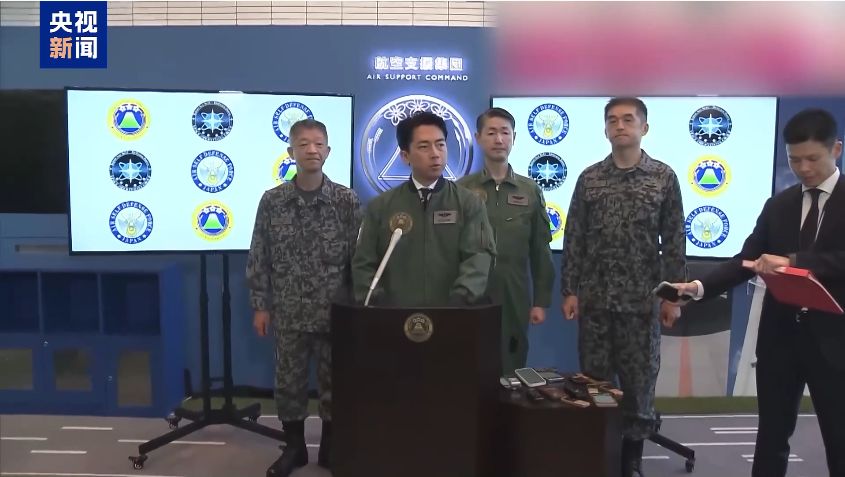
日本新动作曝光!拟打造“航空宇宙自卫队”和“宇宙作战集团”:会和美国太空军联合演习、训练 甚至联合作战
Mei Ri Jing Ji Xin Wen· 2025-12-04 02:14
Core Viewpoint - Japan's government, under Prime Minister Kishi Nobuo, is aggressively pursuing military expansion under the guise of "self-defense," with a strong focus on militarizing space [1][3]. Group 1: Military Expansion Plans - Japan's Defense Minister Koizumi Shinjiro emphasized the importance of space as a critical area for both military and civilian purposes during a visit to the Air Self-Defense Force base [3]. - The Japanese government plans to reorganize the Air Self-Defense Force into an "Aerospace Self-Defense Force" by the fiscal year 2026, with the "Space Operations Group" expected to be upgraded to a "Space Operations Corps" by 2025 [3]. - Japan is also developing "bodyguard satellites" to enhance its space defense capabilities and plans to invest heavily in a "low-orbit satellite constellation" project, akin to the Starlink initiative [3]. Group 2: Strategic Considerations - Japan aims to establish a more comprehensive space reconnaissance system using optical infrared imaging satellites and radar reconnaissance satellites to monitor foreign military targets [4]. - The military communication and navigation satellites will support Japan's Self-Defense Forces in the Indian and Pacific Oceans, facilitating overseas deployments for intelligence and information support [4]. - New early warning satellites are being launched to strengthen Japan's overall missile defense capabilities, reducing the effectiveness of other nations' ballistic missile capabilities [5]. Group 3: International Reactions and Concerns - International observers have expressed concerns that Prime Minister Kishi Nobuo's statements signal a resurgence of Japanese militarism, which could threaten regional and global peace and stability [6][7]. - Critics argue that Japan's military expansion and provocative statements could escalate tensions and potentially lead to conflict, highlighting the historical context of Japan's military actions in Asia [7][8].

日本被曝昼夜赶建军事基地!现场曝光
Mei Ri Jing Ji Xin Wen· 2025-12-03 07:17
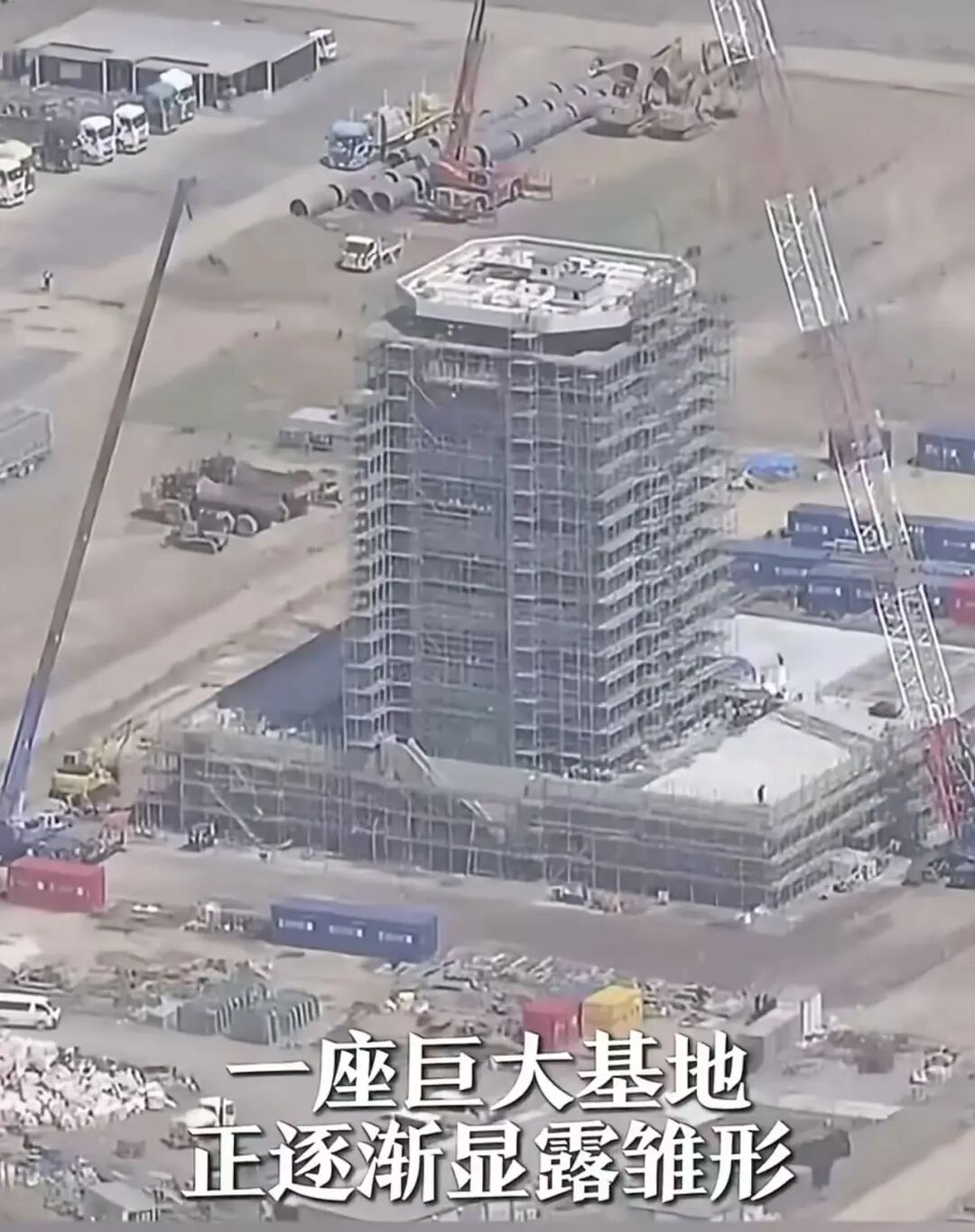
Core Points - Japan is enhancing its military capabilities, particularly in the southwestern islands, with a focus on Amami Oshima and Mako Island, which are strategically important [1] - A new runway of approximately 2000 meters is planned on Mako Island for U.S. aircraft carrier operations, with construction ongoing to meet a completion deadline of March 2030 [4] - Japan's defense budget for the fiscal year 2025 is set to reach approximately 11 trillion yen (about 498.2 billion RMB), marking a significant increase and a departure from the historical limit of defense spending being under 1% of GDP [8] Military Developments - Japan's military preparations are becoming more practical and detailed, indicating a shift towards a more proactive defense strategy in response to potential regional conflicts, particularly concerning Taiwan [6] - The Japanese government is investing in various defense-related initiatives, including the development of "universal plasma" and legal frameworks for wartime scenarios, reflecting a comprehensive approach to national security [6] Budgetary Changes - The approved supplementary budget for defense in 2025 includes 1.1 trillion yen (approximately 49.8 billion RMB), contributing to a total defense expenditure that will account for about 2% of Japan's GDP [8] - Japan's defense spending has seen a continuous increase for 13 consecutive years, indicating a significant shift in defense policy since 2012 [8] International Reactions - China's Foreign Ministry has expressed concerns over Japan's military expansion and changes to its defense policies, warning against a return to militarism and the potential disruption of post-war international order [10]
国际论坛:日本应从军国主义妄想中清醒过来
Ren Min Ri Bao· 2025-12-03 00:42
Core Viewpoint - Japan must awaken from its militaristic delusions, particularly in light of recent provocative statements by Prime Minister Sanae Takaichi regarding Taiwan, which threaten regional stability and challenge historical truths [3][4][5] Group 1: Japan's Recent Political Statements - Prime Minister Takaichi's assertion that "Taiwan's situation" could pose an existential crisis for Japan suggests a potential military intervention, which has worsened Sino-Japanese relations and destabilized Northeast Asia [3] - Takaichi's remarks contradict Japan's previous commitments under the 1972 Sino-Japanese Joint Statement, undermining diplomatic credibility and increasing regional tensions [3][4] Group 2: Historical Context and Implications - Japan's right-wing factions, including Takaichi, are seen as provoking issues related to China, driven by a misinterpretation of China's development and a sense of loss from Japan's prolonged economic stagnation [4] - The lack of thorough reflection on Japan's militaristic past and the ongoing denial or distortion of historical events pose a continuous threat to regional peace [4][5] Group 3: The Need for Reflection and Responsibility - Japan bears historical responsibility regarding Taiwan and should approach related issues with a mindset of reflection and apology, rather than provocative rhetoric [5] - The resurgence of militaristic ideologies in Japan is viewed as a dangerous delusion that could lead to renewed conflict and suffering for innocent civilians, necessitating immediate intervention to prevent such outcomes [4]
高市错上加错只会满盘皆输
Xin Hua Wang· 2025-12-02 13:30
Core Viewpoint - The article criticizes Japanese Prime Minister Kishi Nobuo's remarks regarding Taiwan, asserting that they reflect a dangerous historical revisionism and militaristic tendencies that threaten the post-war international order [1][2][3] Group 1: Historical Context - Kishi's claims about Taiwan being a potential crisis for Japan are seen as an attempt to obscure the established historical facts regarding Taiwan's status as part of China [1] - The article emphasizes that international legal documents such as the Cairo Declaration and the Potsdam Proclamation affirm China's sovereignty over Taiwan, countering Kishi's reliance on the San Francisco Peace Treaty [2] Group 2: Military Implications - Kishi's actions are interpreted as a push for military expansion, including increased defense spending and potential changes to Japan's nuclear policy, which raises concerns about a resurgence of militarism [2] - The article warns that Japan's current trajectory could lead to dangerous outcomes, urging a return to acknowledging historical truths to avoid repeating past mistakes [2][3] Group 3: Call to Action - The article calls on Japan to cease its militaristic rhetoric and adhere to the principles of the four political documents between China and Japan, emphasizing the need for Japan to recognize its historical responsibilities [2]
新华时评丨高市错上加错只会满盘皆输
Xin Hua She· 2025-12-02 12:57
Group 1 - The article criticizes Japanese Prime Minister Kishi's remarks linking Taiwan's situation to Japan's survival crisis, suggesting that such statements are erroneous and exacerbate existing issues [2][3]. - It emphasizes that there is only one China and that Taiwan is an inseparable part of Chinese territory, supported by international legal documents such as the Cairo Declaration and the Potsdam Proclamation [2][3]. - The article argues that Kishi's selective interpretation of historical documents, particularly favoring the San Francisco Peace Treaty, reveals a deliberate attempt to undermine the One China principle and promote militaristic expansion [3]. Group 2 - The article warns Japan against persisting on a misguided path, stating that such actions will lead to inevitable losses, reflecting both historical lessons and current realities [4]. - It highlights Kishi's militaristic ambitions, including increased defense spending and potential changes to Japan's nuclear policy, which signal a dangerous shift in Japan's military posture [3]. - The article calls for Japan to acknowledge historical truths and adhere to the principles established in the four political documents between China and Japan, urging a halt to provocations regarding Taiwan [3].
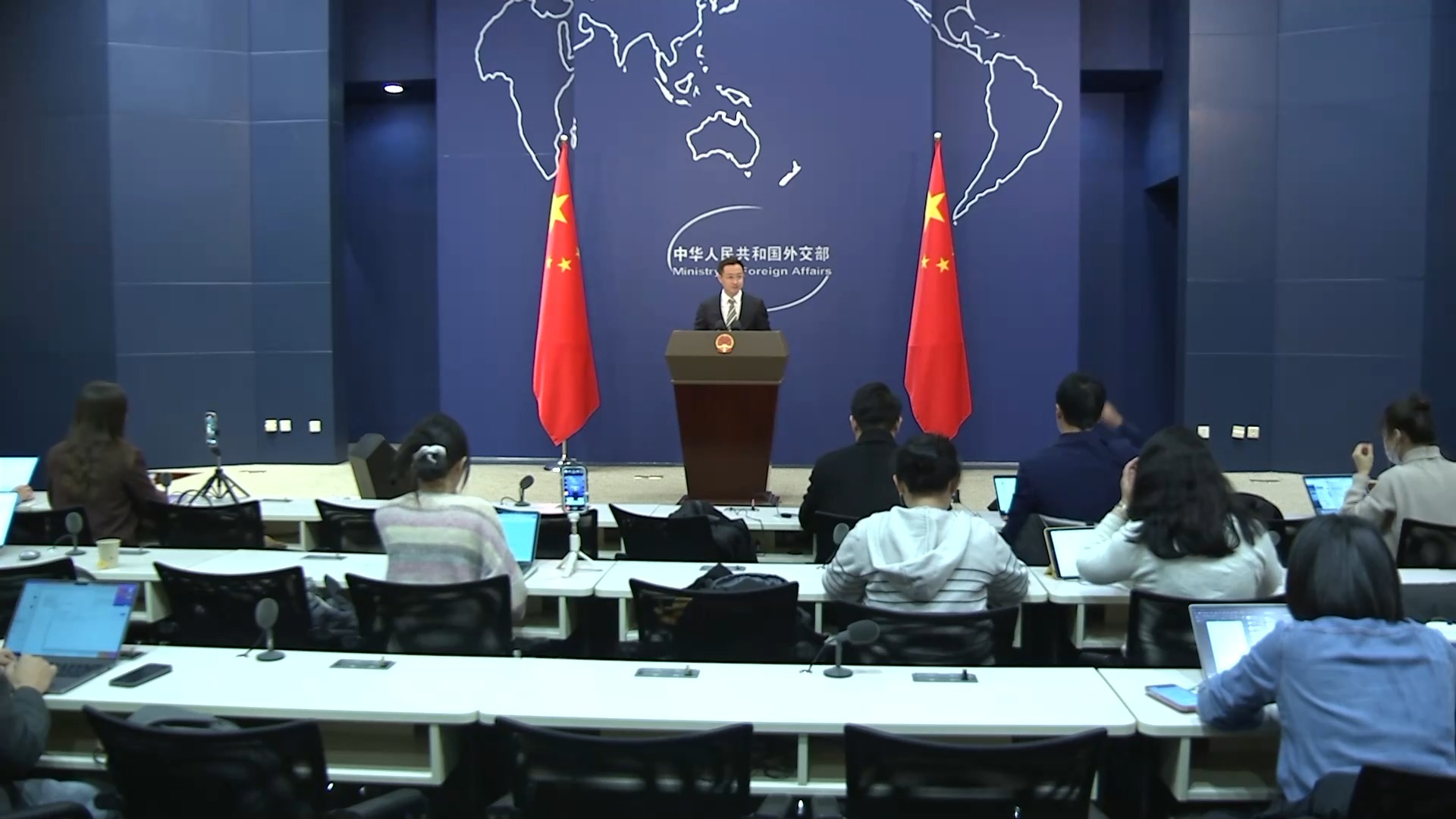
外交部:任何外部势力胆敢介入台海事务,我们必将迎头痛击!
证券时报· 2025-12-02 09:45
Group 1 - The Chinese government firmly opposes Japan's challenge to the post-war international order and the revival of militarism, emphasizing that Japan's recent statements violate the principles of the UN Charter [2][3] - Japan's ambassador to the UN made unfounded claims regarding Taiwan, and the Chinese side demands clarity on Japan's "consistent position" on the Taiwan issue as outlined in four political documents [2][3] - The Chinese government reiterates its stance that Taiwan is an integral part of China and any external interference in Taiwan affairs will be met with strong resistance [4][5] Group 2 - The Chinese government has sent a letter to the UN Secretary-General reaffirming its position against Japan's actions, especially in light of the 80th anniversary of the victory in the Anti-Japanese War and the global anti-fascist war [3] - There is a call for Japan to reflect on its past actions and fulfill its obligations as a defeated nation, urging Japan to stop undermining the feelings of the two nations' citizens [5][6] - The Chinese government expresses hope that relevant Japanese organizations will play a positive role domestically to mitigate the negative impacts of Japan's statements [5][6]
触手乱伸?日本包藏何等祸心|新漫评
Zhong Guo Xin Wen Wang· 2025-12-02 08:58
Core Viewpoint - The recent statement by Japanese Prime Minister Sanae Takaichi regarding Taiwan potentially constituting a "survival crisis" for Japan indicates a significant shift in Japan's defense posture and reflects the rise of extreme right-wing ideologies within Japanese politics [1] Group 1 - Takaichi's remarks suggest a possible revision of Japan's "Three Non-Nuclear Principles," highlighting a move towards a more militaristic stance [1] - The political ideology and actions of Takaichi are deeply rooted in Japan's extreme right, indicating a broader trend of militarism in the region [1] - The metaphor of Takaichi's ideology as "toxic octopus tentacles" suggests an expansionist approach that could have implications for regional security dynamics [1]
中方坚决反对日本挑战战后国际秩序、为军国主义招魂
Yang Shi Xin Wen· 2025-12-02 08:14
Core Viewpoint - The Chinese government strongly opposes Japan's recent statements regarding Taiwan, asserting that they challenge the outcomes of World War II and the post-war international order, and emphasizes the necessity of addressing these issues through formal communication with the United Nations [1][4]. Group 1 - Japan's permanent representative to the UN made unfounded claims in a letter to the UN Secretary-General, which China refutes as filled with erroneous views and hypocrisy [3]. - The Chinese government questions Japan's ambiguous stance on Taiwan, demanding a clear and accurate explanation of its position as outlined in the four political documents between China and Japan [3]. - Japan's Prime Minister, Fumio Kishida, linked Japan's defense policy to Taiwan, which China views as a direct threat to its sovereignty, contradicting Japan's stated defense principles [3]. Group 2 - The Chinese government reiterates its firm stance on Taiwan, emphasizing that the resolution of Taiwan issues is a matter for China alone, free from external interference [3]. - The letter from the Chinese permanent mission to the UN highlights Japan's military expansion and historical revisionism since its defeat in World War II, accusing Japan of undermining international commitments [3][4]. - China calls on Japan to reflect on its actions and fulfill its obligations as a defeated nation, urging it to adhere to international commitments and avoid further provocations [4].