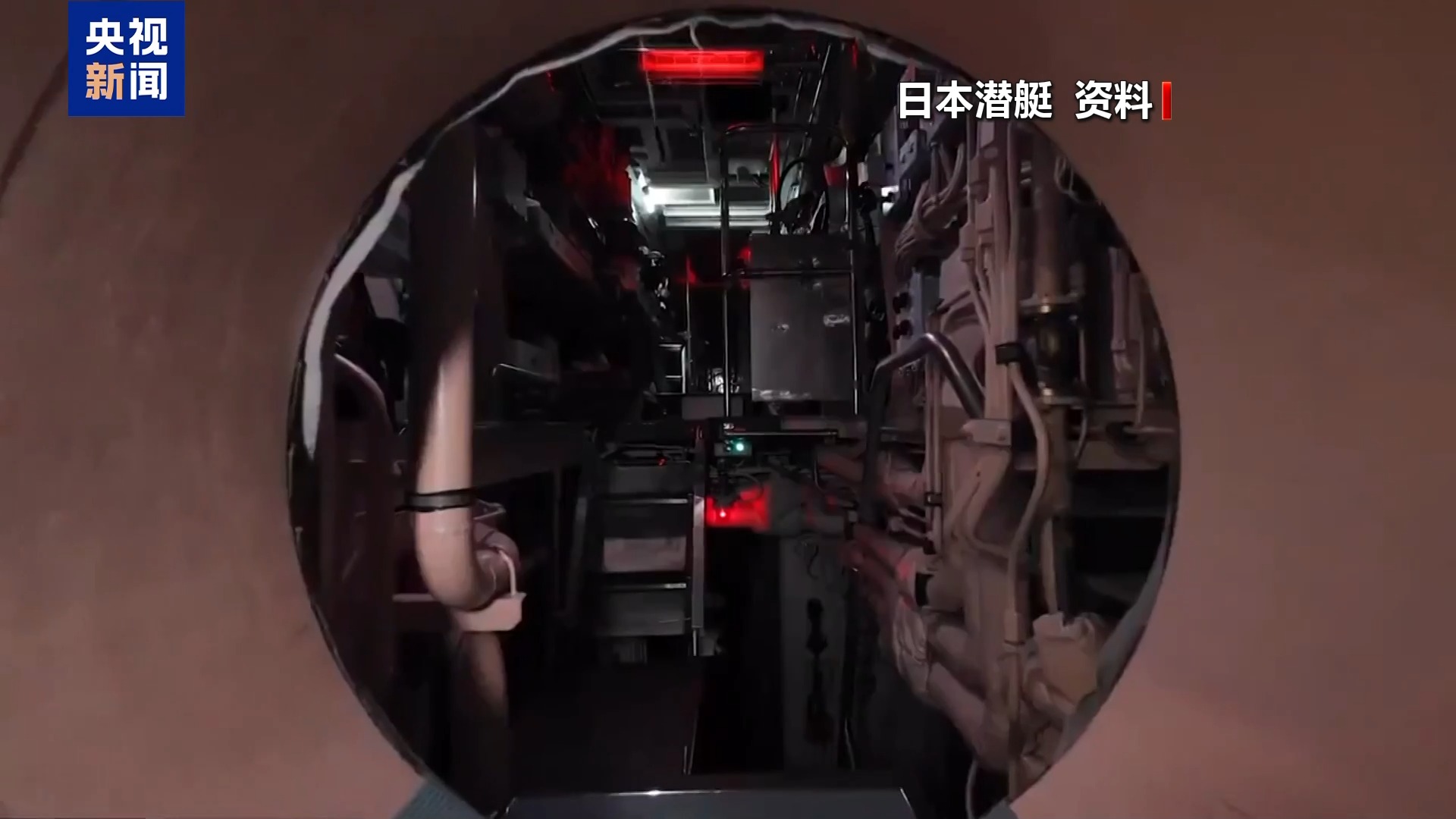
无核三原则

Search documents
高市政府内拥核势力明显抬头
Xin Lang Cai Jing· 2025-12-22 06:58
Core Viewpoint - The discussion around Japan potentially acquiring nuclear weapons has sparked significant debate within the ruling Liberal Democratic Party (LDP) and among opposition parties, highlighting a divide in Japan's security policy and its historical commitment to pacifism [1][2][3]. Group 1: Nuclear Policy Debate - A senior official from the Japanese Prime Minister's office expressed support for Japan acquiring nuclear weapons, which has led to criticism from various political factions, including opposition parties [1][2]. - The LDP's internal factions, particularly the faction led by Sanae Takaichi, are pushing to break Japan's "Three Non-Nuclear Principles," established in 1971, which state that Japan will not possess, manufacture, or introduce nuclear weapons [2][3]. - There is a concern that if Japan were to acquire nuclear weapons, it would have to withdraw from the Treaty on the Non-Proliferation of Nuclear Weapons (NPT) and the International Atomic Energy Agency (IAEA), complicating its energy policies [2][3]. Group 2: Political and Legal Constraints - The internal divisions within the LDP regarding nuclear policy reflect a complex interplay between Japan's post-World War II pacifist legacy and the desire to be seen as a "normal" nation with military capabilities [3]. - Legal restrictions, public anti-nuclear sentiment, and the opposition from various political parties pose significant challenges to any potential shift in Japan's nuclear policy [3][4]. - The recent discussions and actions by LDP leaders indicate a shift in Japan's defense strategy from "defensive" to "proactive deterrence," aiming to strengthen the Japan-U.S. alliance and enhance Japan's deterrent capabilities in the Asia-Pacific region [4]. Group 3: Regional and Global Implications - Any adjustment in Japan's nuclear policy could lead to a regional arms race, disrupt the security balance in the Asia-Pacific, and undermine global non-proliferation efforts [4].
高市政府试探红线,“再军事化”野心膨胀,周边国家警惕日本“拥核”动向
Huan Qiu Shi Bao· 2025-12-21 23:23
【环球时报综合报道】21日在一档电视节目中,日本执政党官员再次就"核议题"表态。其中,自民党安 全保障调查会长小野寺五典宣称,有必要围绕"无核三原则"的定位展开探讨。18日,日本首相官邸一名 负责安全保障政策的官员公然向媒体妄言"日本应当拥有核武器",这一骇人言论随即激起轩然大波。国 内层面,日本朝野各界接连发声施压,要求将涉事官员撤职。前首相石破茂20日明确表态,拥有核武 器"对日本来说绝不是一件有利的事情"。邻国层面,周边国家对日本"拥核"动向高度警惕,中国、俄罗 斯和朝鲜先后就此发出严正警告。朝中社21日发表朝鲜外务省日本研究所所长的谈话,称"热爱和平的 人们必须坚决制止日本这个战犯国家的危险军事妄想"。相关专家21日在接受《环球时报》记者采访时 表示,日本政府官员近期的"拥核"言论并非个人观点的偶然表达,而是日本国内政治右倾化的必然结 果,更像是一种对舆论的"试探"。这一试探既体现出日本安保政策激进化、和平主义根基松动的"危险 动向",也暴露了日本当局突破"和平宪法"与战后秩序的野心,对亚太地区的和平稳定构成严重潜在威 胁。 "' 拥核言论 ' 难道要颠覆战后日本的发展轨迹? " 小野寺五典21日在日 ...
朝中社刊文:必须遏制日本拥核野心
证券时报· 2025-12-21 10:40
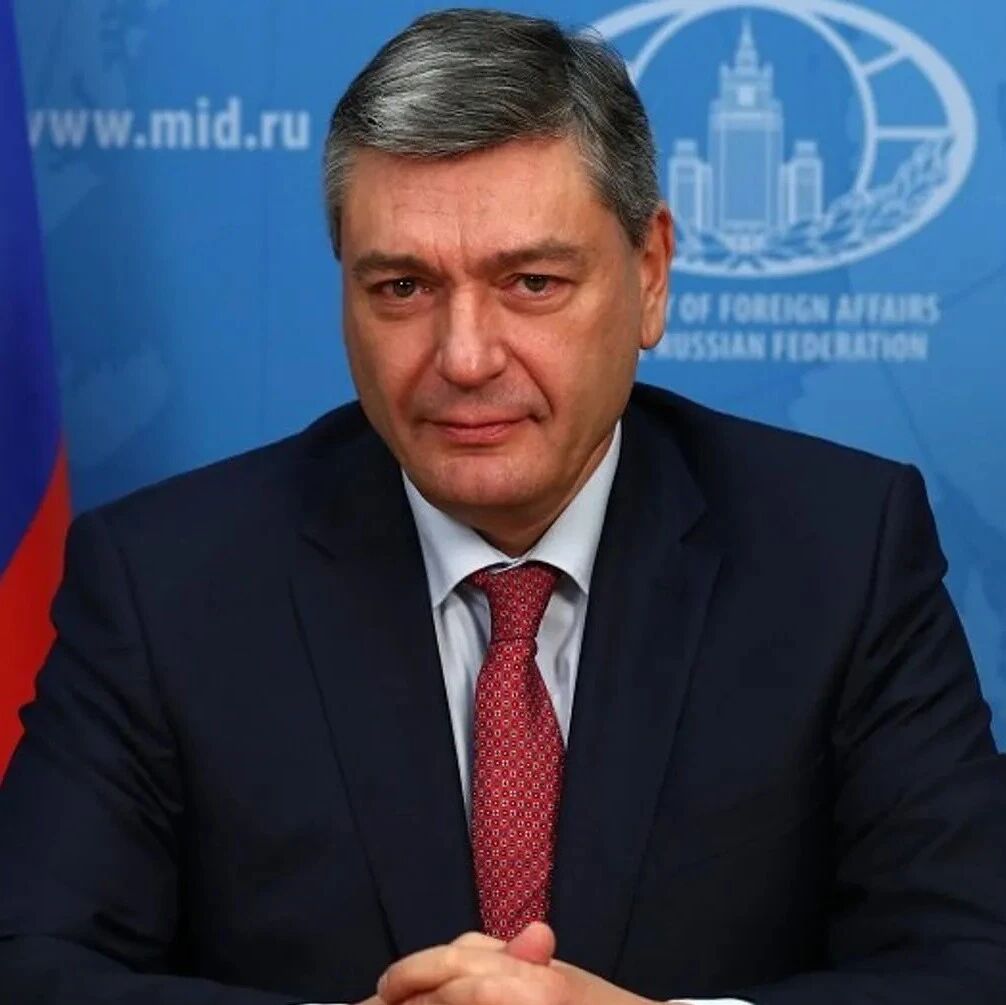
Group 1 - The core viewpoint of the article is that North Korea condemns Japan's significant adjustment of its security policy, claiming it reveals Japan's ambition to possess nuclear weapons and must be firmly stopped [1] - North Korea's Foreign Ministry criticizes Japan's security policy changes, which include enhancing preemptive strike capabilities, relaxing arms export restrictions, and reconsidering the "Three Non-Nuclear Principles," suggesting Japan aims to transform into a war state [1] - The article highlights a statement from Russian Deputy Foreign Minister Rudenko, who opposes discussions in Japan regarding the possibility of nuclear armament, asserting that Japan's militarization will escalate tensions in Northeast Asia [1]

日官员称要讨论无核三原则
Xin Lang Cai Jing· 2025-12-21 09:22
【#日官员称要讨论无核三原则#】#日本自民党计划向内阁提交涉核动议# 央视新闻援引日本方面消 息,在21日的一档辩论节目中,日本自民党安全保障调查会长小野寺五典提出,有必要就"无核三原 则"的定位展开讨论。他谈及日本依赖美国"核保护伞"的现状,称"这是应当讨论的课题之一"。 小野寺 五典说,自民党计划于明年2月向内阁提交相关动议,推动国会讨论。"无核三原则"指不拥有、不制 造、不引进核武器。近期,日本多个政党、多名政要和不少民间团体机构呼吁,必须坚持"无核三原 则",避免战争惨祸重演。中国外交部发言人日前表示,日方应切实履行《不扩散核武器条约》义务, 坚持"无核三原则",不做损害全球和地区安全的事情。 (视频内容为此前日本防卫大臣小泉进次郎涉 核表态 视频来源:环球网) 转自:京报网_北京日报官方网站 ...
事态严重!石破茂发话
券商中国· 2025-12-21 07:20
Core Viewpoint - The former Japanese Prime Minister Shigeru Ishiba stated that Japan's possession of nuclear weapons "will never bring positive effects" to the country [1][2]. Group 1: Nuclear Weapons Debate - A senior official from the Japanese Prime Minister's office suggested that Japan should possess nuclear weapons due to the increasingly severe security environment surrounding the country [2]. - Ishiba emphasized that if Japan were to acquire nuclear weapons, it would have to withdraw from the Treaty on the Non-Proliferation of Nuclear Weapons and the International Atomic Energy Agency, complicating Japan's nuclear energy policy [1][2]. - The remarks from the official faced strong criticism from various sectors, including former Defense Minister Gen Nakatani, who stated that government representatives should not make such personal opinions publicly [2]. Group 2: Political Reactions - The leader of the Komeito party, Tetsuo Saito, expressed shock and anger at the timing of the remarks, coinciding with the 80th anniversary of the atomic bombings in Hiroshima and Nagasaki, asserting that nuclear weapons would isolate Japan diplomatically and worsen its security environment [2]. - Chinese Foreign Ministry spokesperson Guo Jiajun warned that if the reports were true, it would indicate a serious situation and expose dangerous intentions from certain Japanese individuals to breach international law and acquire nuclear weapons [2].
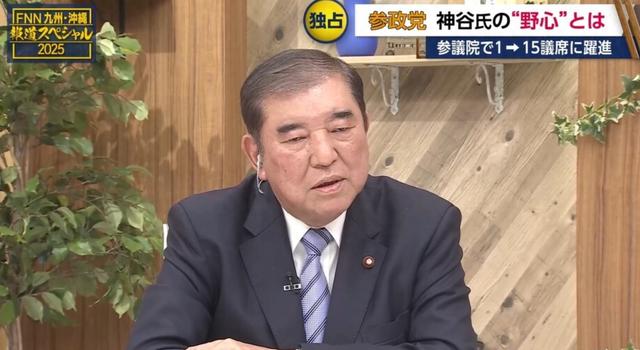
石破茂:日本拥核绝无好处
Xin Lang Cai Jing· 2025-12-21 05:43
Core Viewpoint - The discussion around Japan potentially acquiring nuclear weapons has sparked significant controversy, with former Prime Minister Shigeru Ishiba warning that nuclear armament would be detrimental to Japan [1][3]. Group 1: Official Statements and Opinions - A Japanese official suggested that Japan should consider acquiring nuclear weapons due to a "severe security environment," citing the increasing nuclear capabilities of China, Russia, and North Korea, as well as concerns about the credibility of U.S. nuclear deterrence [3]. - Ishiba emphasized that while he acknowledges the importance of nuclear weapons for national security, he believes it would not benefit Japan to pursue nuclear armament [1][3]. Group 2: Government and Policy Context - The current Japanese government, led by Prime Minister Fumio Kishida, has previously engaged in discussions related to nuclear issues, including the potential for nuclear submarines and revisiting the "Three Non-Nuclear Principles" [4]. - The Chinese Foreign Ministry criticized Japan's military security rhetoric, suggesting that it reflects a resurgence of militarism and ambitions to escape international constraints [4]. Group 3: International Reactions - Russia's Deputy Foreign Minister expressed opposition to Japan's discussions on nuclear armament, stating that Japan's militarization could escalate tensions in Northeast Asia [5].
俄罗斯:明确反对!
中国能源报· 2025-12-21 02:30
当地时间12月20日,俄罗斯副外长鲁登科表示,俄罗斯对日本围绕"拥核"可能性展开的讨论持反对态度。 鲁登科说,俄方知道日本国内正围绕这一议题展开讨论,即修改宪法中涉及"无核三原则"的相关条款,俄方持明确的反对立场。俄方认 为,日本的"再军事化"只会加剧东北亚地区的紧张局势,当然也会遭到面临威胁国家的反制。 来源:央视新闻客户端 俄副外长:俄反对日本围绕"拥核"可能性展开的讨论。 End 欢迎分享给你的朋友! 出品 | 中国能源报(c ne ne rgy) 编辑丨赵方婷 ...
“核武装论”?!高市政府官员在冒天下之大不韪
Xin Lang Cai Jing· 2025-12-21 02:13
Group 1 - The Japanese government, under the leadership of Prime Minister Fumio Kishida, is facing backlash from various political parties and civil groups due to a government official's recent comments advocating for nuclear armament, which contradicts Japan's long-standing "Three Non-Nuclear Principles" [1][2] - The official's remarks have sparked concerns about a potential shift in Japan's defense policy, as there are indications that the Kishida administration is considering revising its security strategy to abandon the principle of not possessing or introducing nuclear weapons [2][3] - The rise of right-wing sentiments in Japan is seen as a threat to the post-war international order, with fears that the government may accelerate militarization and challenge the existing nuclear non-proliferation framework [2][3] Group 2 - The historical context of Japan's pacifist stance is being undermined by the current government's rhetoric, which is perceived as a revival of militarism and a departure from international legal obligations [3] - There is a growing alarm among various political factions and civil organizations in Japan regarding the implications of abandoning the "Three Non-Nuclear Principles," which could lead to increased military expansion and destabilization in the region [2][3] - The international community is urged to remain vigilant in response to Japan's potential shift towards nuclear armament, emphasizing the need for Japan to reflect on its historical responsibilities and adhere to its constitutional commitments [3]
短评|“核武装论”?!高市政府官员在冒天下之大不韪
Xin Hua She· 2025-12-21 01:59
Core Viewpoint - The recent statements by a senior official in the Takashi government advocating for Japan to possess nuclear weapons have sparked significant controversy and backlash, particularly from anti-nuclear groups and opposition parties, highlighting the tension surrounding Japan's post-war pacifist principles and its potential shift towards militarization [1][2]. Group 1: Government Statements and Reactions - A senior official in the Takashi government publicly suggested that Japan should consider acquiring nuclear weapons, which has led to protests from atomic bomb victim associations and demands for the official's removal by opposition parties [1]. - The Takashi administration's discussions about revising Japan's "Three Non-Nuclear Principles" indicate a potential shift in policy towards nuclear armament, which has raised alarms about the revival of militarism in Japan [2]. Group 2: Historical Context and Implications - Japan's post-war constitution established the "Three Non-Nuclear Principles," which prohibit the country from possessing, producing, or allowing nuclear weapons on its territory, making the recent comments a serious challenge to this established framework [1][2]. - The rise of right-wing sentiments and historical revisionism in Japan is seen as a threat to international nuclear non-proliferation efforts, with calls for Japan to adhere to its pacifist commitments to prevent a resurgence of militarism [3].
视频丨日首相官邸官员称“日本应该拥核”引争议 专家分析→
Yang Shi Xin Wen Ke Hu Duan· 2025-12-20 23:57
一段时间以来,日本在军事安全问题上错误言行不断。据日本方面消息,日本首相官邸一名主管安全保障事务的官员当地时间18日称"日本应该拥有核武 器"。此番公然突破核政策底线的言论一经曝出,立即在日本国内引发巨大争议。 这是日本现任高级官员首次作出这种表态吗?历史上,日本在企图拥核上的劣迹有哪些? 日本自主拥核意识早已有之 0:00 中国社科院日本研究所综合战略研究室主任 卢昊:战后日本确立了和平宪法以及所谓"专守防卫"的国防原则,但是在日本军事领域,突破核问题的禁忌, 乃至于追求自主拥核,一直是日本社会长期存在的意识,甚至是呼声。 保守势力将与美"核共享"作为现实目标 中国社科院日本研究所综合战略研究室主任 卢昊:战后美日同盟关系,实际上就是以美国"核保护伞"为前提的同盟合作框架。所以,如果日本要依赖美国 在亚太的威慑体系,就要对美国在日本地区,甚至在日本本土的核力量存在持默许和支持的态度。事实上,日本也是这样做的。 日本正在为突破"无核三原则"试探造势 中国社科院日本研究所综合战略研究室主任 卢昊:现在日本大力推动强军备武、安全自主,也就是我们所说军事上大国化的目标。在核问题上,突破"无核 三原则",特别是允许美 ...