
医养结合

Search documents
守护“夕阳红”!我国开展为期3年的医养结合促进行动
Xin Hua Wang· 2025-10-29 14:09
Core Points - The Chinese government has launched a three-year initiative to promote the integration of medical and elderly care services, aiming to enhance service quality and supply by the end of 2027 [1][2] Group 1: Policy Objectives - By the end of 2027, the initiative aims to improve the medical-elderly care policy framework, enhance service systems, increase service supply, and better meet the health and elderly care needs of senior citizens [1] - The initiative focuses on seven key areas, including resource layout, talent development, home and community services, service supply expansion, support for disabled and cognitively impaired elderly, quality management, and safety production [1] Group 2: Talent Development - The initiative encourages local higher education institutions and vocational schools to establish programs related to medical care and management, elderly service management, and smart health elderly services, with a target of adding at least 30 new programs by the end of 2027 [2] Group 3: Support for Disabled Elderly - The initiative emphasizes the need to provide health services for disabled elderly individuals, support economically disadvantaged disabled elderly care needs, promote specialized services for cognitively impaired elderly, and implement long-term care insurance systems [2]
邻里互助、智慧监管、“四床联动”,北京怀柔多举措织密养老服务网
Bei Jing Shang Bao· 2025-10-29 11:03
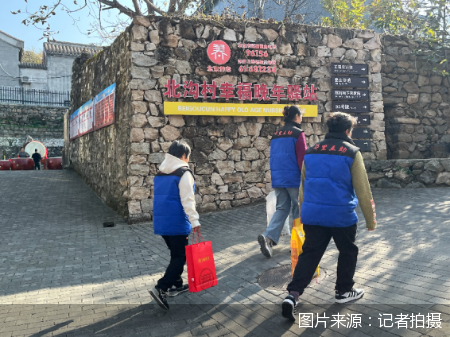
一张覆盖城乡、贯通区村的三级养老服务网,正在将专业的养老力量源源不断地输送到北京怀柔的老人 身边与家中。10月28日,北京商报记者从北京市怀柔区民政局了解到,作为全国县域养老服务体系创新 试点,从农村邻里互助的"熟人服务",到区级智慧平台的"精准监控",再到养老机构与医疗资源的"无 缝衔接",怀柔区正通过构建三级养老服务网,精准对接全区老年人的养老需求,为老年人提供了身 边、家边、周边的普惠服务。 146个互助点,志愿服务2.4万人 农村邻里互助养老服务点,是怀柔区三级养老服务体系的重要补充。针对部分村庄缺乏养老机构、养老 服务驿站的现状,怀柔区优先在这类"服务空白村"布局互助点,依托邻里间距离近、感情亲、易沟通的 优势,以村为单位、农村党组织为核心,广泛动员本村党员、网格员、低龄健康老年人、假期返村学生 等群体担任邻里互助员,重点解决独居、高龄老年人的日常养老需求。 在怀柔区北沟村,邻里互助点正有序运转。北沟村党支部书记、村主任王全介绍,村里老人较多,针对 高龄、卧床老人的照护需求,村里邻里互助养老服务点组建了18人志愿者队伍,重点服务12名老人。 "每次来都给我母亲理发、测血压,还陪她聊天。"百岁老人李凤 ...

苏州首家内嵌式公立护理院!吴中区甪直镇护理院揭牌启用
Yang Zi Wan Bao Wang· 2025-10-29 10:02
Core Points - The establishment of the nursing home in Luzhi Town marks the first embedded nursing home set up by a public medical institution in Suzhou, aiming to explore an integrated service model of "medical care, nursing, rehabilitation, and elderly care" [1][11] Group 1: Nursing Home Overview - The nursing home is affiliated with Suzhou Wuzhong District Second People's Hospital, which is the only public grassroots medical institution in Luzhi Town, serving a population of over 200,000 [3][9] - The nursing home occupies an area of 1,600 square meters and includes various functional areas such as activity rooms, terrace gardens, and nutrition meal preparation rooms [5] - The nursing home operates under a model of "one management team, two signs," utilizing existing hospital resources without increasing staff, converting 50 hospital beds into nursing beds for long-term care patients [5][11] Group 2: Healthcare and Elderly Care Integration - The nursing home aims to alleviate family caregiving pressure in the region by creating a positive cycle of "nursing supporting medical care and medical care promoting nursing" [5][11] - Suzhou has a growing elderly population, with increasing demand for diverse health and elderly care services, currently having 9 elderly hospitals and 112 nursing homes with over 20,000 beds [9][11] - The establishment of the nursing home is part of a broader initiative to balance the development of public and private nursing homes and enhance the effective use of healthcare resources [11][13]

部署25项具体任务 五部门开展医养结合促进行动
Yang Shi Xin Wen· 2025-10-29 09:56
Core Viewpoint - The National Health Commission and four other departments have launched a three-year initiative to promote the integration of medical and elderly care services, aiming for improved policies and service systems by the end of 2027 [1] Group 1: Service Resource Layout - The initiative includes enhancing the service system for integrated medical and elderly care, supporting the expansion of care functions, and deepening collaboration within medical alliances [1] Group 2: Talent Development - The plan emphasizes expanding the training of professional personnel, improving the professional skills of staff, and providing health education and caregiving skills training [1] Group 3: Home and Community Services - The initiative aims to strengthen health management for the elderly, enhance the effectiveness of family doctor contracts, and provide embedded community services [1] Group 4: Service Supply Expansion - It includes deepening the effective connection of services in care institutions, promoting integrated traditional Chinese medicine services, popularizing mental health knowledge, increasing insurance support, and enhancing information technology support [1] Group 5: Support for Disabled and Dementia Patients - The plan focuses on health service actions for disabled elderly individuals, ensuring care for economically disadvantaged disabled elderly, encouraging specialized services for dementia patients, and promoting the implementation of long-term care insurance [1] Group 6: Quality Management - The initiative includes implementing assessment systems for elderly admissions, strengthening quality control, promoting multidisciplinary continuous services, and standardizing the management of personal medications [2] Group 7: Safety Production - It emphasizes strengthening industry supervision, ensuring institutional accountability, and conducting emergency drills for infectious disease prevention [3]
五部门:开展为期3年的医养结合促进行动
智通财经网· 2025-10-29 08:59
Core Viewpoint - The National Health Commission and other departments have launched a three-year initiative to promote the integration of medical and elderly care services, aiming for comprehensive policy improvement and service capability enhancement by the end of 2027 [1][2]. Group 1: Service Resource Layout - The initiative aims to establish a robust medical-elderly care service system by leveraging existing healthcare and elderly service networks, ensuring that by 2027, each county has at least one institution providing integrated services [3][4]. - There will be support for expanding the functions of medical-elderly care services, including the transformation of certain healthcare institutions into rehabilitation and nursing facilities [3]. Group 2: Talent Development - The plan includes expanding the training of professional talents in medical-elderly care, with a target of establishing at least 30 new programs by 2027 [5]. - Continuous education and training for existing staff in medical-elderly care institutions will be emphasized to enhance their professional skills [5][6]. Group 3: Community and Home Services - The initiative will enhance health management services for elderly individuals, particularly those aged 65 and above, ensuring comprehensive coverage [7]. - Family doctor services will be optimized to provide convenient health management for elderly patients, with a target of achieving at least 80% coverage for special needs elderly individuals by 2027 [7]. Group 4: Service Supply Expansion - There will be a focus on establishing cooperative relationships between medical and elderly care institutions to streamline service delivery and improve patient care [8]. - The integration of traditional Chinese medicine into elderly care services will be promoted, with specific techniques being implemented in care facilities [8]. Group 5: Quality Management - A comprehensive assessment system for elderly individuals upon admission to care facilities will be established to tailor services to their needs [12]. - Quality control measures will be reinforced, ensuring that service quality management is a key performance indicator for institutions [12][13]. Group 6: Safety and Regulation - The initiative emphasizes the importance of regulatory oversight for institutions providing integrated services, ensuring compliance with safety standards [14]. - Institutions are required to implement emergency response plans for infectious disease outbreaks and conduct regular safety drills [14]. Group 7: Policy Coordination and Support - The initiative calls for enhanced organizational leadership and resource coordination among various departments to effectively expand service capacity [15].
邯郸:多点发力推动养老服务扩面增效
Zhong Guo Jing Ji Wang· 2025-10-29 01:27
Group 1 - The aging population is a significant social phenomenon, with traditional family care being challenged by modern economic developments, leading to more elderly individuals living alone and facing difficulties in emergencies [1] - Handan City is implementing a comprehensive action plan to improve elderly care services, focusing on integrating, standardizing, enhancing, and leading the development of elderly care institutions [1] Group 2 - Handan City has optimized the layout of special care institutions through measures like consolidation and upgrading, achieving a goal of full coverage for special care services [2] - The local government has invested over 30 million yuan in high-standard renovations of public elderly care facilities, significantly improving the living conditions for elderly residents [2] Group 3 - Handan City has introduced 23 specific measures for home care safety and convenience, benefiting over 10,000 households with a total investment of 16 million yuan over four years [3] - The city has implemented a "no application required" service for elderly subsidies, automatically identifying eligible individuals through data sharing, benefiting 189,000 seniors aged 80 and above [3] Group 4 - The integration of medical and elderly care services is crucial for addressing the challenges of aging, with Handan City establishing collaborative mechanisms between elderly care and medical institutions [4] - The "one bed for both medical and elderly care" service allows seniors to receive comprehensive care without needing to move between facilities, enhancing their overall experience [4] Group 5 - Handan City has signed 68 cooperation agreements with high-level hospitals in Beijing and Tianjin, expanding access to quality medical services for the elderly [5] - The number of integrated medical and elderly care institutions in the city has reached 176, with a total of 21,100 beds available [5] Group 6 - Innovative travel-based elderly care models are being developed, allowing seniors to experience diverse environments and activities, enhancing their quality of life [6] - Handan City is promoting the integration of cultural tourism and elderly care, creating specialized communities and travel routes to support this new model [6][7] Group 7 - The local government is prioritizing key elderly care projects with policies for land supply, approval, and subsidies, aiming to add 6,300 new beds through 16 ongoing projects [7] - The total output value of six related industries, including cultural tourism and traditional Chinese medicine, is projected to reach 58.67 billion yuan in 2024, driving high-quality development in elderly care services [7]
从“养老”到“享老” 数字里看镇江老龄事业发展
Zhen Jiang Ri Bao· 2025-10-29 00:26
Core Insights - The elderly population in Zhenjiang is projected to reach 868,600 by the end of 2024, accounting for 32.92% of the total registered population, with those aged 65 and above making up 23.83% [1] - The city has seen a continuous increase in pension benefits and social security measures, ensuring a stable financial foundation for retirees [2] - Healthcare policies are increasingly favorable for the elderly, with significant reductions in medical costs and enhanced insurance coverage [3] Group 1: Elderly Population and Demographics - By the end of 2024, Zhenjiang will have 868,600 elderly individuals, with 628,800 aged 65 and above [1] - The number of centenarians in Zhenjiang has increased to 377, with a higher proportion of females [1] Group 2: Pension and Social Security - In 2024, pensions for retirees will have increased for the 20th consecutive year, with basic pensions for urban and rural residents raised for the 15th time [2] - The city has provided financial support for 7,504 individuals from four categories of vulnerable groups, totaling 2.076 million yuan [2] Group 3: Healthcare and Medical Support - Retired individuals benefit from lower outpatient costs and higher reimbursement rates compared to working individuals [3] - The city has implemented a long-term care insurance program, with 1.388 million participants and various services available [3] Group 4: Community and Social Services - Zhenjiang has improved community dining services and implemented home modifications for elderly residents, enhancing their living conditions [6] - The city has trained nearly 2,000 caregivers and provided financial support for private elderly care institutions [6] Group 5: Infrastructure and Accessibility - In 2024, Zhenjiang will renovate 55 old residential communities, benefiting 13,000 households and improving accessibility for the elderly [7] - The city has conducted smart technology training for over 39,579 elderly individuals to help them adapt to modern technology [7] Group 6: Cultural and Recreational Activities - The establishment of a cultural resource center for the elderly and various cultural events has enriched the lives of senior citizens [8] - The city promotes the active participation of elderly individuals in community governance and volunteer services [8]
高净值银发族养老收入替代率75%,保险可以做什么?
Sou Hu Cai Jing· 2025-10-28 11:39
Core Insights - The aging population in China is becoming a pressing reality, with projections indicating that by the end of 2024, the elderly population aged 60 and above will reach 310 million, accounting for 22% of the total population [3] - High-net-worth individuals show a strong preference for home-based elderly care, with 68% opting for it, while 21% choose institutional care, and 11% prefer community care [3] - The average annual expenditure for high-net-worth individuals on institutional care is 275,000 yuan, with 37% spending over 300,000 yuan annually [3] Group 1: Aging Population and Financial Services - The role of commercial insurance in elderly care is becoming increasingly significant, with high-net-worth retirees enjoying a replacement income rate of 75%, significantly higher than the national average of 42.6% [4] - Over 50% of high-net-worth individuals have actively allocated funds to commercial annuity insurance, indicating a strong inclination towards financial products that support retirement [4] Group 2: Company Initiatives and Strategies - On its 25th anniversary, China CITIC Bank Life Insurance launched a comprehensive elderly care service system that integrates medical care, wealth management, and cross-border cooperation, marking a new era in response to national elderly care strategies [5] - The company aims to build a comprehensive elderly financial service system focusing on the four core areas of health, care, education, and wealth, providing one-stop solutions for individuals, families, and enterprises [5][6] Group 3: Future Home Project - The "Future Home" project aims to combine traditional family care with diverse elderly services, creating a comprehensive service system that includes health protection, spiritual nourishment, and life experiences [7] - The project will feature facilities such as medical rooms, rehabilitation centers, and a secondary hospital embedded within the elderly care institution, ensuring a patient-centered medical care system [7] Group 4: Talent Development and Professionalization - To enhance the implementation of elderly financial services, the company has initiated a certification management system for elderly financial planners, aiming to cultivate professionals with comprehensive capabilities in wealth management and care services [8] - The introduction of ten representatives from various subsidiaries as elderly financial planners signifies an upgrade in the talent support for the elderly financial service system [8]


扬州涉老优待政策“部门化”“碎片化”难题有效破解,老年人幸福指数显著提升
Yang Zi Wan Bao Wang· 2025-10-28 09:38
据介绍,该市在国内率先颁布了以老年人优待为主题的地方性法规——《扬州市老年人优待条例》,于 2025年元月1日起施行。《条例》在现行优待政策的基础上,扩大了老年人享受景区门票和城市公交优 惠年龄范围。建立健全市、县两级涉老优待职能部门联席会议机制,设立服务、监督热线,及时受理、 依法解决好各类举报和投诉,促进涉老优待政策系统集成,破解涉老优待政策"部门化""碎片化"难题。 市委将老龄委调整为日常议事协调机构,明确市发改委、卫健委等32个部门为成员单位,进一步健全完 善老龄工作的领导机制。编制完成《扬州市区养老服务设施布局规划》,提升基本养老服务保障。 记者了解到,该市将城乡居民基本养老保险基础养老金最低标准调整到240元,全市企业职工基本养老 保险覆盖175.62万人,各级财政预算安排养老保险补助资金13.67亿元。实现80岁以上老年人尊老金发放 全覆盖,享受政府购买居家养老服务的老年人占比达17.67%,惠及23.61万人。为市区70岁以上、其他 地区为80岁以上老年人购买意外伤害综合保险,全市老年人参保率达到70%以上。 记者从发布会上获悉,该市积极推进困难群体智能安防报警系统,加大探访关爱频次,实现经济 ...
北京市建成120家基层养老服务中心 覆盖207万老年人
Xin Jing Bao· 2025-10-26 14:56
Core Insights - The article highlights the ongoing efforts in Beijing to enhance elderly care services through community-based centers, focusing on the integration of medical and caregiving services for the aging population [1][8]. Group 1: Elderly Care Services - The North Palace Town elderly care center provides various services, including home visits by healthcare professionals and regular cleaning and grooming services for seniors [1][2]. - As of September 2025, Beijing plans to establish 120 street (township) elderly care service centers, covering 2.07 million elderly individuals, which accounts for 40% of the city's elderly population [1][8]. - The East District Peace Street elderly care center offers a range of activities, including a "fall prevention" course, and serves as a social hub for retirees, helping them reintegrate into community life [2][3]. Group 2: Activities and Engagement - The elderly care centers organize various activities, such as handcraft sessions where seniors create their own potted plants, fostering creativity and social interaction [4][5]. - The North Palace Town elderly care center has conducted 144 activities in its first year of operation, with plans to increase to 192 activities in 2025, serving a total of 5,760 participants [5][6]. Group 3: Health and Wellness Initiatives - During the "Respect for the Elderly Month," the Beijing civil affairs department initiated a "Happy Health" service week, offering over 500 health promotion activities, including dental health and psychological care for seniors [7]. - The community dining services provided by 73 elderly care centers include meal delivery and special events like food festivals, aimed at enhancing the dining experience for seniors [7][8]. Group 4: Infrastructure and Support - The elderly care service network in Beijing consists of a three-tier system, integrating community resources to provide comprehensive services such as meal assistance, caregiving, and medical support [8]. - The established elderly care centers have linked with 360 operational stations and 933 professional service providers to ensure a wide range of services for the elderly [8].