
脑机接口技术

Search documents
全国首例“医保价”脑机接口手术在武汉完成,技术普惠化产业化迈出关键一步
Chang Jiang Ri Bao· 2025-11-27 11:04
Core Insights - The first clinical implantation of a brain-computer interface (BCI) in China was successfully completed at Huazhong University of Science and Technology Tongji Hospital, marking a significant step in the commercialization and accessibility of BCI technology [1][2] - The procedure is the first to be executed under a government-approved medical service pricing project, indicating a shift from research to clinical application [2][3] Group 1: Clinical Implementation - The surgery was performed on a 31-year-old patient with spinal cord injury, utilizing a BCI device with 64-channel flexible electrodes to monitor brain signals related to hand movement and sensation [1][2] - The operation was funded by research grants, as BCI technology is still in the clinical trial phase and has not yet entered market application [2] Group 2: Policy and Pricing - In March 2025, Hubei Province will implement the first national pricing project for BCI medical services, establishing fees for invasive and non-invasive procedures [2] - The invasive BCI implantation fee is set at 6,552 yuan per procedure, with additional fees for extraction and non-invasive adaptation, providing a regulatory framework for clinical application [2] Group 3: Future Implications - The successful execution of this surgery is seen as a foundational step for future large-scale clinical applications of BCI technology, establishing a critical institutional basis for subsequent healthcare reimbursements [3]

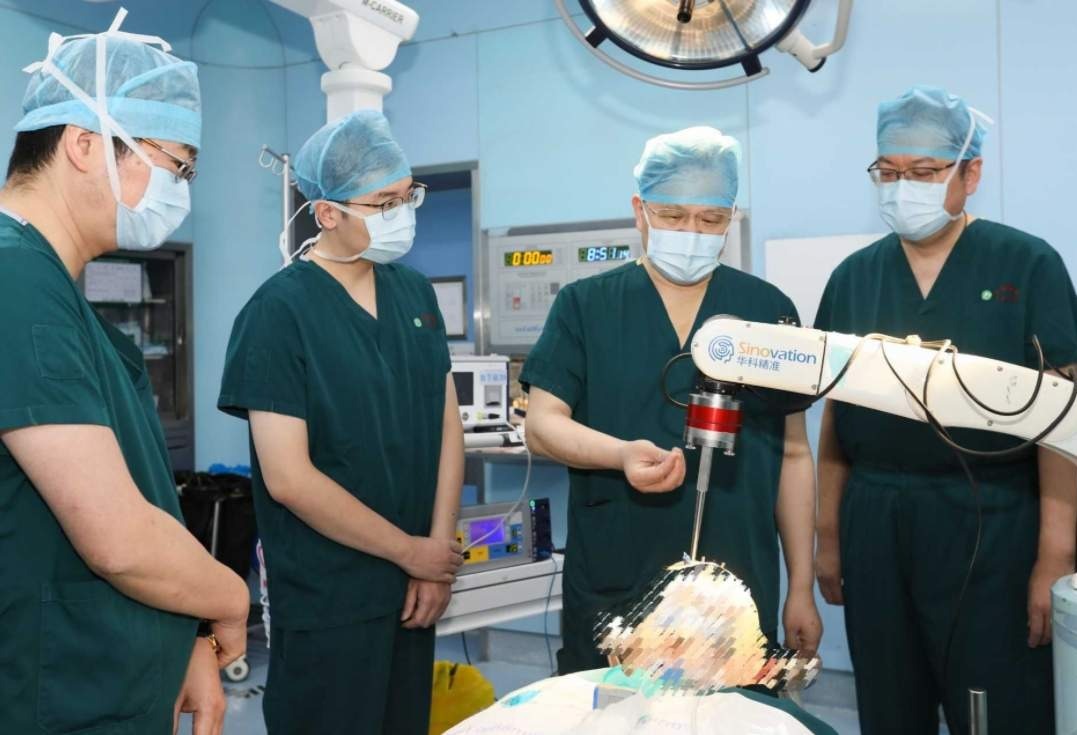
武汉完成全国首例“医保价”脑机接口手术
Di Yi Cai Jing· 2025-11-27 09:08
(文章来源:第一财经) 人民财讯11月27日电,11月26日,31岁的脊髓损伤患者小刘(化名)在华中科技大学附属同济医院神经 外科顺利完成了植入式脑机接口手术,开启我国脑机接口(BCI)临床应用的新阶段。 本次手术是我国首例按照政府核定医疗服务价格项目执行的脑机接口临床操作(即侵入式脑机接口置入 费6552元/次,不含脑机接口设备等费用),标志着脑机接口技术从科研探索阶段正式进入医疗服务收 费目录体系,在推动技术普惠化与产业化方面迈出重要一步。 ...
武汉完成全国首例“医保价”脑机接口手术,侵入式脑机接口置入费6552元/次
Di Yi Cai Jing· 2025-11-27 07:39
Core Insights - The first clinical application of invasive brain-computer interface (BCI) in China has been successfully performed, marking a new phase in the country's BCI development [1] - The procedure was conducted at Huazhong University of Science and Technology's Tongji Hospital, with a government-approved service price of 6552 yuan per procedure, excluding the cost of the BCI device [1][5] - This development signifies the transition of BCI technology from research to a standardized medical service, paving the way for broader accessibility and industrialization [1][5] Summary by Sections - **Clinical Application**: The first invasive BCI surgery was performed on a 31-year-old patient with spinal cord injury, demonstrating the potential of BCI technology in clinical settings [1] - **Cost Structure**: The established cost for the invasive BCI procedure is 6552 yuan per session, which is a significant step towards integrating BCI into the healthcare payment system [5] - **Regulatory Framework**: The implementation of a standardized pricing model for BCI procedures by the Hubei Provincial Medical Insurance Bureau is a pioneering move that facilitates the inclusion of BCI in regular medical services [5] - **Future Implications**: The successful surgery and its regulatory backing are expected to lay a crucial foundation for the large-scale clinical application of BCI technology in the future [5]
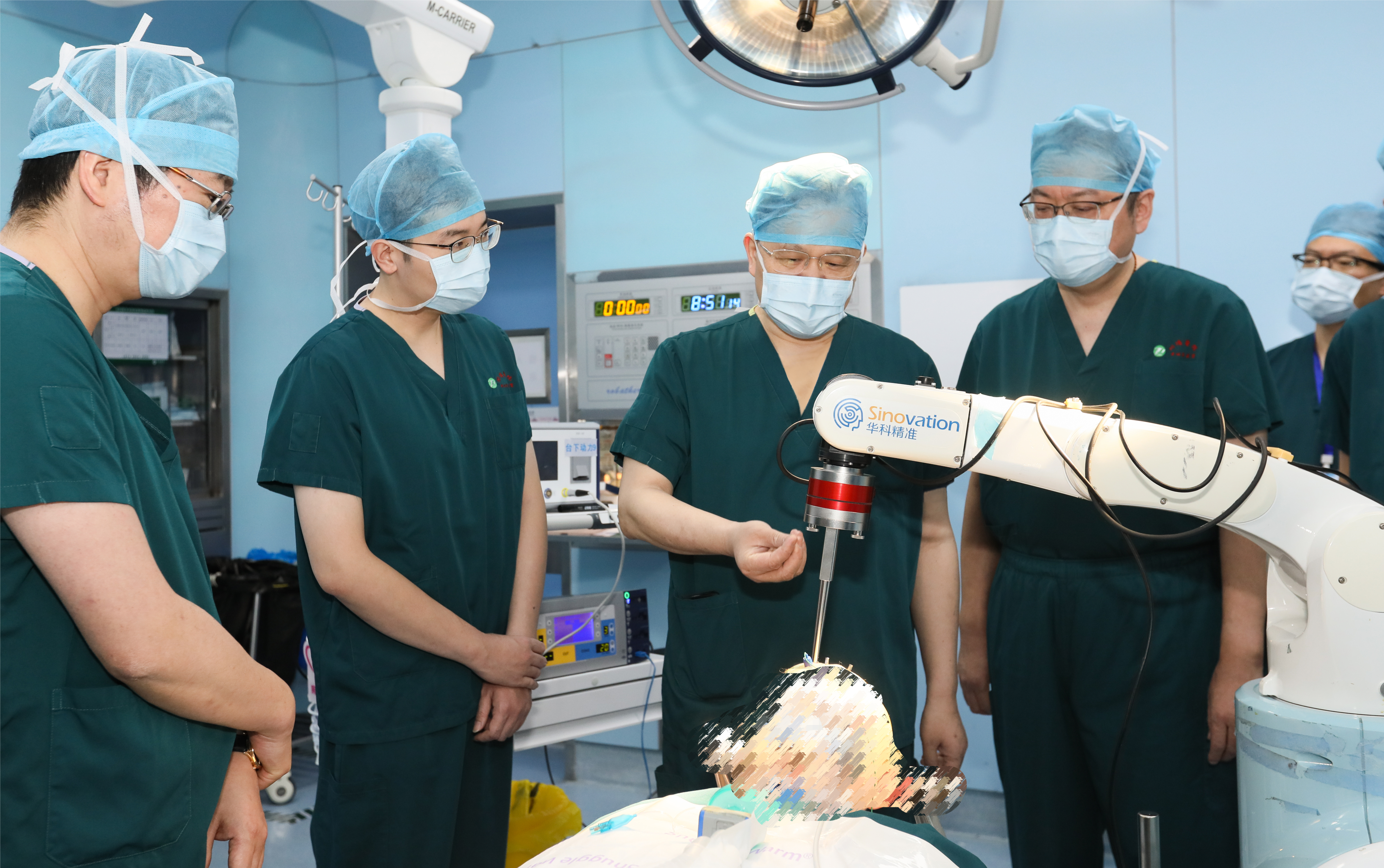
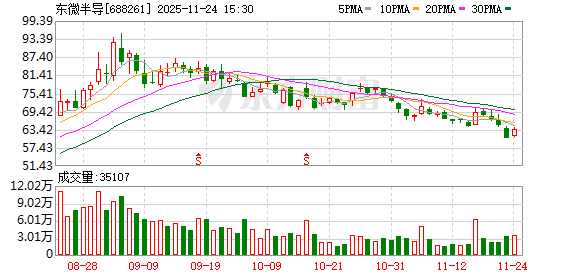
东微半导董事长携全球领先脑机接口技术入驻闵行“脑智天地”
Zheng Quan Shi Bao Wang· 2025-11-24 09:10
Group 1 - Shanghai Dongnao Zhihuo Technology Co., Ltd. has officially registered and established the Shanghai Brain-Computer Interface Future Industry Cluster, the first of its kind in the country, focusing on brain-computer interface technology development [2] - The company has gathered top talents from the semiconductor and neuroscience fields, with founder Gong Yi also serving as the chairman of Dongwei Semiconductor (stock code: 688261.SH) [2] - Dongnao Zhihuo aims to become a leading global brain-computer interface company by developing proprietary hydraulic-driven flexible neural interface electrode technology [2] Group 2 - Since the 12th Five-Year Plan, brain science and artificial intelligence research, including brain-computer interface technology, have gained increasing importance in China's national science and technology planning [3] - The government is supporting the industry through top-level design, with initiatives to promote the integration of brain-computer interfaces into medical insurance and the establishment of specialized wards [3] - The 2025 National Brain-Computer Interface Conference will be held in December at the Brain-Intelligence Heaven cluster, bringing together global experts and cutting-edge technology talents [3]

实质性突破!应和脑科学介入脑机接口长期动物数据惊艳亮相IEEE NER 2025
思宇MedTech· 2025-11-24 04:18
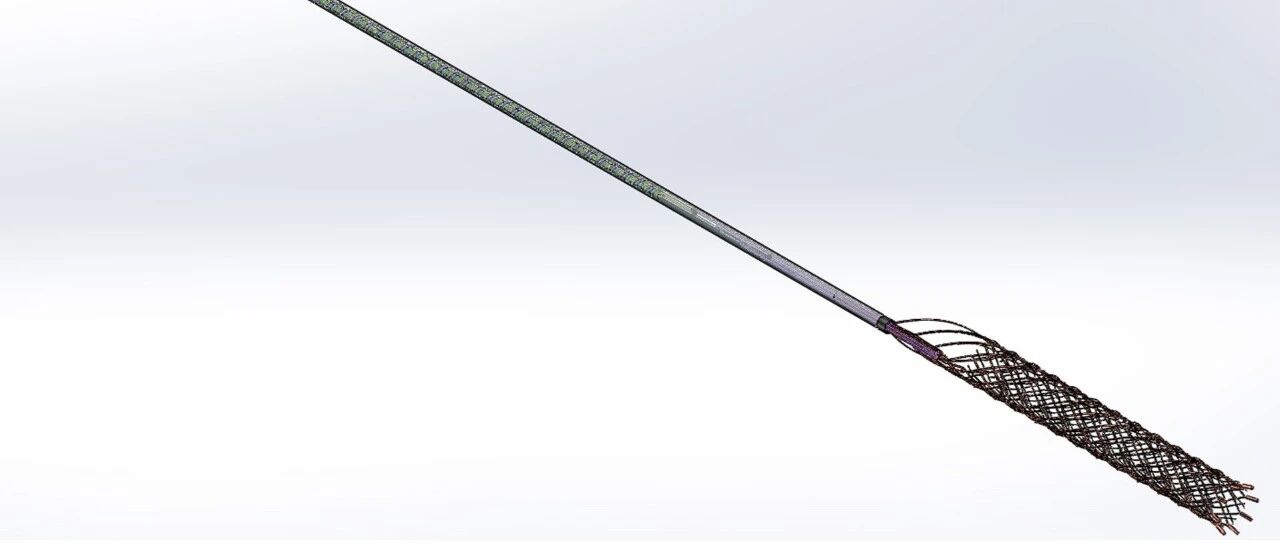
Core Viewpoint - The article highlights the significant breakthrough achieved by Shenzhen Amygdala Neuro in the field of brain-computer interfaces (BCI) with the development of an endovascular electrode array that demonstrates long-term stability in large animal models, paving the way for clinical applications of BCI technology [2][12]. Group 1: Research Findings - The study successfully validated a mechanical architecture of an endovascular electrode array in large animal models, demonstrating nearly six months of dual-mode (recording + stimulation) functional stability [3][12]. - The research involved three adult sheep, where the electrode array was precisely implanted in the superior sagittal sinus, covering the motor cortex area, and monitored for nearly six months [4][12]. - Electrochemical impedance spectroscopy (EIS) measurements indicated good long-term electrochemical stability of the endovascular electrode in a vascular environment, with initial impedance around 1188 Ω, increasing to 2333 Ω by day 31, and then stabilizing at 1365 Ω by day 140 [6][12]. Group 2: Signal Recording and Stimulation - The study utilized the Apollo-I system to collect electrocorticography (ECoG) signals, revealing stable recordings of typical brain rhythms across various frequency bands (θ, α, β, low γ) [9][12]. - The stimulation results indicated that the threshold for eliciting body responses increased over time, with early responses at 1-2 mA (68% success rate) dropping to 3-5 mA (50% success rate) by day 112 [10][12]. - The electrode's ability to stimulate and record over a long duration supports the feasibility of using endovascular electrode arrays for neural modulation in clinical settings [11][12]. Group 3: Competitive Landscape - Synchron recently completed a $200 million Series D funding round, marking one of the largest single-round financings in the BCI field, which has drawn significant attention from the medical device industry [12]. - The article contrasts Amygdala Neuro's approach with Synchron's Stentrode™, highlighting the use of a mechanically woven nitinol stent and platinum-iridium microelectrodes, which offers advantages in terms of cost and flexibility for domestic BCI device development [12][13]. Group 4: Company Mission and Vision - Amygdala Neuro is committed to advancing brain-computer interface and neural modulation technologies, aiming to become a leading provider of solutions in neuroscience and high-reliability product manufacturing [16].
清华大学牵头发布“AI+脑机数据”平台
Xin Jing Bao· 2025-11-22 09:56
Core Insights - The "AI + Brain-Computer Interface" industry innovation promotion meeting was held in Haidian, Beijing, focusing on the theme "Brain Intelligence Integration, Wisdom Gathering in Beijing" and announced multiple initiatives and achievements [1] - The "AI + Brain-Computer Data" platform was launched, led by Tsinghua University, aiming to integrate cross-scale, multi-modal brain data resources to break down data barriers and provide high-quality, standardized data resources and analytical tools for innovation [1] - The promotion of brain-computer interface technology is seen as a strategic imperative in global technological competition, with applications across diverse fields such as medical rehabilitation, smart terminals, industrial safety, and education [1] Group 1 - Tsinghua University will strengthen core technology research in brain-computer interfaces, promote collaboration between basic research and clinical medicine, and focus on continuous innovation platform development and talent cultivation [1] - The China Academy of Information and Communications Technology (CAICT) is leading the establishment of the Zhongguancun Brain-Computer Interface Industry Association, which will focus on collaborative research, result transformation, standard system construction, professional talent training, and building an innovative ecosystem [2] - Six innovative achievements in brain-computer interfaces were showcased, demonstrating Beijing's capability in autonomous innovation from single-point technology to system integration [2] Group 2 - Haidian District is recognized as a national high ground for artificial intelligence development and the source of "AI + Brain-Computer Data," with a complete industrial chain from research and development to application [2] - The district possesses unique advantages, including comprehensive foundational disciplines, concentrated clinical resources, and a well-established talent pipeline, providing fertile ground for the research and implementation of "AI + Brain-Computer" technology [2]
意念真能控手!强脑科技让残障人士从“难做饭”到写书法
新华网财经· 2025-11-21 04:15
Core Viewpoint - The article highlights the advancements in brain-computer interface technology by Qiangnao Technology, led by founder Han Bicheng, emphasizing its practical applications in improving the quality of life for individuals with disabilities [1][18]. Company Background - Qiangnao Technology, founded in 2015, focuses on developing brain-computer interfaces, aiming to bridge the gap between neuroscience research and practical applications that can bring about positive changes in people's lives [3][4]. - The company name "BrainCo" is a direct abbreviation of "brain computer interface," clearly stating its core mission [4]. Product Development - The team dedicated seven to eight years to develop a bionic hand, which is crucial for individuals with disabilities, as the hand is the most complex part controlled by the brain [8][9]. - The first generation of the bionic hand weighs approximately 500 grams, while the second generation has been reduced to over 300 grams, making it more user-friendly [11]. User Experience - User testimonials, such as that of Ni Mincheng, who has been using the bionic hand since 2019, demonstrate significant improvements in daily life, including the ability to perform tasks like cooking and writing [12][15][20]. - The technology allows for intuitive control, enabling users to operate the hand as they think, with capabilities for simultaneous and independent finger movements [13][15]. Market Position and Strategy - Qiangnao Technology has established itself as a leading player in the industry, recognized among the "Six Little Dragons of Hangzhou," which includes companies with over ten years of experience [18]. - The company emphasizes continuous optimization of user experience and adapting technology to meet the diverse needs of users, including different limb conditions and environmental factors [20][23]. Competitive Landscape - Han Bicheng expresses a strong sense of urgency regarding competition, stating that the company must innovate and improve faster than others in the field [21][22]. - The focus remains on creating practical solutions rather than mere demonstrations, with a commitment to addressing real user needs [22][23].

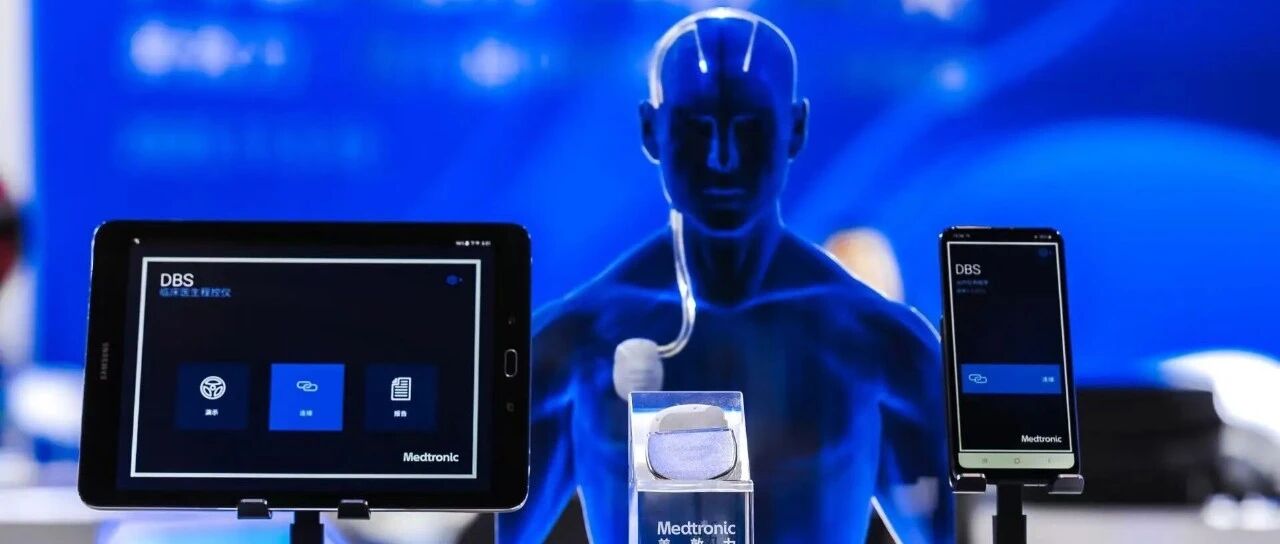
开启国内临床应用!美敦力可充电、可感知闭环脑起搏器
思宇MedTech· 2025-11-20 11:01
Core Insights - The Percept™ RC, the world's first rechargeable and sensing closed-loop brain stimulator, has commenced clinical applications in major hospitals across Beijing, Anhui, and Shanxi as of November 2025 [1][4] - Developed by Medtronic, the device integrates artificial intelligence and brain-machine interface technology, and is approved by the Chinese National Medical Products Administration, the US FDA, and the EU CE for treating complex neurological disorders such as Parkinson's disease and drug-resistant epilepsy [3][4] - The device has been recognized as one of TIME magazine's "Best Inventions of 2025" and has been featured prominently at the China International Import Expo [3][4] Clinical Application - The clinical application of Percept™ RC marks a significant breakthrough in brain stimulator therapy, advancing the use of brain-machine interface technology for treating neurological diseases in China [4] - The device offers a more intelligent, precise, and comfortable treatment option for patients, enhancing the overall treatment experience [4][8] Technological Advancements - Compared to traditional brain stimulators, Percept™ RC provides real-time sensing and analysis of brain activity, allowing for personalized and precise treatment tailored to the patient's condition [8] - It is the smallest and lightest brain stimulator globally, being 37% smaller than traditional models, which improves patient comfort [8] - The device features an open lifespan battery technology and is fully compatible with 3.0T and 1.5T MRI scans, ensuring patient safety and access to future medical imaging [8] Historical Context - Deep brain stimulation (DBS), commonly known as "brain pacemaker," has been recognized as the preferred surgical treatment for Parkinson's disease since its first successful operation in 1987 [5] - The therapy has been clinically applied for over 35 years globally, with its introduction to China occurring in 1999 [5]

熵基科技(301330.SZ):脑机业务预计于2026年3月推出原型机
Ge Long Hui· 2025-11-18 08:21
Core Viewpoint - The company focuses on brain-machine interface technology with applications in education, healthcare, and elderly care, utilizing AI-driven multimodal data fusion technology for product development [1] Group 1: Business Focus - The company is developing products in three main areas: analysis and diagnosis, detection-assisted rehabilitation, and treatment [1] - In the field of smart education, the company integrates brain-machine interface technology with interactive games to enhance students' concentration [1] Group 2: Product Development Timeline - The brain-machine business is expected to launch a prototype by March 2026 [1] Group 3: Strategic Partnerships - The company has formed a strategic partnership with NeuroSky, a leader in non-invasive brain-machine interface technology, to establish a joint venture [1] - The collaboration aims to create an innovative framework combining "chip + emotion cloud + industrial ecosystem" to accelerate the global strategic layout of brain-machine interface technology [1]

武汉“芯”让偏瘫患者能自己喝水了 协和医院完成全国产脑机接口植入手术
Chang Jiang Ri Bao· 2025-11-15 00:38
国产"芯"突破创造奇迹,偏瘫患者能自主喝水了。11月14日,长江日报记者从华中科技 大学同济医学院附属协和医院(以下简称协和医院)获悉,该院完成全国产自主研发脑机接 口芯片首例临床植入手术,并成功采集到患者大脑中感觉运动区域的神经信号。目前,患者 接受了一个多月的康复训练后,几乎丧失功能的右手已能完成一些精细动作,运动功能显著 改善。 两年前,河南患者刘先生因脑梗塞导致整个右侧肢体瘫痪,尽管尝试了为期一个月的无 创脑机接口训练,但其手部功能并未明显改善。协和医院脑机接口专家团队全面评估病情, 与家属沟通后,决定实施脑机接口芯片植入手术。 9月22日,协和医院神经外科主任姜晓兵教授团队成功将全国产脑机接口芯片植入到患 者脑部。姜晓兵介绍,手术采用"武汉研发"高端脑机接口技术,将芯片精准植入患者的颅 内,既保证了较高的信息采集质量,又能最大限度降低手术风险。 术后,当患者用"意念"驱动手指伸展或抓握时,系统立即控制气动手套完成相应动作, 进而促进部分神经恢复,加速肢体功能重建。 目前,刘先生恢复良好,无并发症,植入芯片性能稳定,神经信号解码准确率持续保持 在95%以上。 一个多月来,医护人员指导刘先生进行系统康复 ...