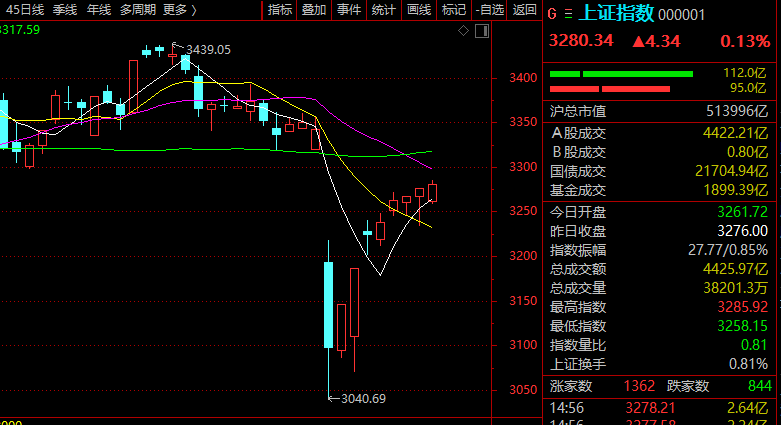
关税风险

Search documents
贵金属有色金属产业日报-20250428
Dong Ya Qi Huo· 2025-04-28 13:53
Report Overview - The report is a daily view on the precious metals and non - ferrous metals industry, covering gold, copper, zinc, aluminum, nickel, tin, lithium carbonate, and industrial silicon [2] 1. Precious Metals (Gold) Core View - The Fed's Beige Book's mention of tariff risks suppresses market sentiment, and the rebound of the US dollar index weakens gold's appeal. However, the medium - to - long - term logic remains unchanged, with central bank gold - buying demand and geopolitical uncertainties supporting gold prices [3] Key Points - **Price Influencing Factors**: Tariff risks and the US dollar index affect short - term gold prices, while central bank demand and geopolitics support long - term prices [3] 2. Copper Core View - The Politburo meeting boosts market confidence. The supply issue has been factored into copper prices, and demand from white - goods and power industries is positive [15] Key Points - **Macro**: The Politburo meeting's statements on monetary and fiscal policies give market confidence [15] - **Fundamentals**: Supply concerns are already reflected in prices, and demand from white - goods and power sectors is promising [15] - **Price Data**: - **Futures**:沪铜主力 at 77,580 yuan/ton, up 0.18%;伦铜3M at 9,360 dollars/ton, down 1% [16] - **Spot**: Shanghai Non - ferrous 1 copper at 77,565 yuan/ton, down 0.74% [20] 3. Zinc Core View - Domestic zinc ingot inventory is decreasing. Cost support weakens, demand is mixed, and external factors limit price decline [35] Key Points - **Inventory**: SMM seven - region zinc ingot inventory decreased by 14,200 tons to 85,800 tons week - on - week [35] - **Cost**: Zinc concentrate processing fees are rising, weakening cost support [35] - **Demand**: Galvanizing sector's开工 is up, while die - casting zinc alloy and zinc oxide开工 is down [35] - **Price Data**:沪锌主力 at 22,520 yuan/ton, down 1.01% [36] 4. Aluminum Core View - For aluminum, Trump's statement on tariffs improves market sentiment, and supply is stable with inventory decline. For alumina, supply and demand have different trends, and inventory affects prices [46] Key Points - **Aluminum**: - **Macro**: Trump's statement on tariffs affects market sentiment [46] - **Fundamentals**: Supply is stable, and inventory is decreasing, but demand may decline after the peak season [46] - **Price Data**:沪铝主力 at 19,935 yuan/ton, down 0.47% [46] - **Alumina**: - **Supply**: Bauxite supply is abundant, and alumina production may increase after some plants resume operations [46] - **Demand**: Little change in demand [46] - **Inventory**: Social inventory is decreasing, but high warehouse receipts limit price rebound [46] 5. Nickel Core View - There is no obvious upward momentum. Nickel product royalties are set to be implemented, and different segments of the nickel industry have various trends [66] Key Points - **Supply**: Nickel ore supply is affected by the end of the rainy season, with high - grade ore remaining tight [66] - **Product Trends**: Nickel iron prices are under pressure, and sulfuric acid nickel prices are relatively stable [66] - **Price Data**:沪镍主连 at 124,690 yuan/ton, down 1% [67] 6. Tin Core View - Tin prices return to fundamentals. Supply is stable, and demand is supported by semiconductor expectations [80] Key Points - **Supply**: Although there are plans for tin mine复产, it is difficult to complete in 1 - 2 weeks [80] - **Demand**: The Philadelphia Semiconductor Index recovers slightly due to Sino - US tariff policy expectations [80] - **Price Data**:沪锡主力 at 260,570 yuan/ton, down 0.86% [80] 7. Lithium Carbonate Core View - Overall supply is high despite some producers' cuts. Demand from energy storage projects is weak, and downstream restocking is cautious [91] Key Points - **Supply**: Some small and medium - sized producers cut production, but large producers increase efficiency [91] - **Demand**: Energy storage demand is weak, and downstream restocking is slow [91] - **Price Data**:碳酸锂期货主力 at 66,960 yuan/ton, down 1,220 yuan [91] 8. Industrial Silicon Core View - Supply in the south is slowly recovering, and prices are at a historical low. High inventory is difficult to deplete due to weak demand [99] Key Points - **Supply**: Southern production is slowly increasing, and a northern plant may undergo maintenance [99] - **Demand**: Downstream demand is weak, and high inventory persists [99] - **Price Data**:华东553 at 9,600 yuan/ton, down 0.52% [100]
大类资产配置月报第46期:2025年5月:关税风险减弱,资产价格迎来“喘息”之机-20250428
Huaan Securities· 2025-04-28 11:28
Group 1 - The report indicates that the tariff risk is easing, which is expected to lead to a rebound in U.S. stocks and international commodity prices [2][31] - The report suggests a cautious optimism regarding domestic equity markets, highlighting the need to remain vigilant about uncertainties [24][28] - The report emphasizes the importance of prioritizing financial sector investments due to the current market conditions and potential policy support [24][27] Group 2 - The report notes that the short-term interest rates have more room to decline compared to long-term rates, indicating a potential shift in the bond market dynamics [36][41] - It highlights that the easing of tariff risks may still drag on demand for commodities, suggesting a mixed outlook for the commodity sector [4][36] - The report discusses the potential for a rebound in the U.S. stock market, driven by a weakening stance on tariffs and a possible interest rate cut by the Federal Reserve [31][49] Group 3 - The report outlines that the domestic economic fundamentals are showing signs of marginal weakening, but policy support is expected to mitigate the impact of declining exports [18][24] - It mentions that the automotive sector is experiencing a rebound in wholesale and retail sales, which is contributing positively to consumer spending [15][18] - The report indicates that the insurance sector may benefit from regulatory changes and a favorable market environment, potentially leading to improved performance [27][28] Group 4 - The report suggests that the easing of tariff risks could lead to a stabilization of the U.S. dollar, which may benefit the currency exchange rates [4][36] - It highlights that the commodity prices, particularly for copper and oil, are expected to experience fluctuations due to geopolitical risks and demand dynamics [2][36] - The report emphasizes the importance of monitoring the agricultural sector, which is expected to remain stable amid changing market conditions [28][36]
中泰国际每日晨讯-20250428
ZHONGTAI INTERNATIONAL SECURITIES· 2025-04-28 02:16
Market Overview - The Hong Kong stock market continued its rebound, with the Hang Seng Index rising 2.7% to 21,980 points last week, although it did not stabilize above the 22,000-point mark. The average daily trading volume increased to HKD 238.9 billion, indicating a recovery in capital activity [1] - The Hang Seng Tech Index only increased by 2.0% and failed to break the psychological barrier of 5,000 points, reflecting insufficient recovery momentum in the technology sector [1] - The healthcare and information technology sectors saw significant gains of 8.4% and 6.0%, respectively, while essential consumer goods and telecommunications sectors declined, indicating a rebalancing of funds between policy expectations and risk aversion [1] Economic Policy Insights - The April Politburo meeting maintained policy consistency, emphasizing that "early policy implementation leads to early effects," including accelerated issuance of special bonds and the implementation of long-term special government bonds [2] - The market outlook will depend on two key variables: progress in US-China tariff negotiations and the pace of domestic special bond issuance along with adjustments in real estate policies [2] Industry Dynamics - The Hang Seng Healthcare Index surged 8.9%, significantly outperforming the Hang Seng Index, driven by innovative pharmaceutical companies such as Kangfang (9926 HK), Xinda (1801 HK), and Rongchang (9995 HK) [3] - Kangfang Biotech's (9926 HK) drug, Idataf, received approval for a broader indication in treating non-small cell lung cancer, which is expected to positively impact sales [3] - Rongchang Biotech (9995 HK) reported a good operational performance in Q1, with expectations of a reduction in sales expense ratio by 2025 and a decrease in net losses for shareholders [3] Strategic Recommendations - The report suggests focusing on defensive sectors and policy catalysts, including high-dividend assets from state-owned enterprises, infrastructure-related sectors, and essential consumer goods benefiting from policy stimuli [12] - Monthly stock recommendations include Alibaba-W (9988 HK), China Resources Beverage (2460 HK), and others, indicating a focus on companies with stable earnings and growth potential [12]
国债期货周报:会议强调适时债市维持强势
Zhong Liang Qi Huo· 2025-04-28 01:05
Group 1: Market Overview - The two-year bond TS2506 decreased by 0.15%, with an average daily transaction volume of 33,869 and a holding change of -16,497[6] - The five-year bond TF2506 fell by 0.27%, with a daily average transaction volume of 44,531 and a holding change of -9,846[6] - The ten-year bond T2506 declined by 0.21%, with a daily average transaction volume of 57,587 and a holding change of -8,796[6] - The thirty-year bond TL2506 experienced a slight decrease of 0.03%, with a daily average transaction volume of 93,772 and a holding change of 105,659[6] Group 2: Economic Indicators - The central bank's net injection this week was 774 billion, with a net MLF injection of 500 billion this month[20] - The five-day average of DR-007 was 1.68%, while R-007 was at 1.72%[25] - The report indicates a need for increased hedging policies due to easing tariff risks[28] - The market sentiment remains stable, with expectations of no immediate monetary policy tightening despite improved confidence[29]
政治局会议表述并未超出市场预期,豆油厂开机小幅上升
Dong Zheng Qi Huo· 2025-04-28 00:44
日度报告——综合晨报 政治局会议表述并未超出市场预期,豆油厂 开机小幅上升 [T报ab告le_日R期an:k] 2025-04-28 宏观策略(外汇期货(美元指数)) 美官员:美乌矿产协议即将完成 最新消息美乌之间的矿产协议即将达成,这可能表明距离俄乌 协议进了一步,但是不确定性继续存在。 宏观策略(黄金) 黄金投机净多仓增加 油厂开机小幅上升 上周国内进口大豆成本增加,盘面榨利转差。供需错配下豆粕 现货市场短期仍较为紧张,但上周五现货已经有所回落,豆粕 5 月期价也大幅下挫,后期供需面将趋于改善。 有色金属(铜) 五矿资源一季度铜总产量同比增长 76% 短期宏观因素对铜价限制减弱,且基本面阶段支撑相对较强, 预计铜价短期或震荡偏强运行,策略角度继续关注逢低做多机 会。 能源化工(原油) 尼日利亚一大型汽油制造装置进行维修 综 周五金价震荡收跌一度跌破 3300 美金,表现偏弱,在贸易问题 没有进一步升级以及美国资产企稳回升后,短期资金获利了结。 美联储金融稳定性报告显示关税是当前最大风险。 合 宏观策略(国债期货) 晨 政治局会议:适时降准降息 报 政治局会议表述并未超出市场预期,总体来看,政策保持了定 力 ...
HCA(HCA) - 2025 Q1 - Earnings Call Transcript
2025-04-25 16:14
Financial Data and Key Metrics Changes - In the first quarter of 2025, diluted earnings per share, as adjusted, increased more than 20% year-over-year to $6.45 [9] - Adjusted EBITDA grew 11.3% over the prior year quarter, with an adjusted EBITDA margin improvement of 110 basis points [20][22] - Cash flow from operations was $1.65 billion in the quarter, with a decrease attributed to working capital changes [24] Business Line Data and Key Metrics Changes - Inpatient admissions grew 2.6% year-over-year, equivalent admissions increased 2.8%, and emergency room visits rose by 4% [10] - Same facilities revenue grew almost 6%, driven by volume increases and approximately 3% higher revenue per equivalent admission [11] - Surgical volumes were mixed, with inpatient surgeries slightly up and outpatient cases down [10][33] Market Data and Key Metrics Changes - Same-facility managed care equivalent admissions increased by 5.4% compared to the prior year quarter, while same-facility equivalent exchange admissions surged by 22.4% [20] - Exchange volume represented about 8% of equivalent admissions and approximately 10% of revenues for the quarter [108] Company Strategy and Development Direction - The company is focused on maintaining operational discipline while continuing to invest in its strategic agenda, including increasing the number of facilities by 3.3% [12][13] - Capital allocation strategy includes $991 million in capital expenditures, $225 million in share repurchases, and $180 million in dividends [25] - The company is investing heavily in technology and digital transformation to improve operational efficiency and clinical care [132][133] Management's Comments on Operating Environment and Future Outlook - Management expressed confidence in the overall demand for healthcare services and the company's ability to navigate through uncertain policy environments [14][18] - The company is developing plans to address potential adverse impacts from health policy changes and tariffs, drawing from experiences during the COVID-19 pandemic [17][75] - Management remains optimistic about maintaining market share gains and operational efficiencies despite competitive pressures [100][101] Other Important Information - The company reaffirmed its guidance ranges for the full-year 2025, indicating confidence in its operational performance [26] - The company reported an $18 million increase in net benefits related to Medicaid in the first quarter of 2025 compared to the prior year quarter [23] Q&A Session Summary Question: Any major changes in assumptions embedded in the reiteration of guidance? - Management stated that the first quarter performance was solid, and guidance for 2025 remains appropriate [31] Question: How do you get that much leverage this quarter? - Management explained that operating leverage is created by pushing more volume through the organization, which improves profitability and margins [42] Question: Can you clarify the revenue per adjusted admission increase? - Management noted that the increase was driven by payer mix trends and improved acuity, with managed care positioning improving year-over-year [55][59] Question: Any changes with MA plan behavior denials? - Management indicated that there were no significant changes in denials and underpayments that materially impacted financial results [68] Question: How is the surgical schedule and block time utilization looking? - Management believes that demand for healthcare will remain strong, with expectations for surgical volumes to recover [126] Question: Can you speak to your technology agenda? - Management highlighted significant investments in technology and digital transformation to enhance operational efficiency and clinical care [132][133]

Flexsteel(FLXS) - 2025 Q3 - Earnings Call Transcript
2025-04-22 13:00
Financial Data and Key Metrics Changes - The third quarter net sales were $114 million, representing a growth of 6.3% compared to $107.2 million in the prior year quarter, marking the sixth consecutive quarter of year-over-year sales growth [29][10] - The adjusted operating margin was 7.3%, which is the second highest quarterly adjusted operating margin over the past seven years, reflecting an increase of 210 basis points from the prior year quarter [13][31] - Operating cash flow for the quarter was $12.3 million, with ending cash at $22.6 million, indicating a strong financial position [14][32] Business Line Data and Key Metrics Changes - Sales growth was driven by higher unit volumes and pricing from ocean freight surcharges, with significant success in new product introductions and share gains with large strategic accounts [10][29] - The company showcased 25 new product groups at the April Highpoint Market, expanding its Z-Clinr lineup and enhancing its soft seating portfolio [12][11] Market Data and Key Metrics Changes - Vietnam production supports roughly 55% of revenue, while Mexican operations support almost 40% of sales, with current tariffs impacting products sourced from Vietnam [17][30] - The company has seen a slowdown in incoming orders from retailers due to tariff announcements, with a healthy backlog of $78.3 million at the start of the fourth quarter [22][34] Company Strategy and Development Direction - The company remains focused on executing growth strategies, emphasizing new product introductions and enhancing customer experience as key components of its success [41][55] - The company is actively seeking alternative sourcing options beyond Vietnam and Mexico to mitigate tariff risks and maintain competitive pricing [62][63] Management's Comments on Operating Environment and Future Outlook - Management expressed concerns about the potential impact of tariffs on margins, pricing, and supply chain design, particularly in light of the proposed U.S. reciprocal tariff [15][24] - The outlook for the industry is moderately pessimistic due to external challenges to consumer spending, with management prepared to navigate multiple demand scenarios [25][24] Other Important Information - The company recorded a $14.1 million non-cash impairment charge related to its facility in Mexicali, Mexico, due to changes in U.S. furniture demand [30][31] - The company has implemented modest tariff surcharges on new orders to partially offset the impact of tariffs, although these do not completely mitigate the 10% tariff on Vietnam imports [20][57] Q&A Session Summary Question: Changes in order patterns during the March quarter - Management noted a typical seasonal slowdown in March, but year-over-year growth remained consistent until the tariff announcement in early April, which led to a significant slowdown in orders [50][52] Question: Goals for new product contributions - Over half of current sales are derived from new products launched in the last couple of years, and the company remains committed to driving new product introductions regardless of external conditions [54][55] Question: Competitors' responses to tariff surcharges - Competitors have implemented their own surcharges, and the company's guidance assumes the current 10% Vietnam tariff remains intact, with minor dilution expected in operating margins [57][58] Question: Sourcing from alternative countries - The company is actively seeking suppliers in other Southeast Asian countries and is prepared to optimize its supply chain based on trade negotiations [62][63] Question: Impact of tariffs on gross margins - The magnitude of tariffs will determine their impact on margins, with near-term expectations of slight dilution, but efforts will be made to minimize the impact on consumers [66][67]

Flexsteel(FLXS) - 2025 Q3 - Earnings Call Transcript
2025-04-22 13:00
Financial Data and Key Metrics Changes - The third quarter net sales were $114 million, representing a growth of 6.3% compared to $107.2 million in the prior year quarter, marking the sixth consecutive quarter of year-over-year sales growth [18] - The adjusted operating margin was 7.3%, which is the second highest quarterly adjusted operating margin over the past seven years and a 210 basis point increase from the prior year quarter [20][21] - Operating cash flow for the quarter was $12.3 million, with ending cash of $22.6 million [21] Business Line Data and Key Metrics Changes - Sales growth was driven by higher unit volumes and pricing from ocean freight surcharges, with significant success from new product introductions and share gains with large strategic accounts [4][18] - The company continues to focus on new product introductions, with over half of current sales derived from products launched in the last couple of years [36] Market Data and Key Metrics Changes - The company has moved out of China for finished goods sourcing, with Vietnam supporting approximately 55% of revenue and Mexico nearly 40% [8][10] - The potential implementation of a 46% reciprocal tariff on Vietnam goods poses significant risks to the company and the overall U.S. furniture industry [10][12] Company Strategy and Development Direction - The company is focused on executing growth strategies, including expanding into new markets and enhancing customer experience through new product offerings [4][5] - There is a commitment to maintaining investments in product development, innovation, and marketing despite economic uncertainties [28][30] Management Comments on Operating Environment and Future Outlook - Management expressed concerns about short-term demand volatility and the mid-term outlook for the U.S. economy, anticipating challenges due to potential tariff impacts and consumer spending [14][15] - The company remains optimistic about its financial strength and ability to navigate market challenges while continuing to invest in growth [17][30] Other Important Information - The company has implemented modest tariff surcharges on some products to partially offset tariff costs, but anticipates an overall dilutive impact on gross margins [24][38] - The company is actively seeking alternative sourcing options to mitigate tariff risks and maintain competitive pricing [40][41] Q&A Session Summary Question: Changes in order patterns or delivered sales in March - Management noted that March typically sees lighter orders, but year-over-year growth remained consistent until a significant slowdown was observed following the April 2 tariff announcement [32][33] Question: Revenue derived from new products - Over half of current sales are from new products launched in the last couple of years, and the company will continue to prioritize new product introductions regardless of external conditions [35][36] Question: Tariff surcharges and competitor responses - Competitors have implemented their own surcharges, and the company's guidance assumes the current 10% Vietnam tariff remains intact [37][38] Question: Product sourcing and potential margin impacts - The company is exploring alternative suppliers in Southeast Asia and is prepared to optimize its supply chain based on future tariff negotiations [40][41]
欧洲央行管委Kazimir:未来几个月通胀率将达到2%。需要时间来评估与关税相关的风险。
news flash· 2025-04-22 12:02
需要时间来评估与关税相关的风险。 欧洲央行管委Kazimir:未来几个月通胀率将达到2%。 ...
10天9涨停!A股又一赛道,批量封板
Zheng Quan Shi Bao Wang· 2025-04-17 08:21
Market Overview - A-shares experienced slight fluctuations with major indices showing mixed results, as the Shanghai Composite Index and ChiNext Index slightly rose while the Shenzhen Component Index and CSI 300 slightly fell. Trading volume shrank again, just surpassing 1 trillion yuan, marking a new low since the Qingming Festival [1] Sector Performance - Real estate, hotel and catering, photolithography, and disperse dyes sectors led the gains, while gold, military electronics, cross-border payments, and diversified finance sectors saw declines. The electronic industry attracted over 5.6 billion yuan in net inflow from major funds, with basic chemicals, food and beverage, and computers each receiving over 3 billion yuan. Real estate, machinery, and defense industries also saw net inflows exceeding 1 billion yuan. In contrast, non-ferrous metals, automotive, and beauty care sectors experienced net outflows of 2.52 billion yuan, 1.269 billion yuan, and 140 million yuan respectively [3] Investment Strategy - Orient Securities indicated that market volatility is expected to increase due to tariff risks, suggesting that the current tariff impact has not been fully resolved. The market may remain in a high-volatility state with limited short-term movement. The strategy should focus on closely monitoring policy developments and company earnings reports, particularly in sectors with high earnings certainty and those that can hedge against tariff impacts, such as import substitution [3] Retail Sector Insights - A joint initiative by several associations proposed that retail enterprises establish green channels and dedicated areas for foreign trade products to facilitate domestic sales. Huaxi Securities noted that leading retail companies are aiding the transition from export to domestic sales, highlighting the value of traditional channels as offline traffic returns. The new retail sector is expected to continue outperforming expectations, with cyclical sectors likely to recover from low levels, releasing performance elasticity [6] Tourism Sector Trends - Tuniu's data indicated that domestic travel bookings for the upcoming "May Day" holiday have increased by over 100% compared to the same period last year. Popular destinations include first-tier and new first-tier cities, with Guangzhou ranking second in popularity after Beijing. Guorong Securities anticipates a peak in travel bookings as the holiday approaches, with a focus on expanding domestic demand and boosting consumption. The implementation of consumer policies is expected to further enhance growth opportunities in various service sectors, with the optimization of vacation systems continuing to drive the tourism market [8]