
鸿蒙生态

Search documents
鸿蒙赋能下的产业蓝海:如何让潜力赛道成为「新主航道」?
3 6 Ke· 2025-11-09 05:33
Core Insights - The boundaries of industries are being redefined by system ecosystems, with operating systems evolving from mere connection roles to becoming new industrial infrastructures, particularly in the context of AI [1] - The HarmonyOS ecosystem is currently in a development boom, with over 23 million devices and more than 9 million developers contributing to its growth, creating a vast space for innovation [2] - Huawei has invested 6 billion in the "Harmony Application Developer Incentive Program 2025" to support developers in the ecosystem, alongside an additional 1 billion for the "Tiangong Plan" focusing on AI innovation [3][5] Industry and Company Developments - The HarmonyOS ecosystem is forming ten high-potential tracks, including social communication, financial payment, audio entertainment, and healthcare, indicating a broad range of opportunities for innovation [2] - The healthcare sector is being transformed by HarmonyOS, which enables multi-device collaboration and real-time data sharing, positioning it as a "digital health partner" rather than just a data recorder [6][10] - The "Daily Coffee" app exemplifies how HarmonyOS empowers developers to create innovative health management tools that provide personalized insights based on user data [9][10] - In the tourism sector, the "Shilu" app leverages HarmonyOS to offer non-linear route planning, enhancing the travel experience by allowing users to dynamically adjust their itineraries [15][19][22] - The audio entertainment sector is seeing a shift with the "Tangxin Music" app, which utilizes HarmonyOS's distributed capabilities to enhance music sharing and playback experiences [23][26][30] - In e-commerce, HarmonyOS addresses user experience challenges by integrating shopping processes into a seamless system-level capability, allowing for smarter decision-making and efficient price comparisons [31][34][39] Developer Opportunities - The HarmonyOS framework lowers the barriers for individual developers, enabling them to focus on core logic and experience innovation without being hindered by technical complexities [13][14] - Developers can create innovative applications that address overlooked consumer needs, such as social plugins for price discussions or collaborative shopping lists, leveraging the system's capabilities [40][41]


2025消费电子创新大会开幕 鸿蒙6全系产品全球首展
Shen Zhen Shang Bao· 2025-11-07 02:36
Group 1 - The 2025 Consumer Electronics Innovation Conference (CEIC 2025) was held in Shenzhen, showcasing nearly 300 technology companies and over 2000 new tech products, focusing on the latest achievements and trends in consumer electronics [1] - The conference was organized by the He Tao "6+1" International Industry and Standards Organization and the International Economic and Technical Cooperation Center of the Ministry of Industry and Information Technology, emphasizing five key areas: smart terminals, smart vehicles, smart homes, digital health, and new technologies [1] - Notable exhibitors included major companies such as China Mobile, Huawei, BYD, NIO, and Samsung, along with various specialized exhibition areas like the Huaqiangbei Street and university innovation zones [1] Group 2 - Huawei's HarmonyOS 6 product line was showcased for the first time globally, featuring seamless collaboration among devices, including smartphones, tablets, and wearables [2] - Innovative products displayed included EHang's first airworthy passenger drone and humanoid robots from Zhongqing and Leju, highlighting advancements in smart terminals and transportation [2] - The smart vehicle section featured real vehicle cockpits from companies like Huawei, BYD, NIO, and Xpeng, demonstrating deep integration with home automation systems [2] Group 3 - The conference included three main forums and 16 sub-forums, with over 300 industry experts sharing cutting-edge insights [3]

CEIC2025前沿聚焦(1):从智能终端到医疗家居,鸿蒙生态全场景展出
Haitong Securities International· 2025-11-07 00:51
Investment Rating - The report does not explicitly state an investment rating for the industry or specific companies involved Core Insights - The 2025 Consumer Electronics Innovation Conference (CEIC 2025) showcased over 2,000 innovative technology products across five core fields: smart terminals, smart cars, smart homes, digital health, and new technology chips, indicating a strong focus on innovation in the consumer electronics sector [25] - Huawei's HarmonyOS 6 was highlighted with a full range of terminals, emphasizing cross-device collaboration and advanced features such as real-time video call assistance and AI photo editing, showcasing the potential for enhanced user experiences [26] - The introduction of the Huawei Mate TV 110-inch model, featuring high brightness and advanced audio-visual technology, reflects the trend towards premium consumer electronics products [27] - The Huawei Cloud Versatile AI Agent Platform aims to provide a robust AI application framework for enterprises, indicating a shift towards integrating AI capabilities across various industries [28] - The HarmonyOS smart ward demonstrates the application of technology in healthcare, improving patient management and experience through interconnected medical devices [29] - The HarmonyOS smart home security suite integrates various smart devices to enhance home safety and emergency response capabilities, indicating a growing trend in smart home technology [30] - The StarFlash technology vehicle networking solution showcases advancements in vehicle connectivity, enabling seamless integration between vehicles and smart home devices, which is crucial for the future of smart transportation [33] Summary by Sections Event Overview - The CEIC 2025 event gathered nearly 300 technology enterprises from 20 countries, highlighting the global nature of innovation in consumer electronics [25] Product Innovations - Huawei's HarmonyOS 6 terminals and the Mate TV 110-inch model represent significant advancements in smart technology and consumer electronics [26][27] - The introduction of various smart home and healthcare solutions indicates a trend towards integrated technology ecosystems [29][30] Technological Developments - The Huawei Cloud Versatile AI Agent Platform and StarFlash technology solutions reflect the industry's focus on AI and connectivity, which are essential for future growth [28][33]
首届鸿蒙人才双选会在武汉举办
Ke Ji Ri Bao· 2025-11-06 02:34
Group 1 - The "2025 National First Harmony Talent Job Fair and Computer Industry Talent Supply and Demand Meeting" was held in Wuhan, attracting over 100 employers to recruit talent for the Harmony ecosystem [1] - Wuhan KeLan Intelligent Technology Co., Ltd. plans to hire about 10 engineers, including C/C++ engineers and ArkTS development engineers, with salaries ranging from 15,000 to 20,000 yuan per month [1] - The company is focused on promoting the "AI + Harmony" dual-engine in financial scenarios and is in urgent need of Harmony talent [1] Group 2 - The job fair attracted many fresh graduates, with higher salary levels for algorithm and development engineering positions compared to other roles [2] - The Harmony Ecosystem (Wuhan) Innovation Center, set to operate in December 2024, aims to create a high-level public service platform for talent cultivation and industry aggregation [2] - There is a significant talent gap in the Harmony ecosystem, with a report indicating a current shortage of over one million professionals and potential new job openings exceeding three million [2]
余承东要给原生鸿蒙来一次“生态化反”
3 6 Ke· 2025-11-04 02:05
Core Insights - The core message from Yu Chengdong's recent employee letter emphasizes the need for a rapid shift in mindset for the HarmonyOS ecosystem to thrive in the future [1] Group 1: Key Developments - As of October 22, the number of devices running HarmonyOS 5 has officially surpassed 23 million [2] - Yu Chengdong highlighted that this milestone signifies that HarmonyOS has crossed a critical threshold, with the ecosystem's growth beginning to gain momentum [3] - The number of native applications and meta-services has exceeded 20,000, and the developer community has grown to over 7.2 million, with total ecosystem devices surpassing 1 billion [3] Group 2: Challenges Ahead - Despite the progress, Yu Chengdong acknowledged that the most challenging phase, the ecological aspect, still lies ahead [4] - The comparison with iOS and Android's extensive application ecosystems indicates that HarmonyOS has just begun its journey [4] - The urgency for overcoming difficulties is evident, as the next targets are set at 40 million and 60 million users, ultimately aiming for over 100 million [5] Group 3: Strategic Actions - The company has taken several concrete steps over the past two years to ensure the survival and growth of the HarmonyOS ecosystem [7] - Efforts include actively engaging partners, lowering barriers for developers, utilizing user feedback for iterative improvements, and fostering a cultural shift within the organization [8][9] - The strategy involves frequent product launches across various categories to enhance user coverage and engagement with the ecosystem [9] Group 4: Market Position and User Experience - The current user base of 23 million is significantly smaller compared to the billions of users on Android and iOS, highlighting the need for substantial growth [10] - There are still gaps in the availability of mid-tail applications, and user feedback indicates that while popular apps are functional, some features are lacking [10] - Continuous improvement in system performance, stability, and compatibility is necessary to enhance user experience [10] Group 5: Long-term Vision - Yu Chengdong emphasized that the success of HarmonyOS depends on developers finding it worthwhile, users enjoying the experience, and partners seeing a future in the ecosystem [13] - A collective effort to align the thoughts of ecosystem partners and users is essential for achieving a sustainable growth trajectory [14]
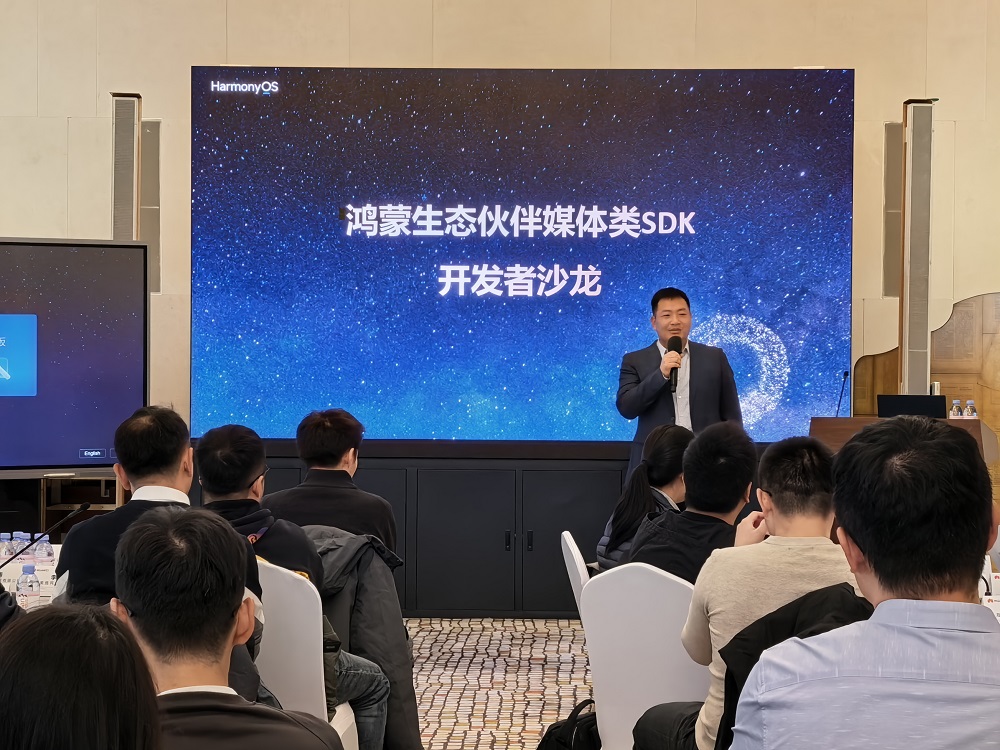
超百款媒体类SDK已适配鸿蒙,即将迈入电脑端开发新阶段
Sou Hu Wang· 2025-10-31 10:23
Core Insights - The HarmonyOS ecosystem is expanding with over 23 million devices running HarmonyOS 5 and the recent release of HarmonyOS 6, which enhances distributed capabilities and user experience [3] - The number of media SDKs compatible with HarmonyOS has surpassed 100, with over 2000 applications integrated, indicating strong growth and opportunities within the ecosystem [3][4] Group 1: Event Overview - The HarmonyOS media SDK salon held in Beijing gathered representatives from over ten SDK vendors to discuss technological innovations and commercial value [1] - The event emphasized the importance of collaboration among partners to enhance the media SDK ecosystem and drive application innovation across various industries [1][14] Group 2: SDK Development and Applications - Media SDKs provide essential services such as audio and video processing, file management, and multimedia playback, becoming a critical component for developers [3] - Companies like Agora, Meishe, Baidu, and Shiying shared their practical experiences and future outlooks regarding their contributions to the HarmonyOS ecosystem [4] Group 3: Company Contributions - Agora's RTC SDK integrates distributed capabilities, enabling seamless audio and video interactions across devices, enhancing user experiences in smart homes and remote collaboration [5] - Meishe has optimized its SDK for HarmonyOS, offering features like intelligent video creation and rendering, which significantly reduce development time for developers [6][7] - Baidu's real-time interaction solution combines RTC and AI capabilities, providing low-latency, multi-modal interaction experiences for various applications [8] - Shiying Technology's VE video engine has been adapted for HarmonyOS, achieving significant revenue growth for partners and reaching over 3 million users [9] Group 4: Future Prospects - The event highlighted the ongoing discussions about optimizing media SDKs for computer applications, which will enhance user experiences and support the growth of the HarmonyOS ecosystem [12] - The collaboration among ecosystem partners is expected to drive innovation and digital transformation across industries, positioning HarmonyOS as a core engine for future developments [14]
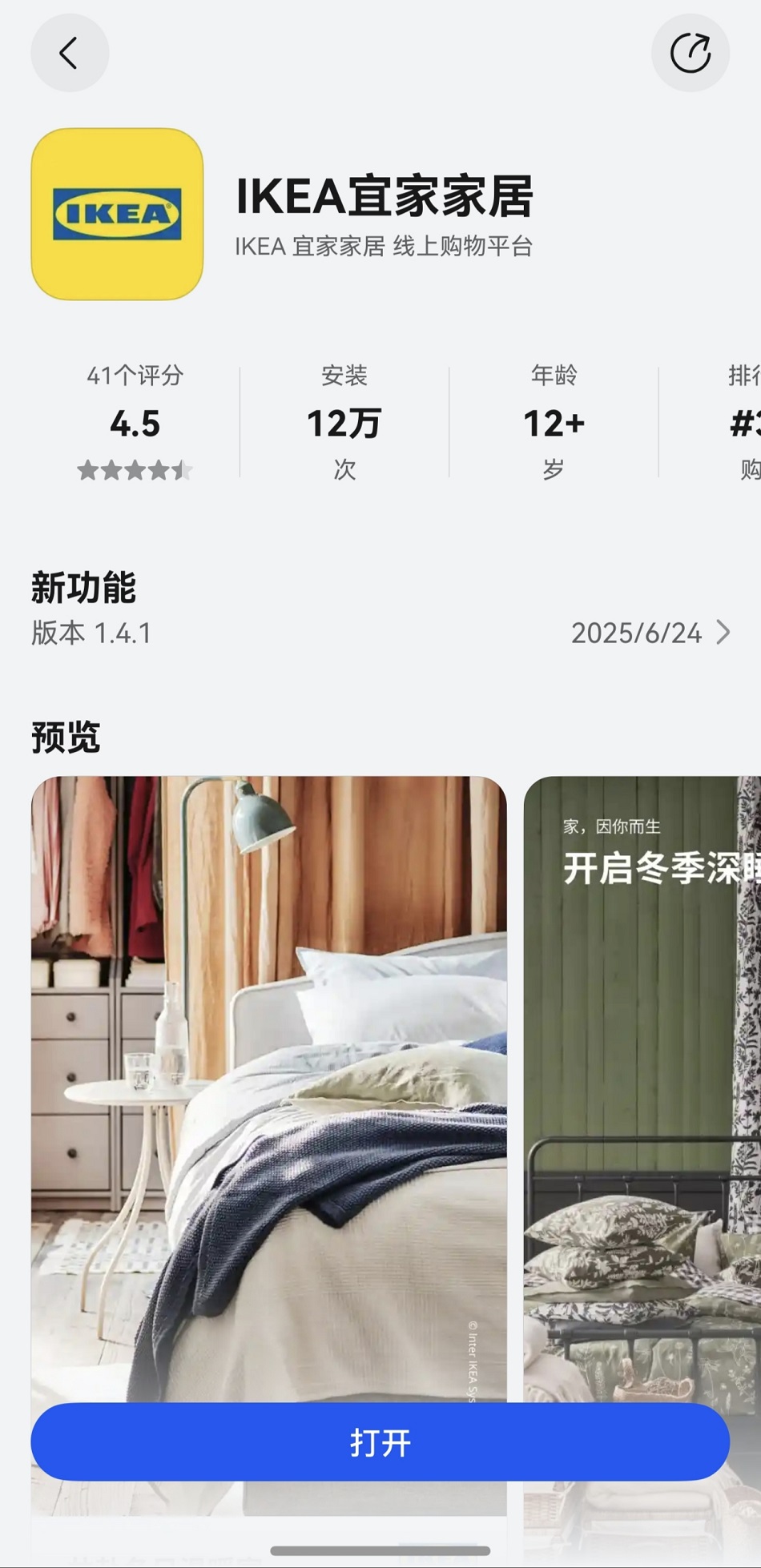
国际品牌旗下应用加速拥抱鸿蒙!鸿蒙版IKEA宜家家居帮你一站get家具好物
Cai Fu Zai Xian· 2025-10-31 04:52
Core Insights - The release of HarmonyOS 6 has led to a rapid increase in the number of HarmonyOS users, driving demand for various applications [1] - International brands, including IKEA, are embracing the HarmonyOS ecosystem to meet user needs, with the IKEA app receiving positive feedback from users [1][5] Group 1: User Growth and Demand - The user base of HarmonyOS is expanding quickly, which indicates a growing demand for diverse applications [1] - The launch of the IKEA app on the HarmonyOS platform has attracted a significant number of users, enhancing their shopping experience [1][5] Group 2: IKEA App Features and Promotions - The IKEA app on HarmonyOS offers a comprehensive "one-stop home solution," featuring over 9,000 selected home products [5] - The app has launched promotional activities for the 11.11 shopping festival, including discounts of up to 30% on a wide range of products [5] - Users can enjoy exclusive member benefits, such as point accumulation for rewards and special discounts [5] Group 3: Ecosystem Development - The integration of international brands like IKEA into the HarmonyOS ecosystem enhances user experience and attracts more quality partners [5] - The ongoing expansion of the HarmonyOS ecosystem is expected to bring more international brand applications to Huawei's app market, offering users a wider variety of products and services [5]
龙华区鸿蒙智能终端“首台套”涌现 抢占鸿蒙生态发展“核心区”
Shen Zhen Shang Bao· 2025-10-29 13:07
Core Viewpoint - The establishment of a self-controllable ecosystem is a strategic priority in the context of global operating system changes and the era of the Internet of Everything, with the Harmony OS leading the way in creating a unified distributed operating system for deep collaboration among devices [4][10]. Policy Initiatives - The Longhua District has introduced the "Harmony Six Policies" to stimulate market vitality, providing financial support up to 2 million yuan for companies developing Harmony OS-based products and applications [5][6]. - Additional incentives include rewards for developing high-quality native applications and support for infrastructure and product transformation to Harmony technology [5][6]. Industry Development - Longhua District has a strong foundation in key industries such as smart terminals, communication, software, and AI, which align well with the Harmony ecosystem [7]. - Significant progress has been made in hardware adaptation and software development, with multiple Harmony OS products launched, including smart glasses and robots [7][8]. Application and Innovation - A total of 69 native Harmony applications have been launched, developed by 43 local companies, with advancements in automotive systems by Huawei [8]. - Longhua is pioneering a digital twin platform and integrating Harmony technology into smart park management, enhancing urban digital infrastructure [8]. Ecosystem Support - Longhua District is establishing a robust ecosystem through the creation of the Harmony Industrial Park and innovation centers, facilitating talent development and industry collaboration [9]. - The district is actively attracting Harmony ecosystem enterprises and training institutions to enhance the local industry landscape [9]. Strategic Goals - Longhua aims to become a national innovation hub for the Harmony industry and a demonstration zone for applications, contributing to Shenzhen's goal of becoming a "global Harmony and Euler city" [10][12]. - The district's leadership emphasizes ongoing support for policy implementation and industry collaboration to optimize the ecosystem [11][12].

国内首款鸿蒙人形机器人亮相
证券时报· 2025-10-29 08:30
Core Viewpoint - The article highlights the launch of the first domestic humanoid robot "Kua Fu" powered by the open-source HarmonyOS, marking a significant step towards building an independent and controllable robotics ecosystem in China [2]. Group 1: Product Launch and Features - The "Kua Fu" robot was unveiled at the Harmony Ecosystem (Wuhan) Innovation Center, showcasing the capabilities of the open-source HarmonyOS [2]. - The robot is designed to operate in smart environments, responding to voice commands for tasks such as adjusting lighting and cleaning [4]. Group 2: Ecosystem Development - The Harmony Ecosystem (Wuhan) Innovation Center aims to provide a comprehensive public service platform, including functions like adaptation certification, policy guidance, application incubation, talent training, brand promotion, and industry aggregation [4]. - Huawei has initiated the "Tian Gong Plan," committing 1 billion RMB to support Harmony AI ecosystem innovation and collaboration with developers [4]. Group 3: Market Potential and Growth - The Harmony ecosystem has surpassed 1.19 billion devices, integrating smart capabilities into various products such as smartphones, automobiles, and home appliances [5]. - OpenHarmony has seen significant growth over the past five years, with over 130 million lines of code and contributions from more than 9,200 community contributors, indicating a robust and expanding ecosystem [5]. - Market analysts predict that the Harmony ecosystem could unlock a trillion-yuan industry space, highlighting its potential impact on various sectors [5].
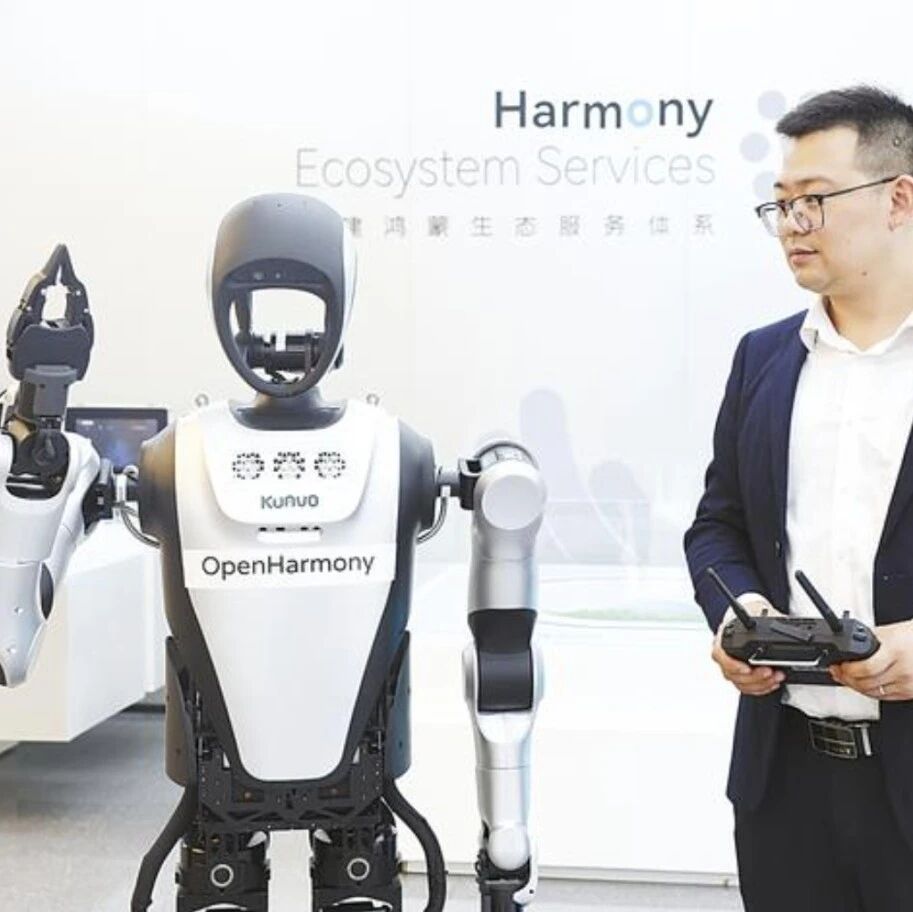
首款鸿蒙人形机器人亮相,武汉要发展千亿鸿蒙生态
Guan Cha Zhe Wang· 2025-10-29 05:42
Core Insights - The launch of the first domestic humanoid robot "Kua Fu" equipped with the open-source HarmonyOS marks a significant step in breaking foreign technology monopolies and accelerating the development of a fully autonomous and controllable robotics ecosystem [1][3] Group 1: HarmonyOS Ecosystem Development - HarmonyOS, a domestically developed smart operating system, has surpassed 1 billion devices globally since its release in 2019, making it the fastest-growing operating system worldwide [4] - Over 1,300 devices have received OpenHarmony compatibility certification, and more than 30,000 applications and services are available on the HarmonyOS application market [4] - The Harmony ecosystem is projected to unlock a trillion-yuan industry space, indicating substantial market potential [3][4] Group 2: Innovation Center and Technological Advancements - The Harmony Ecosystem (Wuhan) Innovation Center has rapidly become the largest and most comprehensive Harmony innovation center in China, with over 300 technical testing and development personnel [6] - The center has established a closed-loop service system for compatibility certification, talent training, and ecosystem promotion, continuously injecting innovation into the global Harmony ecosystem [6][10] - The "Four-Star" platform system at the center includes testing and certification services for over 800 terminal peripheral products, research on unified interconnection technology, and the development of productivity tools for HarmonyOS [10] Group 3: Industry Applications and Collaborations - The Harmony ecosystem is being applied across various sectors, including smart industry, healthcare, and finance, with local companies adapting their devices to be compatible with HarmonyOS [7] - Notable improvements in industrial efficiency have been reported, such as a 20% increase in equipment management efficiency and a 6% rise in product quality for companies utilizing the Harmony ecosystem [7] - The city of Wuhan is actively promoting the integration of open-source HarmonyOS with manufacturing, transportation, and healthcare through various initiatives and policies [13] Group 4: Future Goals and Support - Wuhan aims to establish itself as a national-level source of Harmony technology by 2027, with plans to develop 100 ecological benchmark scenarios, complete 200 application developments, and cultivate 100,000 developers [13] - The city has introduced the first city-level implementation plan for open-source Harmony construction, fostering a supportive environment for software innovation and development [11][13]

