AI教育

Search documents
揭秘AI自习室真相 智学通推出AI伴学系统重塑学习体验
Zhong Guo Chan Ye Jing Ji Xin Xi Wang· 2025-08-07 09:04
Core Insights - The concept of "AI self-study rooms" in the education sector is popular, but most products are merely a combination of recorded classes and question banks, lacking true intelligent capabilities [1][2] - True AI education requires strong data accumulation, multi-dimensional capability models, and precise personalized services, which is the focus of Zhixuetong [1][3] Limitations of Current AI Self-Study Rooms - Content is superficial, relying on vast question banks and recorded classes, leading to a "sea of questions" approach that fails to improve student scores [2] - Single-label tagging only marks knowledge points, ignoring the connection to subject capabilities and failing to adapt to the new exam system's emphasis on ability [2] - Lack of interaction results in "hallucinated answers" from pure AI responses, which can mislead students without rigorous human review [2] Zhixuetong's Approach - Since 2017, Zhixuetong has collaborated with national engineering laboratories, 6,000 public schools, and thousands of teachers to build a unique research and teaching system [3] - The question bank consists of 60% original questions from renowned teachers, covering over 400 textbook versions and matching learning needs based on regional exam data [3] - Multi-dimensional tagging includes "ability tags" and "quality tags" to address core competencies like reading analysis and thinking expression, aligning with high school exam reforms [3] - Regional adaptation analyzes local exam characteristics to customize learning plans based on different educational focuses [3] Zhixuetong's AI Companion System - To address the "hallucination" issue in traditional AI responses, Zhixuetong launched the AI Companion System, combining technology and service for enhanced efficiency [4] - The system integrates five AI models for initial analysis, followed by review and correction from a team of over 500 teachers to ensure answer accuracy [4] - Real-time monitoring of response times, content quality, and student feedback maintains high service standards [4] - Precise diagnostics identify weaknesses through ability and quality tags, providing customized learning plans to avoid ineffective practice [4] Future of AI Education - Zhixuetong aims to redefine AI education by enhancing teaching value through data and algorithms, positioning AI as a supportive partner in improving student performance [5] - The AI Companion System is set to launch, promising to deliver "warm and precise" learning support to students nationwide [5] Recognition - Zhixuetong's AI assessment system has been awarded the 2024 Xinhua Net National Education System Excellent Case Award [6]


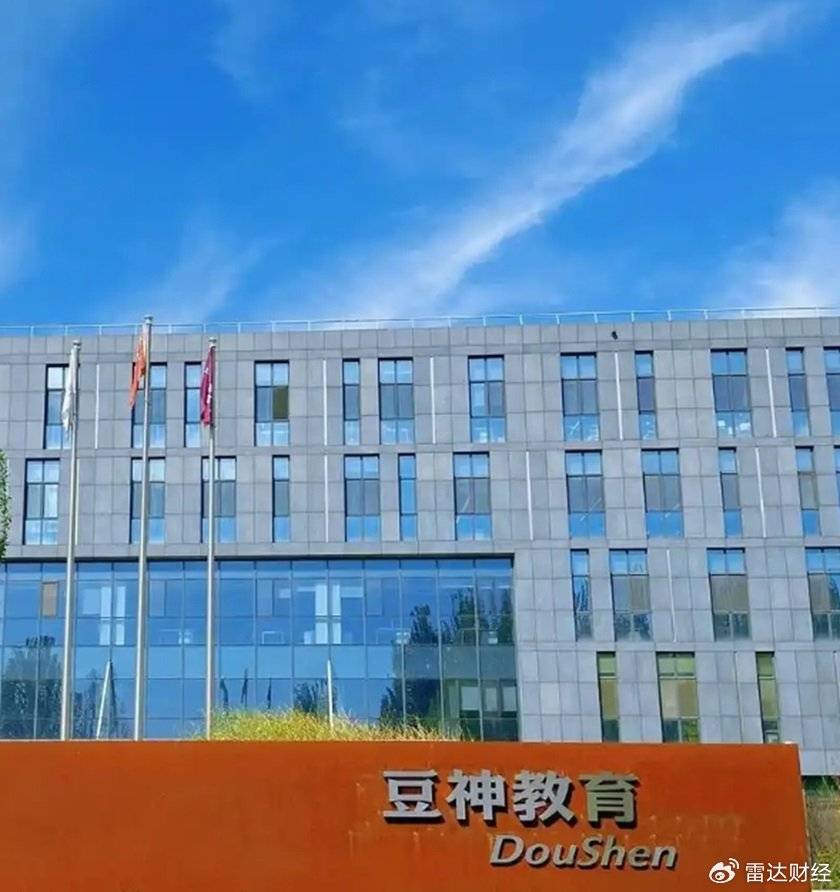
豆神教育8月5日融资净偿还960.25万元,已被罚投资者索赔麻烦待解
Sou Hu Cai Jing· 2025-08-06 15:12
Core Viewpoint - The company, Dou Shen Education, is actively promoting its new AI-Class and companion robot products through various sales channels, while facing regulatory scrutiny due to past disclosure failures [2][3][4]. Group 1: Financial Activities - On August 5, 2025, Dou Shen Education had a financing buy-in of 61.6025 million yuan and a financing repayment of 71.205 million yuan, resulting in a net financing repayment of 9.6025 million yuan [2]. Group 2: Product Promotion Strategy - The AI-Class course is compatible with existing sales channels, utilizing new media platforms such as Douyin, WeChat Video Accounts, and Xiaohongshu for promotion, with a planned official launch on July 21, 2025 [3]. - The companion robot will be marketed through four main channels: collaboration with large 3C retailers, existing new media platforms, exploring B2B cooperation, and partnerships with TV programs and influencers for marketing [3]. Group 3: Regulatory Issues - On July 11, 2025, Dou Shen Education received an administrative penalty from the Beijing Securities Regulatory Bureau for failing to disclose five litigation and arbitration matters from July 2022 to March 2023 [3][4]. - The company failed to timely disclose significant litigation cases, resulting in a total involved amount of 12.042 million yuan and 123.616 million yuan for various cases, constituting violations of the Securities Law [4][5]. - The penalties imposed include a warning and fines totaling 2.3 million yuan for the company and additional fines for key individuals involved [5]. Group 4: Legal and Litigation Context - Dou Shen Education has 36 court rulings and 45 litigation relationships, indicating ongoing legal challenges [6].

粉笔发布业绩预告:上半年营收不少于14.72亿元,同比略下滑
Xin Jing Bao· 2025-08-06 03:15
Core Viewpoint - The company, Fenbi, anticipates a decline in revenue and profit for the first half of 2025 due to intense competition in the Chinese examination training industry [1] Group 1: Financial Performance - Fenbi expects to achieve revenue of no less than RMB 1.472 billion in the first half of 2025, a decrease of no more than 9.7% compared to RMB 1.630 billion in the same period of 2024 [1] - The projected net profit for the first half of 2025 is at least RMB 215 million, down by no more than 22.6% from RMB 278 million in the previous year [1] - Adjusted net profit, excluding share-based payments, is expected to be no less than RMB 260 million, a reduction of no more than 25.5% from RMB 349 million year-on-year [1] Group 2: Market Demand and Competition - Despite the revenue and profit decline, the demand for examination training remains strong, with the number of students applying for exams increasing annually [1] - The 2025 National Examination plans to recruit 39,700 candidates, setting a new record for recruitment scale, with 3.416 million applicants passing the qualification review, resulting in a ratio of approximately 86:1 between qualified applicants and recruitment plans [1] - The number of applicants for the 2025 National Examination has increased by nearly 400,000 compared to 2024 [1] Group 3: AI Product Development - Fenbi has launched an AI-based question practice system class, which has sold approximately 50,000 sessions and generated revenue of about RMB 20 million by June 30, 2025 [2] - 90% of the students in the AI question practice class were previously registered and active users on the company's app but had not shown willingness to pay for courses [2] - The company plans to expand its AI large class courses to more subjects within 2025, currently only available for civil service subjects [2] Group 4: Interview Market Strategy - Fenbi has introduced an AI interview evaluation feature based on its AI domain model, targeting the interview market characterized by high average transaction value and strong willingness to pay [2] - The company aims to gradually upgrade its AI interview evaluation products to accelerate growth in the AI interview business [2]
Z Potentials|对话AskSia:当大模型能答满分高考题,教育的未来该拼什么?
Z Potentials· 2025-08-06 02:40
AI大模型浪潮汹涌澎湃,00后创业者正一步步走上创业舞台,成为这场技术革新的主心骨。身处这股技术新浪潮之中的Celine和Kejin,两个刚走出校园里 的年轻人瞄准的是AI教育。 作为从应试教育中一路披荆斩棘走出来的Celine,选择做教育的原因简单直接。"我不喜欢应试教育的套路,"她坦率地说,"它忽略了学习的真正意义。"所 以她决定用创业的方式,通过AI能让教育更加贴近人性,让学习变得更有趣、更有效。创业的念头从Kejin在武汉大学读书期间就被种下了,大学期间,他 参加了创新创业班,身边充满了各种梦想和故事,像雷军这样的学长也影响着他。本科毕业后,Kejin放弃了心仪的名校offer,毅然决然投身AskSia创业, 想用AI改变教育。 2023年,当大模型答题正确率还停留在10%左右时,大多数人还难以想象AI与教育能走多远。甚至有人质疑这只是"捷径"或"作弊"的工具。那时,仍在校园 中的Celine和Kejin开始尝试从自己最熟悉的群体——大学生——出发,探索AI教育产品的新可能。AskSia的故事,正是从这样的探索开始。他们共同创立 的AskSia,目标不是做另一个拍照搜题工具或资料生成器,而是打造一个真 ...
ChatGPT Study“出圈”背后:AI教育能否取代传统教师?
3 6 Ke· 2025-08-05 10:39
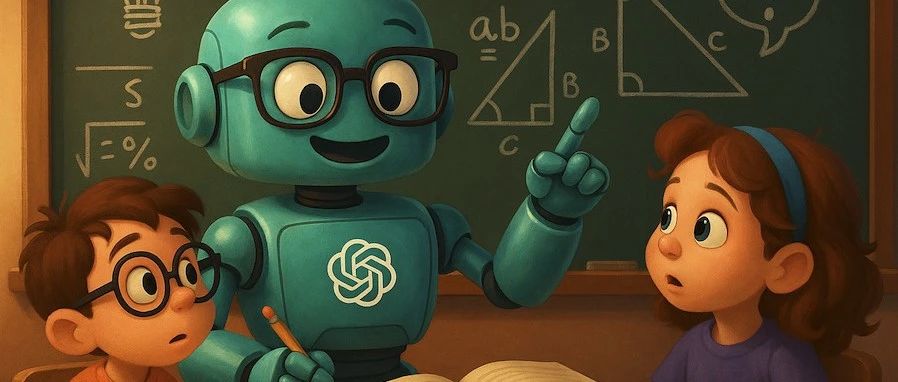
Core Insights - OpenAI's ChatGPT Study learning mode emphasizes guiding students to understand problem-solving processes rather than providing direct answers, aiming to help students truly master knowledge [1][2] - The introduction of ChatGPT Study raises questions about its potential impact on the development of AI education in the domestic market [1] Group 1: ChatGPT Study's Unique Features - ChatGPT Study utilizes interactive prompts, scaffolded responses, personalized education, and knowledge checks to enhance learning [1][2] - The interactive prompts simulate Socratic questioning, helping students identify their cognitive blind spots through continuous inquiry [1] - Scaffolded responses break down complex concepts into manageable learning modules, adjusting difficulty based on historical dialogue with students [2] Group 2: Domestic AI Education Market Dynamics - The domestic education market has seen a surge in AI education tools, with various companies launching products similar to ChatGPT Study, such as Baidu's G16Pro and iFLYTEK's P30 [2] - The education sector faced significant challenges post-2021 due to regulatory changes, leading to a decline in traditional tutoring services while demand for non-academic training remains [5][6] - Despite a decrease in student enrollment numbers, a significant portion of students still participate in tutoring, indicating a persistent demand for educational support [6][9] Group 3: The Rise of AI Education - AI education is emerging as a viable solution to the challenges faced by traditional education, with companies like Tencent and iFLYTEK developing innovative educational tools [12][14] - AI education tools are not constrained by policy limitations and can cater to both urban and rural educational needs, promoting equity in education [15][17] - The shift from service-based to product-based education models allows AI teachers to provide consistent quality and personalized learning experiences at scale [16] Group 4: Market Growth and Future Prospects - The retail volume of AI learning devices reached 3.937 million units in 2024, accounting for 66.5% of the online market share, indicating strong growth in the sector [22] - The integration of AI in education is expected to drive technological innovation across the industry, leading to smarter and more precise educational tools [22]
粉笔2025年上半年预计净利润不少于2.15亿元
Bei Jing Shang Bao· 2025-08-04 12:19
Core Viewpoint - The company, Fenbi, anticipates a revenue of at least 1.472 billion yuan and a net profit of no less than 215 million yuan for the first half of 2025, indicating a year-on-year decrease of up to 22.6% in net profit [1] Group 1: Financial Performance - Fenbi expects to achieve a revenue of no less than 1.472 billion yuan for the first half of 2025 [1] - The projected net profit is expected to be at least 215 million yuan, reflecting a year-on-year decrease of not more than 22.6% [1] Group 2: Product Development - As of June 30, 2025, Fenbi's AI question-answering system class has sold approximately 50,000 sessions, generating around 20 million yuan in revenue [1] - 90% of the students enrolled in the AI class were previously registered users of the company's app who had not made any payments until the introduction of the AI class priced at 399 yuan [1] - Currently, the AI class is only available for civil service subjects, with plans to expand to more subjects within 2025 [1]
ChatGPT上线学习模式,大模型也开始超级App化
3 6 Ke· 2025-08-03 01:26
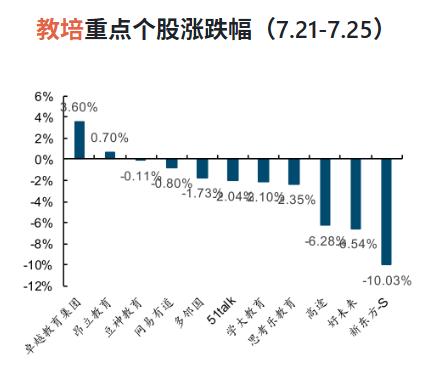
Core Insights - OpenAI has introduced a learning mode in ChatGPT aimed at enhancing educational outcomes by guiding users through problem-solving rather than simply providing answers [1][2][4] - The learning mode is designed to help both students and teachers, potentially changing the way AI is utilized in educational settings and addressing concerns about its impact on traditional learning [2][4] - The introduction of this mode may pose a challenge to existing vertical AI education models, which currently excel at answering questions but lack the ability to provide comprehensive learning plans [3][4][5] Industry Trends - The rise of AI in education has led to a surge in AI applications and hardware, yet companies like Gaotu and TAL Education have not seen stock prices recover to pre-"double reduction" levels, indicating limited impact from the AI education concept [3] - Current vertical AI models are criticized for their strong problem-solving capabilities but weak teaching abilities, highlighting a gap in their effectiveness compared to the new ChatGPT learning mode [3][4] - The competitive landscape is shifting as OpenAI's advancements in general models, such as the learning mode, challenge the relevance of specialized vertical models, prompting concerns among AI entrepreneurs [5][6]
AI教育风口下,有人乘风破浪,有人艰难求生
美股研究社· 2025-07-31 12:40
Core Viewpoint - The education industry is undergoing a silent revolution driven by AI technology, with 86% of educational institutions globally utilizing generative AI, the highest among all sectors [1][2]. Revenue Polarization - New Oriental's Q4 revenue reached $1.24 billion, a 9.4% year-on-year increase, but net profit dropped 73.7% to $7.1 million [1][4]. - Gaotu led the industry with Q1 revenue of 1.5 billion yuan, achieving a 58% growth rate, while 51Talk's revenue surged 93.1% year-on-year [1][5]. - Other companies like NetEase Youdao, Shangde Education, and Yiqi Education experienced revenue declines, with the highest drop reaching 15% [1][8]. Profit Structure Reconstruction - Gaotu's Q1 net profit soared to 124 million yuan, compared to a loss of 12.3 million yuan in the same period last year, driven by AI technology [11]. - NetEase Youdao's Q1 revenue was 1.3 billion yuan, down 7% year-on-year, but it continues to innovate with AI applications across its services [8][11]. - Shangde Education's Q1 revenue fell to 488 million yuan, marking a 13-quarter consecutive decline [8]. - Yiqi Education reported a Q1 revenue of 21.67 million yuan, with all key metrics showing a downward trend [8]. Market Trends and Globalization - The global K12 education learning management market is projected to grow from $1.81 billion in 2024 to $8.93 billion by 2033, with a CAGR of 19.4% [16]. - Companies are focusing on three key dimensions: depth of technology, scene penetration, and ecosystem construction [16][17]. - 51Talk is expanding into Southeast Asia, aiming for 40% of its revenue from overseas by 2025 [17]. - New Oriental's overseas business has shifted from exam training to comprehensive study abroad services, showing significant growth [17][18].





ChatGPT上线“AI教师”模式
财联社· 2025-07-30 12:18
Core Viewpoint - The integration of "research and learning" features in ChatGPT by OpenAI marks a significant step towards AI-driven education, aiming to enhance critical thinking and personalized learning experiences for users [2][4]. Group 1: Learning Features - ChatGPT's new learning mode utilizes Socratic questioning and guided prompts to encourage users to think deeply about problems rather than providing direct answers [4]. - The learning mode is designed to tailor educational paths based on the user's knowledge level and includes testing to reinforce understanding [4]. - OpenAI emphasizes that the teaching capabilities of ChatGPT extend beyond traditional subjects, allowing for a wide range of topics, including stock trading [5]. Group 2: Educational Goals - A key objective of the learning mode is to prevent users from becoming overly reliant on AI for answers, addressing concerns about cognitive decline among students [6]. - OpenAI aims to promote constructive academic use of ChatGPT, encouraging students to explore questions in depth rather than seeking quick solutions [6]. - The learning mode can also assist students in problem-solving by guiding them through the process step-by-step, such as when uploading an exam paper [6]. Group 3: Future Developments - OpenAI acknowledges that the learning mode is still in its early stages and relies on custom instructions, which may lead to some conversational errors [5]. - The company plans to integrate this capability more deeply into the core model and continuously improve the interactive experience, including visual representations of complex concepts [5][7]. - Users are not mandated to use the learning mode, as the choice remains with the students [7].
AI教育圳行动沙龙聚焦福田:探索人工智能教育的先锋密码
Nan Fang Du Shi Bao· 2025-07-23 11:43
Core Viewpoint - The integration of artificial intelligence (AI) into education is transforming the educational landscape, with Shenzhen's Futian District leading the way in innovative practices and systemic changes in educational philosophy, teaching models, evaluation systems, and nurturing ecosystems [1][5][19]. Group 1: AI Education Practices - The "AI Education Zhen Action" salon held at Shenzhen University focused on how AI can drive structural changes in education, emphasizing that AI education is not merely an extension of information technology education [1][15]. - Futian District has transitioned from hardware proliferation to deeper explorations of AI in education, gaining national attention for its initiatives [3][19]. - The district's educational leaders have shared their experiences on national platforms, highlighting the significance of the "Futian experience" in AI education [3][19]. Group 2: Educational Framework and Collaboration - Shenzhen University emphasizes a three-pronged approach to AI education: foundational knowledge, application skills, and ethical awareness, tailored to different educational stages [7][19]. - The establishment of AI joint laboratories between Shenzhen University and local schools aims to create seamless connections between basic education and higher education in AI talent cultivation [7][19]. - The "Mingde Model" at Shenzhen Mingde Experimental School integrates AI into all aspects of education, supported by partnerships with technology companies [9][19]. Group 3: Future of AI in Education - The future of education in Shenzhen is expected to see AI spaces becoming commonplace, teachers evolving into "super teachers" adept at human-machine collaboration, and students becoming proficient in leveraging AI [11][19]. - The concept of AI education is framed as a dynamic and creative process, contrasting with traditional information technology education, which is more static [18][19]. - The ultimate goal of AI education is to cultivate creators who can harness technology rather than mere followers of technology [14][19]. Group 4: Ethical Considerations and Challenges - Discussions highlighted the importance of maintaining human-centric values in AI applications within education, ensuring that technology enhances rather than replaces human judgment [17][19]. - The need for clear boundaries regarding AI usage in education was emphasized, focusing on AI as a tool to enhance human capabilities rather than a replacement [19]. Group 5: Conclusion and Future Directions - The salon concluded with a consensus on the need for continuous innovation and the establishment of a supportive ecosystem for AI education, aiming to replicate and promote the "Shenzhen experience" in other regions [19].