
不干涉内政原则

Search documents
外交部:希望孟加拉国如期顺利举行大选,有序推进国家政治议程
Xin Hua She· 2025-12-31 09:05
Core Viewpoint - Bangladesh is preparing for its national parliamentary elections scheduled for February 12, 2026, and China expresses hope for a smooth and timely election process, emphasizing non-interference in internal affairs [1]. Group 1 - The Chinese Foreign Ministry spokesperson, Lin Jian, stated that the upcoming elections are an internal matter for Bangladesh [1]. - China believes that the interim government and the people of Bangladesh are capable of managing their own affairs and following a development path that suits their national conditions [1].
“中国已成为国际关注中心和焦点”——中外学者热议《2025年中国国际形象全球调查报告》
Huan Qiu Shi Bao· 2025-12-30 01:08
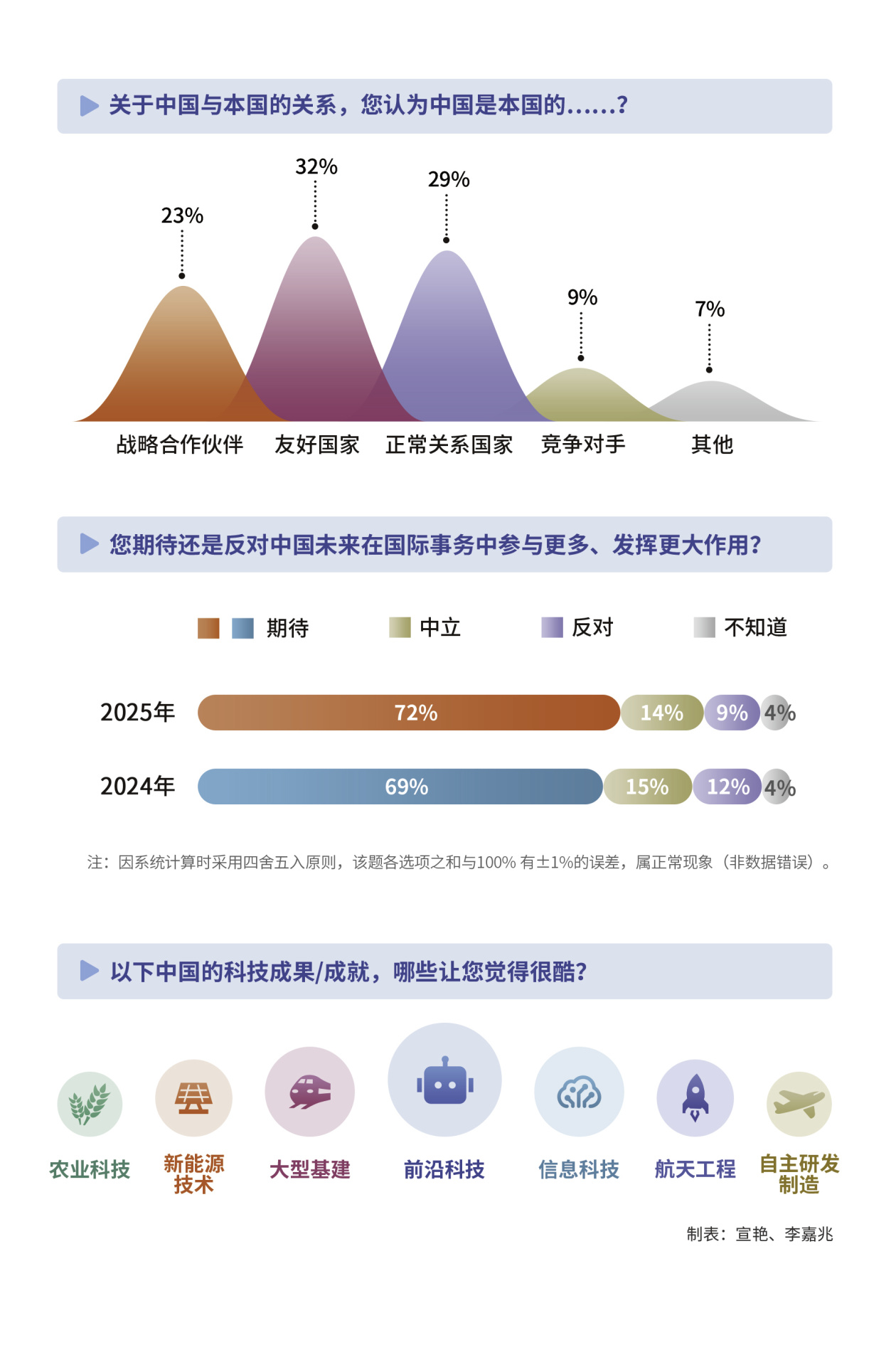
Core Insights - The 2025 Global Survey on China's International Image indicates a growing recognition of Xi Jinping's Thought on Socialism with Chinese Characteristics, with significant international support for key concepts such as "building a community with a shared future for mankind" and "green development" [3][4][5]. Group 1: International Perception of China - Approximately 78% of foreign respondents acknowledge China's increasing comprehensive national strength, an 8 percentage point increase from 2024 [11]. - Nearly 69% of foreign respondents express a favorable view of China, up 6 percentage points from the previous year [11]. - Over 90% of respondents show interest in China, with cultural aspects being the primary interest for developed countries and technology for developing nations [11]. Group 2: Recognition of Governance and Development Models - About 70% of foreign respondents positively view the Chinese Communist Party's strict governance practices and the implementation of five-year plans, recognizing them as important experiences for economic and social development [7][9]. - The international community appreciates China's long-term planning and strong execution capabilities, which are seen as key factors in its development success [8][9]. Group 3: China's Global Initiatives - The survey highlights that over 70% of respondents recognize China's global initiatives, such as the Global Development Initiative and the Global Security Initiative, reflecting a growing awareness and acceptance of these concepts [3][4]. - China's emphasis on mutual respect, common development, and collective security resonates with many countries, particularly in the context of rising global uncertainties [5][6]. Group 4: Expectations for China's Role in Global Affairs - More than 70% of respondents expect China to play a larger role in international affairs, particularly in promoting a fairer global order and addressing regional issues [16][17]. - Over 80% of foreign respondents believe their countries maintain normal, friendly, or strategic cooperative relations with China, indicating a positive perception of bilateral relations [19].

国际人士:高市错误言论严重威胁地区稳定
Yang Shi Xin Wen Ke Hu Duan· 2025-12-14 07:44
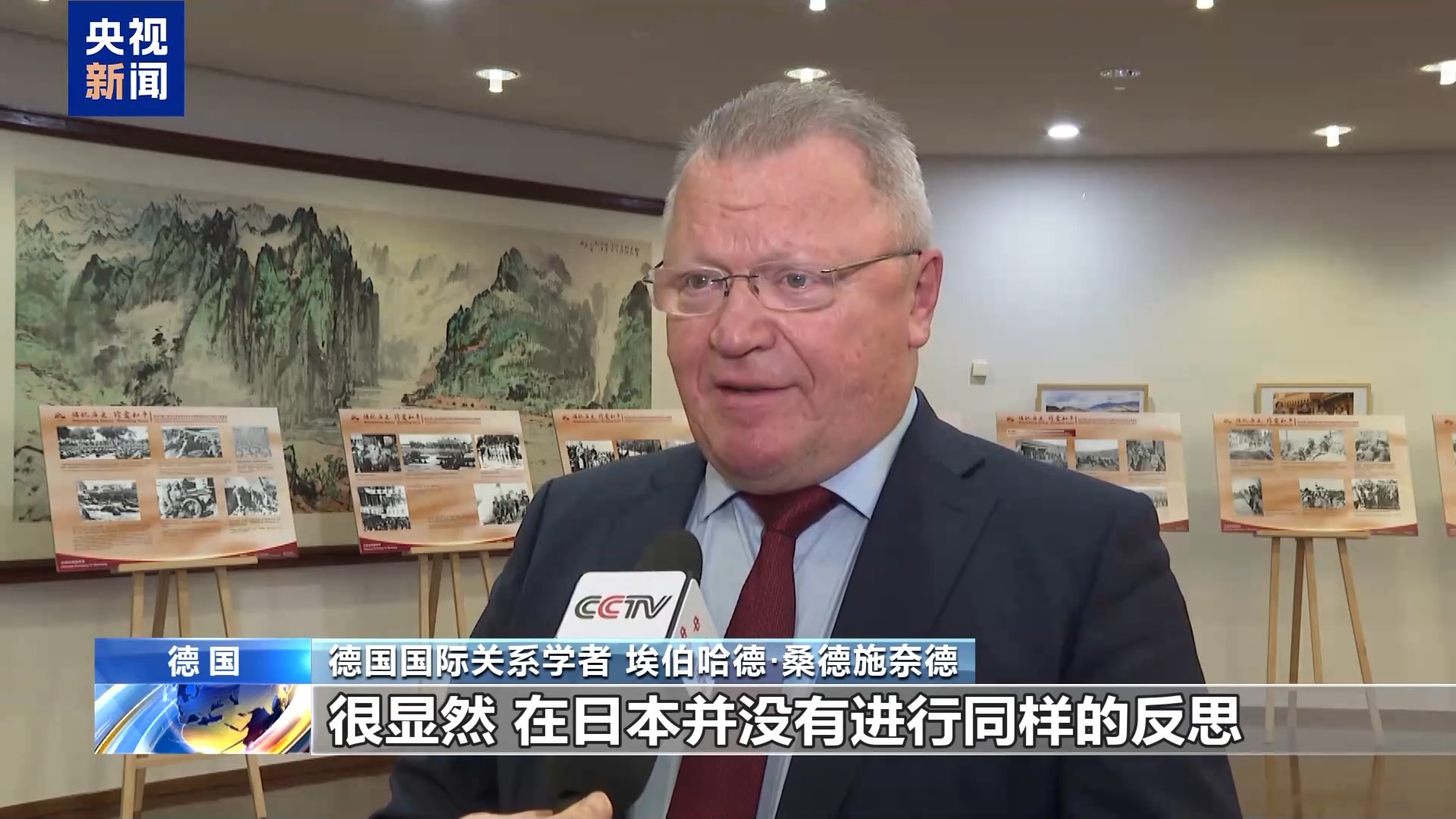
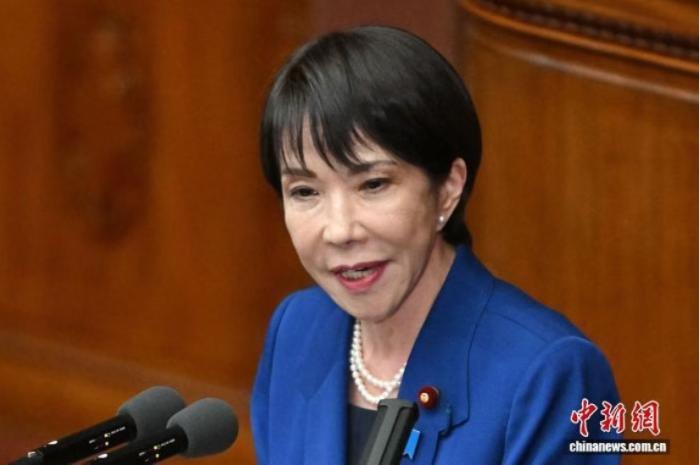
Group 1 - Japanese Prime Minister Sanae Takaichi's recent comments regarding Taiwan have drawn significant international criticism, with many asserting that her statements interfere with other nations' internal affairs and threaten post-World War II international order and regional stability [1][3] - Italian legal scholar Diliberto described Takaichi's remarks as dangerous and indicative of nationalism, emphasizing that any attempt by a country to interfere in another's internal matters is a serious violation of international law principles [1] - German international relations scholar Eberhard Sandershneider noted the lack of critical reflection on Japan's historical actions, suggesting that this absence affects Japan's self-perception and positioning in the modern world [1] Group 2 - Kenyan media chief Bernard Momanyi stated that Takaichi's comments violate international peace principles and could escalate into military conflict, urging Japan to retract these statements [3] - Momanyi expressed concern that Japan's actions could lead the country back to militarism, which would not only risk war but also undermine regional peace and stability [3]
所谓“存亡危机事态”,是日本对国际法的非法僭越|国际识局
Zhong Guo Xin Wen Wang· 2025-12-05 08:08
Core Viewpoint - Japanese Prime Minister Sanae Takaichi's provocative statement on November 7, suggesting that "Taiwan's situation" could constitute a "survival crisis" for Japan, implies a potential justification for Japan to exercise collective self-defense or intervene in Taiwan affairs, indicating a willingness for military involvement in the Taiwan issue [1] Group 1: Legal and International Relations Implications - Takaichi's attempt to categorize "Taiwan's situation" as a "survival crisis" reflects a disregard for Japan's obligations under international law, challenging the post-World War II international order and undermining fundamental principles of international law [2][5] - The legal basis for Taiwan's status is firmly established in international law, with documents such as the Cairo Declaration and the Potsdam Proclamation affirming Taiwan's return to China, thus making Taiwan's issue a matter of China's internal affairs [3] - Japan's invocation of domestic law to justify interference in a sovereign nation's internal matters is a blatant challenge to the principles of sovereignty and non-interference that are foundational to modern international law [5] Group 2: Collective Self-Defense and Military Actions - Japan's linkage of the "survival crisis" concept to collective self-defense represents a significant legal overreach, as collective self-defense is strictly limited to situations of actual armed attack, as outlined in the UN Charter [6] - The vague definition of "survival crisis" expands the interpretation of self-defense beyond the strict confines of international law, potentially allowing Japan to justify military actions without direct provocation [6] - Recent military deployments, such as missile installations on Yonaguni Island, are seen as provocative actions that threaten China's sovereignty and escalate regional tensions, undermining peace and stability [7] Group 3: Domestic Law vs. International Obligations - The fundamental flaw in Japan's "survival crisis" concept lies in its attempt to prioritize domestic law over international obligations, which is explicitly prohibited by the Vienna Convention on the Law of Treaties [8] - Japan's domestic legal interpretations cannot serve as a valid excuse for violating established international law principles, including non-interference and the prohibition of the use of force [8] - The attempt to elevate domestic law above international law represents a serious challenge to the international legal system and the spirit of international law [8] Group 4: Historical Context and Commitments - Japan's application of the "survival crisis" concept to the Taiwan issue not only violates specific international law principles but also constitutes a fundamental departure from its post-war obligations as a defeated nation [9] - Japan has previously accepted and fulfilled its obligations under the Potsdam Proclamation and the Japanese surrender document, acknowledging Taiwan's return to China, making Takaichi's claims a distortion of historical documents and international law [9]
挥舞签证大棒挡不住中国同中美洲国家关系发展的时代大势
Ren Min Ri Bao· 2025-10-21 09:20
Core Viewpoint - The Chinese government strongly criticizes the recent U.S. visa restrictions targeting Central American citizens and their families, asserting that these actions represent unilateral sanctions and a violation of international law, undermining the sovereignty of affected nations [1] Group 1: U.S. Actions and Responses - The U.S. has announced visa restrictions against Central American citizens collaborating with the Chinese Communist Party, threatening local business figures against engaging with Chinese state-owned enterprises [1] - The Chinese government has previously articulated its firm stance against these U.S. measures and has engaged in serious diplomatic discussions with the U.S. regarding this issue [1] Group 2: Chinese Government's Position - The Chinese government accuses the U.S. of using "law and order" as a pretext for illegal actions, claiming that such unilateral sanctions constitute political oppression and economic coercion [1] - The Chinese government emphasizes that these actions violate the principles of national sovereignty and non-interference in domestic affairs, characterizing them as typical hegemonic behavior [1] Group 3: Future Relations - The Chinese government asserts that the U.S. attempts to interfere in the normal exchanges between Central American countries and China are unfounded and disrespectful [1] - The Chinese government reaffirms its commitment to being a good friend and partner to Central American nations, aiming for mutual development and the establishment of a China-Latin America community of shared destiny [1]
中阿巴三方外长对话在阿富汗举行,专家:“此次会议既是延续,也是新的起点”
Huan Qiu Shi Bao· 2025-08-20 22:45
Core Points - The visit of Wang Yi, China's Foreign Minister, to Afghanistan marks the first high-level multilateral meeting in the country since the Taliban took power four years ago, highlighting China's commitment to developing relations with Afghanistan and promoting regional cooperation [1][2][3] - Afghanistan's Prime Minister, Ahmad, expressed gratitude towards China for its support and emphasized the importance of non-interference in internal affairs, aiming for a sustainable and friendly relationship with China [1][2] - The meeting focused on key issues such as counter-terrorism cooperation, regional connectivity, peace, development, and trade, as well as the extension of the China-Pakistan Economic Corridor into Afghanistan [3] Summary by Sections Diplomatic Engagement - Wang Yi's visit signifies China's ongoing diplomatic engagement with Afghanistan, reflecting a sincere desire to enhance bilateral relations and support Afghanistan's development [2][3] - The meeting with Afghan Foreign Minister Muttaqi underscored Afghanistan's commitment to deepening ties with China based on mutual respect and equality [2] Regional Cooperation - The trilateral meeting is part of a long-standing mechanism that has been operational for years, now taking on new significance in the context of recent improvements in Pakistan-Afghanistan relations [3] - The discussions aim to foster cooperation in various fields, including trade and economic development, which are crucial for Afghanistan's stability and growth [3] International Relations - Despite the Taliban's lack of widespread international recognition, the meeting indicates a willingness from major powers like China to engage constructively with the Taliban, aiming to help Afghanistan integrate into the international community [3]
中使馆:对干涉菲律宾选举没有兴趣
券商中国· 2025-04-29 23:22
中国驻菲律宾使馆发言人就菲个别政客诬蔑中方散播虚假信息干涉菲中期选举答记者问。 问:近日个别菲律宾政客称,中国在菲散播虚假消息,干涉菲中期选举。菲参议院外交关系委员会主席艾 美·马科斯发布报告称,菲政府启动所谓"沟通计划",旨在将菲民众注意力从逮捕前总统杜特尔特并将其移 送国际刑事法院转移到所谓"西菲律宾海"问题和所谓"中方虚假信息活动"。中国使馆对此有何评论? 答:我们注意到有关报道。 中国一贯奉行不干涉内政原则,我们对干涉菲律宾选举没有兴趣。 违法和不良信息举报电话:0755-83514034 邮箱:bwb@stcn.com 券中社 × 券商中国 券 中 社 扫码下载券中社APP 扫码关注券商中国公众号 quanshangcn qzs.stcn.com 舞中 券中社APP 券 商 中 国 是 证 券 市 场 权 威 媒 体 《 证 券 时 报 》 旗 下 新 媒 体 , 券 商 中 国 对 该 平 台 所 刊 载 的 原 创 内 容 享 有 著 作 权 , 未 经 授 权 禁 止 转 载 , 否 则 将 追 究 相 应 法 律 责 任 。 看券商中国 知天下财经 中国驻菲律宾使馆始终致力于向菲人民介绍真实 ...