
两用物项出口管制

Search documents
中方:坚决反对,不予接受!
第一财经· 2026-01-15 08:55
Core Viewpoint - The article discusses China's response to Japan's criticism regarding China's export control measures on dual-use items, emphasizing that these measures are justified and aimed at preventing Japan's militarization and nuclear ambitions [1]. Group 1: Export Control Measures - China's export control measures are described as a common international practice aimed at maintaining world peace and fulfilling non-proliferation obligations [1]. - The measures specifically prohibit exports to Japanese military users and any entities involved in enhancing Japan's military capabilities [1]. Group 2: Response to Japan's Criticism - The Chinese government rebuts Japan's claims of "economic coercion," asserting that Japan is misrepresenting the situation and failing to acknowledge the root causes of the issue [1]. - The spokesperson urges Japan to reflect on its actions and correct its course to avoid further escalation of tensions [1].


商务部:中方对日本采取有关措施根源在于高市首相错误言行
券商中国· 2026-01-15 08:39
Group 1 - The core viewpoint of the article is that China's export control measures on dual-use items directed at Japan are justified and a response to Japan's actions, particularly those of Prime Minister Kishi Nobuo [1] - The Chinese government emphasizes that export controls are a common international practice aimed at maintaining world peace and fulfilling non-proliferation obligations [1] - China asserts that the measures are legal and reasonable, aimed at preventing Japan's militarization and nuclear ambitions, and criticizes Japan for not recognizing the root of the issue [1]
高市要求撤回“对日两用物项出口管制” 中方:坚决反对,不予接受!
21世纪经济报道· 2026-01-15 08:39
Core Viewpoint - The Chinese Ministry of Commerce firmly opposes the recent statements made by Japanese Prime Minister Sanae Takaichi, emphasizing that the export control measures imposed by China are a legitimate response to Japan's actions and are aimed at preventing militarization and nuclear ambitions [1]. Group 1 - The Chinese government has implemented export control measures specifically targeting Japan, which it claims are justified due to the "erroneous words and actions" of Prime Minister Takaichi [1]. - The spokesperson for the Ministry of Commerce, He Yongqian, stated that export controls are a common international practice aimed at maintaining world peace and fulfilling non-proliferation obligations [1]. - China prohibits the export of dual-use items to Japanese military users and any entities that contribute to enhancing Japan's military capabilities, asserting that these measures are reasonable and lawful [1]. Group 2 - The Chinese government criticized Japan for not addressing the root causes of the issue and accused Japan of fabricating claims of "economic coercion" against China [1]. - The Ministry of Commerce urged Japan to reflect on its actions and correct its mistakes to avoid further escalation of tensions [1].
商务部:中方对日本采取有关措施,根源在于高市首相错误言行
中国能源报· 2026-01-15 07:34
Group 1 - The core viewpoint of the article is that China's export control measures against Japan are a response to the actions and statements of Japanese Prime Minister Kishi Nobuo, which China deems erroneous [1] - China's spokesperson emphasized that export controls are a common international practice aimed at maintaining world peace and fulfilling non-proliferation obligations, asserting that these measures are justified and legal [1] - The article highlights that China prohibits the export of dual-use items to Japanese military users and any entities that contribute to Japan's military capabilities, aiming to prevent Japan's re-militarization and nuclear ambitions [1] Group 2 - The spokesperson criticized Japan for not addressing the root of the issue and instead accusing China of "economic coercion," which China views as an inversion of truth and a worrying sign of resurgent militarism [1] - China urges Japan to reflect on its actions, correct its mistakes, and avoid further escalation down a misguided path [1]
盯上6000米深海稀土!日本派船探查,距中国加强两用物项出口管制不到一周
Mei Ri Jing Ji Xin Wen· 2026-01-13 07:23
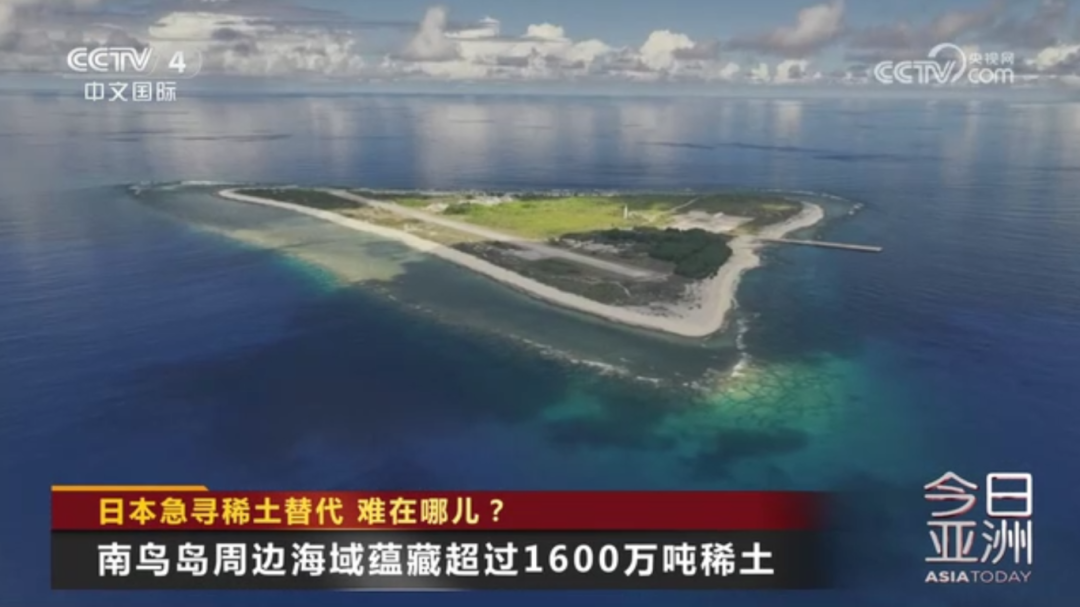
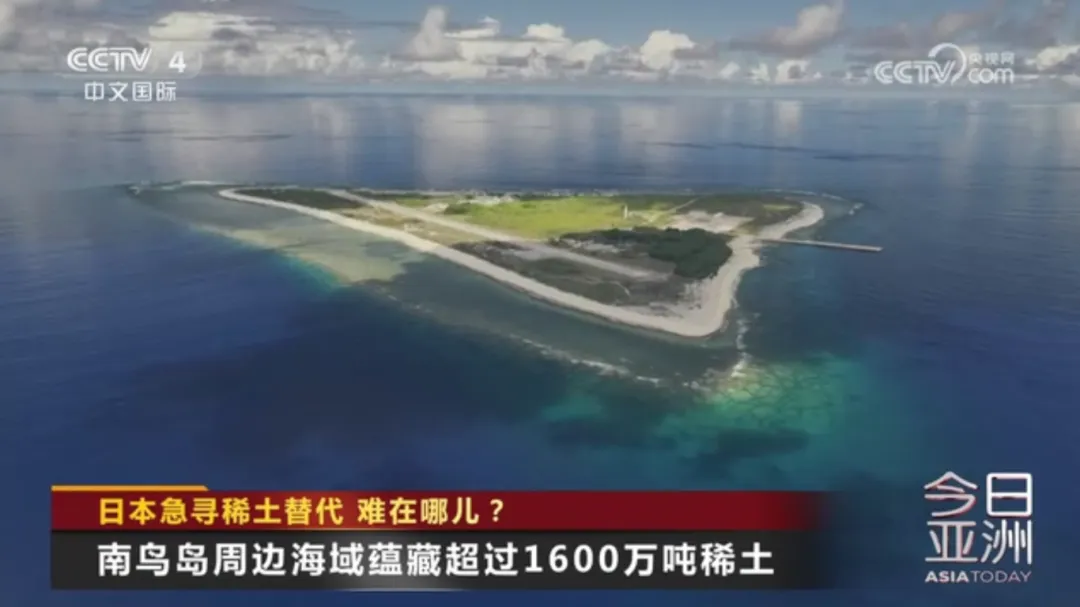
Group 1: Political Developments in Japan - Japanese Prime Minister Sanna Takashi has decided to dissolve the House of Representatives on January 23 and hold early elections, with an official announcement expected soon [1][27] - Takashi's cabinet approval ratings remain high, prompting calls within the ruling Liberal Democratic Party (LDP) for an early dissolution of the House [1] - Critics within the LDP and opposition parties argue that Takashi is prioritizing party interests over national concerns, particularly regarding the impact on the 2026 budget [1][30] Group 2: Rare Earth Exploration and Extraction - Japan has initiated the world's first deep-sea rare earth trial mining at a depth of 6000 meters near Minami-Torishima, with the aim of extracting approximately 350 tons of rare earth mud daily [3][5] - The area surrounding Minami-Torishima is estimated to contain over 16 million tons of rare earth elements, which could significantly reduce Japan's reliance on imports [7][9] - The project aims to diversify Japan's rare earth supply sources and enhance its strategic position in the global market, with commercial mining expected to start by February 2027 if trials are successful [9][19] Group 3: Challenges in Rare Earth Mining - The feasibility of deep-sea rare earth mining is questioned due to high technical difficulties and costs, with deep-sea extraction being over ten times more expensive than land-based mining [11][14] - Environmental concerns are significant, as the extraction process may produce hazardous chemical and radioactive waste, necessitating careful management [14] - Nissan is collaborating with Waseda University to develop technology for recovering rare earth elements from scrapped electric vehicle motors, aiming for practical application around 2030 [15][17] Group 4: Economic Implications of Rare Earth Dependency - Japan currently relies on China for over 70% of its rare earth imports, with heavy rare earths being nearly 100% dependent on Chinese supply [19][23] - Potential export controls from China could lead to significant economic losses for Japan, estimated at 2.6 trillion yen if restrictions last for a year [23][25]
盯上6000米深海稀土!日本派船探查,距中国加强两用物项出口管制不到一周!高市早苗已决定提前大选
Mei Ri Jing Ji Xin Wen· 2026-01-13 07:03
Group 1: Political Developments in Japan - Japanese Prime Minister Fumio Kishida has decided to dissolve the House of Representatives and hold early elections on January 23, with an official announcement expected soon [1][29] - Kishida's cabinet approval ratings remain high, prompting calls within the ruling Liberal Democratic Party (LDP) for an early dissolution of the House [1][29] - Critics within the LDP and opposition parties argue that Kishida is prioritizing party interests over national concerns, particularly regarding the timing of the budget [1][31] Group 2: Rare Earth Exploration and Extraction - Japan has initiated the world's first deep-sea rare earth trial extraction at a depth of 6000 meters near Minami-Torishima, with an estimated 16 million tons of rare earth resources in the surrounding waters [3][7] - The trial, conducted by the deep-sea drilling vessel "Chikyu," aims to assess the feasibility of extracting rare earth mud, with a target of daily extraction of 350 tons [5][9] - If successful, commercial mining could begin by February 2027, potentially allowing Japan to diversify its rare earth supply sources and reduce dependence on specific countries [9][21] Group 3: Challenges in Rare Earth Extraction - The feasibility of deep-sea rare earth extraction is questioned due to significant technical challenges, including high costs and environmental risks [11][14] - The extraction process is expected to be ten times more expensive than land-based rare earth mining, with commercial viability projected to take over a decade [11][14] - Japanese automaker Nissan is collaborating with Waseda University to develop technology for recycling rare earth elements from scrapped electric vehicle motors, aiming for practical application around 2030 [15][19] Group 4: Economic Implications of Rare Earth Dependency - Japan currently relies on China for over 70% of its rare earth imports, with heavy rare earths being nearly 100% dependent on Chinese sources [21][25] - Recent export controls imposed by China on dual-use items could lead to significant economic losses for Japan, estimated at 2.6 trillion yen if the restrictions persist for a year [20][25] - The potential for Japan to produce its own rare earths could enhance its strategic position and bargaining power in international markets [9][25]
中方再谈加强两用物项对日出口管制:依法依规,正当合理合法
Zhong Guo Xin Wen Wang· 2026-01-12 08:04
Core Viewpoint - China has announced strengthened export controls on dual-use items to Japan, emphasizing that these measures are lawful and justified [1] Group 1 - The Chinese Ministry of Foreign Affairs has confirmed the implementation of stricter export licensing reviews for rare earth materials, including those for civilian use, to Japan [1] - The spokesperson, Mao Ning, stated that the measures taken by China are in accordance with laws and regulations, asserting their legitimacy [1]
玉渊谭天丨中方加严管制两用物项 坚决遏制日本军国主义图谋
Xin Lang Cai Jing· 2026-01-09 16:41
Group 1 - The core action taken by China involves a comprehensive export ban on all dual-use items to Japan, which includes over 900 items across various industries [1][6][19] - The export control is a response to perceived threats from Japan's military ambitions and is aimed at regulating Japan's "re-militarization" efforts [2][19] - The dual-use items include materials, software, technology, and equipment components that can be utilized in both civilian and military applications [6][8] Group 2 - Japan's defense budget has significantly increased, with a projected total of approximately 9.04 trillion yen for the fiscal year 2026, marking a 70% increase since 2018 [7] - The potential economic impact on Japan could be severe, with estimates suggesting a GDP decline of 1.3% to 3.2% if China halts exports of rare earths and other critical minerals [11] - The manufacturing sector, particularly the transportation machinery industry, could see output declines exceeding 5%, with the automotive sector potentially facing a 17.6% drop [11] Group 3 - Japan's military-related activities are often obscured within its civilian industrial framework, which has roots in pre-war military enterprises [12][13] - Many private companies in Japan have defense technology departments and are involved in military-related research, indicating a deep integration of military and civilian sectors [13][18] - The export control measures target not just government entities but also private firms that are embedded within Japan's military-industrial complex [18][19]
日方就两用物项出口管制提交涉,中方:驳回!
第一财经· 2026-01-08 09:58
Group 1 - The core viewpoint of the article is that China is reinforcing export controls on dual-use items to Japan, emphasizing the importance of national security and compliance with international obligations [1][3] - Chinese Ambassador Wu Jianghao rejected Japan's concerns regarding the export controls, stating that the measures are legitimate and necessary for safeguarding national interests [1] - The Chinese government has clearly articulated its stance and will proceed with the relevant measures as planned [1]

中国军号:中国为何对日发出严厉管制禁令?防止日本军国主义借尸还魂
Xin Lang Cai Jing· 2026-01-08 09:40
Group 1 - The core viewpoint of the article is that China has implemented strict export controls on dual-use items to Japan, aimed at preventing the resurgence of Japanese militarism and disrupting its military industrial capabilities [1][2] - The export control measures are characterized as a systematic action rather than a symbolic gesture, indicating China's commitment to blocking technological advancements that could aid Japan's military [2] - The updated export control list, which spans 168 pages, includes hundreds of categories of dual-use items, covering essential components of modern military systems, such as high-performance materials and advanced sensors [1][2] Group 2 - The export controls are described as a precise strike on Japan's military industrial system, particularly targeting the supply chain of high-performance materials [3] - China controls 85% of the global production of samarium-cobalt magnets, which are critical for various military applications, indicating Japan's heavy reliance on Chinese technology and production capabilities [3] - The inclusion of titanium and alloys used in manufacturing key military components in the export control list suggests that Japan will face significant challenges in maintaining its military capabilities, leading to increased costs and project delays [3]