
书法艺术

Search documents
纯美的注视从颜真卿到沈尹默
Xin Lang Cai Jing· 2026-01-06 23:41
Core Viewpoint - The article discusses the life and contributions of Shen Yinmo, a prominent Chinese calligrapher and poet, highlighting his artistic style, influences, and the significance of his works in the context of Chinese culture and calligraphy. Group 1: Background and Early Life - Shen Yinmo was born on June 11, 1883, in Han Yin, Shaanxi Province, into a family with a strong literary and artistic background [2] - His father, Shen Zuoyi, was a government official and a scholar who significantly influenced Shen Yinmo's education and artistic development [2][5] - Shen Yinmo began studying calligraphy at the age of 12 and was deeply influenced by various calligraphic styles throughout his life [3] Group 2: Artistic Development and Style - Shen Yinmo's calligraphy combined the rigor of the Ouyang Xun style with the fluidity of Wang Xizhi, creating a unique blend that avoided the extremes of softness and roughness [3] - He became a key figure in the revival of traditional calligraphy in the 20th century, achieving a balance between classical techniques and modern aesthetics [3] - His later works, such as the simplified style of the Heart Sutra, exemplified his mastery and the evolution of his artistic expression [3] Group 3: Recognition and Influence - Shen Yinmo was recognized as one of the leading calligraphers of his time, often compared to other prominent figures in the field [4] - His contributions to poetry and prose, particularly his work "Moonlight," are noted for their artistic depth and alignment with the spirit of the May Fourth Movement [6] - The article emphasizes the lasting impact of Shen Yinmo's work on both contemporary and future generations of artists and scholars [6]
说说我的兴趣爱好
Xin Lang Cai Jing· 2025-12-19 18:23
Group 1 - The article highlights the unique charm and appeal of hard pen calligraphy, describing it as a brilliant gem among various art forms [1] - The author expresses a strong commitment to mastering the art of hard pen calligraphy, which began after being inspired by a school calligraphy exhibition [1] - Initial challenges included improper grip leading to shaky writing, which required dedicated practice to correct [1][2] Group 2 - After persistent effort, the author achieved significant improvement in writing skills, culminating in winning a special award at a school calligraphy competition [2] - Calligraphy not only brought recognition but also enhanced focus and patience, contributing to more effective learning [2] - The practice of calligraphy deepened the author's appreciation for Chinese traditional culture and its rich connotations [2]
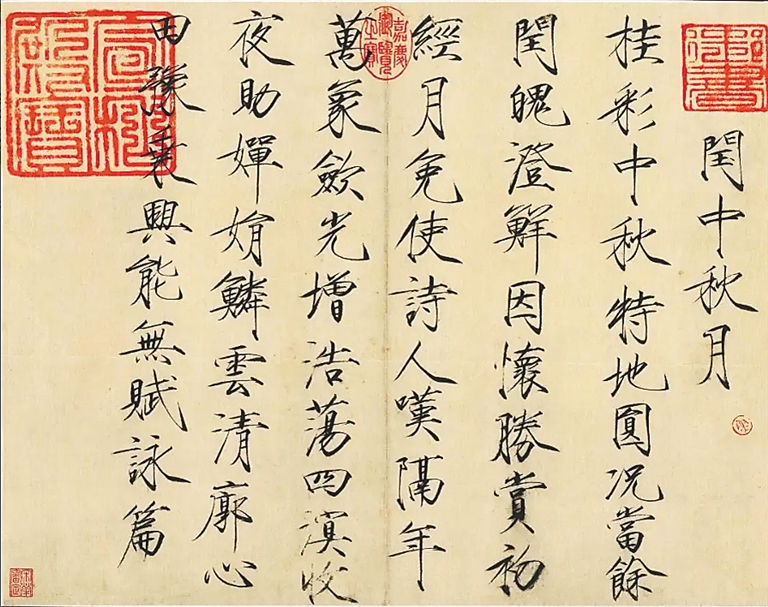
月下挥墨存秋韵
Hai Nan Ri Bao· 2025-09-29 02:54
Core Points - The articles highlight the cultural significance of the Mid-Autumn Festival through historical artworks and poetry, showcasing the emotional depth and artistic expression of ancient scholars [6][10][12]. Group 1: Zhao Ji's "Lunar Mid-Autumn Poem" - Zhao Ji, also known as Emperor Huizong of Song, composed a poem titled "Lunar Mid-Autumn" during a moonlit night, reflecting on nature's beauty and personal feelings [8]. - The poem is characterized by elegant language and a harmonious blend of natural imagery and personal sentiment, written in Zhao Ji's unique "slender gold" calligraphy style [9]. - The artwork, measuring 44.5 cm in width and 35 cm in height, features 7 lines and 60 characters, showcasing a distinct calligraphic style that combines strength and grace [9]. Group 2: Shen Zhou's "Moon Viewing at Youzhu Villa" - Shen Zhou created "Moon Viewing at Youzhu Villa" in 1486, inviting friends to enjoy the Mid-Autumn night, which reflects his complex emotions about the passage of time [10][11]. - The artwork includes a preface written by a friend and a poem by Shen Zhou, emphasizing the interplay of poetry, calligraphy, and painting [11]. - Youzhu Villa, a significant cultural gathering place for scholars, is depicted in Shen Zhou's work, highlighting its historical importance [10]. Group 3: Wen Zhengming's "Jinling Mid-Autumn Poem" - Wen Zhengming's poem "Jinling Mid-Autumn" captures the beauty of a post-rain autumn night in Jinling (Nanjing), using vivid imagery to express nostalgia [12][13]. - The poem's first line uses "Chang'an" as a literary device to refer to Jinling, emphasizing the city's historical significance [13]. - The calligraphy, measuring 141.8 cm in height and 68.8 cm in width, showcases Wen Zhengming's mastery of various calligraphic styles, particularly in running script [14].

鹤山市青少年书法现场挥毫擂台赛在龙口镇霄南村举行
Nan Fang Nong Cun Bao· 2025-08-24 09:32
Core Viewpoint - The event aims to promote traditional Chinese culture and enhance the youth's interest in calligraphy, while also supporting the cultural heritage of the Xianbei community in Longkou Town [5][6]. Event Overview - The "Youth Calligraphy Live Competition" took place in Xiaonan Village, Longkou Town, with 100 middle and primary school students participating [3][4]. - The competition featured two rounds, with primary school students writing four designated characters in 10 minutes and middle school students writing eight characters in 13 minutes [9][10]. Judging and Awards - A panel of judges, including prominent figures from calligraphy associations, evaluated the participants' works and provided feedback [6][7]. - Awards were given in both primary and middle school categories, with two first prizes, three second prizes, and five third prizes awarded in each group [12][16]. Cultural Significance - The event not only showcased the students' calligraphy skills but also emphasized the importance of preserving and promoting the Xianbei culture through art [23][25].

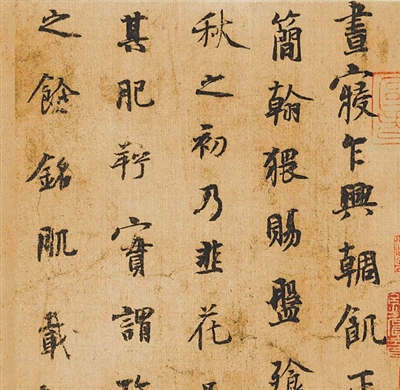
处暑书意
Ren Min Ri Bao· 2025-08-23 22:42
Group 1 - The article discusses the transition of seasons in Beijing, particularly the arrival of the "Chushu" solar term, which brings a refreshing change in climate and influences people's moods [1] - Historical literary works and calligraphy from various dynasties are referenced, showcasing the artistic expressions related to the autumn season, including pieces by Su Shi and Wang Xizhi [1] - The "Jiu Hua Tie" (韭花帖) by Yang Ningshi is highlighted as a significant calligraphic work, inspired by the enjoyment of a dish made from chive flowers, reflecting a sense of tranquility and appreciation for the season [1] Group 2 - The aesthetic qualities of the "Jiu Hua Tie" are analyzed, noting its spacious layout and the contrast between dense and loose spacing, symbolizing the transition from heat to coolness associated with the Chushu period [2] - The calligraphy is described as embodying a serene and unadorned beauty, devoid of the restlessness and anxiety found in everyday life, inviting readers to enjoy the peacefulness of the season [2] - The article emphasizes the subtle changes in the mindset of calligraphers during seasonal transitions, with "Jiu Hua Tie" representing a moment of calm amidst the chaos of life [2]
赴一场书法盛会 观一城文化之美 海内外青少年齐聚“米芾杯”泼墨挥毫
Zhen Jiang Ri Bao· 2025-08-09 00:17
Core Points - The "Mi Fu Cup" International Youth Calligraphy Exhibition is a significant event aimed at promoting calligraphy among youth aged 6-18, with participation from young calligraphy enthusiasts from various regions, including Malaysia [1][2] - The event features live calligraphy writing, expert evaluations, and lectures on Chinese character culture, highlighting the artistic charm of calligraphy and its cultural significance [1][2] Group 1 - The event took place over three days at the Mi Fu Calligraphy Park, with nearly 600 young participants showcasing their skills in a competitive environment [1] - The exhibition includes a judging process where experts provide feedback and select outstanding works for display, including a special "Mi Fu level" recognition [1] - Additional activities include visits to local museums and hands-on experiences, further enriching the participants' understanding of calligraphy and Chinese culture [1] Group 2 - The event is organized by various cultural and educational institutions, emphasizing the collaboration between local government and cultural organizations to promote calligraphy as a key aspect of Zhenjiang's cultural identity [2] - The initiative aims to enhance the city's reputation as a "City of Calligraphy," reflecting the growing scale, influence, and authority of the event [2] - Renowned calligrapher Yan Gongda serves as the chief advisor for the judging panel, adding credibility to the event [2]
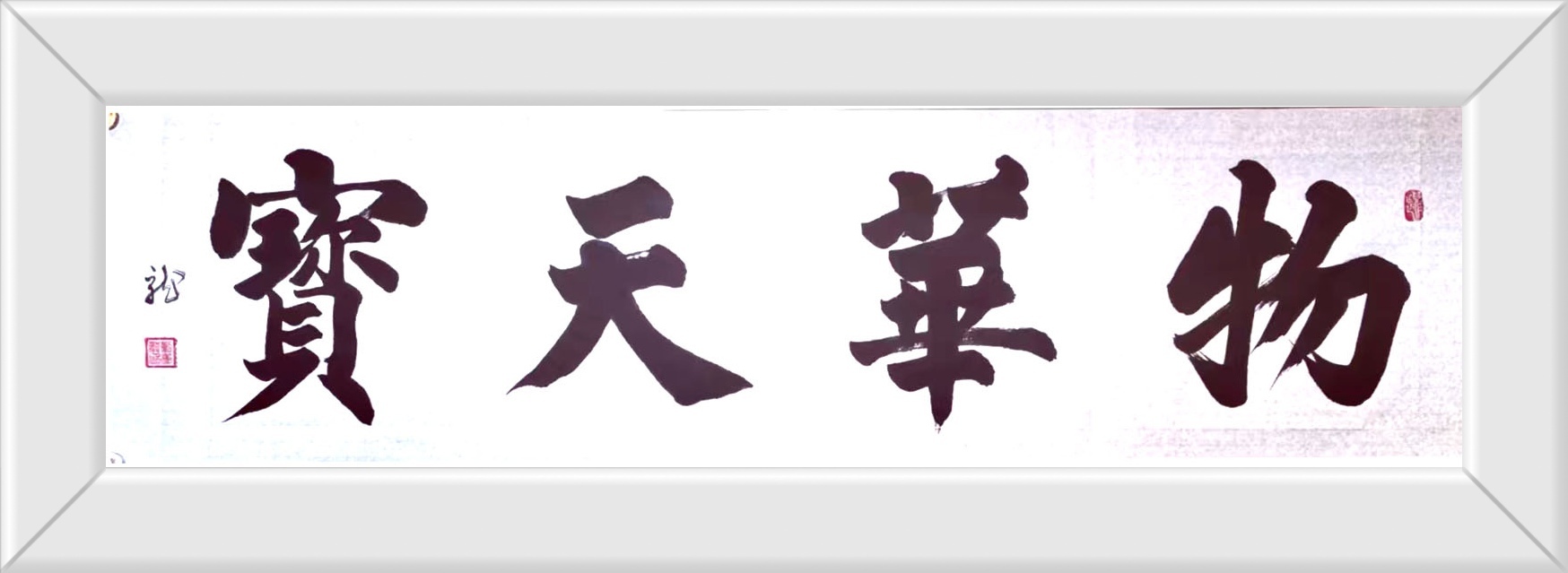
刘秀龙书法作品赏析——物华天宝等五幅
Zhong Guo Jing Ji Wang· 2025-08-05 07:07
Group 1 - The article highlights the significance of historical remembrance and the value of peace through various calligraphy works [5][10] - It features notable works by Liu Xiulong, a member of the Chinese Calligraphers Association and director of the Xibaipo Calligraphy and Painting Institute, emphasizing his contributions to the art [10] - The calligraphy pieces include famous literary works, showcasing the blend of literature and visual art in Chinese culture [6][7][8] Group 2 - Liu Xiulong has published several collections of poetry and calligraphy, indicating his active role in promoting Chinese cultural heritage [10] - The article mentions various platforms where Liu's works have been published, reflecting his influence in the field of calligraphy and poetry [10]
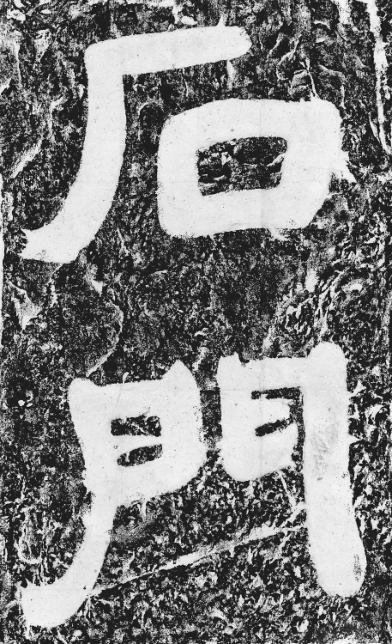
问道石门
Ren Min Ri Bao· 2025-07-26 21:52
Core Viewpoint - The article emphasizes the significance of the Shimen Stone Carvings in preserving ancient Chinese culture and their role in the evolution of calligraphy, highlighting recent efforts to promote and study these artifacts [1][2]. Group 1: Cultural Significance - The Shimen Stone Carvings, particularly the "Shimen Thirteen Pieces," serve as crucial resources for understanding ancient transportation and water conservancy, as well as being a repository for the evolution of calligraphy and Eastern aesthetics [1]. - Xi Jinping's visit to the Hanzhong Museum underscores the importance of cultural heritage in maintaining national spirit and historical continuity [1]. Group 2: Research and Promotion Efforts - The Shaanxi Calligraphers Association has initiated various activities to deepen the research and interpretation of the Shimen Stone Carvings, including the establishment of the Shimen Calligraphy Research Institute and hosting exhibitions [1]. - The "Wen Dao Shimen" exhibition showcased 50 calligraphic works inspired by the Shimen Stone Carvings, reflecting the contemporary inheritance and innovation of Han and Wei calligraphy styles [3]. Group 3: Artistic Evolution - The Shimen Stone Carvings are described as a testament to the qualitative changes in Chinese calligraphy, showcasing the transformation of styles and providing inspiration for modern calligraphers [2][3]. - The article highlights the need to balance tradition and innovation, suggesting that true innovation stems from a deep understanding and transformation of traditional elements into contemporary expressions [3].
传承四百年 集百家墨宝(文物有话说)
Ren Min Ri Bao· 2025-06-13 22:01
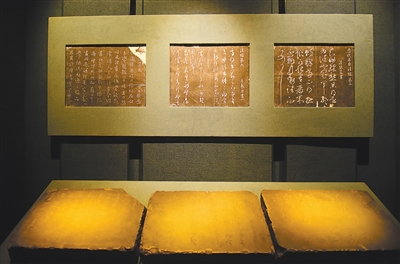
Core Viewpoint - The "Chunhua Pavilion Collection" is a significant cultural artifact in Chinese calligraphy, showcasing the evolution of Chinese characters and the artistic pursuit of beauty throughout history [1][6]. Group 1: Historical Significance - The "Chunhua Pavilion Collection" was commissioned by Emperor Taizong of the Song Dynasty in 992 AD, compiling works from 103 calligraphers over 1,000 years, making it a foundational text in Chinese calligraphy [1]. - The collection includes various styles of calligraphy, such as seal, clerical, cursive, running, and regular scripts, and features works from notable figures like Wang Xizhi and Yan Zhenqing [1]. Group 2: Preservation and Transmission - The original woodblocks of the "Chunhua Pavilion Collection" were destroyed in a fire during the Song Dynasty, leading to a scarcity of original copies, with most surviving versions being reproductions from later periods [2]. - The "Sufu Edition," created in 1615, is the most complete and influential reproduction, closely resembling the original Song version, and is made from high-quality stone, ensuring the preservation of the calligraphic details [3]. Group 3: Cultural Impact - The "Chunhua Pavilion Collection" serves not only as a calligraphic reference but also as a vital cultural artifact that reflects the philosophical and aesthetic values of ancient China [6]. - It has influenced the study of calligraphy, leading to the development of a specialized field known as "tiexue," which has promoted the dissemination of Chinese calligraphy art, impacting countries like Japan and South Korea [6].
蕉叶上的狂草传奇
Jing Ji Guan Cha Bao· 2025-06-02 01:20
Core Viewpoint - Huaisu, a master of cursive calligraphy from the Tang Dynasty, overcame poverty and adversity to leave a significant mark on the history of calligraphy, showcasing his passion and dedication through unique methods of creation [1][2]. Group 1: Background and Early Life - Huaisu came from a poor background, struggling to afford paper for writing [1]. - He cultivated over ten thousand banana plants to use their leaves as writing surfaces, creating a unique environment for his artistic expression [1]. Group 2: Artistic Style and Techniques - His calligraphy is characterized by a wild and free style, often written while intoxicated, which allowed him to transcend traditional constraints [1]. - The act of writing on banana leaves and using his hair to dip in ink exemplifies his unconventional approach to calligraphy [1]. Group 3: Impact and Legacy - Huaisu's works resonate with a deep emotional connection, reflecting his struggles and aspirations for freedom [2]. - His dedication to art, even in the face of hardship, serves as an enduring inspiration, demonstrating that true artistry emerges from passion and self-overcoming [2].