人本智能

Search documents
ESG信披案例 | “人工智能”出现超110次 高级副总裁乔健解读联想集团ESG报告:AI创造了解决社会问题的创新方案
Mei Ri Jing Ji Xin Wen· 2025-07-03 12:02
Core Insights - Lenovo's Senior Vice President, Qiao Jian, was included in Fortune's list of the most influential businesswomen in China for 2025 [1] - Lenovo released its first ESG report after proposing the "human-centered intelligence" technology development concept, with a strong emphasis on AI [1][3] - The report highlights AI's role in enhancing ESG practices, shifting from passive responses to proactive empowerment [3][6] ESG Goals and Framework - Lenovo aims for net-zero emissions by 2050 and plans to recycle 800 million pounds of electronic waste by 2025 [3][4] - The company sets its ESG goals based on three key considerations: scientific basis, standardization, and reliability [3][4] - Lenovo has been collecting carbon emission data since 2006 and achieved a 92% reduction in emissions over ten years by the 2019/20 fiscal year [3][4] AI's Role in ESG Practices - AI enhances the accuracy and transparency of ESG data, overcoming challenges like data fragmentation and analysis delays [5][6] - AI enables innovative ESG solutions, exemplified by a collaboration with Tsinghua University to develop eye-tracking technology for ALS patients [5][6] - The integration of AI with ESG practices reflects Lenovo's commitment to using technology for the common good [5][6] Work Culture and Employee Well-being - Lenovo promotes a balanced work-life culture, opposing the "996" work model, and has implemented measures to combat workplace "involution" [7][8] - Key initiatives include flexible work arrangements, a results-oriented performance system, and leadership training focused on a human-centered culture [7][8] - AI tools are utilized to enhance employee efficiency and support career development [7][8] Future ESG Initiatives - Lenovo is planning the next phase of ESG goals, focusing on climate change, AI governance, and employee welfare [9] - The company has signed three international initiatives related to responsible AI development and governance [9] - Lenovo recognizes the potential of AI in driving ESG transformation and the need for regulatory frameworks [9]



走出效率狂飙下AI迷途,业内首个AI善治联合体扩容
Bei Jing Ri Bao Ke Hu Duan· 2025-07-03 02:27
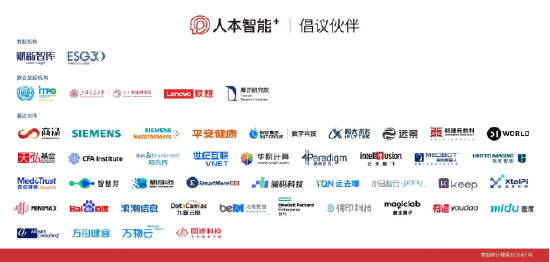
Group 1 - The "Human-Centric AI Development and Governance Initiative" has expanded its membership to include nearly 50 companies and institutions, focusing on key areas such as large models, embodied intelligence, computing infrastructure, smart elderly care, and AI healthcare [1][2] - The initiative was jointly launched by several organizations including Caixin Think Tank, ESG30 Youth Scholars Program, and Lenovo Group, aiming to integrate human-centric AI into corporate strategies and promote international cooperation [2][3] - New members added to the initiative include notable companies such as Baidu, MiniMax, Inspur Information, and Siemens (China), reflecting a growing interest in AI innovation and governance [1][3] Group 2 - The Chinese government has emphasized the continuous promotion of the "AI+" initiative, highlighting the transformative impact of AI on production and daily life [2] - Concerns regarding the risks and challenges posed by AI have led to increased societal anxiety, prompting the establishment of the "Human-Centric AI Initiative" to address these issues [2] - The initiative advocates for a collaborative innovation network and encourages technology companies to expand their reach, thereby enhancing China's global competitiveness in the digital economy [2]
联想等发起AI善治联合体 “人本智能倡议”,百度、MiniMax等加入
Xin Lang Ke Ji· 2025-07-02 12:17
Core Insights - The 2025 Global Digital Economy Conference opened in Beijing, featuring the expansion of the "Human-Centric AI Development and Governance Initiative," which now includes nearly 50 member organizations from various sectors of AI technology and applications [2] Group 1: Initiative and Membership - The "Human-Centric AI Initiative" was jointly launched by several organizations, including Caixin Think Tank and Lenovo Group, in November last year, focusing on technology research, application implementation, and ethical governance [2] - New members of the initiative include major tech companies such as Baidu, MiniMax, Inspur, and Siemens (China), covering key areas like large models, embodied intelligence, and AI healthcare [2] Group 2: AI Development Perspectives - Lenovo's Vice President emphasized the need for hybrid AI development to empower various industries and enhance global competitiveness in the digital economy [3] - The development of hybrid enterprise intelligence relies on upgrading intelligent computing infrastructure and fostering an open application ecosystem [4] Group 3: AI Applications and Innovations - Lenovo has launched personal and enterprise super intelligent agents, such as the Lenovo Tianxi personal super intelligent agent and the "Lenovo Enjoy" enterprise super intelligent agent, aimed at improving quality of life and productivity [4] - The company is also working on city-level super intelligent agents for smart governance in locations like Yichang and Wuyishan [4] Group 4: Standards and International Initiatives - Lenovo has contributed to the publication of the report "Human-Centric AI: Technology Development Perspectives in the Era of Human-Machine Symbiosis" and has participated in establishing international AI standards [5] - In the 2024/25 fiscal year, Lenovo signed three major international initiatives, including the EU's "AI Pact" and UNESCO's ethical AI statement [5]
“人本智能倡议”成员单位扩容 联想集团携手百度、MiniMax等共探AI善治新业态
Zhong Guo Jin Rong Xin Xi Wang· 2025-07-02 11:51
Core Viewpoint - The "Human-Centric AI Development and Governance Initiative" has expanded its membership, now including nearly 50 organizations, aiming to enhance the global competitiveness of China's digital economy through collaborative innovation in AI technology and applications [1][2]. Group 1: Initiative Overview - The initiative was launched in November last year by several organizations, including Caixin Think Tank and Tencent Research Institute, focusing on the entire chain from technology research and application to ethical governance [1]. - New members include major tech companies such as Baidu, Siemens (China), and NetEase Youdao, covering key areas like large models, embodied intelligence, and AI healthcare [1]. Group 2: AI Development and Governance - The relationship between AI development and governance is not one of opposition but rather a guiding framework to determine the appropriate applications of technology [2]. - The importance of international policy coordination and establishing logical norms to ensure AI serves humanity and enhances productivity is emphasized [2]. Group 3: Mixed AI Development - The development of mixed AI requires advancements in both hardware (e.g., AI PCs, AI smartphones) and software (e.g., AI Agent applications) [3]. - Focusing on the cultivation and application of super-intelligent agents is seen as a critical step in improving quality of life and productivity [3]. Group 4: Future Outlook - The growth of the "Human-Centric AI Initiative" is expected to shift AI governance from value principles to practical implementation, promoting proactive leadership and collaborative innovation [3].


联想集团第19份ESG报告出炉:人本智能理念首次系统展示
Feng Huang Wang· 2025-06-26 02:19
Core Insights - Lenovo Group released its 2024/25 fiscal year Environmental, Social, and Governance (ESG) report, marking its 19th annual ESG report and the first since introducing the "Human-Centric Intelligence" technology development concept [1][2] - The company achieved the highest MSCI ESG rating of AAA and received multiple accolades, including the EcoVadis Platinum Medal and CDP Climate Change A rating, while ranking 8th in Gartner's 2025 Global Supply Chain Top 25 [1] - Lenovo's supply chain management reported a 95% response rate from manufacturing suppliers to the CDP climate change survey, indicating strong engagement in environmental governance [1] Environmental Governance - Lenovo made progress in renewable energy usage and product energy efficiency, with its Tianjin Innovation Industry Park receiving "Ecological Carbon Neutral Factory" certification in December 2024 [1] - The company introduced the Lenovo Intelligent Sustainable Solutions Advisor (LISSA), utilizing generative AI technology for precise carbon emission calculations throughout the IT equipment lifecycle [1] Social Responsibility Practices - In 2024, Lenovo's global volunteer service month saw a 44% increase in beneficiaries compared to the previous year [2] - Collaborations with Tsinghua University and the Palace Museum focused on applying embodied intelligence in cultural heritage protection, while partnerships with charities developed AI avatar technology to assist individuals with severe disabilities [2] AI Governance - Lenovo implemented an AI policy in 2024, establishing a governance framework tailored to the company's characteristics [2] - The company signed international documents such as the EU Commission's "AI Pact" and Canada's voluntary guidelines for generative AI, and initiated the "Human-Centric Intelligence Development and Governance Initiative" with 31 responding organizations [2] Future Goals - 2025 marks the year for Lenovo to fully achieve its first-generation ESG goals, with the Chairman and CEO emphasizing the commitment to building a smarter and more sustainable future [2] - Lenovo's integration of ESG practices with AI technology reflects its participation and influence in global governance amid changing political and economic landscapes [2]
五四青年节专访丨北大深研院张浩然:让AI和机器人更懂人,做“人本智能”探索者
Zheng Quan Shi Bao· 2025-05-04 11:27
Core Viewpoint - The article emphasizes the importance of integrating "human-centered thinking" into the entire AI development process to address the disconnect between technological capabilities and human needs [2][3]. Group 1: Human-Centered AI Development - Current AI systems often focus excessively on technical parameters and efficiency, neglecting the real operational dynamics of human society, leading to a lack of user acceptance in practical applications [3]. - Zhang Haoran's research lab aims to create a "neural responsive city" framework that emphasizes the interaction between human spirituality, machine intelligence, and urban dynamics [3]. - The lab has developed a variable architecture and street system that allows for real-time adjustments to urban infrastructure based on the needs of robotic systems [4]. Group 2: Innovations in Smart Cities - The "Small World AI" system developed by Zhang's team analyzes human movement patterns using mobile data to create accurate simulations of real-world behaviors, enhancing urban sensing and digital twin technologies [4]. - An energy allocation network inspired by human circulatory systems has been created, achieving a 32% annual energy saving in specific office areas [4]. Group 3: Future of Robotics - The future of robotics is seen as requiring not only movement capabilities but also an understanding of human emotions and social cues, which is essential for establishing emotional connections [6]. - Zhang's team is focusing on enhancing robots' "interactive empathy" capabilities, particularly in retail and elder care, to better meet user needs [7]. - The transition from precision in mechanical performance to emotional interaction is viewed as a critical evolution in the robotics industry [7]. Group 4: Innovation Ecosystem in Shenzhen - Shenzhen is highlighted as a fertile ground for innovation, with over 74,000 companies in the robotics sector, leading the nation in enterprise growth [10]. - The region's complete industrial chain and active application scenarios facilitate rapid transformation from theoretical research to practical societal value [10]. - The collaboration between academic institutions and local government has accelerated the application of research projects, exemplified by a smart city system developed in just eight months [10]. Group 5: Youth and Innovation - Zhang views ongoing research and innovation as a modern expression of the May Fourth Movement's spirit, emphasizing the need for technology to enhance human values [11]. - The article advocates for a balance between technological advancement and the preservation of human dignity and freedom in the face of rapid technological change [11].

五四青年节专访丨北大深研院张浩然:让AI和机器人更懂人,做“人本智能”探索者
证券时报· 2025-05-04 11:20
Core Viewpoint - The article emphasizes the importance of integrating human-centric thinking into AI development to address the misalignment between technological capabilities and human needs, aiming to create intelligent systems that understand human emotions and respect social ethics [3][5]. Group 1: Human-Centric AI Development - Zhang Haoran leads the Smart City Laboratory at Peking University Shenzhen Graduate School, focusing on the "human-centric intelligence" approach, which aims to embed human thinking throughout the AI development process [4][5]. - The laboratory is developing a "Ling Shu City" framework, which emphasizes the interaction between human intelligence, machine intelligence, and urban dynamics, aiming to create a responsive urban system [5][7]. Group 2: Innovations in Urban Planning - The Smart City Laboratory has created adaptable architectural and street systems, such as a central square's glass facade that can transform into a robot charging matrix at night [7]. - The "Small World AI" system analyzes human movement patterns using sparse mobile data samples to simulate real-world human flow, providing a foundation for smart city applications [7]. Group 3: Energy Efficiency and Sustainability - The laboratory has developed an energy allocation network inspired by human circulatory systems, achieving a 32% annual energy saving in a specific office area through dynamic matching of heating, cooling, and photovoltaic systems [8]. Group 4: Future of Robotics - Zhang Haoran argues that future robots must not only be capable of movement but also understand human emotions, requiring collaboration between engineers and social scientists to enhance robots' empathetic interaction abilities [10][11]. - The industry is transitioning from a focus on mechanical performance to enhancing robots' emotional interaction capabilities, which will create new value dimensions in sectors like elderly care and education [10][11]. Group 5: Innovation Ecosystem in Shenzhen - Shenzhen's innovation ecosystem supports over 74,000 companies in the robotics sector, with a 39.64% year-on-year increase in new enterprises, facilitating rapid theoretical validation and social value transformation [14][15]. - The collaboration between Peking University Shenzhen Graduate School and local government has accelerated the application of research projects, exemplified by a smart city system developed in just eight months [15]. Group 6: Legacy of Innovation - Zhang Haoran views ongoing research and innovation as a way for contemporary youth to inherit the spirit of the May Fourth Movement, emphasizing the need to balance technological advancement with human values [16].