混合式人工智能

Search documents
联想营收高增,杨元庆承诺“保持双位数增长”
2 1 Shi Ji Jing Ji Bao Dao· 2026-02-14 03:16
Core Viewpoint - Lenovo has reported its best-ever performance amid rising storage prices, with AI revenue surpassing 30% for the first time, and CEO Yang Yuanqing has committed to sustainable double-digit growth [1] Financial Performance - For the third quarter of the fiscal year ending December 31, 2025, Lenovo achieved revenue of 157.5 billion yuan, a year-on-year increase of over 18%, exceeding market expectations [1] - Adjusted net profit grew by 36% year-on-year, with profit growth outpacing revenue growth [1] - The company anticipates that the global PC market may remain flat or slightly decline in terms of shipment volume, but revenue will continue to grow due to rising average prices [3] AI Revenue Growth - AI-related revenue increased by 72% year-on-year, accounting for 32% of total revenue, marking a significant shift in Lenovo's business model [1][2] - AI PC and AI server segments experienced high double-digit growth, while AI mobile and AI services saw triple-digit growth [2] Business Segments Performance - The Intelligent Devices Group (IDG) reported revenue exceeding 110 billion yuan, a 14.3% year-on-year increase [3] - The Infrastructure Solutions Group (ISG) revenue reached 36.7 billion yuan, a 31% year-on-year increase, marking a historical high [4] - The Solutions and Services Group (SSG) achieved double-digit growth for the 19th consecutive quarter [3] Supply Chain and Cost Management - Yang Yuanqing emphasized Lenovo's "scale advantage" and "diverse supply" capabilities, allowing the company to maintain stable supply and competitive costs despite rising component prices [4] - The company reported a 15% year-on-year increase in adjusted operating profit for the IDG segment, with PC shipments growing by 15% [4] Strategic Initiatives - Lenovo has initiated a strategic restructuring of the ISG, with a one-time restructuring cost of 285 million USD, focusing on AI-driven product development and sales capabilities [4][5] - The company aims to prepare for a shift in AI demand from training to inference, predicting that inference will account for 80% of future demand [5] Partnerships and Collaborations - Lenovo has strengthened partnerships with major chip manufacturers like NVIDIA, AMD, and Intel, with collaborative projects reaching multi-billion dollar scales [6] - The company has launched an AI cloud super factory plan in collaboration with NVIDIA, aiming to quadruple the scale of their partnership over the next few years [6] Internal AI Adoption - Lenovo is actively integrating AI into its internal processes, with plans to increase AI usage from 20% to 30-40% in various departments over the next year [6][7]

联想营收高增 杨元庆承诺“保持双位数增长”
2 1 Shi Ji Jing Ji Bao Dao· 2026-02-14 03:10
Core Viewpoint - Lenovo has reported its "historical best" performance despite rising storage prices, with AI revenue surpassing 30% for the first time, and CEO Yang Yuanqing has indicated a commitment to sustainable double-digit growth [2][6]. Financial Performance - For the third quarter of the fiscal year ending December 31, 2025, Lenovo achieved revenue of 157.5 billion yuan, a year-on-year increase of over 18%, exceeding market expectations [2]. - Adjusted net profit grew by 36%, with profit growth outpacing revenue growth [2]. AI Revenue Growth - AI-related revenue increased by 72% year-on-year, accounting for 32% of total revenue, marking a significant shift in Lenovo's business model [2][3]. - AI PC and AI server segments experienced high double-digit growth, while AI mobile and AI services saw triple-digit growth [3]. Supply Chain and Cost Management - Yang Yuanqing confirmed that Lenovo was not adversely affected by the shortage and price increases of memory supplies, maintaining higher profitability and faster growth than the market [2][5]. - The company anticipates that the global PC market may remain flat or slightly decline in terms of shipment volume, but revenue will continue to grow due to rising average prices [5]. Strategic Initiatives - Lenovo's mixed AI strategy has led to double-digit growth across all three major business groups: IDG (Intelligent Devices Group), ISG (Infrastructure Solutions Group), and SSG (Solutions and Services Group) [4]. - The ISG segment underwent a strategic restructuring, with a focus on AI-driven solutions, and is expected to achieve profitability soon [7]. Partnerships and Collaborations - Lenovo's collaboration with NVIDIA has quadrupled in scale over the past three to four years, with future goals to achieve similar growth [8][9]. - Partnerships with AMD and Intel focus on specific AI applications, contributing to significant business volumes [9]. AI Market Perspective - Yang Yuanqing addressed concerns about an AI investment bubble, asserting that while some areas may be overheated, AI as a whole represents an unstoppable trend [9][10].

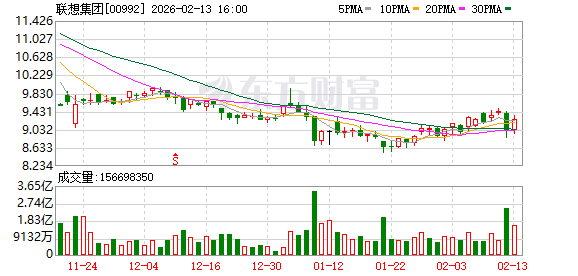
存储价格翻番、CPU跟涨,杨元庆:这时候拼供应、拼成本
Di Yi Cai Jing Zi Xun· 2026-02-12 11:45
Core Viewpoint - The industry is facing significant challenges due to rising component costs, particularly in storage and CPU prices, which are expected to increase by 40%-50% and potentially double in the upcoming quarter [1] Group 1: Financial Performance - Lenovo's revenue for Q3 of the fiscal year 2025/26 reached 157.5 billion RMB, representing a year-on-year growth of over 18% [2] - Adjusted net profit for the same period was 4.07 billion RMB, with a year-on-year increase of 36%, indicating that profit growth is outpacing revenue growth [2] - AI-related revenue surged by 72% year-on-year, accounting for 32% of total revenue, with AI PCs, smartphones, and servers all showing significant growth [2] Group 2: Business Segments - The IDG (Intelligent Devices Group) segment generated over 110 billion RMB in revenue, growing by more than 14% year-on-year, despite rising core component costs [2] - The ISG (Infrastructure Solutions Group) reported revenue of 36.7 billion RMB, a 31% increase year-on-year, with AI server business experiencing high double-digit growth [2][3] - Motorola's smartphone shipments increased by 9% year-on-year, contributing to the overall growth in the AI device activation rate [2] Group 3: Supply Chain and Inventory - The increase in component costs is expected to raise prices for PCs and smartphones by 15%-20%, potentially leading to flat or slightly declining shipment volumes this year [1] - Lenovo's inventory rose to 9.077 billion USD, up from 7.924 billion USD at the end of the previous fiscal year, attributed to business growth and longer delivery cycles for CSP orders [3] - The company maintains a diversified supply network, allowing for better negotiation power and resource allocation amidst supply chain challenges [5] Group 4: AI and Market Trends - AI is viewed as a critical growth driver, with the company emphasizing the importance of leveraging private data for enterprise and personal intelligence [6] - The ongoing demand for AI infrastructure and smart devices is expected to continue, driven by the irreversible trend towards AI integration in various sectors [6]
联想Q3营收再创新高:盈利增速达营收增速两倍,个人智能和企业智能双轮驱动
Xin Lang Cai Jing· 2026-02-12 07:33
Core Insights - Lenovo Group reported a record revenue of 157.5 billion RMB for Q3 of the fiscal year 2025/26, marking an 18% year-over-year increase, with adjusted net profit growing by 36% [8][9] - AI-related revenue surged by 72%, now accounting for 32% of total revenue, showcasing the effectiveness of Lenovo's hybrid AI strategy [3][10] Financial Performance - The company achieved a profit growth rate that is double the revenue growth rate, indicating a strong operational efficiency [8] - All business segments experienced double-digit growth, with the ISG infrastructure solutions group revenue reaching 36.7 billion RMB, up over 31% [9][10] Business Strategy - Lenovo's hybrid AI strategy focuses on both "personal intelligence" and "enterprise intelligence," driving growth through differentiated competitive advantages [4][11] - The launch of Lenovo Qira marks a significant step in creating a unified AI terminal entry across platforms and devices, expected to be available in the next quarter [5][11] Market Position - The personal computer sales growth has outpaced the market for ten consecutive quarters, contributing to a historic high in market share for the fiscal year 2025 [9][10] - The SSG solutions and services group achieved an 18% year-over-year revenue increase, with an operating profit margin of 22.5%, supporting overall profitability [10]
联想Q3营收再创新高:盈利增速达营收增速两倍,个人智能和企业智能双轮驱动
IPO早知道· 2026-02-12 05:24
Core Viewpoint - Lenovo Group reported a record revenue of 157.5 billion RMB for Q3 of the fiscal year 2025/26, marking an 18% year-on-year increase, with adjusted net profit growing by 36%, reflecting a high-quality and sustainable growth model [2][3] Financial Performance - The company achieved a record revenue of 157.5 billion RMB, with a profit growth rate double that of revenue growth [2] - Adjusted net profit increased by 36% year-on-year, indicating strong financial health [2] - All business groups within the company experienced double-digit revenue growth, with personal computer sales growth outpacing the market for ten consecutive quarters [3] AI Revenue Growth - AI-related revenue surged by 72% year-on-year, now accounting for 32% of total revenue [3][4] - The growth in AI revenue was driven by significant increases in AI computers, AI smartphones, AI infrastructure, and AI services, showcasing the advantages of Lenovo's hybrid AI strategy [3] Business Strategy - Lenovo's hybrid AI strategy focuses on both "personal intelligence" and "enterprise intelligence" [4] - The company launched Lenovo Qira, a key step in creating a unified AI terminal entry across platforms and devices [4] - Lenovo's enterprise AI initiatives include the release of the Lenovo xIQ technology platform and collaboration with NVIDIA on AI cloud super factory plans [4] Market Position - Lenovo's infrastructure solutions group achieved revenue of 36.7 billion RMB, a year-on-year increase of over 31%, nearing profitability [3] - The solutions and services group reported an 18% year-on-year revenue growth, with an operating profit margin of 22.5%, supporting overall profitability [3]
联想集团Q3营收1575亿元再创新高 利润增速领跑营收增速两倍
Ge Long Hui· 2026-02-12 04:25
Core Insights - Lenovo Group reported record revenue of 157.5 billion RMB for Q3 of FY 2025/26, marking an over 18% year-on-year growth, with adjusted net profit increasing by 36% [1] - The company demonstrated resilience in a challenging market, maintaining a balance between growth, cost, and efficiency, which reflects its core competitiveness [1] - AI-related revenue surged by 72%, now accounting for 32% of total revenue, showcasing the advantages of Lenovo's hybrid AI strategy [2] Financial Performance - Revenue reached 157.5 billion RMB, a historical high, with a profit growth rate double that of revenue growth [1] - Adjusted net profit increased by 36% year-on-year, indicating strong financial health [1] - All business groups achieved double-digit revenue growth, with personal computer sales outpacing the market for ten consecutive quarters [1] Business Segments - Infrastructure Solutions Group (ISG) revenue reached 36.7 billion RMB, growing over 31% year-on-year, nearing profitability [1] - Solutions and Services Group (SSG) revenue grew by 18%, achieving double-digit growth for the nineteenth consecutive quarter, with operating profit margin rising to 22.5% [1] - AI-related segments, including AI computers, smartphones, infrastructure, and services, experienced high double-digit to triple-digit growth [2] Strategic Outlook - Lenovo aims to advance its hybrid AI strategy, leveraging both "personal intelligence" and "enterprise intelligence" to capture growth opportunities presented by AI [2] - The company emphasizes resilience and execution to sustain revenue growth and enhance profitability [2]
“中国人经济”专题策划 发展“中国人经济”:以“中国+N”重塑中国全球经济竞争力
2 1 Shi Ji Jing Ji Bao Dao· 2026-02-10 23:09
Core Viewpoint - The concept of "Chinese People Economy" is gaining attention as a strategic focus, emphasizing the importance of Gross National Income (GNI) over Gross Domestic Product (GDP) in the context of China's modernization goals for 2035 [1][2] Group 1: Economic Growth and Development - China's economy has demonstrated remarkable high-quality growth, maintaining an average growth rate of 5.4% during the "14th Five-Year Plan" period, with the total economic output surpassing 140 trillion yuan [1] - The "15th Five-Year Plan" aims to ensure an average annual growth rate of over 4.17% while fully tapping into economic potential [1] Group 2: Strategic Importance of "Chinese People Economy" - The "Chinese People Economy" encourages enterprises to leverage domestic innovation and manufacturing capabilities to expand globally, enhancing control over global resources and markets [2][3] - This approach creates a virtuous cycle where the development of the "Chinese People Economy" can feed back into the domestic economy, promoting mutual growth [2] Group 3: Characteristics of Global Competitiveness - To foster the "Chinese People Economy," it is essential to cultivate globally competitive Chinese enterprises that possess resource allocation, technological innovation, and brand influence capabilities [3] - Companies should retain core capabilities in China, leveraging its unmatched industrial advantages and comprehensive supply chain systems [3][4] Group 4: Lenovo's Globalization Practices - Lenovo's journey exemplifies the integration of "Chinese Economy" and "Chinese People Economy," having grown into a global technology giant with over 500 billion yuan in annual revenue and operations in 180 markets [6][7] - Lenovo maintains approximately 80% of its manufacturing, 70% of its R&D personnel, and 60% of its workforce in China, emphasizing the importance of China as a base for global operations [7] Group 5: Future Strategies for "Chinese People Economy" - Lenovo plans to enhance its "China + N" strategy, optimizing supply chain layouts and supporting small and medium-sized enterprises in their global expansion [9] - The company aims to expand into emerging markets, particularly in the "Global South," with significant investments in regions like the Middle East [10] - Innovation, particularly in artificial intelligence, is identified as a core driver for the "Chinese People Economy," with Lenovo committed to making AI accessible globally [11]
中国企业创新实力闪耀美国消费电子展
Ren Min Wang· 2026-01-10 06:56
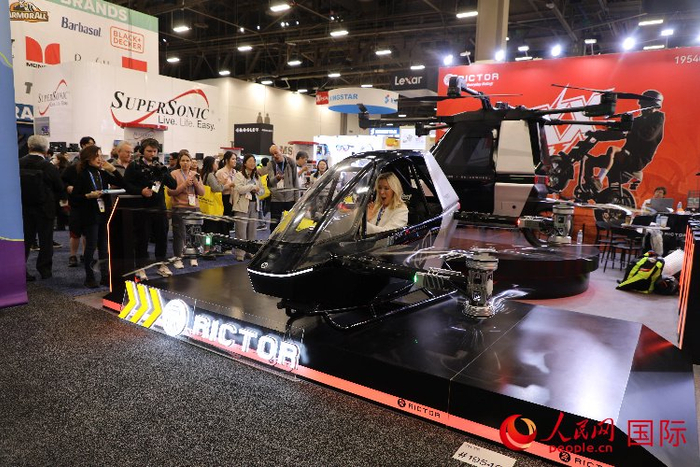
Group 1: Event Overview - The 2026 Consumer Electronics Show (CES) took place in Las Vegas from January 6 to January 9, attracting over 4,100 exhibitors showcasing innovations in artificial intelligence, digital health, mobility, and robotics [1] - Over 1,000 Chinese companies participated, highlighting their strong innovation capabilities and industrial upgrade momentum [2][4] Group 2: Company Highlights - Leading Chinese companies such as Lenovo, TCL, Hisense, Geely, and BOE showcased their latest products and technologies, receiving significant attention [2] - Hisense's Vice President emphasized the company's transition from "Made in China" to "Created in China," showcasing their global presence with 30 R&D centers and 37 industrial parks [5] - TCL occupied the largest booth at CES, focusing on technological innovations across various products, indicating a shift from low-cost branding to capturing the mid-to-high-end global market [6] Group 3: Innovation and Technology - Lenovo held a technology innovation conference at CES, presenting a series of products centered around mixed artificial intelligence, demonstrating clear innovation direction and successful product implementation [8] - The event showcased advancements in smart devices, including TCL's latest display technologies and Hisense's interactive robots, reflecting the growing capabilities of Chinese manufacturers in the global market [6][9]
联想+英伟达 干了件大事
2 1 Shi Ji Jing Ji Bao Dao· 2026-01-08 23:05
Core Insights - The dialogue at CES 2026 between Lenovo's CEO Yang Yuanqing and NVIDIA's CEO Jensen Huang marks a significant collaboration aimed at advancing AI technology and infrastructure [2][3][7]. Group 1: Collaboration and Innovation - Lenovo and NVIDIA announced the "Lenovo AI Cloud Super Factory," which aims to significantly reduce the "time to first token" for AI deployment and scale up to 100,000 GPUs to support trillion-parameter AI models [2][7]. - The collaboration leverages NVIDIA's latest Vera Rubin system, designed for advanced inference and AI agents, providing robust support for the initiative [2][8]. Group 2: AI Development and Strategy - Yang Yuanqing introduced the concept of "Hybrid AI," emphasizing the coexistence of personal, enterprise, and public intelligence to meet diverse needs [4][5]. - The focus on "human-centric intelligence" reflects a shift towards AI that serves individual and enterprise needs, moving beyond generic models [11][12]. Group 3: Infrastructure and Technology - The "AI Cloud Super Factory" aims to industrialize AI infrastructure, ensuring predictable performance and manageable operations, addressing the evolving demands of AI applications [8][9]. - Lenovo's liquid cooling technology will be integrated into the project, enhancing efficiency and safety in AI deployments [9]. Group 4: Market Position and Future Outlook - The partnership positions Lenovo as a leader in integrating design, manufacturing, and global deployment of AI infrastructure, while NVIDIA maintains its dominance in computational power [3][12]. - The dialogue suggests a pivotal moment in AI development, transitioning from algorithmic advancements to practical applications, with infrastructure builders like Lenovo and NVIDIA taking center stage [12].

联想、英伟达干了件大事
2 1 Shi Ji Jing Ji Bao Dao· 2026-01-07 02:56
Core Insights - The dialogue at CES 2026 between Lenovo's CEO Yang Yuanqing and NVIDIA's CEO Jensen Huang marks a significant collaboration aimed at advancing AI technology, specifically through the establishment of the "Lenovo AI Cloud Super Factory" [1][2][6] Group 1: Collaboration and Technology - Lenovo and NVIDIA's partnership is positioned as a transformative step in making AI more accessible and practical for users, with Lenovo being the "king of global computing devices" and NVIDIA the "king of global computing power" [2] - The "Lenovo AI Cloud Super Factory" aims to reduce the "time to first token" for AI deployment significantly, with the capacity to scale up to 100,000 GPUs to support trillion-parameter models [1][6][9] - NVIDIA's latest platform, including the Vera Rubin system, will provide essential support for this initiative, focusing on advanced reasoning and large-scale deployments [1][8][9] Group 2: AI Strategy and Vision - Yang Yuanqing introduced the concept of "Hybrid AI," emphasizing the need for AI to cater to individual, enterprise, and public intelligence, moving beyond generic models [6][11] - The strategy addresses the challenges of high inference costs and data privacy concerns, proposing a secure and efficient pathway for AI applications [6][11] - The collaboration aims to deliver AI infrastructure as a utility, akin to water and electricity, facilitating rapid adoption of AI technologies by businesses [11]