以台制华

Search documents
外交部、国台办回应东部战区军事演习
证券时报· 2025-12-29 09:36
Group 1 - The core viewpoint of the article emphasizes that the recent military exercises conducted by the Eastern Theater Command of the People's Liberation Army (PLA) are a necessary action to safeguard national sovereignty and territorial integrity against "Taiwan independence" forces and external interference [2][3][4] - The military exercises, named "Justice Mission-2025," involve multiple branches of the military, including the army, navy, air force, and rocket force, and serve as a stern warning to separatist activities and foreign meddling [3][4] - The article highlights the Chinese government's unwavering determination to defend its core interests regarding Taiwan, asserting that any provocative actions will be met with resolute countermeasures [2][3] Group 2 - The spokesperson from the State Council Taiwan Affairs Office stated that the military actions are aimed at curbing the collusion between "Taiwan independence" forces and external powers, which threaten peace and stability in the Taiwan Strait [3][4] - The article stresses that the military actions are not directed against the Taiwanese people but are intended to protect national interests and the well-being of Taiwan compatriots [4] - It calls for Taiwanese compatriots to recognize the dangers of the current administration's "Taiwan independence" stance and to unite against external interference [4]


国防部:民进党当局任由美方敲骨吸髓,把台湾吃干榨尽
Xin Lang Cai Jing· 2025-12-25 12:15
张晓刚说,"以台制华"注定失败,"以武谋独"自取灭亡。我们敦促美方充分认清台湾问题的高度敏感 性,切实恪守一个中国原则和中美三个联合公报,慎之又慎处理涉台问题,停止以任何方式武装台湾, 以实际行动维护两国两军关系大局。 另有记者问,据报道,赖清德接受媒体专访时称,要"以实力求和平",重申美台关系"坚若磐石",推动 400亿美元军购。台防务部门负责人亦称,美强调盟友分担防卫责任,台需继续推动"国防特别预算"以 展现"防卫决心"。请问发言人有何评论? 张晓刚表示,当前,民进党当局勾连外部势力进行谋"独"挑衅是台海局势紧张动荡的根源所在。赖清德 无原则跪美输诚,疯狂穷兵黩武,升高两岸对立对抗,是不折不扣的"和平破坏者""战争煽动者",现在 竟然厚颜无耻地谈"和平",狂妄自大地空谈"实力",完全是不自量力、自欺欺人。我们正告民进党当 局,祖国统一势不可挡,"棋子"难逃"弃子"宿命,背叛民族、分裂国家的人终将被钉上历史的耻辱柱。 (完) 中新社北京12月25日电 (记者 李纯 郭超凯)在25日的国防部例行记者会上,新闻发言人张晓刚指出,民 进党当局不管台湾老百姓死活,任由美方敲骨吸髓,把台湾吃干榨尽。 有记者问,美国总 ...
国防部:坚决粉碎“台独”分裂和外来干涉图谋
Xin Hua She· 2025-12-25 09:40
张晓刚说,美方涉台消极法案粗暴干涉中国内政,向"台独"分裂势力发出严重错误信号,严重破坏 台海和平稳定。美方背弃自身承诺,变本加厉对台售武,助长"台独"嚣张气焰,加速将台海推向兵凶战 危险境。民进党当局不管台湾老百姓死活,任由美方敲骨吸髓,把台湾吃干榨尽。 张晓刚表示,"以台制华"注定失败,"以武谋独"自取灭亡。我们敦促美方充分认清台湾问题的高度 敏感性,切实恪守一个中国原则和中美三个联合公报,慎之又慎处理涉台问题,停止以任何方式武装台 湾,以实际行动维护两国两军关系大局。 有记者问,据美媒报道,解放军会通过三个步骤"攻台",并列出所谓"最佳攻台时间"和"最佳登陆 地点";近日曝光的美国防部机密报告部分细节显示,大陆能在美军先进武器抵台前予以摧毁,意味着 美国已无力"保台"。请问发言人有何评论? 新华社北京12月25日电(记者王春涛)国防部新闻发言人张晓刚25日在国防部例行记者会上表示, 解放军全时待战、随时能战、战之必胜,坚决粉碎"台独"分裂和外来干涉图谋。 有记者问,据报道,赖清德接受媒体专访时称,要"以实力求和平",重申美台关系"坚若磐石",推 动400亿美元军购。台防务部门负责人亦称,美强调盟友分担防 ...
回应解放军“攻台三个步骤”!国防部:解放军全时待战 随时能战 战之必胜
证券时报· 2025-12-25 09:28
12月25日下午,国防部举行例行记者会,国防部新闻发言人张晓刚大校答记者问。 记者: 据报道,赖清德接受媒体专访时称,要"以实力求和平",重申美台关系"坚若磐石", 推动400亿美元军购。台防务部门负责人亦称,美强调盟友分担防卫责任,台需继续推动"国 防特别预算"以展现"防卫决心"。请问发言人有何评论? 国防部:解放军全时待战 随时能战 战之必胜 记者: 据美媒报道,解放军会通过三个步骤"攻台",并列出所谓"最佳攻台时间"和"最佳登陆 地点";近日曝光的美国防部机密报告部分细节显示,大陆能在美军先进武器抵台前予以摧 毁,意味着美国已无力"保台"。请问发言人有何评论? 张晓刚: 个别媒体枉费心机地臆测解放军行动,居心叵测贩卖"战争焦虑",只会破坏台海和 平稳定。台湾问题纯属中国内政,不容任何外来干涉。 我们愿以最大诚意、尽最大努力争取 和平统一的前景,但决不承诺放弃使用武力,保留采取一切必要措施的选项。 如果"台独"分 裂势力挑衅逼迫,甚至突破红线,我们将不得不采取断然措施。 解放军全时待战、随时能 战、战之必胜,坚决粉碎"台独"分裂和外来干涉图谋。 国防部:解放军打"独"促统不停歇 记者: 据报道,台"国安局 ...
美售台百亿军备后,中方反将两军,美股或地震,特朗普宣布换人
Sou Hu Cai Jing· 2025-12-21 02:28
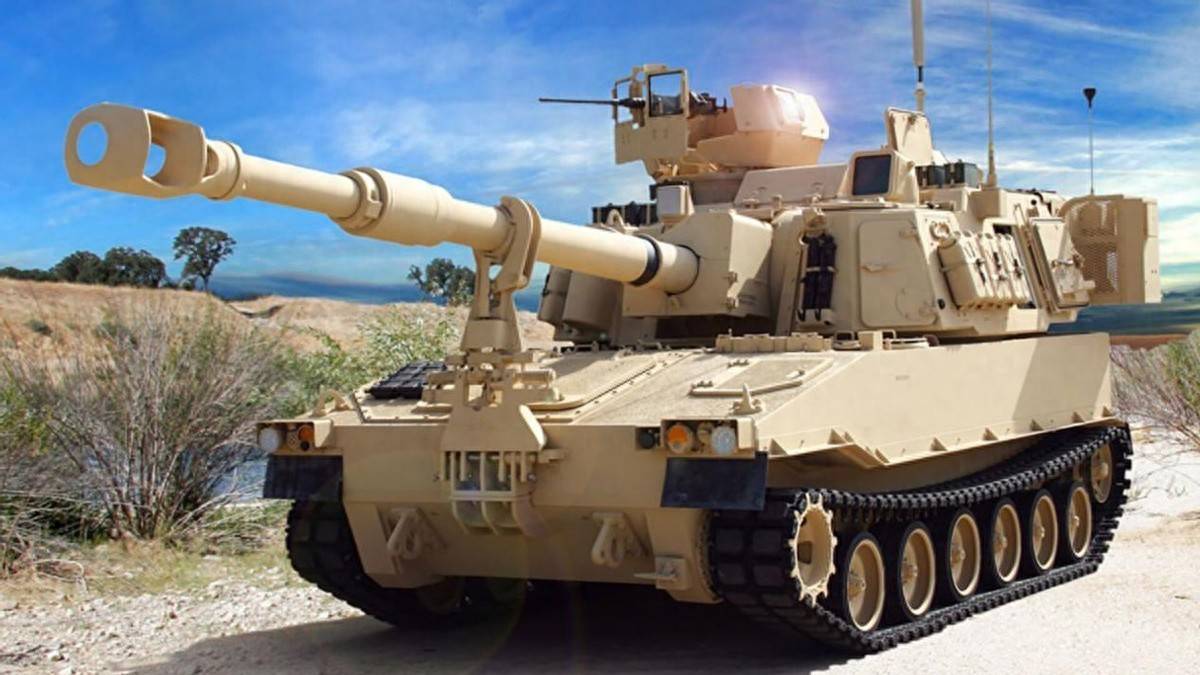
这是特朗普重返白宫后,美方第二次宣布对台军售。这次军售金额超过了拜登政府期间美方8次对台军售总和。特朗普对台军售的规模越来越大,这背后隐 藏着美国企图以台制华的恶意。最近泄露的美国机密报告显示,虽然美方已承认无法保证保台,但特朗普加速向台湾提供军事支持,旨在避免与中国发生直 接的军事冲突,并同时增加中国推进两岸统一的成本。美方的意图显而易见,国台办也警告称,若台独势力敢于突破红线,中方必将采取果断反击。同时, 中方也对美国展开了一系列反制措施。就在美方宣布军售后,中方立刻取消了13万吨美小麦的采购订单。接着,美国财政部的报告显示,中国抛售了118亿 美元的美国国债,目前中国持有的美债总额首次跌破7000亿美元,降至6887亿美元,创下新低。 美国战争部证实,特朗普政府已经批准了第二批对台湾的军事援助。此时,美方在敏感时刻又向火上浇油,中方毫不犹豫地做出了强烈反应。近日,特朗普 政府宣布了总额达到111亿美元的对台军售,创下了历史新高。这次军售涉及八项重要军事装备,重点放在弹药、补给和战术信息链等作战体系的建设上。 近年来,台湾陆军在强化机动性和生存能力方面取得了显著进展,美国提供的这些军备正好符合台当局的需求 ...
美方“以武助独”只会引火烧身,“以台制华”绝对不会得逞
Ren Min Ri Bao· 2025-12-18 22:17
Core Viewpoint - The article discusses China's strong opposition to the U.S. decision to sell approximately $11 billion worth of advanced weapons to Taiwan, emphasizing that such actions will not succeed in supporting Taiwan independence and will provoke serious consequences for U.S.-China relations [1]. Group 1: U.S. Arms Sales to Taiwan - The U.S. has announced a significant arms sale to Taiwan, valued at around $11 billion, which China views as a violation of the One China principle and detrimental to China's sovereignty and territorial integrity [1]. - This arms sale is perceived as a direct threat to peace and stability in the Taiwan Strait, sending a dangerous signal to pro-independence forces in Taiwan [1]. Group 2: China's Response - China firmly opposes and condemns the U.S. arms sales, stating that it will take resolute measures to safeguard national sovereignty, security, and territorial integrity [1]. - The Chinese government emphasizes that the Taiwan issue is a core interest and a red line in U.S.-China relations, warning that any underestimation of China's resolve and capability to defend its sovereignty is misguided [1]. Group 3: Taiwan's Internal Dynamics - The article highlights that pro-independence forces in Taiwan are misusing public funds to purchase weapons, which could turn Taiwan into a "powder keg" and accelerate the risk of conflict in the region [1]. - The Chinese spokesperson asserts that the actions of these forces will not change the inevitable outcome of Taiwan independence, which is destined to fail [1].
美国批准110亿美元对台军售,为历史上金额最高,外交部:美方以武助“独”只会引火烧身,以台制华绝对不会得逞
Zhong Guo Ji Jin Bao· 2025-12-18 10:23
Core Viewpoint - The U.S. has approved a historic $11 billion arms sale to Taiwan, which China strongly opposes, viewing it as a violation of its sovereignty and a threat to regional stability [1] Group 1: U.S. Arms Sale to Taiwan - The arms sale is valued at $11 billion, marking the highest amount in history for such transactions [1] - The sale is seen as a significant violation of the One China principle and the three joint communiqués between China and the U.S. [1] - China condemns the sale as a dangerous act that sends a wrong signal to pro-independence forces in Taiwan [1] Group 2: China's Response - China asserts that the arms sale will not save Taiwan's pro-independence movement, which is destined to fail [1] - The Chinese government emphasizes that Taiwan is a core interest and a red line in U.S.-China relations [1] - China warns that it will take strong measures to defend its sovereignty and territorial integrity in response to the U.S. actions [1]
外交部回应美110亿对台军售:以台制华绝对不会得逞
Ren Min Ri Bao· 2025-12-18 07:45
今天,外交部发言人郭嘉昆主持例行记者会。有记者问,美方宣布对台出售价值约110亿美元的军品, 请问发言人有何回应? (文章来源:人民日报) 郭嘉昆表示,美方公然宣布巨额售台先进武器计划,严重违反一个中国原则和中美三个联合公报,严重 损害中国主权安全和领土完整,严重破坏台海和平稳定,向"台独"分裂势力发出严重错误信号。中方对 此坚决反对强烈谴责。 岛内"台独"分裂势力以武谋"独",以武拒统,大肆挥霍老百姓血汗钱购买武器,不惜把台湾变成火药 桶,挽救不了"台独"必然灭亡的命运,只会加速把台海推向兵凶战危的境地。美方以武助"独",只会引 火烧身,以台制华绝对不会得逞。台湾问题是中国核心利益中的核心,是中美关系第一条不可逾越的红 线。 ...

日月谭天丨妄图为日本军国主义招魂,高市早苗必遭清算痛击!
Yang Shi Xin Wen· 2025-11-27 07:59
Core Viewpoint - Japanese Prime Minister Sanae Takaichi's provocative remarks regarding Taiwan have drawn significant criticism from various sectors, highlighting the potential dangers of Japan's right-wing movements and their implications for regional stability [1][2][3]. Group 1: Political Context - Takaichi's comments in the Diet signal a dangerous shift in Japan's political stance, suggesting a willingness to intervene militarily in Taiwan issues, which China has condemned as crossing a red line [1]. - The remarks are seen as part of a broader trend among Japanese right-wing factions aiming to break free from Japan's pacifist constitution and revive militaristic sentiments [1][3]. Group 2: Historical Background - Takaichi has a history of extreme right-wing actions, including questioning Japan's acknowledgment of its wartime actions and advocating for a revisionist narrative regarding Japan's colonial past [2]. - Her political career is marked by controversial actions, such as visiting the Yasukuni Shrine and denying historical atrocities like the Nanjing Massacre [2][3]. Group 3: Military Developments - Japan's Defense Minister recently announced plans to deploy medium-range air defense missiles in the Ryukyu Islands, which are strategically close to Taiwan, indicating a military buildup in the region [4]. - The Japanese Self-Defense Forces have developed operational plans for potential conflicts in the Taiwan Strait, revealing a clear military strategy that aligns with Takaichi's rhetoric [4][5]. Group 4: Regional Implications - The rhetoric surrounding "Taiwan's situation" is viewed as a pretext for Japan's right-wing factions to expand military capabilities and move away from post-war defense principles [5]. - Japan's increasing military budget and discussions around revising its nuclear policies have raised alarms both domestically and internationally, suggesting a shift towards more aggressive military posturing [5].
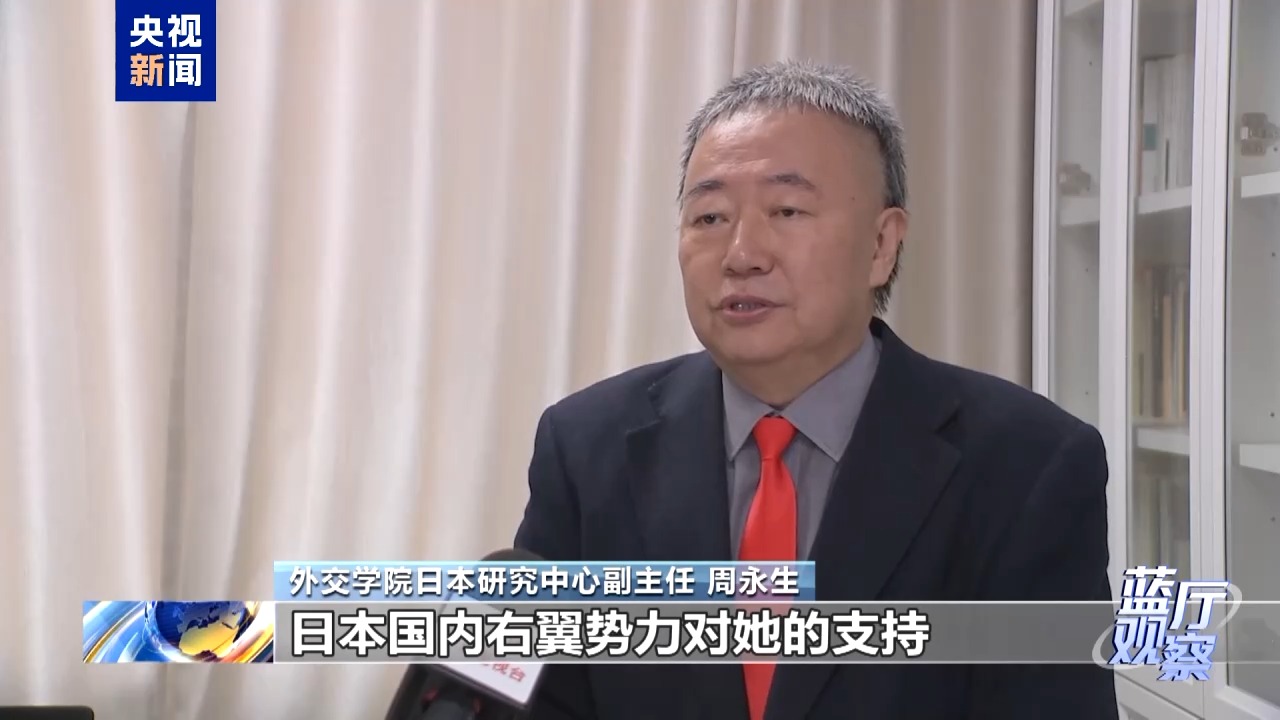
蓝厅观察丨高市早苗妄图“以台制华”不会得逞
Yang Shi Xin Wen Ke Hu Duan· 2025-11-19 05:54
Core Viewpoint - The recent provocative remarks by Japanese Prime Minister Sanae Takaichi regarding Taiwan have elicited strong responses from Chinese diplomatic and defense authorities, highlighting the tensions in cross-strait relations and Japan's historical insensitivity [1][10]. Group 1: Strategic Intentions Behind Takaichi's Remarks - Japanese right-wing politicians, in collaboration with "Taiwan independence" forces, have been promoting the narrative that "Taiwan's issues are Japan's issues," which reflects a broader strategy to use Taiwan as a geopolitical leverage point [2]. - Takaichi's statements are aimed at deterring China and asserting Japan's influence in East Asia, while also catering to domestic right-wing factions that support her [4]. - The Japanese government's military enhancements since 2022, focusing on offensive capabilities and sustained high-intensity operations, indicate an intention to interfere in China's internal affairs [6]. Group 2: Challenges to Sino-Japanese Relations - Takaichi's remarks pose a serious challenge to the political foundation of Sino-Japanese relations, which are governed by four key political documents that affirm Japan's commitments regarding Taiwan [7]. - Experts emphasize that Japan must adhere to its political commitments and international legal obligations concerning Taiwan to promote regional peace, as Takaichi's comments undermine the "One China" principle and the political basis of Sino-Japanese relations [9]. Group 3: Reactions from Taiwan - Takaichi's comments have been met with widespread condemnation from various sectors in Taiwan, with over 30 organizations publicly protesting against her statements, asserting that Taiwan will not be a victim of Japanese militarism [10]. - Taiwanese commentators argue that Takaichi's remarks reflect a persistent desire among Japanese right-wing factions to revive militarism, and they warn against any attempts to drag Taiwan into conflicts [12].