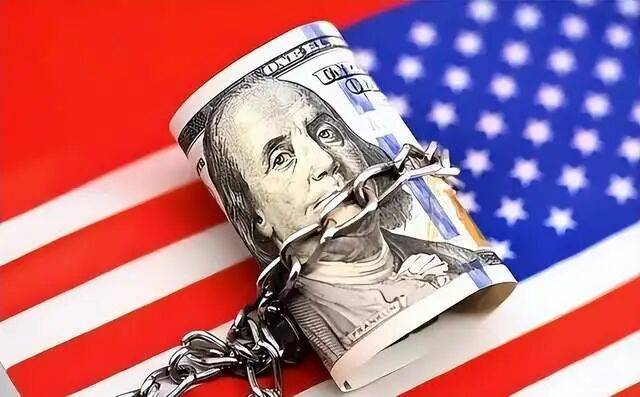
减持美债

Search documents
真要清空?中国再抛61亿美债,川普罕见沉默,美方:访华行程不变
Sou Hu Cai Jing· 2026-01-20 03:43
Group 1 - The core issue is the growing tension between the U.S. and China, highlighted by China's significant reduction of U.S. Treasury holdings, which has dropped to $682.6 billion, the lowest since September 2008, while foreign investors overall increased their holdings by $112.8 billion [3][5] - China's decision to sell off U.S. debt is seen as a strategy to mitigate risks associated with the instability of the U.S. economy, influenced by internal turmoil and external pressures [5][7] - The U.S. is concerned about maintaining alliances with traditional partners like Europe, Japan, and South Korea, as these relationships are crucial for countering China's influence [9][11] Group 2 - The U.S. administration, particularly under Trump, is attempting to leverage higher returns on U.S. debt to attract foreign investment, while simultaneously facing a deteriorating debt and fiscal crisis [7] - Despite ongoing tensions, the U.S. still relies on China for critical resources, indicating a complex interdependence between the two nations [11] - The upcoming visit of Trump to China is seen as a pivotal moment that could either ease tensions or complicate negotiations further, depending on the outcomes of discussions [11]

中国再抛61亿美债,特朗普破防,美媒:想赢中国只有一条路可选
Sou Hu Cai Jing· 2026-01-20 02:51
Group 1 - The core viewpoint of the article highlights the underlying crisis in the U.S. despite its seemingly strong position, particularly in light of China's recent sale of $6.1 billion in U.S. Treasury bonds and the uncertainty surrounding the Federal Reserve [1][3] - China's reduction of U.S. Treasury holdings is seen as a counter-trend action, diverging from the global trend where countries like Norway, Canada, and Saudi Arabia are increasing their U.S. bond purchases [3] - The article suggests that China's decision to reduce its U.S. bond holdings is a strategic move to mitigate risks associated with the unpredictable policies of the Trump administration, which have created instability in the U.S. economy [3][5] Group 2 - China is increasingly diversifying its reserves away from U.S. Treasury bonds, opting for alternatives such as gold, non-dollar currencies, and overseas equity investments, indicating a strategic shift [5] - Despite China's reduction in U.S. bond holdings, other countries have quickly filled the gap, and the total amount of foreign-held U.S. bonds continues to rise, suggesting that the impact of China's actions is more than just an economic transaction [6] - The article emphasizes that the geopolitical implications of China's bond reduction extend beyond economics, as it poses challenges for Trump's administration in stabilizing the domestic economy amidst potential legal and political turmoil [6][10] Group 3 - The article discusses the necessity for Trump to rely on allies like Europe, Japan, and South Korea to effectively confront China, but highlights the fragility of these alliances due to underlying tensions and differing interests [8][10] - It notes that European nations are increasingly seeking cooperation with China, indicating a shift in their foreign policy that may undermine U.S. efforts to isolate China [8][10] - South Korea's recent diplomatic overtures towards China further illustrate the challenges facing U.S. foreign policy in the region, as it signals a move away from strict dependence on the U.S. [10]
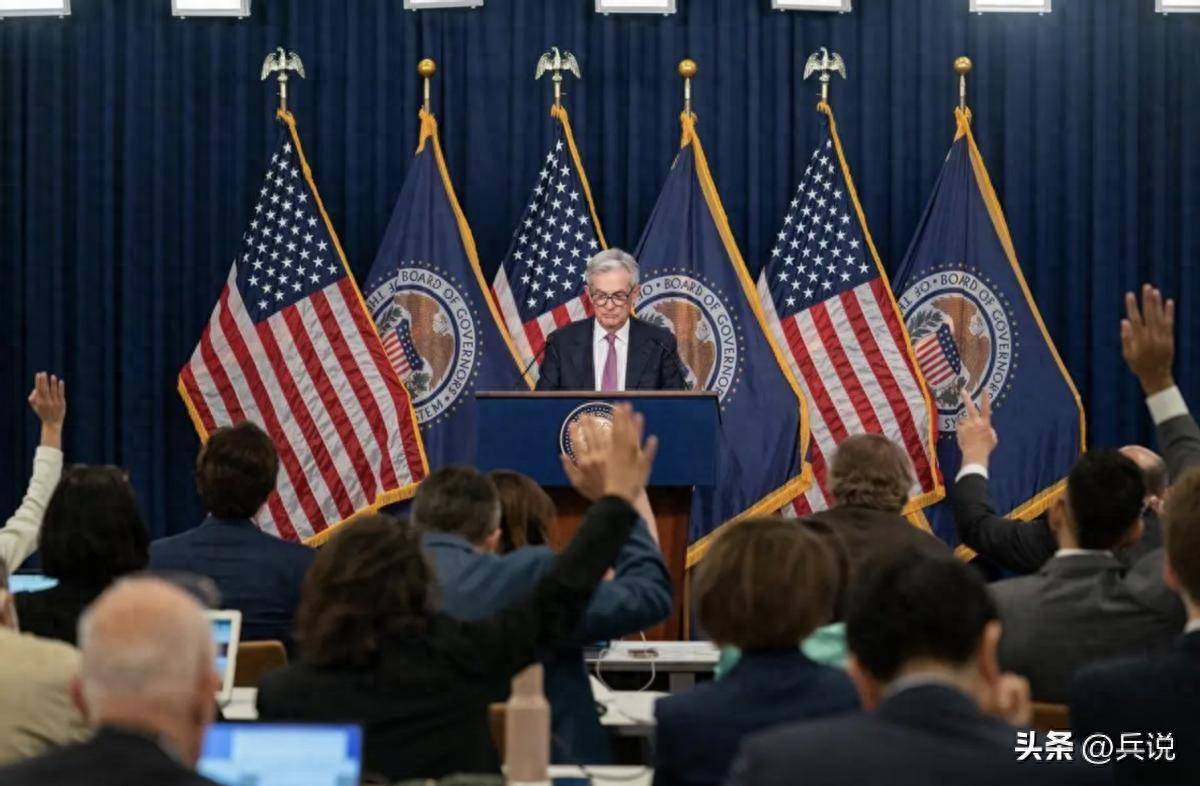
全球央行力挺鲍威尔,中方狂抛美债避险,特朗普的态度终于变了
Sou Hu Cai Jing· 2026-01-18 10:55
Group 1 - The core conflict between President Trump and Federal Reserve Chairman Powell revolves around Trump's pressure for aggressive interest rate cuts to boost the economy ahead of midterm elections, which Powell has resisted due to inflation concerns and long-term economic stability [3][5] - Trump has employed various tactics to undermine Powell, including public humiliation, appointing allies to the Federal Reserve Board, and attempting to dismiss Powell, but has faced legal limitations in these efforts [5][9] - Powell's strong stance against Trump's pressure is supported by a broad consensus among global central banks, which have issued statements defending the independence of the Federal Reserve and criticizing Trump's interference [7][9] Group 2 - China's recent actions include significantly reducing its holdings of U.S. Treasury bonds, which have fallen to $688.7 billion, the lowest level in 17 years, reflecting concerns over foreign reserve security and strategic autonomy [7][9] - The reduction in U.S. debt holdings by China aligns with Powell's emphasis on central bank independence, creating an indirect resonance between the two parties against Trump's political interference [9] - Following the ongoing conflict, Trump has softened his stance towards Powell, acknowledging that he currently has no plans to remove him, indicating a recognition of the challenges in exerting control over the Federal Reserve [10]
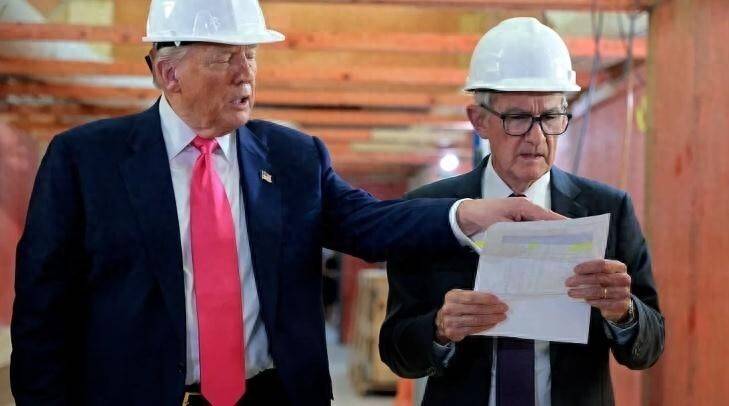
中方逆向而行,抛售61亿美债,特朗普改变主意,暂不解雇鲍威尔
Sou Hu Cai Jing· 2026-01-18 03:19
Core Insights - China has reduced its holdings of US Treasury bonds by $6.1 billion, bringing its total to $682.6 billion, the lowest level since 2008, indicating a fundamental shift in its strategy towards US debt [1][3][5] - The overall foreign holdings of US Treasury bonds reached a record high of $9.36 trillion, with countries like Norway, Canada, and Saudi Arabia increasing their investments, contrasting China's reduction [1][3] - Since April 2022, China's US Treasury holdings have consistently remained below $1 trillion, while its gold reserves have been steadily increasing for 14 consecutive months, reflecting a strategy of diversifying assets and reducing reliance on US debt [3][5] Market Dynamics - Trump's decision to not dismiss Federal Reserve Chairman Powell amidst ongoing investigations suggests a recognition of the potential market instability that could arise from undermining the Fed's independence, especially with China's ongoing reduction of US debt holdings [5][7] - The reduction in China's US Treasury holdings, although not massive in dollar terms, has a "magnifying effect" that signals a rapid decrease in its structural dependence on dollar assets, potentially prompting other countries to reassess their positions [5][7] - The ongoing trade and financial pressures from Trump could further complicate the stability of the US Treasury market and the dollar's status as the primary global currency, highlighting the intricate relationship between international trade, finance, and political strategies [5][7] Long-term Outlook - Despite current challenges, there will still be demand for US Treasury bonds, and the dollar's position in the international financial system is unlikely to collapse overnight; however, aggressive policies towards the Fed could weaken its status as a safe haven [7] - China's strategy of reducing US debt holdings is part of a broader adjustment in its foreign exchange reserves, indicating a search for a new position within the global financial order [7] - The evolving international landscape will likely lead to more complex financial interactions, with countries diversifying their views and strategies regarding the dollar and its assets, impacting global financial stability [7]

都被骗了?特朗普演讲1小时,邀中方赴美投钱,中国大幅清理美债
Sou Hu Cai Jing· 2026-01-17 03:04
Group 1 - The core issue in US-China relations is the inconsistency of Trump's policies, which creates uncertainty and potential long-term harm to both countries [1] - Trump's recent public statement welcoming Chinese companies to invest in the US appears to be a superficial gesture, raising questions about its sincerity and true intent [3][5] - Despite Trump's rhetoric promoting cooperation, the US has not lifted high tariffs on imported cars and parts, which remain significant barriers for Chinese companies entering the US market [5][6] Group 2 - The automotive industry in the US is facing challenges not due to a lack of funding, but rather due to unclear strategic direction and frequent policy changes [11] - The current business environment in the US is unfriendly for Chinese companies, with strict scrutiny and technological barriers in place [8][9] - China's strategic reduction of US Treasury holdings to the lowest level since 2008 reflects a systematic approach to risk management and a shift towards diversifying foreign reserves [13][15] Group 3 - The political dynamics in the US, including Trump's speeches aimed at appeasing voters in key states like Michigan, highlight the intersection of politics and economic policy [9][18] - The ongoing political turmoil within the US government, particularly regarding the Federal Reserve's independence, has implications for global financial stability [17][20] - China's financial decisions are driven by its own interests and the evolving global economic landscape, rather than reactive responses to US political rhetoric [18]
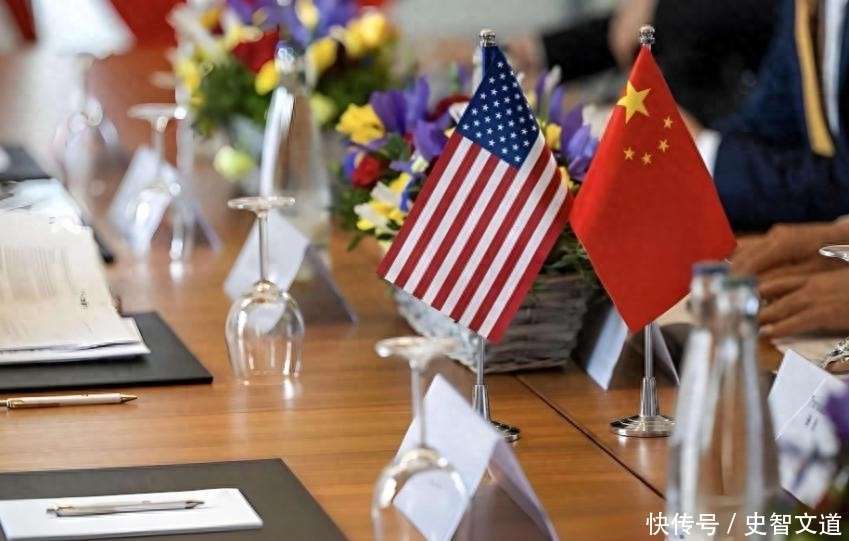
美售台百亿军备后,中方反将两军,美股或地震,特朗普宣布换人
Sou Hu Cai Jing· 2025-12-21 02:28
Group 1 - The U.S. Department of Defense confirmed that the Trump administration has approved a second batch of military aid to Taiwan, totaling $11.1 billion, marking a historical high for arms sales to Taiwan [1][3] - This arms sale includes eight significant military equipment items, focusing on ammunition, supplies, and tactical information systems, aligning with Taiwan's military needs for enhanced mobility and survivability [1][3] - The scale of military sales under Trump has surpassed the total of eight arms sales during the Biden administration, indicating a strategic intent to counter China [3] Group 2 - Following the announcement of arms sales, China reacted strongly by canceling a procurement order for 130,000 tons of U.S. wheat and selling $11.8 billion in U.S. Treasury bonds, bringing its total holdings below $700 billion for the first time [3][5] - China's ongoing reduction of U.S. Treasury holdings could lead to increased supply, raising long-term interest rates in the U.S. and exacerbating fiscal deficit pressures [5] - The potential for market volatility in U.S. stocks and bonds due to China's actions signals a clear message to the U.S. regarding the consequences of infringing on China's core interests [5][7] Group 3 - The pressure from China's bond sales has prompted Trump to consider replacing the Federal Reserve Chairman, emphasizing the need for lower interest rates to attract international capital [7][9] - Concerns over U.S. fiscal deficits and political uncertainty are driving the selling pressure on U.S. debt, indicating that merely raising interest rates may not address the underlying structural risks [7][9] - The independence of the Federal Reserve is crucial for its credibility, and any forced rate hikes under political pressure could undermine this independence [9]

继续减持美债,但若是清空,最后结果会怎么样?
Sou Hu Cai Jing· 2025-11-11 04:54
Core Viewpoint - China has been continuously reducing its holdings of U.S. Treasury bonds, with a reduction exceeding 100 billion since December 2022, leading to a total holding below 1 trillion dollars. There are predictions that China may completely divest from U.S. Treasuries [1]. Group 1: Reasons for Reducing Holdings - The ongoing interest rate hikes by the Federal Reserve have raised concerns about the potential negative impact on the U.S. economy, increasing debt repayment pressure and the risk of default [3]. - Reducing U.S. Treasury holdings has become a risk-averse strategy for China [4]. - Initially, China held a large amount of U.S. Treasuries due to trade surpluses and the need to utilize excess dollar reserves, as well as the attractiveness of U.S. Treasuries due to their safety, liquidity, and relatively higher yields [6]. Group 2: Implications of Complete Divestment - A concentrated sell-off of nearly 1 trillion dollars in U.S. Treasuries would create a temporary shock to the U.S. Treasury market, but it is expected that the Federal Reserve or U.S. financial institutions would be able to absorb these sales [6]. - The current U.S. national debt has reached an astonishing 30.3 trillion dollars, significantly exceeding its GDP, which raises concerns about potential default risks, prompting China to reduce its holdings preemptively [7].
美媒:一旦中国今天清空7307亿美元美债,明天,我们自己的出口企业,就将接不到一张新订单
Sou Hu Cai Jing· 2025-10-04 14:40
Core Viewpoint - The reduction of China's holdings in U.S. Treasury bonds from approximately $1.2 trillion in 2019 to $730.7 billion in 2023 reflects a strategic asset allocation adjustment rather than an immediate threat to the financial system or export enterprises [3][5][9]. Group 1: Reasons for Reducing U.S. Treasury Holdings - China's reduction in U.S. Treasury holdings is driven by concerns over the increasing U.S. debt and the declining purchasing power of the dollar, prompting a shift to safer investment options [5][9]. - The relationship between the reduction of U.S. Treasury bonds and the appreciation of the Renminbi is not straightforward; even if the Renminbi appreciates, it does not necessarily mean that all exports will be adversely affected [5][11]. Group 2: Impact on Export Enterprises - Chinese export enterprises are increasingly diversifying their markets beyond the U.S., focusing on regions like Southeast Asia, Africa, and Latin America, which mitigates the potential negative impact of a stronger Renminbi [5][11]. - The transformation of Chinese export enterprises from relying on low-cost labor to emphasizing technology and brand strength is crucial for long-term competitiveness in the global market [7][9]. Group 3: Strategic Intentions Behind the Reduction - The reduction in U.S. Treasury holdings is part of a broader strategy to enhance financial security and reduce dependence on the dollar, especially in light of recent global financial events that raised concerns about the safety of foreign reserves [7][9]. - China's push for cross-border payments in Renminbi and encouraging enterprises to settle trade in local currency is aimed at increasing financial autonomy and security [7][9]. Group 4: Future Outlook - The gradual and cautious approach to reducing U.S. Treasury holdings indicates that China's financial policies are well-considered, aiming for long-term stability rather than immediate drastic changes [9][12]. - The evolving global economic landscape presents new opportunities for Chinese enterprises, suggesting that concerns over reduced U.S. Treasury holdings may be overstated [11][12].
中国一次抛售257亿美债,关键时刻美国议员现身中国,想要稳定中美关系?
Sou Hu Cai Jing· 2025-09-22 10:20
Core Insights - The economic relationship between China and the U.S. is under renewed scrutiny, highlighted by China's recent sale of $25.7 billion in U.S. Treasury bonds, reducing its holdings to $730.7 billion, the lowest since 2009 [1][3] - This reduction in U.S. debt holdings is a strategic move by China, reflecting a shift towards diversifying its foreign exchange reserves and reducing reliance on the U.S. dollar [3][5] - The backdrop of this financial maneuvering includes rising tensions in U.S.-China relations, exacerbated by trade wars and political dynamics, particularly as the U.S. approaches an election year [3][8] Group 1 - China's U.S. Treasury holdings have decreased from $1.32 trillion in 2013 to $730.7 billion, indicating a nearly 50% reduction [3] - The U.S. economic challenges, including rising debt and inflation, are contributing to a decline in the attractiveness of U.S. bonds for China [1][5] - The recent visit of U.S. lawmakers to China is an attempt to stabilize relations and explore cooperation amid growing economic pressures [3][8] Group 2 - China's strategy of reducing U.S. debt holdings is part of a broader effort to establish a more diversified foreign exchange reserve strategy and enhance financial security [5][7] - The ongoing financial dynamics suggest a shift in global economic power, with China aiming to increase the internationalization of the renminbi and reduce dependence on the dollar [5][8] - The financial landscape is evolving into a complex battleground where capital flow, market confidence, and national strategies are critical for both nations [8]
减持美债,既是现实需要,也是战略选择
Sou Hu Cai Jing· 2025-09-21 09:51
Core Viewpoint - China has significantly reduced its holdings of U.S. Treasury bonds, reaching a record low since 2009, while Japan and the UK have increased their holdings, indicating a shift in global investment strategies towards U.S. debt [1][3]. Group 1: China's Reduction of U.S. Treasury Holdings - In July 2023, China reduced its U.S. Treasury holdings by $25.7 billion to $730.7 billion, marking the fourth reduction this year [1]. - China's current holdings represent a decrease of nearly $600 billion from a peak of $1.32 trillion in November 2013, approaching half of its highest level [3]. Group 2: Reasons for China's Reduction - The continuous rise in U.S. government debt, which has reached $37 trillion, has diminished the safety of U.S. Treasury bonds, making it necessary for China to reduce its holdings to enhance asset security [4]. - The depreciation of the U.S. dollar has reduced its value retention function, prompting China to decrease its exposure to U.S. debt to mitigate asset devaluation risks [6]. - The increasing aggressiveness of U.S. foreign policy and trade practices under the Trump administration has weakened the credibility of U.S. debt, leading China to consider reducing its holdings to avoid potential defaults [8][10]. Group 3: Strategic Implications for China - Continuous reduction of U.S. Treasury holdings is seen as both a practical necessity and a strategic choice for China, with a target to maintain holdings at a reasonable level, ideally below $300 billion [12]. - The expectation is that China will continue to reduce its U.S. Treasury holdings by more than half in the coming years, reflecting a long-term strategy to manage financial risks associated with U.S. debt [12].