保险诈骗

Search documents
警方提醒:车衣骗保,小心开车路上被“碰瓷”
Xin Hua She· 2025-12-18 01:20
Core Viewpoint - A series of insurance fraud cases involving deliberate traffic accidents has been uncovered by the police in Jinan, revealing sophisticated methods used to deceive insurance companies [1][2]. Group 1: Fraud Methods - The perpetrator, identified as Li, created a complete fraud process over five years, including purchasing high-value fake invoices and fabricating payment records to support false claims [1][2]. - Li specifically targeted vehicles changing lanes, intentionally causing accidents to create the illusion of being "not at fault" [2]. Group 2: Scale and Impact - The fraud operation spanned multiple provinces, including Shandong, Jiangsu, and others, resulting in 33 fabricated traffic accidents and involving 13 different insurance companies [2]. - The total amount defrauded from insurance companies reached 487,215 yuan [2]. Group 3: Legal Consequences - Li has been criminally detained for insurance fraud, highlighting the serious legal repercussions of such fraudulent activities [2]. - The police have issued warnings about the severe penalties associated with "picking up the insurance" scams, which can lead to charges of endangering public safety [2].
新业态保险风控漏洞 亟待填补
Jin Rong Shi Bao· 2025-12-10 02:12
Core Viewpoint - The case of insurance fraud involving a food delivery rider highlights the need for improved risk control measures in the insurance industry, emphasizing that insurance should serve as a safety net rather than a means for personal profit [1][3]. Group 1: Case Summary - The court sentenced Zhang, a food delivery rider, to three years in prison and a fine for committing insurance fraud, with accomplice Wang receiving a nine-month sentence [1]. - Over a period of nearly three years, Zhang filed over 20 insurance claims for traffic accidents, averaging one claim per month, with some claims suspiciously occurring within half an hour [1][2]. - Zhang exploited multiple insurance policies across different platforms, submitting false medical invoices and exaggerated claims to defraud insurance companies [1][2]. Group 2: Industry Implications - The case has raised concerns within the insurance industry regarding the risk management of new business models, particularly in the context of gig economy workers like delivery riders [1][3]. - The high mobility and risk factors associated with delivery riders, combined with inadequate data sharing among insurance companies, create opportunities for fraudulent activities [2][3]. - Industry experts recommend establishing a cross-platform claims information sharing system and enhancing claim verification processes to mitigate fraud risks [3].
起底2.7亿骗保案:高危用工被“做局” 险企反诈能力待提升
2 1 Shi Ji Jing Ji Bao Dao· 2025-12-08 12:20
Core Insights - The article highlights a significant insurance fraud case in Jiangsu, where a criminal network exploited employer liability and group accident insurance, resulting in over 270 million yuan in fraudulent claims [1][8]. Group 1: Fraud Mechanisms - Criminals created fake labor dispatch relationships and engaged in repeated insurance claims, utilizing bribery to manipulate third-party appraisers [1][4]. - A small metal processing company with only 15 employees reported suspicious insurance claims, leading to an investigation that uncovered a long-term fraud operation [3][4]. - The fraud ring, led by an insurance agent, established multiple labor dispatch companies to fabricate high-risk employee documentation and secure multiple insurance policies [4][5]. Group 2: Regulatory Failures - The investigation revealed systemic failures in the insurance underwriting, appraisal, and claims processes, allowing the fraud to persist [5][6]. - Insurance companies failed to adequately verify the legitimacy of policyholders and their claims, leading to significant financial losses [5][9]. - The reliance on external appraisers, who were bribed to overlook discrepancies, further compromised the integrity of the claims process [6][10]. Group 3: Industry Implications - The case reflects a broader issue within the insurance industry, where the balance between service efficiency and fraud prevention is misaligned [9][10]. - There is a pressing need for enhanced fraud detection capabilities, including the use of big data to monitor suspicious activities [9][10]. - The article emphasizes the importance of collaboration between insurance companies and law enforcement to effectively combat such fraud schemes [10].


伪造合同、贿赂理赔 雇主责任险缘何成骗保“重灾区”?
Bei Jing Shang Bao· 2025-12-05 03:40
Core Viewpoint - Employer liability insurance, originally intended as a protective measure for businesses, is being exploited by criminals as a tool for financial gain, leading to a rise in insurance fraud cases in recent years [1] Group 1: Fraud Cases and Mechanisms - A significant insurance fraud case in Jiangsu involved a criminal network spanning multiple industries across 9 provinces and 16 cities, with a total amount involved exceeding 2.7 billion yuan [1][2] - The main perpetrator, an employee of an insurance agency, along with accomplices, created fake labor contracts and inflated injury claims to fraudulently obtain insurance payouts [2] - The investigation revealed that over 200 companies were involved in similar fraudulent activities, indicating a widespread issue [2][3] Group 2: Contributing Factors to Fraud - High-risk industries have a higher probability of accidents, providing opportunities for fraud [3] - Insurance companies have inadequate risk control mechanisms during underwriting and claims processes, leading to insufficient verification of the insured's qualifications and the authenticity of accidents [3] - The complexity of cross-regional operations and the lack of information sharing among industry players complicate investigations [3] Group 3: Recommendations for Prevention - Industry experts suggest establishing a collaborative anti-fraud mechanism involving law enforcement, financial regulators, and insurance associations to enhance fraud detection efforts [4] - Insurance companies are advised to strengthen risk control at the underwriting stage, rigorously verify the qualifications of insured enterprises, and utilize big data and AI technologies to monitor suspicious activities [4] - A national anti-fraud information platform should be developed to facilitate real-time sharing of blacklists and suspicious case data across companies and regions [4] Group 4: Regulatory Actions - The Financial Regulatory Bureau plans to integrate anti-fraud measures into all stages of insurance processes, from product design to claims handling, to improve the effectiveness of underwriting and claims management [5]
伪造合同、贿赂理赔,雇主责任险缘何成骗保“重灾区”?
Bei Jing Shang Bao· 2025-12-04 12:49
Core Viewpoint - Employer's liability insurance, originally intended as a protective measure for businesses, is increasingly being exploited by criminals as a tool for fraud [1][3]. Group 1: Fraudulent Activities - A significant insurance fraud case in Jiangsu involved a criminal network spanning multiple industries across 9 provinces and 16 cities, with a total amount involved exceeding 270 million yuan [4]. - The main perpetrator, an employee of an insurance agency, collaborated with others to create fake labor contracts and inflate claims related to workplace injuries, leading to multiple fraudulent insurance payouts [4][5]. - The rise in fraudulent activities is attributed to high accident rates in high-risk industries, inadequate risk control mechanisms by insurance companies, and the complexity of cross-regional fraud [5][6]. Group 2: Recommendations for Improvement - Industry experts suggest establishing a collaborative anti-fraud mechanism involving law enforcement, financial regulators, and insurance associations to enhance fraud detection and prevention efforts [7]. - Insurance companies are encouraged to strengthen risk control at the underwriting stage, rigorously verify the qualifications of insured entities, and utilize big data and AI to monitor suspicious activities [7]. - A national anti-fraud information platform is recommended to facilitate real-time sharing of blacklists and suspicious cases across companies and regions, along with cross-validation of information with external data sources [7].

“羊毛党”手法翻新,教程再度传播网络,起底运费险赔款背后非法产业链
Yang Guang Wang· 2025-12-04 03:52
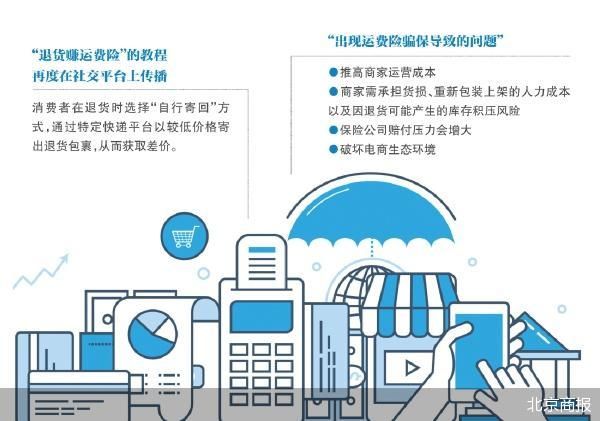
Core Viewpoint - The article discusses the fraudulent practices surrounding freight insurance in e-commerce, where individuals exploit the system to gain illegal profits through deceptive return processes [1][2]. Group 1: Fraudulent Practices - Freight insurance is intended to facilitate returns for consumers, but it has been exploited by individuals who purchase high-value freight insurance to claim excessive compensation [1][2]. - Tutorials promoting "earning" from freight insurance by returning items at a lower cost have been circulating on social media, encouraging users to take advantage of the system [1][2]. - A specific case involved a suspect who registered as both a seller and buyer, repeatedly returning items to claim insurance, resulting in over 200,000 yuan in illegal profits [3]. Group 2: Legal Risks and Implications - Legal experts indicate that while minor claims based on actual returns may carry slight civil risks, deliberately creating false orders for insurance claims constitutes illegal activity [2][4]. - The fraudulent activities have evolved into organized crime, with groups using multiple platforms and accounts to execute their schemes, complicating detection and enforcement [3][4]. - Courts have noted that these crimes often involve creating fake online stores and using counterfeit shipping information to maximize insurance payouts [4][5]. Group 3: Industry Response and Challenges - E-commerce platforms have begun implementing measures to combat these fraudulent practices, such as direct compensation to courier companies instead of individuals [4][5]. - Despite these efforts, the methods employed by fraudsters continue to adapt, making it challenging for platforms to effectively identify and prevent such activities [5]. - Legal recommendations include enhancing awareness of the legal risks associated with freight insurance claims and optimizing the claims process to deter fraudulent behavior [5].
法治在线丨骗保2.7亿 “保险护盾”如何变“敛财工具”?
Yang Shi Xin Wen· 2025-12-03 06:38
Core Points - The article discusses a major insurance fraud case in Jiangsu, where a criminal network exploited employer liability and group accident insurance, resulting in over 270 million yuan in fraudulent claims [1][16] - The case involved multiple provinces and cities, highlighting a widespread issue within the insurance industry [16] Group 1: Fraud Mechanism - The main perpetrators used fake labor dispatch documents to secure multiple insurance policies for the same employees, inflating claims [7][14] - They manipulated injury reports and collaborated with various parties, including insurance company employees and medical institutions, to facilitate the fraud [12][18] - The fraudsters employed bribery to bypass investigations, making it difficult for insurance companies to detect the fraudulent activities [10][18] Group 2: Investigation and Legal Action - The fraud was uncovered after a local insurance company reported suspicious claims, leading to a police investigation that revealed significant irregularities [3][16] - A total of 27 suspects were arrested, and various forged documents were seized during a coordinated crackdown [16][20] - The case has been recognized as part of a larger trend of similar frauds across multiple provinces, indicating systemic issues within the insurance sector [16][18] Group 3: Industry Implications - The case underscores vulnerabilities in the insurance industry, particularly regarding regulatory oversight and the potential for exploitation by knowledgeable individuals [18][20] - It highlights the need for improved internal controls and employee training within insurance companies to prevent such fraudulent schemes [20]

“羊毛党”手法翻新 运费险又被盯上了
Bei Jing Shang Bao· 2025-12-02 16:00
Core Viewpoint - The article discusses the emergence of tutorials on social media that promote exploiting shipping insurance for profit, highlighting the potential legal risks and industry crises associated with such practices [1][3][4]. Group 1: Shipping Insurance and Its Purpose - Shipping insurance was developed to address disputes over return shipping costs in online shopping, becoming an essential service for e-commerce platforms and logistics [3][4]. - The original intent of shipping insurance is to compensate buyers or sellers for shipping losses incurred during legitimate returns [4][5]. Group 2: Exploitation of Shipping Insurance - Recent tutorials have surfaced that instruct consumers on how to profit from shipping insurance by choosing to return items via cheaper third-party shipping services [3][4]. - The calculation for potential profit involves comparing the insurance payout to the actual shipping cost, with examples showing how small differences can accumulate to significant amounts [3][5]. Group 3: Legal and Ethical Implications - Legal experts warn that intentionally returning items for profit violates the principles of good faith and could lead to civil lawsuits for unjust enrichment [4][5]. - The rise of fraudulent claims related to shipping insurance has been noted, with law enforcement highlighting a case where an individual fraudulently claimed shipping insurance over 30,000 times, resulting in illegal profits exceeding 200,000 yuan [5][6]. Group 4: Impact on the Insurance Industry - The cumulative effect of these fraudulent activities could lead to increased operational costs for insurance companies, potentially resulting in higher premiums for consumers and businesses [6][7]. - The increase in fraudulent claims may force some businesses to discontinue shipping insurance services, negatively impacting honest consumers [7][8]. Group 5: Regulatory Responses and Future Directions - Insurance companies are implementing protective measures, such as real-time monitoring of unusual claims and requiring specific shipping methods to prevent exploitation [8][9]. - E-commerce platforms are also utilizing big data analytics to monitor and identify abnormal return behaviors, although challenges remain in balancing consumer experience with fraud prevention [9][10]. - Future reforms may include more precise risk assessments for insurance premiums and enhanced data sharing between platforms and insurers to combat fraudulent activities [10][11].
网约车司机半年内发生42次事故,牵出碰瓷骗保案:汽修厂老板拉客户制造事故,作案140多起诈骗120多万
Yang Shi Xin Wen Ke Hu Duan· 2025-11-14 13:16
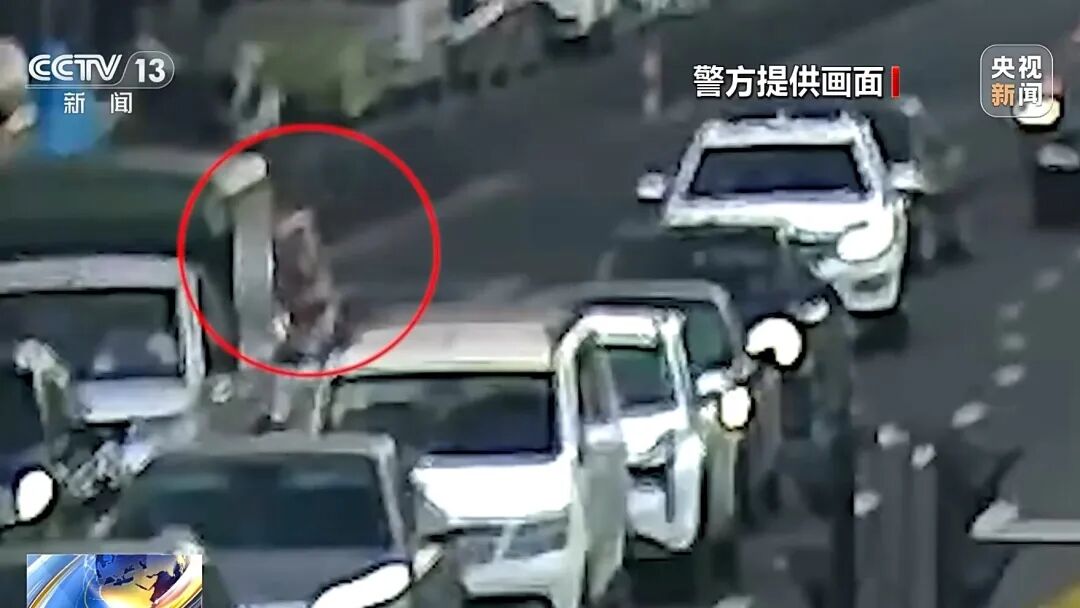
Core Viewpoint - A ride-hailing driver was involved in 42 traffic accidents within six months, leading to the discovery of a large-scale insurance fraud scheme involving multiple parties, including the driver and auto repair shop operators [1][5]. Group 1: Incident Overview - The traffic management team in Cixi, Zhejiang Province, identified over 30 vehicles with high accident frequency, all linked to the same auto repair shop [1]. - The driver, Li, had an unusually high number of claims, prompting further investigation into the insurance payouts, which were all directed to the same repair shop [1][3]. Group 2: Fraud Mechanism - The investigation revealed that the accidents often occurred in secluded areas during peak hours, with vehicles following each other closely before the incidents, suggesting intentional collision [3][5]. - The auto repair shop owner, He, and his partner, Zhang, colluded with clients to create accidents for insurance claims, forming a complete fraud chain [5][9]. Group 3: Recruitment and Execution - He initially used repair shop vehicles to stage accidents but later expanded the scheme by recruiting clients to participate in the fraud, promising them financial benefits [9][11]. - The fraud ring executed over 140 staged accidents from August 2024 to October 2025, resulting in over 1.2 million yuan in fraudulent claims [17][18]. Group 4: Legal Consequences - The police arrested 23 individuals involved in the scheme, highlighting the serious legal repercussions for those attempting to exploit insurance systems [17][18].
法治在线丨“碰瓷”骗保上百万元 揭秘背后犯罪套路
Yang Shi Xin Wen· 2025-11-14 07:31
Core Viewpoint - A significant insurance fraud case involving a ride-hailing driver and a repair shop has been uncovered, revealing a network of individuals engaged in staged accidents for profit [1][22]. Group 1: Incident Overview - A ride-hailing driver was found to have been involved in 42 traffic accidents within six months, which is unusually high compared to previous years [2]. - Investigations revealed that over ten high-frequency claimants were linked to the same repair shop, indicating a coordinated effort to commit insurance fraud [2][4]. Group 2: Fraud Mechanism - The police discovered that the accidents often occurred in secluded areas during peak hours, with vehicles following each other closely before the incidents, suggesting intentional staging [4][6]. - The repair shop owner and an accomplice initially used their own vehicles to create accidents, later recruiting clients to participate in the fraud, thus forming a stable collaboration [10][12]. Group 3: Scale of the Fraud - From August 2024 to October 2025, the fraud ring executed over 140 insurance fraud cases, accumulating more than 1.2 million yuan in illicit gains [22]. - The scheme involved both the repair shop's vehicles and clients' vehicles, with participants being promised safety and financial gain for their involvement [21][19]. Group 4: Law Enforcement Response - A coordinated police operation led to the arrest of 23 individuals, including the main perpetrators, highlighting the extensive nature of the fraud network [13][22]. - The case underscores the serious implications of insurance fraud, emphasizing that such illegal activities will face legal consequences regardless of the perceived financial benefits [22].