
公立医院改革

Search documents
我市入选2025年中央财政支持公立医院改革与高质量发展示范项目
Nan Jing Ri Bao· 2025-07-15 02:43
Core Insights - The central government has announced a list of cities selected for the 2025 Central Financial Support for Public Hospital Reform and High-Quality Development Demonstration Projects, with Nanjing being one of the selected cities [1][2] - The demonstration project aims to enhance the capacity of municipal and county-level public hospitals, control unreasonable growth in medical costs, and promote the construction of smart hospitals [1][2] Group 1 - The project will leverage central financial support to stimulate local reform efforts, focusing on public hospital reform guided by public welfare [1] - Nanjing has been recognized for its commitment to health-first development, having undertaken 18 national medical reform pilot tasks and receiving accolades from the State Council and provincial government [2] - Nanjing is one of only two provincial capital cities selected among the final 20 cities for the demonstration project [2] Group 2 - The city aims to establish a high-quality integrated healthcare service system by 2027, with a focus on five major projects, including the expansion of quality medical resources and the construction of a tiered diagnosis and treatment system [2] - The implementation plan includes 18 key tasks to achieve the goal of becoming a health hub in the Yangtze River Delta region [2] - The project emphasizes the importance of regional balance in healthcare resource distribution to meet the public's demand for accessible medical services [1][2]
2024年山东基层诊疗量占比63.3%
Da Zhong Ri Bao· 2025-05-28 00:59
Core Insights - The core viewpoint of the article emphasizes the acceleration of achieving the goal of "serious illnesses not leaving the province" in Shandong, with significant improvements in healthcare accessibility and affordability [2][3]. Group 1: Healthcare Reform and Investment - The Shandong provincial government has seen an annual increase of 25% in financial support for public hospitals over the past five years [2]. - The implementation of centralized procurement policies for drugs and high-value medical consumables has led to significant price reductions, such as the price of cochlear implants dropping from over 200,000 yuan to around 50,000 yuan, a reduction of 75% [2]. Group 2: Healthcare Capacity and Accessibility - By 2024, the hospitalization rate within county areas is projected to reach 84.4%, indicating a strong focus on local treatment for general illnesses [2][3]. - The proportion of grassroots medical treatment is expected to reach 63.3% in 2024, reflecting an emphasis on local healthcare services [2][3]. - Shandong has established 866 national and provincial clinical key specialties, forming a network for the treatment of difficult and severe cases across the province [2]. Group 3: Community and Grassroots Healthcare Initiatives - Over 10,000 village clinics have been standardized and renovated, with more than 10,000 healthcare professionals deployed annually to support rural areas [3]. - The province has implemented measures to enhance convenience in medical services, such as appointment scheduling and bedside admission processes, improving patient experience [3]. - A total of 831 medical institutions have connected to a provincial platform for mutual recognition of inspection and testing results, with 429 recognized projects and 8.7 million mutual recognitions completed, reducing the burden on patients [3].
公立医院公益性如何维护?青岛:对重点人群、重点疾病实行免费筛查、体检
2 1 Shi Ji Jing Ji Bao Dao· 2025-05-27 09:47
Core Viewpoint - The article discusses the ongoing promotion of the Sanming healthcare reform experience across cities in China, with a focus on public hospital reforms guided by public welfare principles, particularly in Shandong Province [2] Group 1: Public Hospital Reform Initiatives - Shandong Province is actively exploring innovative approaches to deepen healthcare reform, with cities like Qingdao, Weifang, and Jinan being recognized as demonstration cities for public hospital reform and high-quality development [2] - Qingdao City has implemented several measures to maintain the public welfare nature of public hospitals, including comprehensive financial support for basic construction and social insurance contributions for on-duty personnel [3] - Since 2019, fiscal investment in municipal and county-level public hospitals has increased by an average of 15% annually, while the proportion of medical service revenue has risen by 5.1 percentage points, and the share of drug and consumable costs has decreased by 6.8 percentage points [3] Group 2: Development of Specialized Services - Qingdao City has focused on addressing public healthcare needs by establishing 10 peak disciplines, 100 municipal key specialties, 50 county-level key specialties, and 35 major disease specialty alliances to promote balanced specialty development [3] - The city has increased the annual subsidy standard for public health hospitals with heavy public health responsibilities to 59 million yuan, enhancing internal salary distribution to improve compensation for specialists in high-demand fields such as pediatrics and emergency medicine [3] Group 3: Health-Centric Reforms - The reforms emphasize a people-centered approach, implementing integrated management for key health issues such as hypertension, diabetes, and chronic obstructive pulmonary disease [4] - Qingdao City conducts free screenings and health check-ups for key populations, reaching over 1.8 million screenings annually, and has launched a health literacy improvement project, achieving a health literacy level of 38.5% among residents [4]
上海市卫健委发布重磅文件!除了公立医院“年薪制”,还有这些重点
Di Yi Cai Jing· 2025-05-27 04:11
Core Insights - The article discusses the recent notification from Shanghai's health authorities regarding the deepening of public hospital reforms and the promotion of high-level openness in the medical field [1][3] - It emphasizes the encouragement of innovative drug and medical device research, addressing practical challenges faced by companies, and accelerating the drug approval process [3][4] - The notification also highlights the importance of digital transformation in healthcare, including the implementation of artificial intelligence in hospitals [6] Group 1: Public Hospital Reform - The notification mentions the deepening of public hospital reforms with a focus on public welfare, including the adjustment of salary structures in public hospitals [1][3] - It outlines the need for pilot programs in high-quality development hospitals to reform salary distribution systems [1] Group 2: Innovation in Pharmaceuticals and Medical Devices - The notification encourages the research and development of innovative drugs and treatments for rare diseases, while also addressing the high costs associated with clinical trials [3] - It calls for the continuous implementation of policies supporting the innovation of the biopharmaceutical industry and improving the pricing mechanisms for innovative drugs and devices [3][4] Group 3: Digital Transformation in Healthcare - The notification stresses the importance of digital transformation, aiming to implement and promote leading projects in medical artificial intelligence [6] - AI applications in hospitals have significantly improved patient wait times and diagnostic efficiency, showcasing the impact of technology on healthcare services [6]

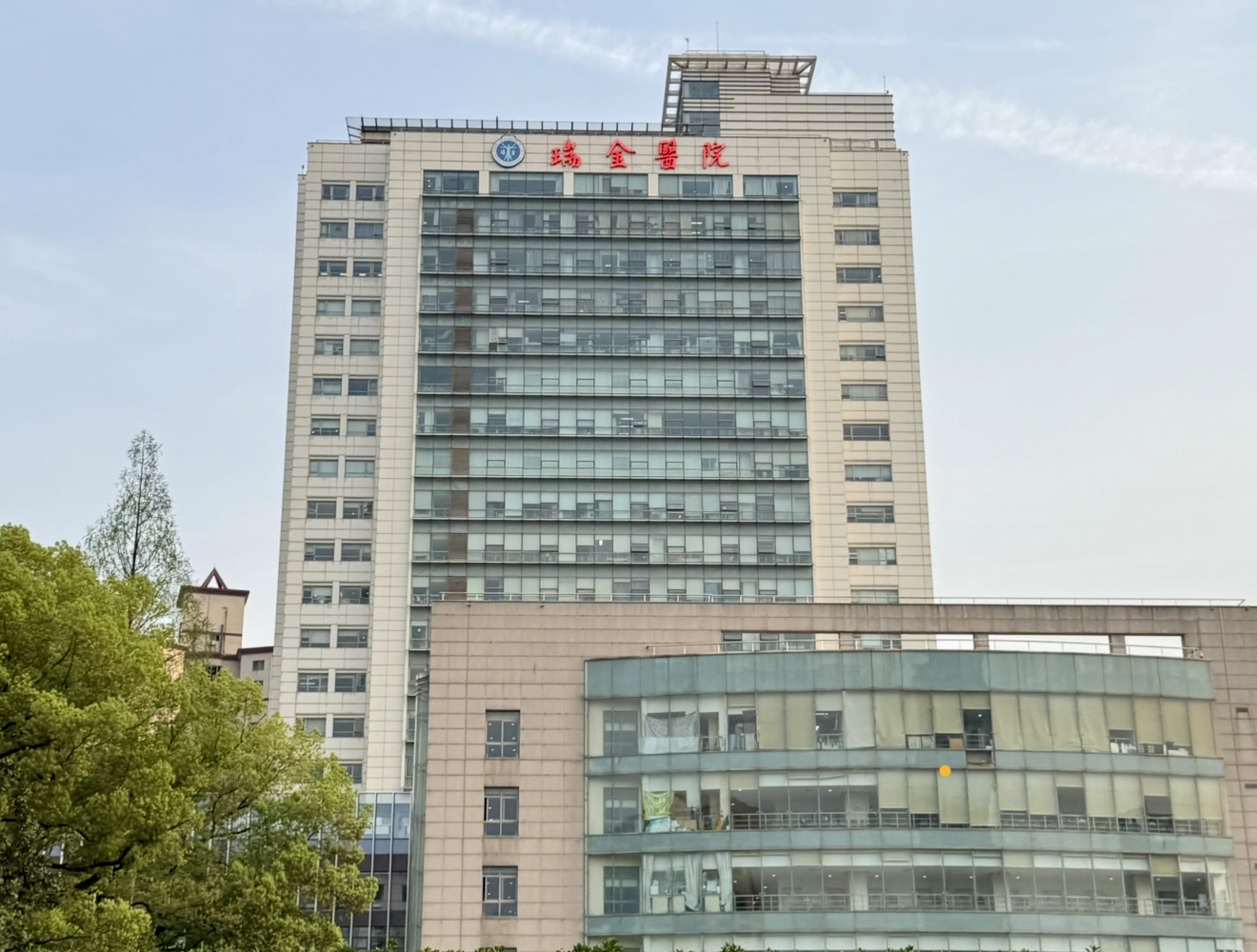
上海:深化以公益性为导向的公立医院改革
news flash· 2025-05-26 12:22
Core Viewpoint - The Shanghai Municipal Health Commission and seven other departments have issued the "2025 Shanghai Deepening Medical and Health System Reform Work Points," emphasizing the reform of public hospitals guided by public welfare principles [1] Group 1: Public Hospital Reform - The reform aims to deepen the salary distribution system in public hospitals, specifically at Zhongshan and Ruijin hospitals, which are national pilot hospitals for high-quality development [1] - A pilot scheme for the internal salary distribution system of public hospitals in Shanghai will be developed to optimize salary structures across various levels of hospitals [1] - The exploration of a salary system for the leadership teams and heads of functional departments in public hospitals is being considered [1] Group 2: Financial Investment and Resource Allocation - The plan includes ensuring financial support by optimizing investment structures and focusing on major projects and key areas [1] - There will be a coordinated approach to funding sources to facilitate orderly progress in ward renovations and equipment updates [1] Group 3: Regulatory and Management Improvements - The reform will enhance the public welfare attributes of public hospitals and involve the deepening of reforms in health industry institutions [1] - A pilot program for innovative personnel management in some municipal hospitals will be organized, aiming for scientific distribution and dynamic adjustment of personnel control in district-level public hospitals [1] - The implementation opinions on reforming and improving the comprehensive regulatory system of the medical and health industry will be revised to strengthen cross-departmental joint regulation and response measures [1]
深化医改成效显著:居民健康水平大幅提高
Xin Hua Wang· 2025-04-12 21:41
Group 1 - The core viewpoint of the articles highlights significant improvements in China's healthcare system, with key health indicators reaching historical best levels, including a projected average life expectancy of 79 years by 2024 and a maternal mortality rate of 14.3 per 100,000 [1][2] - The personal health expenditure as a percentage of total health costs decreased from 34.34% in 2012 to 26.89% in 2022, indicating a shift towards more public funding in healthcare [1] Group 2 - The next steps in healthcare reform include prioritizing health development, promoting collaborative development of medical services, insurance, and pharmaceuticals, and enhancing the public health system to improve early detection of major epidemics [2] - There is a focus on deepening public hospital reforms, establishing a dynamic adjustment mechanism for staffing, and creating a service-oriented fee structure [2] - The government aims to enhance public awareness and satisfaction with healthcare reforms, addressing urgent healthcare access issues faced by the population [2]