
军事冲突风险

Search documents
美国被曝对伊朗行动的准备在两周内完成
Xin Lang Cai Jing· 2026-01-28 09:28
Group 1 - The U.S. has communicated to Israel its military preparations regarding potential actions against Iran, with readiness expected to be completed within two weeks and a possible "window of opportunity" for action in the coming months [1][3] - U.S. President Trump mentioned that a fleet is heading towards Iran, although he did not provide further details [4] - The U.S. Navy's Abraham Lincoln Carrier Strike Group has been deployed to the Middle East for air force readiness exercises, with additional F-15E fighter jets and missile defense systems sent to the region [4] Group 2 - Iran's Islamic Revolutionary Guard Corps Navy Commander stated that Iran is monitoring all maritime activities and controls the passage of vessels through the Strait of Hormuz, emphasizing that any use of neighboring countries' territories against Iran will be considered hostile [6] - The Strait of Hormuz is a critical maritime passage connecting the Gulf of Oman and the Persian Gulf, through which approximately one-third of global seaborne oil trade passes [8]

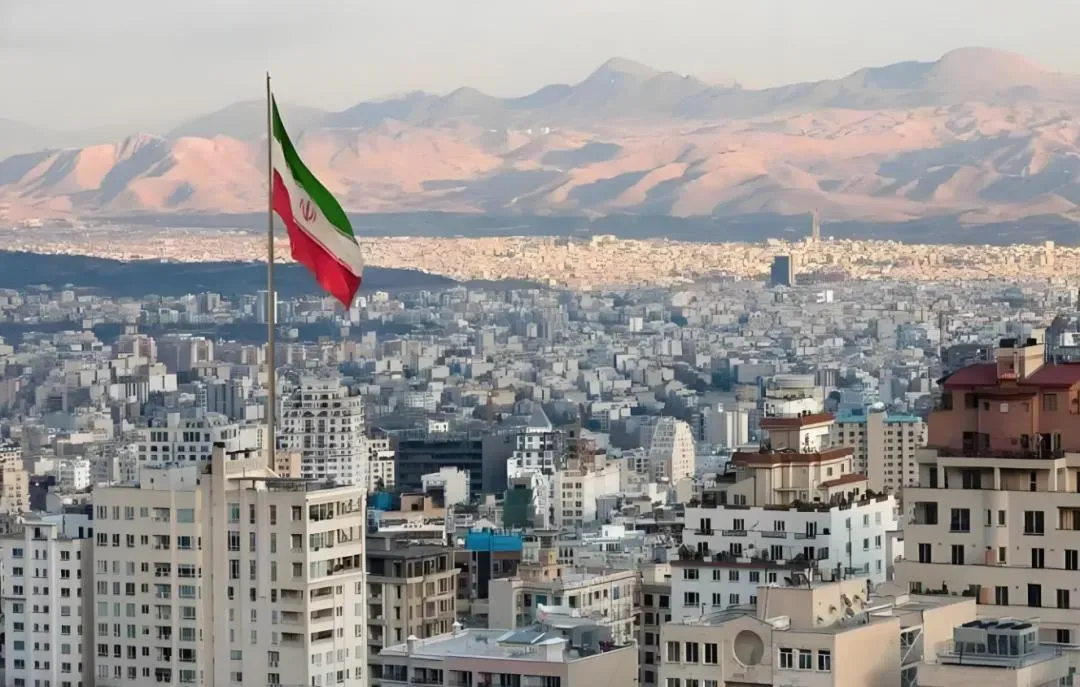
美伊局势进入“关键一周”
Xin Lang Cai Jing· 2026-01-27 03:21
Core Viewpoint - The escalating tensions between the US and Iran are marked by military deployments and threats, with the US Navy's Lincoln Carrier Strike Group positioned near Iran, indicating a potential for military action [3][4][5]. Military Developments - The US has significantly increased its military presence in the Middle East, with the Lincoln Carrier Strike Group arriving in the region and capable of direct strikes against Iran [4]. - Additional military assets, including F-15 fighter jets and logistical support aircraft, have been deployed to Jordan and Saudi Arabia, enhancing US operational capabilities in the area [4][5]. - The US plans to augment missile defense systems, such as THAAD and Patriot systems, to protect key facilities in the Gulf region [5]. Iranian Response - Iran has issued strong warnings against US military actions, asserting its readiness to respond decisively to any aggression [6][7]. - The Iranian military has emphasized its capability to conduct asymmetric warfare, posing a significant threat to US naval assets in the region [7]. Regional Implications - The heightened military activity has led to disruptions in air travel, with airlines adjusting routes due to the sensitive security situation [8]. - There are concerns among Gulf states about being drawn into a potential conflict, with efforts to dissuade the US from military action against Iran [8]. Strategic Considerations - The US is reportedly weighing various military options, including potential naval blockades, while maintaining a level of operational secrecy regarding troop movements and readiness [9]. - Observations indicate that the scale of recent US military deployments is lower than previous escalations, suggesting a cautious approach [9].

若白宫下令 “林肯”号航母打击群一两天内即可对伊朗动武
Yang Shi Xin Wen· 2026-01-27 00:13
Core Viewpoint - The U.S. Navy's Abraham Lincoln Carrier Strike Group has entered the Central Command's area of responsibility in the Western Indian Ocean, indicating readiness for potential military action against Iran if ordered by the White House [1] Group 1 - President Trump announced on the 22nd that a "large fleet" is heading to the Middle East, suggesting an increase in military presence in the region [1] - Reports indicate that the U.S. is deploying additional forces to the Middle East, including at least one aircraft carrier and more missile defense systems [1]
美军航母进入印度洋
第一财经· 2026-01-26 14:38
Group 1 - The core viewpoint of the article highlights the increasing military tensions between the United States and Iran, with the deployment of the USS Abraham Lincoln aircraft carrier to the Indian Ocean region as a response to perceived threats from Iran [2][3] - An official stated that the USS Abraham Lincoln is not yet prepared for any potential attacks on Iran, indicating a state of readiness but not immediate action [3] - Reports suggest that Iran's Supreme Leader Khamenei is hiding in underground facilities, which may indicate preparations for military action, while U.S. drone experts warn that Iran's drone fleet poses a significant threat to the USS Abraham Lincoln strike group [3]

美航母打击群抵达中东,美大规模军事集结引发伊朗“强硬警告”
Xin Lang Cai Jing· 2026-01-26 10:46
Group 1: Military Deployment and Operations - The USS Abraham Lincoln Carrier Strike Group has arrived in the Middle East and is conducting operations under the U.S. Central Command [1] - The strike group includes the Ticonderoga-class guided missile cruiser USS Mobile Bay and several Arleigh Burke-class destroyers, as well as a nuclear attack submarine [1] - The U.S. Air Force is set to conduct a multi-day readiness exercise in the region to demonstrate its capability to deploy and maintain air combat forces [1][4] Group 2: Aircraft and Military Capabilities - The USS Lincoln can carry 70-90 aircraft, including F-35C stealth fighters, F/A-18E/F Super Hornets, and EA-18G Growler electronic warfare aircraft [2] - The U.S. has deployed F-15E fighters to the region, which are capable of both air interception and ground attack [5][8] - The U.S. military has also sent additional Patriot and THAAD missile defense systems to protect key military facilities in the area [5] Group 3: Regional Tensions and Responses - Israel has entered a heightened state of alert in response to the escalating tensions and potential military actions by the U.S. against Iran [5][6] - Iran has issued strong warnings and has placed its military on full alert, stating it is prepared to respond to any form of aggression [9][10] - The Iranian military has reportedly improved its missile capabilities and is ready to retaliate against U.S. and Israeli interests in the region [10][11]
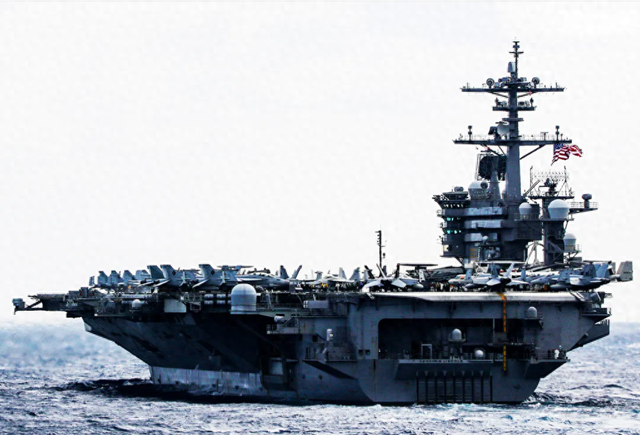
伊朗称若遭袭击将予以坚决回击
Yang Shi Wang· 2026-01-24 16:27
Core Viewpoint - Iran's military leadership has issued a strong warning against potential U.S. military actions, emphasizing that any attack will be met with a decisive response [1] Group 1: Military Readiness - The commander of the Islamic Revolutionary Guard Corps Aerospace Force, Mousavi, stated that Iran will retaliate firmly if attacked, indicating that the U.S. will face consequences for its actions [1] - An anonymous Iranian official mentioned that the Iranian military is prepared to respond to any possible actions from the U.S. [1] Group 2: U.S. Military Movements - Reports indicate that the U.S. Navy's aircraft carrier strike group, USS Abraham Lincoln, is currently in the Indian Ocean and is continuing its course towards the Middle East [1]
美国向中东增派陆海空军事力量
Xin Lang Cai Jing· 2026-01-17 06:24
Core Viewpoint - The U.S. administration is considering all options regarding the situation with Iran, with military escalation being a significant possibility as the U.S. increases its military presence in the Middle East [1] Military Deployment - The U.S. is reportedly deploying additional military forces to the Middle East, including at least one aircraft carrier, the USS Abraham Lincoln, along with multiple supporting vessels [1] - The U.S. military anticipates further troop and equipment deployments in the coming days and weeks, indicating a potential for military action against Iran [1] Military Capabilities - If the U.S. decides to strike Iran, it may target multiple locations using various types of weaponry, including Tomahawk cruise missiles launched from ships or submarines, and air-to-ground missiles equipped with armor-piercing warheads [1] - The USS Abraham Lincoln carrier strike group includes the 9th Carrier Air Wing, the USS Mobile Bay guided-missile cruiser, and several guided-missile destroyers from the 21st Destroyer Squadron [1]
伊朗,最新表态!准备同美国谈判,也已做好战争准备
证券时报· 2026-01-13 01:49
Group 1 - Iran's Foreign Minister, Zarif, stated that Iran does not seek war but is fully prepared for it, emphasizing the need for negotiations based on mutual respect with the U.S. [1][2] - Zarif claimed that Iranian security forces have controlled the national situation and that Israel and the U.S. bear "direct responsibility" for events occurring in Iran [2][3] - Iran possesses materials that allegedly prove U.S. and Israeli involvement in domestic "terrorist activities," with recent protests against rising prices and currency devaluation leading to violence and casualties [3][4] Group 2 - Protests have erupted across Iran, with citizens expressing their grievances over economic hardships, while the Iranian government insists it will not allow foreign interference to incite unrest [1][3] - Nationwide gatherings were held, with hundreds of thousands participating to condemn the "foreign-backed riots," showcasing unity among the populace as a source of national resilience [6][7] - The Iranian government declared a three-day national mourning period for security personnel who died during the unrest, calling for public demonstrations against the violent actions of "terrorist criminals" [7]

伊朗再次警告:如遭攻击,将给特朗普一个“永生难忘的教训”
Xin Jing Bao· 2026-01-12 22:50
Core Viewpoint - Iran's Speaker of Parliament, Ghalibaf, stated that any attack on Iran would result in a "lesson" for the United States, emphasizing Iran's readiness to respond militarily if provoked [1] Group 1: Military and Strategic Posture - Ghalibaf mentioned that Iran is currently engaged in a "four-front war," which includes economic warfare, psychological warfare, military conflict with the U.S. and Israel, and counter-terrorism efforts [1] - He warned that if the U.S. attacks Iran again, Iranian forces would target Israel and U.S. military bases in the Middle East as "legitimate targets" for retaliation [1] Group 2: Diplomatic and Domestic Response - Iranian Foreign Ministry spokesman, Baghaei, indicated that Iran is closely monitoring the situation and is prepared to respond to any acts of aggression, asserting that the armed forces are ready to repel any threats against Iran [1] - Recent protests in Iran have led to unrest, resulting in casualties among security personnel and civilians [1] Group 3: U.S. Position - Former President Trump mentioned that the U.S. is considering a range of measures, including military options, in response to the situation with Iran, indicating a potential escalation in U.S.-Iran tensions [1]
伊朗议会议长警告:若美国发动军事攻击,伊朗必将还击
Xin Jing Bao· 2026-01-12 01:10
Group 1 - The core viewpoint of the article is that Iran's parliamentary speaker, Ghalibaf, stated that Iran would consider Israel and U.S. military bases in the Middle East as "legitimate targets" if the U.S. launches a military attack [1] - There have been reports of unrest in various parts of Iran, resulting in casualties [1] - U.S. President Trump has received briefings on military strike options against Iran but has not made a final decision yet [1]